
Is It Possible From Someone Who is Working in Private Equity to Switch to Venture Capital and Vice Versa

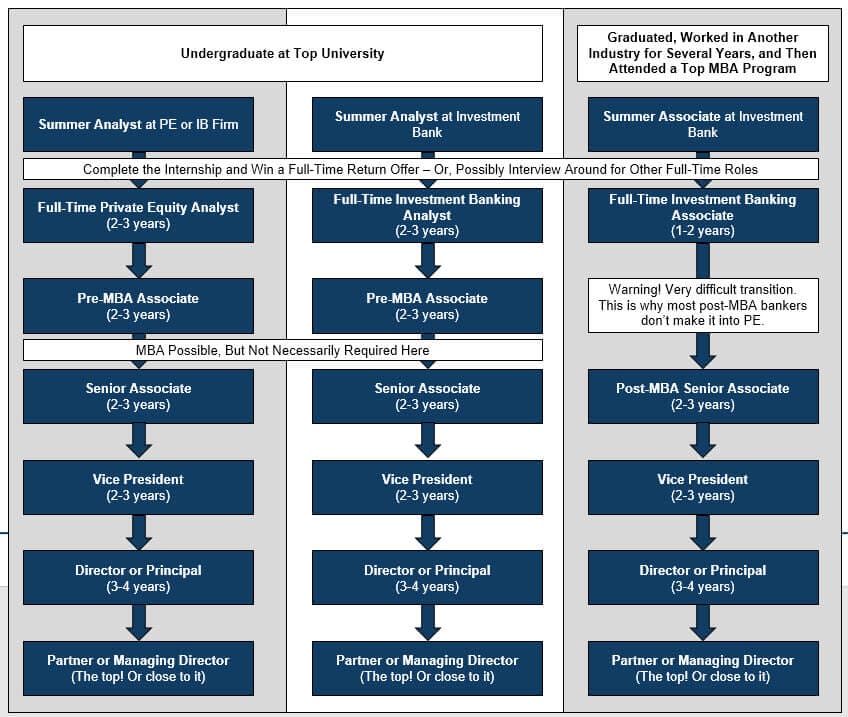
The worlds of private equity (PE) and venture capital (VC) are often seen as distinct realms within the broader investment landscape. However, professionals in these fields frequently share overlapping skill sets, raising the question of whether transitioning between the two is feasible. While private equity focuses on mature companies and leveraged buyouts, venture capital thrives on early-stage startups and high-risk, high-reward opportunities. Despite these differences, the core principles of investment analysis, portfolio management, and strategic decision-making remain consistent. This article explores the challenges, opportunities, and key considerations for professionals contemplating a switch between private equity and venture capital, or vice versa.
-
Is It Possible for Someone Working in Private Equity to Switch to Venture Capital and Vice Versa?
- What Are the Key Differences Between Private Equity and Venture Capital?
- What Skills Are Transferable Between Private Equity and Venture Capital?
- How Can a Private Equity Professional Transition to Venture Capital?
- How Can a Venture Capital Professional Transition to Private Equity?
- What Are the Challenges of Switching Between Private Equity and Venture Capital?
- Is it possible to go from VC to PE?
- Is it harder to get into VC or PE?
- Does venture capital pay more than private equity?
- Should I work in private equity or venture capital?
-
Frequently Asked Questions (FAQs)
- Is it common for professionals to switch from private equity to venture capital?
- What challenges might someone face when transitioning from venture capital to private equity?
- What skills are transferable between private equity and venture capital?
- How can someone prepare to switch from private equity to venture capital or vice versa?
Is It Possible for Someone Working in Private Equity to Switch to Venture Capital and Vice Versa?
Yes, it is possible for professionals to transition between Private Equity (PE) and Venture Capital (VC), although the process requires careful consideration of the differences between the two fields. Both industries fall under the broader umbrella of private markets, but they focus on different stages of company growth and involve distinct skill sets. Below, we explore the key aspects of making such a transition.
See Also What Career is More Lucrative; Private Equity or Venture Capital?
What Are the Key Differences Between Private Equity and Venture Capital?
Private Equity typically involves investing in mature companies that are already generating revenue or profit. These investments often focus on leveraged buyouts, restructuring, or growth strategies. On the other hand, Venture Capital focuses on early-stage startups with high growth potential, often in technology or innovative sectors. The risk profile in VC is higher, as many startups fail, but the potential returns can be substantial.
| Aspect | Private Equity | Venture Capital |
|---|---|---|
| Investment Stage | Mature companies | Early-stage startups |
| Risk Profile | Lower risk | Higher risk |
| Focus | Operational improvements, restructuring | Innovation, scalability |
What Skills Are Transferable Between Private Equity and Venture Capital?
Professionals in both fields require strong financial analysis, deal structuring, and negotiation skills. However, VC professionals often need a deeper understanding of emerging technologies and market trends, while PE professionals excel in operational management and financial engineering. Transitioning between the two requires adapting to these nuances.
See Also Should I Quit Venture Capital to Join Real Estate Private Equity =37253896
How Can a Private Equity Professional Transition to Venture Capital?
To transition from PE to VC, professionals should focus on building industry-specific knowledge, particularly in technology or startup ecosystems. Networking with VC firms and gaining exposure to early-stage investments can also help. Additionally, demonstrating an ability to identify high-growth opportunities is crucial.
How Can a Venture Capital Professional Transition to Private Equity?
Transitioning from VC to PE requires a shift in focus toward operational efficiency and financial restructuring. Professionals should highlight their experience in portfolio management and their ability to work with larger, more established companies. Building expertise in leveraged buyouts and debt financing can also be beneficial.
See Also In Private Equity and Venture Capital is Dry Powder the Difference Between Committed Capital and Paid in Capital
What Are the Challenges of Switching Between Private Equity and Venture Capital?
The primary challenges include adapting to different risk profiles, investment horizons, and industry dynamics. VC professionals may find it difficult to adjust to the slower pace and operational focus of PE, while PE professionals might struggle with the uncertainty and high failure rates associated with startups.
| Challenge | Private Equity to VC | Venture Capital to PE |
|---|---|---|
| Risk Tolerance | Adjusting to higher risk | Adjusting to lower risk |
| Investment Focus | Shifting to early-stage companies | Shifting to mature companies |
| Skill Adaptation | Learning emerging technologies | Mastering operational management |
By understanding these differences and challenges, professionals can better prepare for a successful transition between Private Equity and Venture Capital.
Is it possible to go from VC to PE?

Understanding the Transition from VC to PE
Transitioning from Venture Capital (VC) to Private Equity (PE) is indeed possible, but it requires a clear understanding of the differences between the two fields. While both involve investing in companies, the stages of investment, risk profiles, and operational involvement differ significantly.
- VC focuses on early-stage startups with high growth potential, often involving higher risk and uncertainty.
- PE typically invests in more mature companies, aiming for stable returns through operational improvements and financial restructuring.
- The skill sets required for each field overlap but also have distinct differences, such as deal structuring and portfolio management.
Key Skills Needed to Transition from VC to PE
To successfully move from VC to PE, professionals need to develop or refine specific skills that align with the demands of private equity.
- Financial modeling and valuation expertise are critical, as PE deals often involve complex financial structures.
- Strong operational and strategic skills are necessary to drive value creation in portfolio companies.
- Experience in managing larger, more mature companies is highly valued in PE.
Networking and Building Relationships in PE
Building a strong network within the PE industry is essential for making the transition from VC.
- Attend industry events and conferences to connect with PE professionals.
- Leverage existing VC connections who may have ties to the PE world.
- Seek mentorship from individuals who have successfully transitioned between the two fields.
Challenges of Moving from VC to PE
While the transition is possible, it comes with its own set of challenges that professionals must be prepared to face.
- The investment timelines in PE are longer compared to VC, requiring a shift in mindset.
- PE deals often involve more rigorous due diligence and regulatory scrutiny.
- Adapting to the culture of PE firms, which may differ from the more entrepreneurial VC environment.
Steps to Successfully Transition from VC to PE
To make a smooth transition from VC to PE, follow these actionable steps.
- Gain experience in financial analysis and deal structuring through additional training or certifications.
- Seek roles in VC firms that have a closer alignment with PE, such as growth-stage investing.
- Consider joining a smaller PE firm or a fund that specializes in growth equity to bridge the gap between VC and PE.
Is it harder to get into VC or PE?

What is the Difference Between Venture Capital (VC) and Private Equity (PE)?
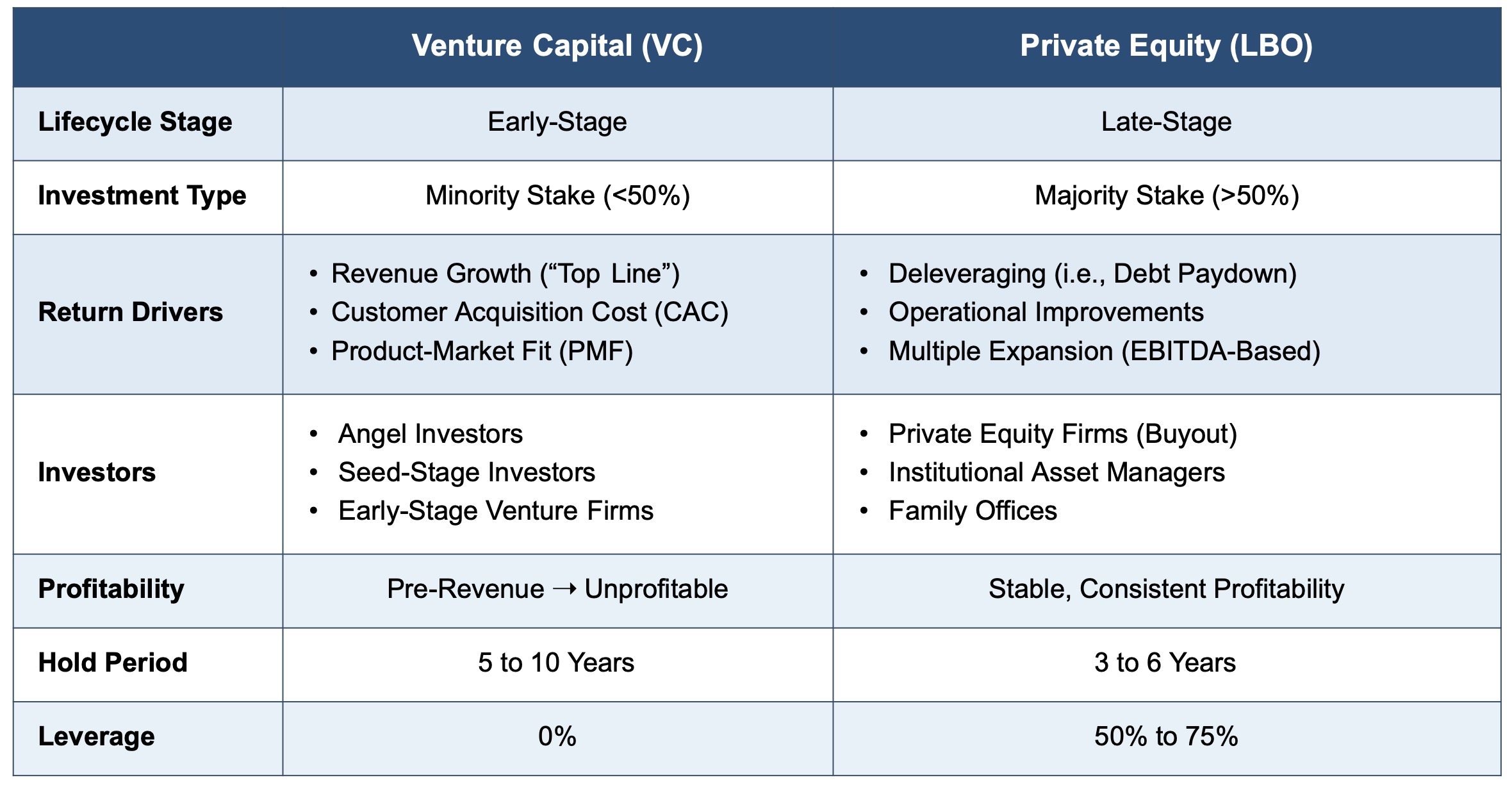
Venture Capital (VC) and Private Equity (PE) are both forms of investment, but they target different stages of a company's lifecycle. VC focuses on early-stage startups with high growth potential, often in technology or innovative sectors. PE, on the other hand, typically invests in more mature companies, often taking a controlling stake to drive operational improvements or restructuring. The key differences include:
- Investment Stage: VC targets startups, while PE focuses on established companies.
- Risk Level: VC investments are riskier due to the uncertainty of early-stage ventures.
- Control: PE firms often seek control, whereas VCs usually take minority stakes.
What Are the Entry Requirements for VC and PE Roles?
Breaking into VC or PE requires a strong educational background, relevant experience, and a robust network. However, the entry requirements differ slightly between the two fields. For VC, candidates often need:
- Entrepreneurial Experience: A background in startups or innovation is highly valued.
- Technical Knowledge: Understanding emerging technologies can be a significant advantage.
- Networking Skills: Building relationships with founders and investors is crucial.
For PE, the requirements typically include:
- Financial Expertise: Strong skills in financial modeling and valuation are essential.
- Consulting or Banking Experience: Many PE professionals come from investment banking or consulting backgrounds.
- Deal Execution Skills: Experience in mergers and acquisitions (M&A) is often required.
How Competitive Are VC and PE Industries?
Both VC and PE are highly competitive, but the nature of the competition varies. VC is often seen as more exclusive due to the smaller number of firms and the niche focus on startups. Key factors contributing to the competitiveness include:
- Limited Opportunities: Fewer VC firms mean fewer job openings.
- High Demand: Many candidates are attracted to the dynamic and innovative nature of VC.
- Specialized Skills: The need for unique expertise in technology and startups limits the candidate pool.
In contrast, PE is also competitive but has a more structured recruitment process, often tied to investment banking or consulting pipelines. The competition is driven by:
- High Compensation: PE roles are known for their lucrative pay packages.
- Prestige: The industry is highly regarded in the finance world.
- Global Opportunities: PE firms operate worldwide, increasing the pool of applicants.
What Skills Are Valued in VC and PE?
The skills required for success in VC and PE differ due to the nature of their investments. In VC, the following skills are highly valued:
- Market Insight: Ability to identify emerging trends and disruptive technologies.
- Risk Assessment: Evaluating the potential of high-risk, high-reward startups.
- Mentorship: Supporting founders through strategic guidance and networking.
In PE, the focus is more on:
- Financial Analysis: Deep expertise in valuation and financial modeling.
- Operational Improvement: Driving efficiency and profitability in portfolio companies.
- Deal Structuring: Crafting complex financial arrangements for acquisitions.
What Are the Career Paths in VC and PE?
The career trajectories in VC and PE can vary significantly. In VC, professionals often start as analysts or associates and may progress to partner roles. Key stages include:
- Analyst/Associate: Conducting due diligence and sourcing deals.
- Principal: Leading investments and managing portfolio companies.
- Partner: Overseeing the firm's strategy and fundraising efforts.
In PE, the career path is more linear, often starting in investment banking or consulting before moving into PE roles. Typical stages include:
- Associate: Supporting deal execution and financial analysis.
- Vice President: Leading deal teams and managing client relationships.
- Managing Director: Overseeing the firm's investment strategy and fundraising.
Does venture capital pay more than private equity?
Compensation Structures in Venture Capital vs. Private Equity
Compensation in both venture capital (VC) and private equity (PE) typically includes a base salary, bonuses, and carried interest. However, the structures differ significantly:
- Base Salary: VC professionals often have lower base salaries compared to PE professionals, as VC firms are generally smaller and focus on early-stage investments.
- Bonuses: PE bonuses tend to be higher due to the larger deal sizes and more frequent exits, whereas VC bonuses are often tied to the success of portfolio companies.
- Carried Interest: Both VC and PE professionals earn carried interest, but VC professionals may see higher upside if their investments yield significant returns, given the high-risk, high-reward nature of startups.
Risk and Reward: How It Affects Pay
The risk-reward profile of venture capital and private equity plays a significant role in determining compensation:
- High Risk in VC: Venture capital involves investing in early-stage companies, which have a higher likelihood of failure but can yield exponential returns if successful.
- Lower Risk in PE: Private equity focuses on mature companies with established cash flows, leading to more predictable but potentially lower returns.
- Impact on Pay: VC professionals may earn less consistently but have the potential for outsized payouts, while PE professionals enjoy more stable and higher average compensation.
Deal Sizes and Their Influence on Earnings
The size of deals in venture capital and private equity directly impacts earnings:
- Smaller Deals in VC: VC deals are typically smaller, which limits the immediate financial rewards but increases the potential for significant returns if startups succeed.
- Larger Deals in PE: PE deals involve larger sums of money, leading to higher fees and carried interest, which translates to higher compensation for professionals.
- Frequency of Exits: PE firms often have more frequent exits, providing consistent income streams, whereas VC exits are less predictable but can be more lucrative.
Career Progression and Pay Growth
Career progression in venture capital and private equity affects long-term earnings:
- Early-Stage Roles: Entry-level roles in VC may offer lower pay compared to PE, but the potential for growth increases with successful investments.
- Senior Roles: Senior professionals in PE often command higher salaries due to their expertise in managing large funds and complex deals.
- Carried Interest Over Time: As professionals advance, their share of carried interest grows, with VC professionals potentially benefiting more from successful exits.
Industry Trends and Future Outlook
Current trends in the venture capital and private equity industries influence compensation:
- Tech Boom: The rise of technology startups has increased the demand for VC professionals, potentially boosting their earnings.
- PE Consolidation: The consolidation of industries by PE firms has led to larger funds and higher compensation for professionals.
- Economic Factors: Market conditions, such as interest rates and economic cycles, impact the performance of both VC and PE, affecting overall pay.
Should I work in private equity or venture capital?
What is the Difference Between Private Equity and Venture Capital?
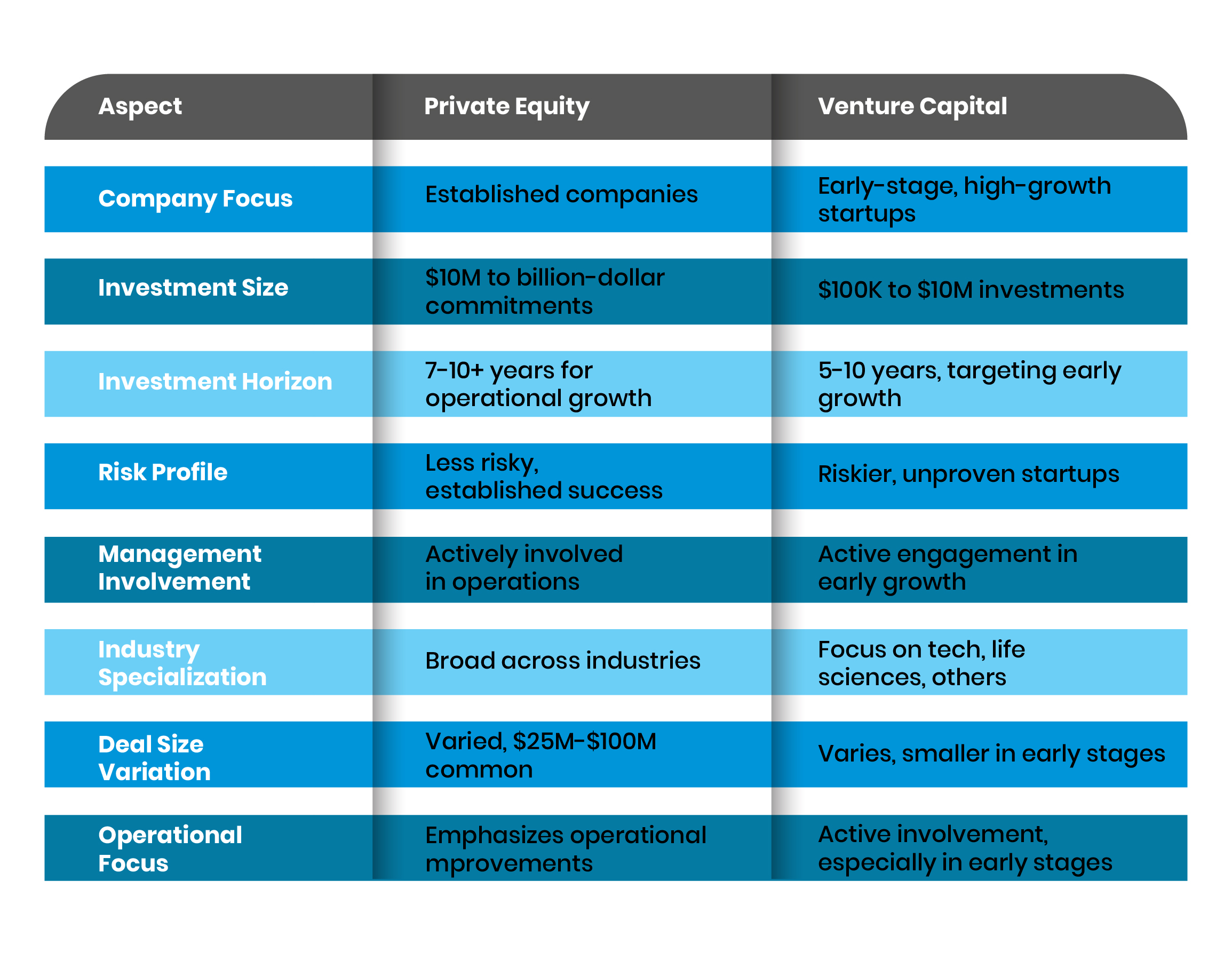
Private equity (PE) and venture capital (VC) are both forms of investment, but they target different stages of a company's lifecycle. Here are the key differences:
- Investment Stage: PE typically invests in mature companies, while VC focuses on early-stage or startup companies.
- Risk Level: VC investments are generally riskier due to the uncertainty of startups, whereas PE deals with more established businesses.
- Ownership Stake: PE firms often acquire a controlling stake, while VC firms usually take minority stakes.
What Skills Are Required for Private Equity?
Working in private equity demands a specific skill set. Here are the most important skills:
- Financial Modeling: Proficiency in building and analyzing financial models is crucial for evaluating investments.
- Deal Structuring: Understanding how to structure deals and negotiate terms is essential.
- Industry Knowledge: Deep knowledge of specific industries helps in making informed investment decisions.
What Skills Are Required for Venture Capital?
Venture capital requires a unique set of skills tailored to the startup ecosystem. Key skills include:
- Networking: Building relationships with entrepreneurs and other investors is vital.
- Market Analysis: Ability to identify emerging trends and assess market potential.
- Risk Assessment: Evaluating the viability and scalability of early-stage companies.
What Are the Career Growth Opportunities in Private Equity?
Private equity offers a structured career path with significant growth opportunities. Here’s what you can expect:
- Analyst/Associate: Entry-level roles focusing on financial analysis and due diligence.
- Vice President: Mid-level role involving deal execution and portfolio management.
- Partner/Principal: Senior roles with a focus on strategy and fund management.
What Are the Career Growth Opportunities in Venture Capital?
Venture capital provides a dynamic career trajectory with diverse opportunities. Key roles include:
- Analyst/Associate: Entry-level positions focused on sourcing deals and conducting research.
- Principal: Mid-level roles involving deal negotiation and portfolio support.
- Partner: Senior positions with a focus on fundraising and strategic decision-making.
Frequently Asked Questions (FAQs)
Is it common for professionals to switch from private equity to venture capital?
Switching from private equity to venture capital is not uncommon, but it depends on the individual's skills, experience, and career goals. Private equity professionals often have strong financial modeling, due diligence, and deal execution skills, which are transferable to venture capital. However, venture capital requires a different mindset, as it focuses on early-stage companies and high-risk, high-reward investments. Professionals making this switch often need to develop a deeper understanding of emerging technologies and startup ecosystems.
What challenges might someone face when transitioning from venture capital to private equity?
Transitioning from venture capital to private equity can be challenging due to the differences in investment stages and strategies. Venture capital typically involves early-stage startups with high uncertainty, while private equity deals with more mature companies. Professionals may need to adapt to larger deal sizes, complex financial structures, and a focus on operational improvements. Additionally, private equity often requires a more rigorous approach to financial analysis and risk management, which may require additional training or experience.
What skills are transferable between private equity and venture capital?
Several skills are transferable between private equity and venture capital, including deal sourcing, negotiation, and portfolio management. Both fields require strong analytical abilities, financial acumen, and the ability to assess business models. However, venture capital places more emphasis on market trends and innovation, while private equity focuses on operational efficiency and financial engineering. Professionals transitioning between the two should highlight their adaptability and ability to learn new industries or sectors.
How can someone prepare to switch from private equity to venture capital or vice versa?
To prepare for a switch from private equity to venture capital or vice versa, professionals should focus on building relevant skills and networks. For those moving to venture capital, gaining experience with startups or emerging technologies can be beneficial. Conversely, transitioning to private equity may require strengthening skills in financial modeling and operational management. Networking with professionals in the target field, attending industry events, and seeking mentorship can also help ease the transition. Additionally, pursuing certifications or courses in the desired area can demonstrate commitment and expertise.
Leave a Reply
Our Recommended Articles