
What is the Standard Carry Bonus Given to an Associate or Principal at a Vc Firm


In the competitive world of venture capital (VC), compensation structures play a crucial role in attracting and retaining top talent. Among the various components of a VC professional's earnings, the carry bonus—or carried interest—stands out as a significant incentive tied to the firm's performance. For associates and principals, understanding the standard carry bonus is essential, as it directly impacts their long-term financial rewards. This article explores the typical carry bonus structures for these roles, shedding light on how they are calculated, distributed, and influenced by factors such as fund size, seniority, and firm policies. By examining industry norms, we aim to provide clarity on this critical aspect of VC compensation.
- What is the Standard Carry Bonus Given to an Associate or Principal at a VC Firm?
- What is the bonus range for venture capital?
- Do VC Principals get carry?
-
How much does a principal make at VC?
- What is the Average Salary of a Principal at a Venture Capital Firm?
- How Does Experience Impact a Principal's Salary in VC?
- What Factors Influence a Principal's Compensation in VC?
- How Does Carried Interest Affect a Principal's Earnings?
- What is the Difference Between a Principal and a Partner in VC Compensation?
- How much is carry worth in VC?
- Frequently Asked Questions (FAQs)
What is the Standard Carry Bonus Given to an Associate or Principal at a VC Firm?
The carry bonus, or carried interest, is a critical component of compensation in venture capital (VC) firms. It represents a share of the profits earned from successful investments, typically distributed among the firm's partners and, in some cases, associates or principals. The standard carry bonus varies depending on the firm's structure, the individual's role, and their contribution to the fund's success. Below, we explore this topic in detail.
See AlsoHow to Dissolve an LLC in Utah1. What is Carried Interest in Venture Capital?
Carried interest is the portion of profits that VC firm employees receive from the fund's investments. It is usually calculated as a percentage of the fund's profits after returning the initial capital to investors. For associates and principals, the carry bonus is often smaller compared to partners but still serves as a significant incentive.
2. How is the Carry Bonus Structured for Associates and Principals?
The carry bonus structure for associates and principals typically involves a smaller percentage compared to senior partners. For example:
- Associates: May receive 0.5% to 1% of the carry.
- Principals: May receive 1% to 2% of the carry.
These percentages can vary based on the firm's policies and the individual's performance.
 What Are the Top Vc Firms and Angel Groups in Seattle Portland Vancouver or Pac Nw Area
3. What Factors Influence the Carry Bonus?
Several factors influence the carry bonus for associates and principals:
- Firm Size: Larger firms may offer smaller percentages due to the higher number of employees.
- Fund Performance: Strong fund performance can lead to higher carry bonuses.
- Individual Contribution: Key contributions to deal sourcing or portfolio management can increase carry percentages.
- Seniority: More experienced professionals typically receive higher carry bonuses.
4. How Does Carry Bonus Compare to Base Salary and Bonuses?
The carry bonus is often seen as a long-term incentive, complementing the base salary and annual bonuses. For example:
- Base Salary: Provides steady income.
- Annual Bonus: Rewards short-term performance.
- Carry Bonus: Rewards long-term success and aligns interests with investors.
 Where Can I Find a Comprehensive List of All Venture Capital Firms in the Us?
5. What Are the Tax Implications of Carry Bonuses?
Carry bonuses are subject to specific tax treatments, often taxed as long-term capital gains rather than ordinary income. This can result in a lower tax rate, making the carry bonus an attractive component of compensation.
| Role | Carry Bonus Range |
|---|---|
| Associate | 0.5% - 1% |
| Principal | 1% - 2% |
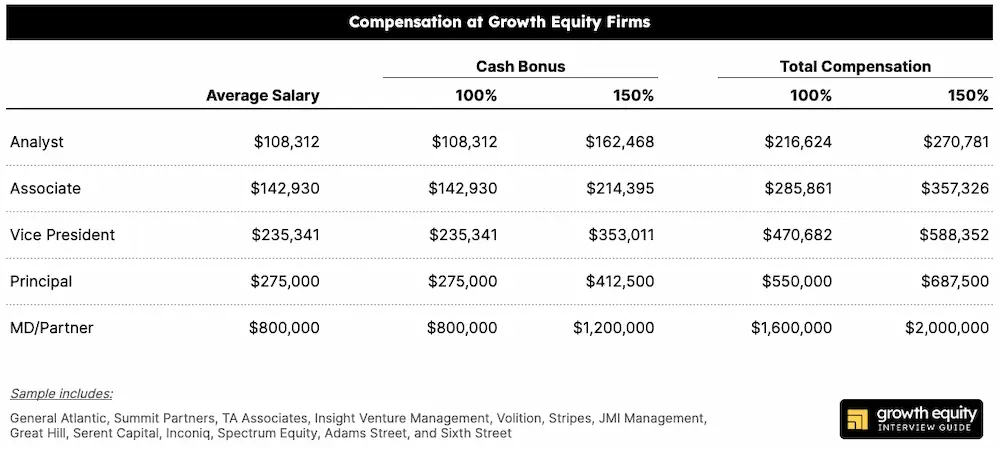
What is the bonus range for venture capital?
What Determines the Bonus Range in Venture Capital?
The bonus range in venture capital is influenced by several factors, including the size of the fund, the performance of the investments, and the role of the individual within the firm. Bonuses are typically tied to the success of the portfolio companies and the overall returns generated by the fund. Key determinants include:
- Fund Performance: Higher returns on investments often lead to larger bonuses.
- Individual Contribution: Professionals who play a critical role in sourcing deals or managing portfolio companies may receive higher bonuses.
- Firm Size: Larger firms with more capital under management may offer more substantial bonuses.
How Are Bonuses Structured in Venture Capital?
Bonuses in venture capital are typically structured as a percentage of the carried interest or management fees earned by the firm. The structure can vary depending on the firm's policies and the individual's seniority. Common structures include:
See Also Can Founders of a Failed Startup Be Sued Individually by Their Angel or Vc Investors
- Carried Interest: A share of the profits from successful exits, usually ranging from 10% to 20%.
- Management Fee Bonuses: A portion of the annual management fees, often distributed as bonuses.
- Performance-Based Bonuses: Additional rewards for exceeding specific performance benchmarks.
What Is the Typical Bonus Range for Junior Analysts?
Junior analysts in venture capital typically receive smaller bonuses compared to senior professionals. The range can vary widely but generally falls between 10% to 30% of their base salary. Factors influencing this range include:
- Firm Size: Larger firms may offer higher bonuses to attract top talent.
- Performance Metrics: Analysts who contribute significantly to deal sourcing or due diligence may receive higher bonuses.
- Market Conditions: Competitive markets may drive firms to offer more attractive bonus packages.
What Is the Bonus Range for Senior Partners in Venture Capital?
Senior partners in venture capital often receive the highest bonuses, which can range from 50% to 200% of their base salary or more. These bonuses are heavily influenced by:
- Fund Performance: Successful exits and high returns significantly boost bonuses.
- Carried Interest: Senior partners typically receive a larger share of the carried interest.
- Leadership Role: Those in leadership positions may receive additional bonuses for managing the firm effectively.
How Do Bonuses in Venture Capital Compare to Other Industries?
Bonuses in venture capital are often more variable and performance-driven compared to other industries. Key differences include:
- Higher Potential: Venture capital bonuses can be significantly higher due to the potential for large carried interest payouts.
- Performance-Based: Unlike fixed bonuses in some industries, VC bonuses are closely tied to investment success.
- Long-Term Focus: Bonuses may be deferred or tied to long-term fund performance, aligning incentives with long-term success.
Do VC Principals get carry?

What is Carry in Venture Capital?
In venture capital, carry refers to the share of profits that general partners (GPs) receive from the fund's successful investments. It is typically a percentage of the fund's profits, often around 20%, after the limited partners (LPs) have received their initial investment back. Carry serves as a significant incentive for GPs to maximize returns.
- Carry is a performance-based reward for GPs.
- It is calculated after returning the LPs' initial capital and a preferred return.
- The standard carry percentage is 20% of the fund's profits.
Do VC Principals Receive Carry?
Yes, VC principals often receive carry, but the amount and structure depend on their role and seniority within the firm. Principals, who are typically mid-level professionals, may receive a smaller share of the carry compared to partners or managing directors. Their carry is often tied to their contributions to the fund's success.
- Principals may receive a smaller percentage of carry compared to senior partners.
- Their carry is often performance-based and tied to specific deals they lead.
- Some firms offer carry to principals as part of their compensation package to retain talent.
How is Carry Distributed Among VC Principals?
The distribution of carry among VC principals varies by firm. Some firms allocate carry based on seniority, while others use a performance-based model. Principals may receive carry from specific deals they source or manage, or they may share in the overall fund's carry pool.
- Carry distribution is often based on seniority and contribution to the fund.
- Principals may earn carry from specific deals they are involved in.
- Some firms use a pool system where carry is shared among all team members.
What Factors Influence Carry for VC Principals?
Several factors influence how much carry a VC principal receives, including their role, the firm's structure, and their performance. Principals who consistently source high-performing deals or contribute significantly to the fund's success are more likely to receive a larger share of carry.
- Role and seniority within the firm play a key role in carry allocation.
- Performance metrics, such as deal sourcing and portfolio management, are critical.
- The firm's compensation structure and policies also impact carry distribution.
Can VC Principals Negotiate Their Carry?
Yes, VC principals can negotiate their carry, especially when joining a new firm or being promoted. However, the ability to negotiate depends on their track record, the firm's policies, and their leverage within the organization. Principals with a strong history of successful investments may have more bargaining power.
- Negotiation is possible, particularly during hiring or promotion discussions.
- A strong track record of successful deals increases leverage in negotiations.
- Firm policies and culture also influence the negotiation process.
How much does a principal make at VC?
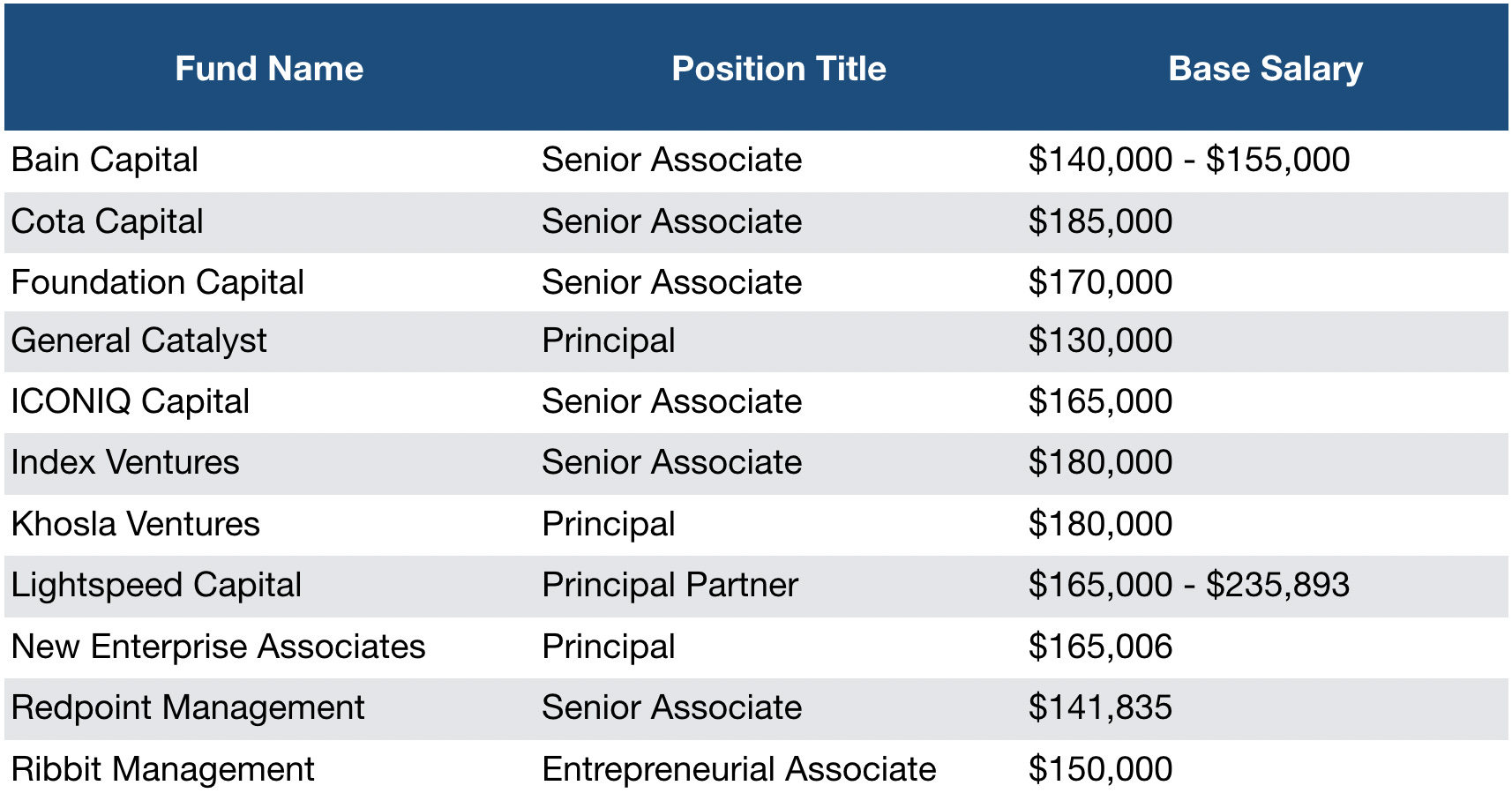
What is the Average Salary of a Principal at a Venture Capital Firm?
The average salary for a Principal at a venture capital (VC) firm typically ranges between $200,000 and $300,000 per year. However, this figure can vary significantly depending on factors such as the firm's size, location, and performance. Principals often receive additional compensation in the form of bonuses and carried interest, which can substantially increase their total earnings.
- Base Salary: Typically ranges from $150,000 to $250,000 annually.
- Bonuses: Can add an additional $50,000 to $100,000 or more, depending on the firm's success.
- Carried Interest: A share of the profits from investments, which can significantly boost long-term earnings.
How Does Experience Impact a Principal's Salary in VC?
Experience plays a crucial role in determining a Principal's salary in the venture capital industry. Those with more years of experience or a proven track record of successful investments can command higher compensation. Entry-level Principals may start at the lower end of the salary range, while seasoned professionals can earn well above the average.
- Entry-Level Principals: Typically earn closer to $200,000 annually.
- Mid-Level Principals: With 5-10 years of experience, salaries can range from $250,000 to $350,000.
- Senior-Level Principals: Those with over 10 years of experience can earn $400,000 or more, including bonuses and carried interest.
What Factors Influence a Principal's Compensation in VC?
Several factors influence the compensation of a Principal in venture capital, including the firm's performance, geographic location, and the individual's role within the firm. Principals at top-tier firms in major financial hubs like Silicon Valley or New York City often earn more than those at smaller firms in less competitive markets.
- Firm Performance: High-performing firms tend to offer higher salaries and bonuses.
- Geographic Location: Principals in major financial centers often earn more due to higher costs of living and greater competition.
- Role and Responsibilities: Principals with more significant responsibilities, such as leading investment decisions, may receive higher compensation.
How Does Carried Interest Affect a Principal's Earnings?
Carried interest is a significant component of a Principal's compensation in venture capital. It represents a share of the profits from successful investments, typically around 20% of the fund's returns. This can lead to substantial earnings, especially if the firm has a strong performance record.
- Profit Sharing: Principals typically receive a percentage of the fund's profits, often around 20%.
- Long-Term Earnings: Carried interest can result in significant payouts over time, especially from successful exits.
- Performance-Based: The amount of carried interest earned depends on the fund's overall performance.
What is the Difference Between a Principal and a Partner in VC Compensation?
In venture capital, Principals and Partners have different compensation structures. While Principals earn a base salary and bonuses, Partners often receive a larger share of the carried interest and may have equity in the firm. This difference reflects the higher level of responsibility and ownership that Partners typically hold.
- Base Salary: Principals and Partners may have similar base salaries, but Partners often earn more due to their seniority.
- Carried Interest: Partners usually receive a larger share of the carried interest compared to Principals.
- Equity Stake: Partners may have an equity stake in the firm, providing additional long-term financial benefits.
How much is carry worth in VC?
What is Carry in Venture Capital?
Carry, or carried interest, is the share of profits that venture capital (VC) fund managers receive from successful investments. It is typically a percentage of the fund's profits, usually around 20%, after returning the initial capital to investors. This serves as a performance incentive for fund managers to maximize returns.
- Carry is a profit-sharing mechanism between VC fund managers and investors.
- It is calculated after returning the initial capital and often after a hurdle rate (a minimum return threshold).
- The standard carry percentage is 20%, though it can vary depending on the fund's terms.
How is Carry Calculated in VC?
Carry is calculated based on the profits generated by the fund. First, the fund must return the initial capital to its investors. After this, a hurdle rate (e.g., 8% annual return) may be applied. Only the profits above these thresholds are subject to carry, with the fund managers typically receiving 20% of the excess profits.
- Return initial capital to investors first.
- Apply the hurdle rate if specified in the fund agreement.
- Distribute 20% of the remaining profits as carry to fund managers.
What Factors Influence the Value of Carry?
The value of carry depends on several factors, including the performance of the fund, the size of the fund, and the terms of the agreement. A high-performing fund with significant exits can generate substantial carry, while smaller or underperforming funds may yield little to no carry.
- Fund performance: Higher returns increase the value of carry.
- Fund size: Larger funds can generate more absolute profits, increasing carry.
- Agreement terms: Hurdle rates and carry percentages can vary.
Why is Carry Important for VC Fund Managers?
Carry is a critical component of a VC fund manager's compensation, aligning their interests with those of the investors. It incentivizes managers to seek high-growth investments and achieve successful exits, as their earnings are directly tied to the fund's performance.
- Aligns interests between fund managers and investors.
- Encourages pursuit of high-growth opportunities.
- Rewards successful exits and portfolio performance.
What are the Risks Associated with Carry?
While carry can be highly lucrative, it also comes with risks. Fund managers only earn carry if the fund performs well, meaning they may receive no compensation if the fund underperforms. Additionally, carry is often subject to vesting periods and clawback provisions, which can limit or reclaim earnings under certain conditions.
- Performance risk: No carry if the fund underperforms.
- Vesting periods: Carry may be earned over time.
- Clawback provisions: Earnings can be reclaimed if future losses occur.
Frequently Asked Questions (FAQs)
What is the standard carry bonus for an associate at a VC firm?
The standard carry bonus for an associate at a venture capital (VC) firm typically ranges between 0.1% to 0.5% of the fund's carried interest. This percentage can vary depending on the firm's size, structure, and the associate's level of experience. Associates, being junior members of the team, usually receive a smaller share compared to more senior roles like principals or partners. The carry bonus is often tied to the fund's performance and is distributed after the firm achieves its hurdle rate and returns capital to its limited partners (LPs).
How does the carry bonus for a principal differ from that of an associate?
The carry bonus for a principal at a VC firm is generally higher than that of an associate, typically ranging from 0.5% to 2% of the fund's carried interest. Principals, being more senior and often involved in deal sourcing, due diligence, and portfolio management, are compensated more significantly for their contributions. The exact percentage depends on the firm's policies, the principal's experience, and their role in driving the fund's success. Unlike associates, principals may also have more influence over the distribution of carry within the firm.
What factors influence the carry bonus for associates and principals in VC firms?
Several factors influence the carry bonus for associates and principals in VC firms. These include the firm's size, the fund's performance, the individual's role and experience, and the firm's overall compensation structure. Larger, more established firms may offer higher carry percentages, while smaller or newer firms might provide lower percentages but with greater potential for growth. Additionally, individuals who play a critical role in sourcing high-performing deals or managing portfolio companies may negotiate higher carry bonuses.
Is the carry bonus guaranteed for associates and principals in VC firms?
No, the carry bonus is not guaranteed for associates or principals in VC firms. It is contingent on the fund's performance and the firm's ability to generate returns above the hurdle rate. If the fund underperforms or fails to meet its targets, the carry bonus may not be distributed. Additionally, the allocation of carry is often subject to vesting schedules, meaning individuals may need to remain with the firm for a certain period to fully realize their share of the carried interest.
Leave a Reply
Our Recommended Articles