
Connecticut LLC Operating Agreement

A Connecticut LLC Operating Agreement serves as a foundational document outlining the structure, management, and operational guidelines for a limited liability company within the state. While Connecticut law does not legally require LLCs to adopt an operating agreement, drafting one is strongly recommended to establish clear rules for ownership, profit distribution, decision-making, and member responsibilities. This customizable document helps prevent disputes by defining roles, processes for adding or removing members, and protocols for dissolution. By formalizing these details, businesses can maintain compliance, protect limited liability status, and adapt the agreement to meet specific needs. A well-crafted operating agreement ensures clarity and legal safeguards for all parties involved.
- Understanding the Connecticut LLC Operating Agreement: Key Components and Legal Requirements
-
Is an operating agreement required for an LLC in Connecticut?
- Is an Operating Agreement Legally Required for an LLC in Connecticut?
- Why Should a Connecticut LLC Have an Operating Agreement?
- What Happens If a Connecticut LLC Operates Without an Agreement?
- Key Clauses to Include in a Connecticut LLC Operating Agreement
- How to Draft an Operating Agreement for a Connecticut LLC
-
Can I write my own operating agreement for my LLC?
- Can I Write My Own Operating Agreement for My LLC?
- Benefits of Drafting Your Own Operating Agreement
- Legal Requirements and State Compliance
- Common Mistakes to Avoid When Writing an Operating Agreement
- Essential Clauses to Include in Your Operating Agreement
- When to Seek Professional Legal Assistance
- Does an LLC always have an operating agreement?
- What are the pitfalls of an LLC operating agreement?
- Frequently Asked Questions About LLCs (FAQs)
Understanding the Connecticut LLC Operating Agreement: Key Components and Legal Requirements
What Is a Connecticut LLC Operating Agreement?
A Connecticut LLC Operating Agreement is a legally binding document that outlines the ownership structure, management, and operational rules for a limited liability company (LLC) in Connecticut. While not legally required by the state, this agreement is critical for defining member roles, profit distribution, and procedures for resolving disputes. It ensures compliance with Connecticut state laws and protects the LLC’s limited liability status.
See AlsoHow Much Does Liability Insurance for Assisted Living Facilities Cost?| Key Element | Description | Importance |
|---|---|---|
| Member Roles | Defines responsibilities and decision-making authority | Prevents conflicts |
| Profit Distribution | Specifies how profits/losses are allocated | Ensures transparency |
| Dissolution Process | Outlines steps to wind down the LLC | Legal clarity |
Why Your Connecticut LLC Needs an Operating Agreement
Even though Connecticut does not mandate an Operating Agreement, having one prevents legal and financial ambiguities. It safeguards members’ personal assets by reinforcing the LLC’s legal separation from owners. Without it, the LLC defaults to Connecticut’s default state laws, which may not align with members’ intentions.
| Benefit | Explanation |
|---|---|
| Asset Protection | Maintains liability protection |
| Custom Rules | Overrides generic state provisions |
| Dispute Resolution | Provides a framework for handling conflicts |
Key Clauses to Include in a Connecticut LLC Operating Agreement
Critical clauses cover management structure (member-managed vs. manager-managed), voting rights, and procedures for adding/removing members. Including buyout provisions and confidentiality terms ensures long-term stability.
See AlsoLLC Operating Agreement: Montana| Clause | Purpose |
|---|---|
| Capital Contributions | Details initial investments |
| Dissolution Terms | Guides LLC termination |
| Non-Compete Agreements | Protects business interests |
How to Amend a Connecticut LLC Operating Agreement
Amendments require member approval, typically through a majority or supermajority vote as defined in the original agreement. Changes must be documented in writing and filed with the LLC’s records.
| Step | Requirement |
|---|---|
| Proposal | Submit amendment details |
| Voting | Meet quorum and approval thresholds |
| Documentation | Update and redistribute the agreement |
Connecticut LLC Operating Agreement vs. State Default Rules
Without a custom Operating Agreement, Connecticut’s default statutes govern the LLC. These may impose equal profit sharing regardless of ownership percentages and require unanimous consent for major decisions. A tailored agreement avoids these constraints.
See AlsoSuccessful Businesses in Small Towns| Aspect | Operating Agreement | State Default |
|---|---|---|
| Profit Split | Customizable | Equal distribution |
| Decision-Making | Flexible voting rules | Unanimous approval |
Is an operating agreement required for an LLC in Connecticut?
Is an Operating Agreement Legally Required for an LLC in Connecticut?
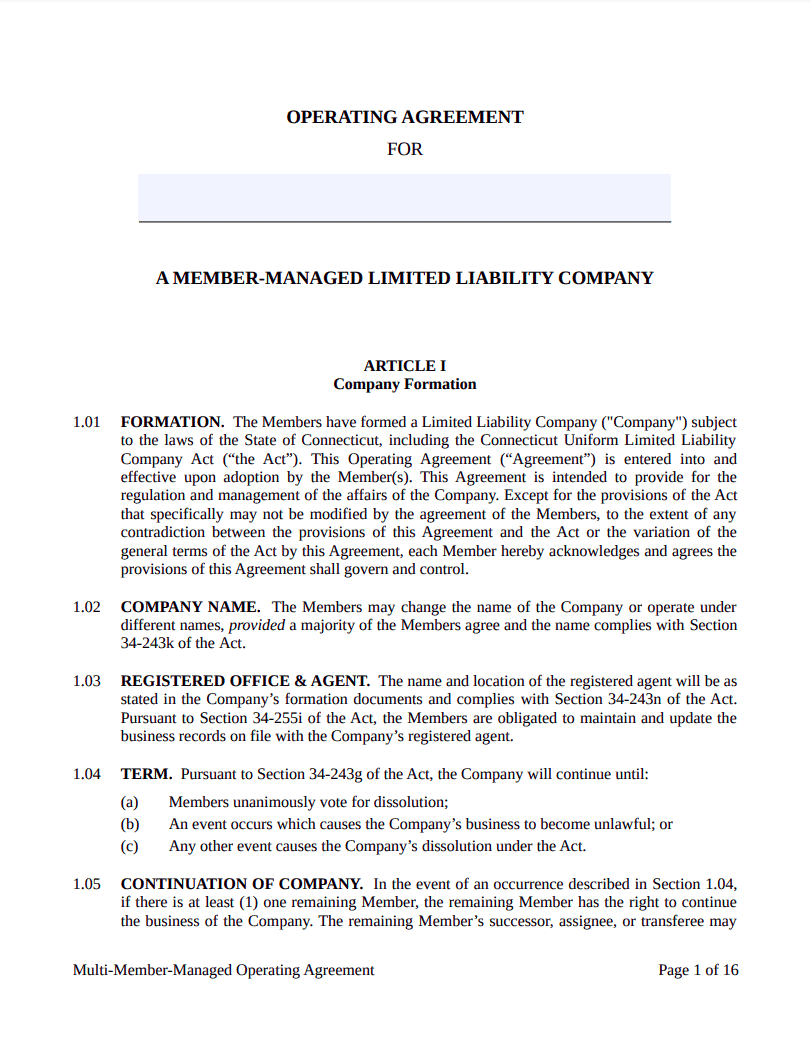
In Connecticut, an operating agreement is not legally required to form or operate an LLC. The state does not mandate LLCs to file or maintain this document. However, while it is optional under Connecticut law, creating an operating agreement is strongly recommended to establish clear rules, member rights, and operational procedures.
- Connecticut LLC Act (Chapter 613) does not require an operating agreement.
- Without one, the LLC defaults to state-mandated rules for governance.
- An operating agreement helps avoid disputes and clarifies ownership structures.
Why Should a Connecticut LLC Have an Operating Agreement?
Even though optional, an operating agreement provides legal and operational benefits for Connecticut LLCs. It ensures members define their roles, profit-sharing arrangements, and decision-making processes, reducing ambiguity and potential conflicts.
- Protects limited liability status by separating personal and business assets.
- Customizes governance instead of relying on generic state laws.
- Provides clarity during member additions, exits, or dissolution.
What Happens If a Connecticut LLC Operates Without an Agreement?
Without an operating agreement, the LLC is governed by default rules under the Connecticut LLC Act. This can lead to unintended consequences, such as equal profit distribution regardless of contributions or unclear dispute resolution processes.
- Default management structure assumes all members have equal authority.
- Disputes may require court intervention due to lack of predefined rules.
- Members risk personal liability if corporate formalities are not upheld.
Key Clauses to Include in a Connecticut LLC Operating Agreement
A well-drafted operating agreement should address critical aspects of the LLC’s operations. Tailoring these clauses ensures alignment with the business’s goals and legal requirements.
- Membership interests and capital contributions.
- Profit/loss allocation methods.
- Procedures for voting, meetings, and management decisions.
- Rules for transferring ownership or dissolving the LLC.
How to Draft an Operating Agreement for a Connecticut LLC
While templates are available, consulting a business attorney ensures compliance with Connecticut law and addresses unique business needs. Steps include:
- Define member roles, responsibilities, and ownership percentages.
- Outline financial processes, including distributions and tax obligations.
- Include dispute resolution mechanisms (e.g., mediation clauses).
- Review and update the agreement periodically as the business evolves.
Can I write my own operating agreement for my LLC?
Can I Write My Own Operating Agreement for My LLC?
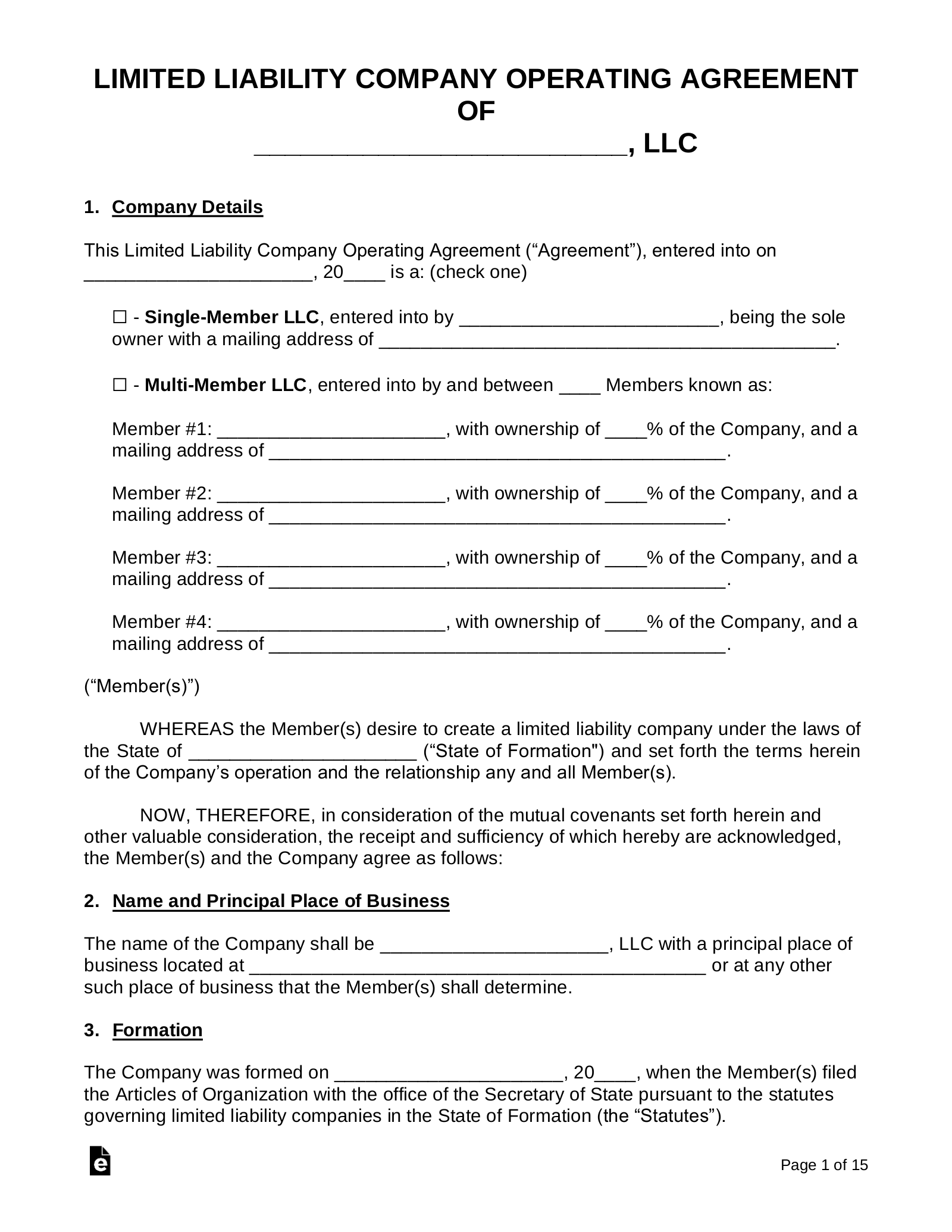
Yes, you can write your own operating agreement for your LLC. Most states do not legally require an operating agreement to be filed, but having one is strongly recommended to define your LLC’s structure, rules, and member roles. While templates and online tools can help, ensure the document aligns with your state’s laws and addresses critical aspects like profit distribution, management, and dispute resolution. However, consulting a legal professional is advisable for complex situations or to avoid oversights.
Benefits of Drafting Your Own Operating Agreement
Creating your own operating agreement offers flexibility and control over your LLC’s governance.
- Customization: Tailor clauses to fit your business’s unique needs, such as voting rights or member exit strategies.
- Cost savings: Avoid attorney fees by using templates or self-drafting tools.
- Clarity: Clearly outline responsibilities, reducing ambiguity among members.
Legal Requirements and State Compliance
While states rarely mandate operating agreements, your document must still comply with local LLC laws.
- State-specific rules: Research regulations on required clauses (e.g., dissolution procedures).
- Mandatory disclosures: Include your LLC’s legal name, principal address, and registered agent.
- Filing: Even if not filed, keep the agreement accessible for legal or financial audits.
Common Mistakes to Avoid When Writing an Operating Agreement
Avoid errors that could invalidate your agreement or lead to disputes.
- Vague language: Use precise terms for roles, profit splits, and decision-making processes.
- Ignoring updates: Revise the agreement if membership changes or laws evolve.
- Overlooking dispute resolution: Define mediation or buyout procedures to handle conflicts.
Essential Clauses to Include in Your Operating Agreement
A robust operating agreement should cover key operational and legal aspects.
- Management structure: Specify whether the LLC is member-managed or manager-managed.
- Profit and loss allocation: Detail how earnings and expenses are distributed.
- Membership changes: Outline processes for adding or removing members.
When to Seek Professional Legal Assistance
While DIY agreements work for simple LLCs, professional help is crucial in certain scenarios.
- Complex ownership structures: Multiple classes of membership or foreign investors.
- Legal uncertainties: Unclear compliance with state or federal regulations.
- High-risk ventures: Businesses with significant assets or liability exposure.
Does an LLC always have an operating agreement?
Is an Operating Agreement Legally Required for an LLC?
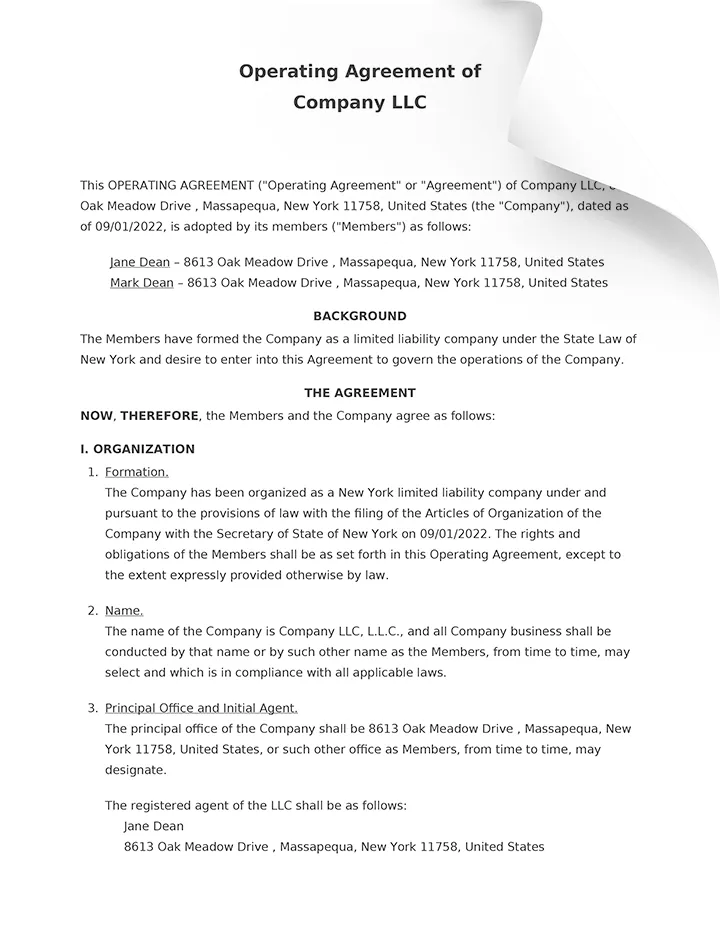
While forming an LLC, most states in the U.S. do not legally require an operating agreement. However, certain states, such as California, New York, and Delaware, mandate LLCs to have one. Even when not required, an operating agreement is strongly recommended to avoid relying on default state rules, which may not align with the members' intentions.
- States like Missouri and Massachusetts do not legally require an operating agreement.
- Mandatory states often require the agreement to be kept internally, not filed with the state.
- Without an agreement, state LLC statutes govern internal disputes or management.
Why Should an LLC Have an Operating Agreement Even If Not Required?
An operating agreement provides legal clarity and structure for LLC members. It defines roles, profit-sharing, decision-making processes, and procedures for disputes or member exits. This document helps protect the company’s limited liability status by demonstrating a formal separation between the business and its owners.
- Clarifies ownership percentages and financial responsibilities.
- Strengthens credibility with banks, investors, or courts.
- Prevents conflicts by outlining rules for adding/removing members.
What Happens If an LLC Operates Without an Operating Agreement?
Without an operating agreement, the LLC is subject to default state laws, which may lead to unintended outcomes. For example, some states require equal profit distribution regardless of ownership stakes, and disputes may require costly litigation to resolve.
- Members lose control over governance rules.
- Disputes may escalate due to unclear roles or procedures.
- Potential personal liability risks if the LLC’s structure is challenged.
What Key Clauses Should an LLC Operating Agreement Include?
A well-drafted operating agreement should cover management structure, profit distribution, voting rights, and dissolution procedures. Including buyout provisions and dispute resolution methods ensures preparedness for unexpected scenarios.
- Management roles (member-managed vs. manager-managed).
- Processes for transferring ownership interests.
- Rules for amending the agreement or dissolving the LLC.
How Do State Laws Affect LLC Operating Agreements?
State laws influence whether an operating agreement is required and how it’s enforced. For example, Delaware allows maximum flexibility in drafting agreements, while California imposes specific content requirements, such as fiduciary duties for managers.
- Check state statutes for mandatory clauses or formalities.
- Some states require annual updates or notarization.
- Jurisdiction-specific rules may override silent provisions in the agreement.
What are the pitfalls of an LLC operating agreement?
1. Vague or Incomplete Management Structure
One common pitfall of an LLC operating agreement is failing to clearly define the management structure. Ambiguities about roles, decision-making authority, and responsibilities can lead to conflicts among members. For example, without explicit guidelines, disputes may arise over who controls daily operations or approves major financial decisions.
- Unclear roles for members vs. managers can create power struggles.
- Lack of defined voting thresholds for critical decisions may stall operations.
- Failure to outline succession plans risks instability if a member exits.
2. Inadequate Profit and Loss Distribution Terms
Poorly drafted provisions about profit and loss allocation can result in inequitable outcomes. If the agreement does not specify how distributions are calculated or timed, members may disagree on fairness, especially if contributions (capital, labor, etc.) vary.
- Assuming equal splits despite unequal capital contributions breeds resentment.
- Ignoring tax implications of allocated vs. distributed profits may lead to unexpected liabilities.
- No clarity on reinvestment policies can hinder business growth.
3. Overlooking Dispute Resolution Mechanisms
Many LLC agreements lack enforceable dispute resolution protocols, leaving members vulnerable to costly litigation. Without predefined methods to handle conflicts, disagreements over management or finances can paralyze the business.
- Absence of mediation or arbitration clauses forces disputes into court.
- No buyout provisions for dissenting members complicates exits.
- Failure to define deadlock-breaking procedures risks operational gridlock.
4. Failure to Address Amendments and Updates
An operating agreement that doesn’t outline how to amend its terms may become obsolete as the business evolves. Changes in membership, laws, or market conditions often require updates, but unclear amendment processes can lead to stalemates.
- No defined voting requirements for amendments delays necessary changes.
- Ignoring state law updates may render parts of the agreement noncompliant.
- Lack of periodic review schedules allows outdated clauses to persist.
5. Insufficient Dissolution or Exit Strategies
Without clear terms for dissolution or member exits, an LLC may face chaos during transitions. Ambiguities about asset distribution, member buyouts, or winding down operations can trigger legal battles.
- Unclear valuation methods for member interests complicates buyouts.
- No survival clauses for post-dissolution obligations risks liability.
- Failure to plan for voluntary vs. involuntary exits leaves gaps in continuity.
Frequently Asked Questions About LLCs (FAQs)
Is an Operating Agreement required for an LLC in Connecticut?
Connecticut does not legally require LLCs to have an Operating Agreement, but it is highly recommended. Without one, your business will default to the state’s default LLC rules, which may not align with your business goals. An Operating Agreement clarifies ownership structure, management roles, profit distribution, and procedures for resolving disputes, helping to protect limited liability protection and avoid internal conflicts.
What should be included in a Connecticut LLC Operating Agreement?
A comprehensive Connecticut LLC Operating Agreement should outline member ownership percentages, voting rights, management structure (member-managed vs. manager-managed), profit and loss allocation, meeting protocols, and procedures for adding or removing members. It should also address dissolution terms, dispute resolution methods, and rules for amending the agreement. Customizing these provisions ensures the document reflects your LLC’s unique needs.
Can I draft my own Connecticut LLC Operating Agreement?
Yes, you can draft your own Operating Agreement using templates or online tools, but consulting a business attorney is advisable for complex situations. DIY agreements may overlook state-specific legal requirements or fail to address critical operational details. A lawyer ensures compliance with Connecticut state laws and tailors clauses to protect members’ interests, reducing risks of future disputes or liability issues.
How do I amend a Connecticut LLC Operating Agreement?
To amend an Operating Agreement, follow the amendment procedures outlined in the original document. Typically, this requires a majority or supermajority vote by members. Once approved, document the changes in writing, have all members sign the amendment, and store it with your LLC records. Amendments do not need to be filed with the Connecticut Secretary of State, but they must align with state LLC regulations.
Leave a Reply
Our Recommended Articles