
What Are the Top Tier Vc Firms for Enterprise Saas?


The enterprise Software-as-a-Service (SaaS) sector has become a cornerstone of modern business innovation, driving efficiency, scalability, and digital transformation across industries. As startups in this space seek to scale and disrupt traditional markets, securing funding from top-tier venture capital (VC) firms can be a game-changer. These firms not only provide capital but also offer strategic guidance, industry connections, and operational expertise. Identifying the leading VC firms specializing in enterprise SaaS is crucial for founders aiming to accelerate growth and achieve long-term success. This article explores the most prominent VC players in the enterprise SaaS ecosystem, highlighting their investment philosophies, notable portfolio companies, and what sets them apart in a competitive landscape.
- What Are the Top Tier VC Firms for Enterprise SaaS?
- Who are the Tier 1 VCs?
- What is the most prestigious VC firm?
- What is the top VC CRM?
- What is the hierarchy in a VC?
-
Frequently Asked Questions by our Community
- What are the top-tier VC firms specializing in Enterprise SaaS investments?
- Why are these VC firms considered leaders in the Enterprise SaaS space?
- What criteria do top-tier VC firms use to evaluate Enterprise SaaS startups?
- How can Enterprise SaaS startups attract investment from top-tier VC firms?
What Are the Top Tier VC Firms for Enterprise SaaS?
1. Overview of Top Tier VC Firms in Enterprise SaaS
The Enterprise SaaS sector has attracted significant attention from venture capital (VC) firms due to its scalability and recurring revenue models. Top-tier VC firms are those with a proven track record of investing in successful SaaS companies, providing not only capital but also strategic guidance and industry connections. These firms often focus on early-stage and growth-stage investments, helping startups scale rapidly and achieve market dominance.
See Also What's the Reputation of Dcm Venture Capital?
2. Key Players in Enterprise SaaS Venture Capital
Some of the most prominent VC firms in the Enterprise SaaS space include Sequoia Capital, Andreessen Horowitz, Accel, Bessemer Venture Partners, and Insight Partners. These firms have consistently backed high-growth SaaS companies like Salesforce, Slack, and Zoom, demonstrating their ability to identify and nurture market leaders.
3. Investment Criteria for Top Tier VC Firms
Top-tier VC firms evaluate Enterprise SaaS startups based on several key factors. These include the team's expertise, product-market fit, scalability, revenue growth, and customer retention rates. Additionally, they look for startups with a clear competitive advantage and a strong vision for innovation.
See Also Do Vc Firms Invest in Start Up Retail Companies Looking to Franchise for Scalability
4. Benefits of Partnering with Top Tier VC Firms
Partnering with a top-tier VC firm offers numerous advantages for Enterprise SaaS companies. Beyond funding, these firms provide mentorship, industry expertise, and access to a vast network of potential customers, partners, and talent. They also assist with go-to-market strategies, product development, and scaling operations.
5. Notable Enterprise SaaS Success Stories
Several Enterprise SaaS companies have achieved remarkable success with the backing of top-tier VC firms. For example, Salesforce was supported by Sequoia Capital, while Zoom received funding from Emergence Capital. These success stories highlight the transformative impact of partnering with the right VC firm.
See Also Why Are Venture Capital Funds Mostly for Tech Startups?
| VC Firm | Notable Investments | Focus Area |
|---|---|---|
| Sequoia Capital | Salesforce, Zoom, Dropbox | Early-stage, Growth-stage |
| Andreessen Horowitz | Slack, GitHub, Okta | Enterprise SaaS, Cloud Infrastructure |
| Accel | Atlassian, Qualtrics, UiPath | B2B SaaS, AI-driven Solutions |
| Bessemer Venture Partners | Twilio, Shopify, LinkedIn | Cloud Computing, SaaS Platforms |
| Insight Partners | Twitter, DocuSign, Wix | Growth-stage, Enterprise Software |
Who are the Tier 1 VCs?
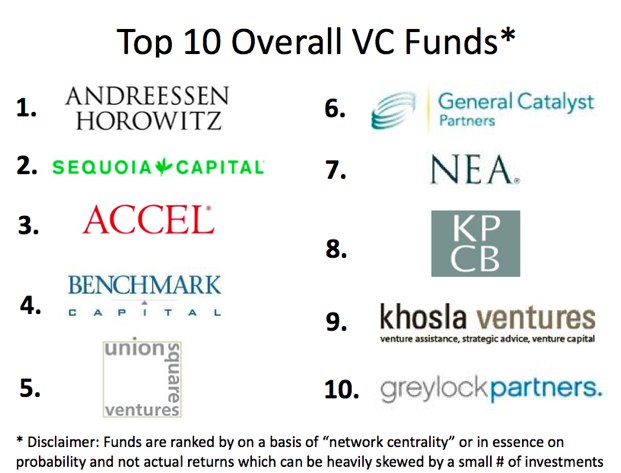
What Defines a Tier 1 Venture Capital Firm?
Tier 1 venture capital firms are defined by their reputation, track record, and influence in the startup ecosystem. These firms are known for:
See Also How Do I Write a Good Cover Letter for a Internship at a Venture Capital Firm
- High-profile investments in successful companies like Facebook, Uber, and Airbnb.
- Extensive networks that provide startups with access to top talent, advisors, and follow-on funding.
- Large fund sizes, often managing billions of dollars, allowing them to lead significant funding rounds.
Top Tier 1 Venture Capital Firms in the Industry
Some of the most prominent Tier 1 VCs include:
- Sequoia Capital: Known for early investments in Apple, Google, and WhatsApp.
- Andreessen Horowitz (a16z): A leader in tech investments, backing companies like Twitter and Coinbase.
- Accel: Famous for its early stake in Facebook and other unicorns like Slack.
How Tier 1 VCs Differ from Other Venture Capital Firms
Tier 1 VCs stand out due to their:
- Global presence, with offices in major tech hubs like Silicon Valley, New York, and London.
- Ability to lead large funding rounds, often providing the majority of capital in Series A and beyond.
- Brand recognition, which attracts top-tier startups seeking credibility and resources.
The Investment Strategy of Tier 1 Venture Capital Firms
Tier 1 VCs typically focus on:
- Early-stage investments in high-potential startups with disruptive ideas.
- Sector specialization, such as tech, biotech, or fintech, to leverage deep expertise.
- Long-term partnerships, offering mentorship and strategic guidance beyond just funding.
Why Startups Seek Funding from Tier 1 VCs
Startups aim to partner with Tier 1 VCs because:
- Access to resources: These firms provide not just capital but also operational support and connections.
- Validation: Being backed by a Tier 1 VC signals credibility to other investors and the market.
- Scalability: Tier 1 VCs have the experience and network to help startups scale globally.
What is the most prestigious VC firm?
What Defines a Prestigious VC Firm?
A prestigious venture capital (VC) firm is typically defined by its track record of successful investments, the caliber of its portfolio companies, and its reputation within the industry. These firms often have a history of backing groundbreaking startups that have gone on to become industry leaders. Key factors include:
- High-profile exits: Successful IPOs or acquisitions of portfolio companies.
- Influence and network: Strong connections with top entrepreneurs, investors, and corporations.
- Brand recognition: A well-known name that attracts top-tier startups.
Top Contenders for the Most Prestigious VC Firm
Several VC firms are often cited as the most prestigious due to their consistent performance and influence. These include:
- Sequoia Capital: Known for early investments in Apple, Google, and Airbnb.
- Andreessen Horowitz (a16z): Renowned for backing companies like Facebook, Twitter, and Coinbase.
- Accel: Famous for its investment in Facebook and other tech giants.
Sequoia Capital: A Case Study in Prestige
Sequoia Capital is often regarded as one of the most prestigious VC firms globally. Its reputation is built on:
- Early-stage investments: Identifying and funding startups with high growth potential.
- Global presence: Operations in the U.S., China, India, and Southeast Asia.
- Long-term partnerships: Working closely with founders to scale their businesses.
Andreessen Horowitz: Innovation and Influence
Andreessen Horowitz has carved out a unique position in the VC world by focusing on:
- Disruptive technologies: Investing in areas like blockchain, AI, and biotech.
- Thought leadership: Publishing influential research and hosting industry events.
- Founder-friendly approach: Prioritizing the needs and visions of entrepreneurs.
Accel: A Legacy of High-Impact Investments
Accel has established itself as a top-tier VC firm through:
- Landmark deals: Early investment in Facebook and other unicorns.
- Sector expertise: Deep knowledge in software, SaaS, and enterprise tech.
- Global reach: Strong presence in both the U.S. and international markets.
What is the top VC CRM?

What is the Top VC CRM?
The top Venture Capital (VC) CRM is a tool designed to help venture capital firms manage their relationships, deal flow, and portfolio companies efficiently. The most popular VC CRM platforms include Affinity, Salesforce, HubSpot, DealCloud, and Pipedrive. These platforms are tailored to meet the specific needs of VC firms, such as tracking investments, managing contacts, and analyzing data.
Key Features of Top VC CRMs
Top VC CRMs offer a range of features that make them indispensable for venture capital firms. These features include:
- Deal Flow Management: Streamlines the process of tracking and evaluating potential investments.
- Contact Management: Centralizes all contact information for easy access and communication.
- Analytics and Reporting: Provides insights into investment performance and market trends.
Why Affinity is a Top Choice for VC Firms
Affinity is highly regarded among VC firms due to its intuitive interface and powerful features. Key reasons include:
- Relationship Intelligence: Automatically tracks and updates relationship data.
- Deal Pipeline Management: Offers robust tools for managing and prioritizing deals.
- Integration Capabilities: Seamlessly integrates with other tools like Gmail and Slack.
Salesforce for Venture Capital
Salesforce is another leading CRM platform used by VC firms. Its strengths include:
- Customization: Highly customizable to fit the unique needs of each firm.
- Scalability: Can grow with the firm, handling increasing amounts of data and users.
- Advanced Analytics: Provides deep insights through advanced reporting tools.
HubSpot for VC Firms
HubSpot is a versatile CRM that is also popular among VC firms. Its advantages include:
- User-Friendly Interface: Easy to use, even for those without technical expertise.
- Marketing Automation: Integrates marketing tools to help firms attract and nurture leads.
- Cost-Effective: Offers a range of pricing plans to suit different budgets.
DealCloud for Investment Management
DealCloud is specifically designed for investment management, making it a top choice for VC firms. Its key features include:
- Deal and Pipeline Management: Comprehensive tools for managing the entire deal lifecycle.
- Portfolio Monitoring: Tracks the performance of portfolio companies in real-time.
- Collaboration Tools: Facilitates teamwork with shared workspaces and communication tools.
What is the hierarchy in a VC?

Understanding the Structure of a Venture Capital Firm
The hierarchy in a venture capital (VC) firm is typically structured to ensure efficient decision-making and management of investments. The roles and responsibilities are clearly defined, with each level contributing to the overall success of the firm. Below is a breakdown of the key roles:
- General Partners (GPs): These are the senior executives who manage the fund, make investment decisions, and oversee portfolio companies.
- Limited Partners (LPs): These are the investors who provide the capital for the fund but do not participate in day-to-day operations.
- Venture Partners: These individuals often work on a part-time basis, assisting with deal sourcing and portfolio management.
- Principals: They are mid-level professionals who play a key role in deal execution and due diligence.
- Associates: These are junior professionals who support the team with research, analysis, and administrative tasks.
Roles and Responsibilities of General Partners
General Partners (GPs) are at the top of the VC hierarchy and hold significant responsibilities. They are the decision-makers and the face of the firm. Their duties include:
- Fundraising: GPs are responsible for raising capital from Limited Partners to create the investment fund.
- Investment Decisions: They evaluate potential investments, negotiate terms, and decide which startups to fund.
- Portfolio Management: GPs oversee the performance of portfolio companies and provide strategic guidance.
- Exit Strategies: They plan and execute exit strategies, such as IPOs or acquisitions, to realize returns on investments.
The Role of Limited Partners in VC Firms
Limited Partners (LPs) are the financial backbone of a VC firm. They provide the capital but do not engage in the daily operations. Their involvement includes:
- Capital Commitment: LPs commit a certain amount of capital to the fund, which is drawn down as needed.
- Passive Involvement: Unlike GPs, LPs do not participate in investment decisions or management.
- Returns Expectation: LPs expect a return on their investment, typically through carried interest and management fees.
- Diversification: By investing in multiple VC funds, LPs diversify their investment portfolios.
Venture Partners and Their Contribution
Venture Partners play a unique role in the VC hierarchy, often bridging the gap between full-time GPs and external networks. Their contributions include:
- Deal Sourcing: They leverage their networks to identify and source potential investment opportunities.
- Mentorship: Venture Partners often provide mentorship and strategic advice to portfolio companies.
- Part-Time Engagement: Unlike GPs, they may not be full-time employees but contribute on a project or deal basis.
- Industry Expertise: They bring specialized knowledge and experience in specific industries or sectors.
Principals and Associates: The Operational Backbone
Principals and Associates form the operational backbone of a VC firm, handling the day-to-day activities that keep the firm running smoothly. Their roles include:
- Due Diligence: Principals and Associates conduct thorough research and analysis on potential investments.
- Deal Execution: They assist in negotiating terms, preparing investment memos, and closing deals.
- Portfolio Support: They provide ongoing support to portfolio companies, including monitoring performance and assisting with follow-on funding.
- Market Research: Associates often conduct market research to identify emerging trends and investment opportunities.
Frequently Asked Questions by our Community
What are the top-tier VC firms specializing in Enterprise SaaS investments?
Top-tier venture capital (VC) firms that focus on Enterprise SaaS include names like Sequoia Capital, Andreessen Horowitz (a16z), Accel, and Bessemer Venture Partners. These firms have a proven track record of identifying and nurturing high-growth SaaS companies. They provide not only capital but also strategic guidance, industry connections, and operational expertise to help startups scale effectively. Their portfolios often include some of the most successful SaaS companies, such as Salesforce, Slack, and Zoom.
Why are these VC firms considered leaders in the Enterprise SaaS space?
These VC firms are considered leaders because of their deep expertise in the Enterprise SaaS market, their ability to spot emerging trends, and their extensive networks within the tech industry. They often invest early in startups with disruptive potential and support them through multiple funding rounds. Additionally, their teams include seasoned professionals who have firsthand experience in scaling SaaS businesses, which allows them to offer invaluable mentorship and resources to their portfolio companies.
What criteria do top-tier VC firms use to evaluate Enterprise SaaS startups?
Top-tier VC firms evaluate Enterprise SaaS startups based on several key criteria, including market size, product differentiation, team expertise, and traction. They look for startups addressing large and growing markets with a unique value proposition. The founding team's ability to execute and adapt is also critical. Metrics like annual recurring revenue (ARR), customer acquisition cost (CAC), and lifetime value (LTV) are often analyzed to assess the startup's growth potential and scalability.
How can Enterprise SaaS startups attract investment from top-tier VC firms?
To attract investment from top-tier VC firms, Enterprise SaaS startups should focus on demonstrating strong product-market fit, a scalable business model, and a clear competitive advantage. Building a compelling pitch deck that highlights key metrics, customer testimonials, and a vision for growth is essential. Additionally, startups should leverage their networks to secure warm introductions to VC partners, as personal connections often play a significant role in securing funding. Showing early traction, such as significant revenue growth or partnerships with established companies, can also make a startup more appealing to top-tier investors.
Leave a Reply
Our Recommended Articles