
What Kind of Venture Capital Firms Invest in Entertainment Companies or Properties

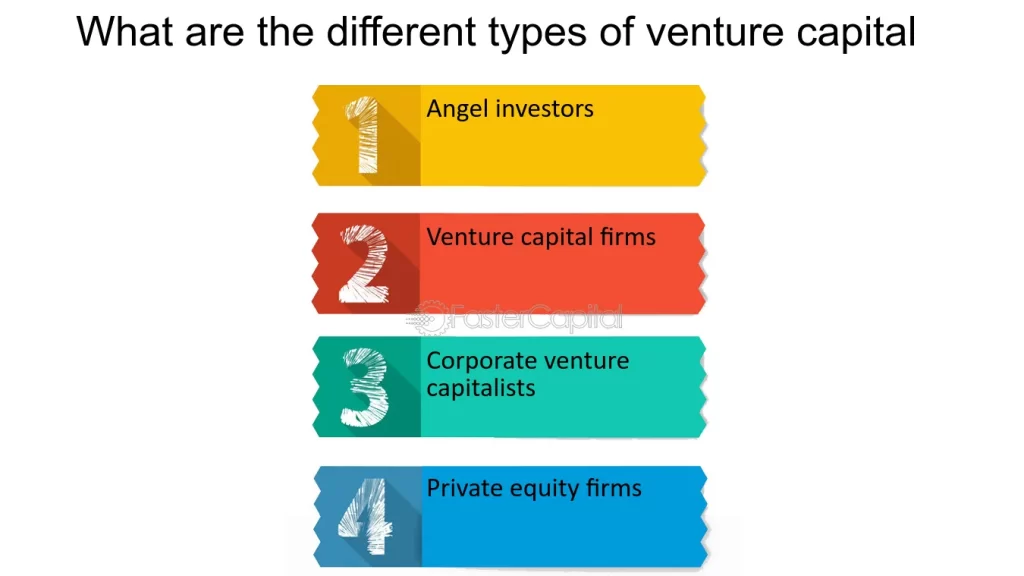
The entertainment industry, encompassing film, television, music, gaming, and live events, has long been a magnet for venture capital firms seeking high-growth opportunities. As consumer preferences evolve and technology reshapes how content is created and consumed, venture capitalists are increasingly drawn to innovative entertainment companies and properties. These firms often target startups leveraging cutting-edge technologies like AI, virtual reality, or blockchain, as well as those with unique intellectual property or scalable business models. Understanding the types of venture capital firms that invest in entertainment—ranging from specialized media-focused funds to generalist investors—provides valuable insight into the trends and strategies shaping the future of this dynamic sector.
- What Kind of Venture Capital Firms Invest in Entertainment Companies or Properties
- What do venture capital firms primarily invest in?
- How to invest in the entertainment industry?
-
Do venture capital firms invest in real estate?
- What is the Role of Venture Capital Firms in Real Estate?
- How Do Venture Capital Firms Differ from Real Estate Investment Firms?
- Can Venture Capital Firms Invest Directly in Real Estate?
- What Types of Real Estate Startups Attract Venture Capital?
- What Are the Risks of Venture Capital Investing in Real Estate?
- What type of companies do venture capitalists invest in?
-
Frequently Asked Questions by our Community
- What types of venture capital firms specialize in entertainment investments?
- What criteria do venture capital firms consider when investing in entertainment companies?
- How do venture capital firms add value to entertainment companies beyond funding?
- What are the risks associated with venture capital investments in the entertainment industry?
What Kind of Venture Capital Firms Invest in Entertainment Companies or Properties
Venture capital firms that invest in entertainment companies or properties typically focus on industries such as film production, music, gaming, streaming platforms, and live events. These firms often seek opportunities in high-growth sectors where innovation and technology play a significant role. They are attracted to companies that demonstrate scalability, unique intellectual property (IP), and the potential to disrupt traditional entertainment models. Below, we explore the types of venture capital firms that specialize in this space and their investment strategies.
See Also What is a Venture Capitalists End Goal?
1. Venture Capital Firms Specializing in Media and Entertainment
These firms focus exclusively on the media and entertainment sector, leveraging their expertise to identify promising startups. They often invest in companies that combine technology with creative content, such as streaming services, virtual reality (VR) experiences, or AI-driven content creation tools. Examples include Andreessen Horowitz and Lightspeed Venture Partners, which have backed innovative entertainment startups.
2. Tech-Oriented Venture Capital Firms
Tech-oriented venture capital firms invest in entertainment companies that integrate cutting-edge technology. This includes gaming platforms, augmented reality (AR) applications, and blockchain-based content distribution systems. These firms prioritize startups that use technology to enhance user engagement and monetization. Notable examples include Sequoia Capital and Accel Partners.
See Also Do Many Venture Capital Firms Sponsor H1 B Visas?
3. Venture Capital Firms with a Focus on Content Creation
Some venture capital firms are particularly interested in content creation and intellectual property (IP). They invest in companies that produce original films, TV shows, music, or digital content. These firms often look for startups with a strong creative team and a proven ability to generate viral or high-demand content. Chernin Group and WndrCo are examples of firms in this category.
4. Venture Capital Firms Supporting Live Events and Experiences
Firms in this category focus on live events, experiential entertainment, and ticketing platforms. They invest in companies that create immersive experiences, such as concerts, festivals, or interactive exhibits. These firms value startups that can scale globally and leverage technology to enhance audience participation. Live Nation Entertainment and Raine Group are active investors in this space.
See Also What Do Operations Roles Look Like at a Venture Capital Firm?
5. Venture Capital Firms Targeting Niche Entertainment Markets
Some venture capital firms specialize in niche markets within the entertainment industry, such as eSports, podcasting, or independent film production. These firms seek out startups that cater to specific audiences or emerging trends. They often provide strategic guidance to help these companies grow within their niche. Bitkraft Ventures (eSports) and Waverley Capital (podcasting) are examples of firms targeting niche markets.
| Type of Venture Capital Firm | Focus Area | Examples |
|---|---|---|
| Media and Entertainment Specialists | Streaming services, VR, AI-driven content | Andreessen Horowitz, Lightspeed Venture Partners |
| Tech-Oriented Firms | Gaming, AR, blockchain | Sequoia Capital, Accel Partners |
| Content Creation Focus | Original films, TV shows, music | Chernin Group, WndrCo |
| Live Events and Experiences | Concerts, festivals, ticketing platforms | Live Nation Entertainment, Raine Group |
| Niche Entertainment Markets | eSports, podcasting, independent films | Bitkraft Ventures, Waverley Capital |
What do venture capital firms primarily invest in?
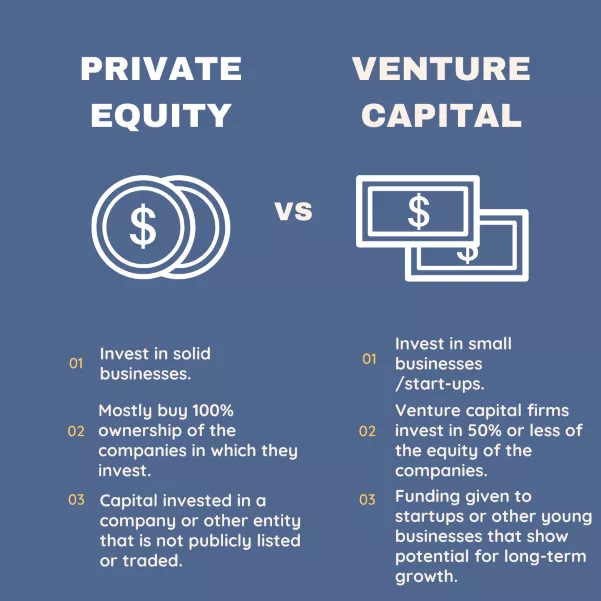
What Types of Companies Do Venture Capital Firms Invest In?
Venture capital firms primarily invest in high-growth potential companies, often in their early stages. These companies are typically in sectors like technology, healthcare, and biotechnology. The focus is on businesses that can scale rapidly and offer significant returns. Key characteristics include:
- Innovative business models with a unique value proposition.
- Strong market potential and scalability.
- Capable and experienced management teams.
Why Do Venture Capital Firms Focus on Startups?
Venture capital firms target startups because they offer the potential for exponential growth and high returns. Startups often lack access to traditional financing, making venture capital a critical source of funding. Key reasons include:
- Startups operate in emerging markets with untapped opportunities.
- They often develop disruptive technologies that can transform industries.
- Early-stage investments allow VCs to acquire significant equity stakes at lower valuations.
What Industries Attract the Most Venture Capital Funding?
Certain industries are more attractive to venture capital firms due to their growth potential and innovation. The most prominent sectors include:
- Technology: Software, artificial intelligence, and fintech.
- Healthcare: Biotech, medical devices, and digital health solutions.
- Clean energy: Renewable energy technologies and sustainability-focused startups.
What Are the Stages of Venture Capital Investment?
Venture capital investments are typically made in various stages of a company's growth. These stages include:
- Seed Stage: Initial funding to develop a product or idea.
- Early Stage: Funding for product development and market entry.
- Growth Stage: Capital to scale operations and expand market reach.
What Criteria Do Venture Capital Firms Use to Evaluate Investments?
Venture capital firms use specific criteria to assess potential investments. These include:
- Market size: The potential for the company to capture a large market share.
- Team expertise: The experience and capability of the founding team.
- Revenue potential: The likelihood of generating significant returns on investment.
How to invest in the entertainment industry?

Understanding the Entertainment Industry Landscape
Investing in the entertainment industry requires a clear understanding of its diverse sectors. The industry includes film production, music, streaming platforms, live events, and gaming. To make informed decisions, consider the following steps:
- Research market trends: Analyze current trends, such as the rise of streaming services or the popularity of virtual concerts.
- Identify growth areas: Focus on sectors with high growth potential, like esports or independent content creation.
- Study consumer behavior: Understand what audiences are consuming and how their preferences are evolving.
Investing in Film and Television Production
Film and television production is a cornerstone of the entertainment industry. To invest wisely, consider the following:
- Partner with established studios: Collaborate with reputable production companies to minimize risks.
- Fund independent projects: Support indie filmmakers or niche content creators for potentially high returns.
- Diversify your portfolio: Invest in a mix of blockbuster films, TV series, and documentaries to spread risk.
Exploring Opportunities in Music and Streaming
The music and streaming sectors have seen exponential growth due to digital transformation. Key investment strategies include:
- Invest in music rights: Acquire royalties or publishing rights to popular songs for long-term income.
- Support emerging artists: Back new talent through record labels or direct funding for potential breakout success.
- Focus on streaming platforms: Consider investing in platforms like Spotify or Apple Music, which dominate the market.
Capitalizing on Live Events and Experiences
Live events, such as concerts, festivals, and theater performances, offer unique investment opportunities. Here’s how to approach this sector:
- Sponsor high-profile events: Gain visibility and returns by sponsoring major concerts or festivals.
- Invest in event technology: Support innovations like virtual reality experiences or ticketing platforms.
- Back local talent: Fund regional artists or performers to build a loyal audience base.
Gaming and Esports: A Growing Investment Frontier
The gaming and esports industry is one of the fastest-growing sectors in entertainment. To invest effectively, consider the following:
- Fund game development: Invest in studios creating popular games or innovative gaming experiences.
- Support esports teams: Back competitive gaming teams or leagues with growing fan bases.
- Explore gaming platforms: Invest in platforms like Twitch or Discord that cater to gamers and content creators.
Do venture capital firms invest in real estate?

What is the Role of Venture Capital Firms in Real Estate?
Venture capital firms primarily focus on investing in startups and high-growth companies, but their involvement in real estate is less common. However, some venture capital firms may invest in proptech (property technology) startups that innovate within the real estate sector. These investments are typically aimed at companies developing disruptive technologies like smart home systems, property management software, or real estate marketplaces.
- Proptech Startups: Venture capital firms often fund startups that use technology to solve real estate challenges.
- Indirect Investments: They may invest indirectly in real estate through technology-driven platforms.
- High-Growth Potential: The focus remains on scalable and innovative solutions rather than traditional real estate assets.
How Do Venture Capital Firms Differ from Real Estate Investment Firms?
Venture capital firms and real estate investment firms operate in fundamentally different ways. Venture capital firms target early-stage companies with high growth potential, while real estate investment firms focus on physical properties like residential, commercial, or industrial real estate. Venture capital firms prioritize equity stakes in companies, whereas real estate investment firms often deal with property acquisitions and management.
- Investment Focus: Venture capital firms invest in companies, while real estate firms invest in properties.
- Risk Profile: Venture capital investments are typically higher risk but offer higher potential returns.
- Time Horizon: Real estate investments often have longer holding periods compared to venture capital.
Can Venture Capital Firms Invest Directly in Real Estate?
While it is uncommon, some venture capital firms may invest directly in real estate, especially if the property is tied to a technology-driven business model. For example, a venture capital firm might invest in a co-living space or a smart building project that aligns with their focus on innovation. However, these cases are exceptions rather than the norm.
- Niche Opportunities: Direct investments are usually limited to niche real estate projects with a tech angle.
- Strategic Alignment: The investment must align with the firm's broader strategy of supporting innovation.
- Limited Scope: Direct real estate investments are rare and often small-scale compared to traditional real estate firms.
What Types of Real Estate Startups Attract Venture Capital?
Venture capital firms are particularly interested in real estate startups that leverage cutting-edge technology to disrupt traditional markets. Examples include online marketplaces for buying and selling properties, AI-driven valuation tools, and blockchain-based property transaction platforms. These startups often offer scalable solutions that can transform the real estate industry.
- Marketplaces: Platforms like Zillow or Redfin that streamline property transactions.
- Valuation Tools: Startups using AI to provide accurate property valuations.
- Blockchain Solutions: Companies using blockchain for secure and transparent property transactions.
What Are the Risks of Venture Capital Investing in Real Estate?
Investing in real estate through venture capital carries unique risks. These include market volatility, regulatory challenges, and the high failure rate of startups. Additionally, real estate startups often require significant capital and time to scale, which can strain venture capital resources.
- Market Volatility: Real estate markets can be unpredictable, affecting startup success.
- Regulatory Hurdles: Compliance with real estate laws can be complex and costly.
- High Failure Rates: Many startups fail to achieve scalability, leading to potential losses.
What type of companies do venture capitalists invest in?

Early-Stage Startups
Venture capitalists often invest in early-stage startups that show high growth potential. These companies are typically in the seed or Series A funding stages and require capital to develop their products, build teams, and scale operations. Key characteristics of such startups include:
- Innovative ideas with the potential to disrupt existing markets.
- A scalable business model that can grow rapidly with investment.
- A strong founding team with expertise in their industry.
Technology-Driven Companies
Venture capitalists are particularly drawn to technology-driven companies that leverage advancements in software, hardware, or artificial intelligence. These companies often operate in sectors like fintech, healthtech, and edtech. Key aspects include:
- Use of cutting-edge technology to solve complex problems.
- High potential for market disruption and scalability.
- Ability to attract top talent and partnerships in the tech industry.
High-Growth Industries
Venture capitalists focus on industries with high-growth potential, such as renewable energy, biotechnology, and e-commerce. These sectors are attractive due to their ability to generate significant returns. Key features include:
- Rapidly expanding markets with increasing demand.
- Opportunities for global expansion and market penetration.
- Alignment with emerging trends and consumer behavior.
Companies with Scalable Business Models
Venture capitalists prioritize companies with scalable business models that can grow exponentially without proportional increases in costs. Examples include SaaS (Software as a Service) platforms and subscription-based services. Key elements include:
- Low marginal costs for serving additional customers.
- Recurring revenue streams that ensure long-term profitability.
- Ability to expand into new markets with minimal additional investment.
Companies with Strong Exit Potential
Venture capitalists seek companies with clear exit strategies, such as IPOs (Initial Public Offerings) or acquisitions by larger firms. These exits provide significant returns on investment. Key considerations include:
- A proven track record of growth and market traction.
- Alignment with the strategic goals of potential acquirers.
- Strong financial performance and valuation potential.
Frequently Asked Questions by our Community
What types of venture capital firms specialize in entertainment investments?
Entertainment-focused venture capital firms are those that specifically target investments in the media, film, music, gaming, and digital content sectors. These firms often have a deep understanding of the entertainment industry, including trends, consumer behavior, and monetization strategies. They may also have connections with key players, such as studios, production companies, and talent agencies, which can help portfolio companies succeed. Examples include firms like Andreessen Horowitz, which has invested in gaming and virtual reality, and Lightspeed Venture Partners, which backs companies in the digital media space.
What criteria do venture capital firms consider when investing in entertainment companies?
Venture capital firms evaluate entertainment companies based on several key factors. These include the quality of the content or intellectual property (IP), the size and growth potential of the target audience, and the strength of the management team. Additionally, they look for innovative business models, such as subscription services, ad-supported platforms, or direct-to-consumer strategies. Firms also assess the company's ability to scale, its competitive advantage, and its alignment with current market trends, such as the rise of streaming services or the growing demand for immersive experiences like virtual reality (VR) and augmented reality (AR).
How do venture capital firms add value to entertainment companies beyond funding?
Beyond providing capital, venture capital firms offer strategic guidance, industry connections, and operational support to entertainment companies. They often help with business development, such as securing partnerships with distributors, platforms, or other content creators. Additionally, they may assist in talent acquisition, helping companies attract top executives or creative professionals. Some firms also provide access to their networks of advisors and mentors, who can offer insights into marketing, technology, and scaling operations. For example, a VC firm might help a gaming studio navigate the complexities of global distribution or advise a media startup on leveraging data analytics to optimize content performance.
What are the risks associated with venture capital investments in the entertainment industry?
Investing in the entertainment industry carries unique risks due to its highly subjective and unpredictable nature. The success of a film, TV show, or game often depends on consumer tastes, which can be difficult to forecast. Additionally, the industry is highly competitive, with significant barriers to entry and high production costs. There is also the risk of intellectual property disputes, regulatory challenges, and rapid technological changes that can disrupt traditional business models. Venture capital firms mitigate these risks by diversifying their portfolios, conducting thorough due diligence, and working closely with portfolio companies to adapt to market shifts.
Leave a Reply
Our Recommended Articles