
Why Are Venture Capital Funds Mostly for Tech Startups?

Venture capital funds have become synonymous with tech startups, often dominating headlines and investment portfolios. But why is this the case? The answer lies in the unique characteristics of the technology sector, which aligns closely with the high-risk, high-reward nature of venture capital. Tech startups often require significant upfront investment to develop innovative products or services, yet they also have the potential for exponential growth and outsized returns. Additionally, the scalability of tech businesses makes them particularly attractive to investors seeking rapid expansion. This article explores the reasons behind the strong connection between venture capital and tech startups, shedding light on the dynamics driving this trend.
Why Are Venture Capital Funds Mostly for Tech Startups?
Venture capital (VC) funds are often associated with tech startups due to the unique characteristics of the technology sector. These funds seek high-growth opportunities, and tech startups typically offer the potential for exponential growth, scalability, and significant returns on investment. Below, we explore the reasons behind this trend in detail.
See AlsoWhat is the Difference Between Kickstarter and Vc Funding?1. High Growth Potential in the Tech Sector
The tech industry is known for its rapid innovation and scalability. Startups in this sector often develop products or services that can reach a global audience quickly, making them attractive to venture capitalists. Unlike traditional businesses, tech startups can scale without proportional increases in costs, leading to higher profit margins.
2. Lower Initial Capital Requirements
Tech startups often require less initial capital compared to industries like manufacturing or retail. This is because they rely heavily on intellectual property, software, and digital platforms rather than physical infrastructure. Venture capitalists are more inclined to invest in businesses that can achieve significant milestones with relatively small amounts of funding.
See Also Whats the Difference Between Growth Equity and Venture Capital
3. Faster Exit Opportunities
The tech sector offers quicker exit opportunities for investors through acquisitions or initial public offerings (IPOs). Large tech companies frequently acquire startups to integrate innovative technologies, providing venture capitalists with a clear path to liquidity. This contrasts with industries where exit strategies may take longer to materialize.
4. Disruptive Innovation and Market Impact
Tech startups often focus on disruptive innovations that can transform entire industries. Venture capitalists are drawn to these opportunities because they promise to create new markets or redefine existing ones. The potential for groundbreaking impact makes tech startups a preferred choice for investment.
See Also Where Can I Find a Searchable Database of Venture Capital Investments by Industry
5. Alignment with Investor Expertise
Many venture capitalists have backgrounds in technology or related fields, making them better equipped to evaluate and support tech startups. Their expertise allows them to identify promising opportunities and provide valuable guidance, increasing the likelihood of success.
| Key Factor | Explanation |
|---|---|
| High Growth Potential | Tech startups can scale rapidly and achieve global reach. |
| Lower Initial Capital | Tech businesses often require less upfront investment. |
| Faster Exits | Acquisitions and IPOs are more common in the tech sector. |
| Disruptive Innovation | Tech startups often create or redefine markets. |
| Investor Expertise | VCs with tech backgrounds can better evaluate opportunities. |
Why is venture capital good for startups?
Access to Significant Funding
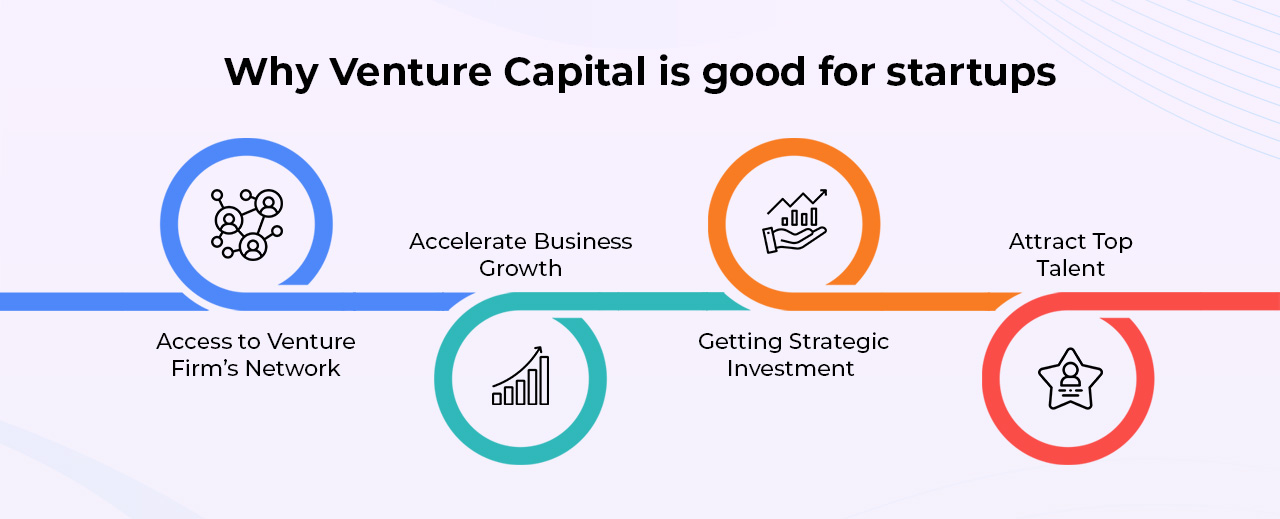
Venture capital provides startups with substantial financial resources that are often unavailable through traditional funding methods. This influx of capital allows startups to:
- Scale operations quickly to meet market demand.
- Invest in research and development to innovate and stay competitive.
- Hire top talent to build a strong team.
Expert Guidance and Mentorship
Venture capitalists bring more than just money; they offer valuable expertise and mentorship. This guidance helps startups in:
- Navigating complex business challenges and avoiding common pitfalls.
- Developing effective strategies for growth and market penetration.
- Building networks with industry leaders and potential partners.
Enhanced Credibility and Visibility
Securing venture capital can significantly boost a startup's credibility and visibility in the market. This can lead to:
- Increased media attention and public interest.
- Greater trust from customers, suppliers, and other stakeholders.
- Improved chances of securing additional funding in the future.
Flexibility in Growth and Expansion
Venture capital allows startups to pursue aggressive growth strategies without the immediate pressure of profitability. This flexibility enables:
- Rapid market expansion into new regions or sectors.
- Investment in long-term projects that may not yield immediate returns.
- Adaptation to market changes and emerging trends.
Venture capitalists share the risks associated with startup ventures, which can be particularly beneficial for new entrepreneurs. This shared responsibility includes:
- Reduced financial burden on the startup founders.
- Access to diverse perspectives and decision-making support.
- Increased resilience in the face of challenges and setbacks.
What is VC funding for tech startups?
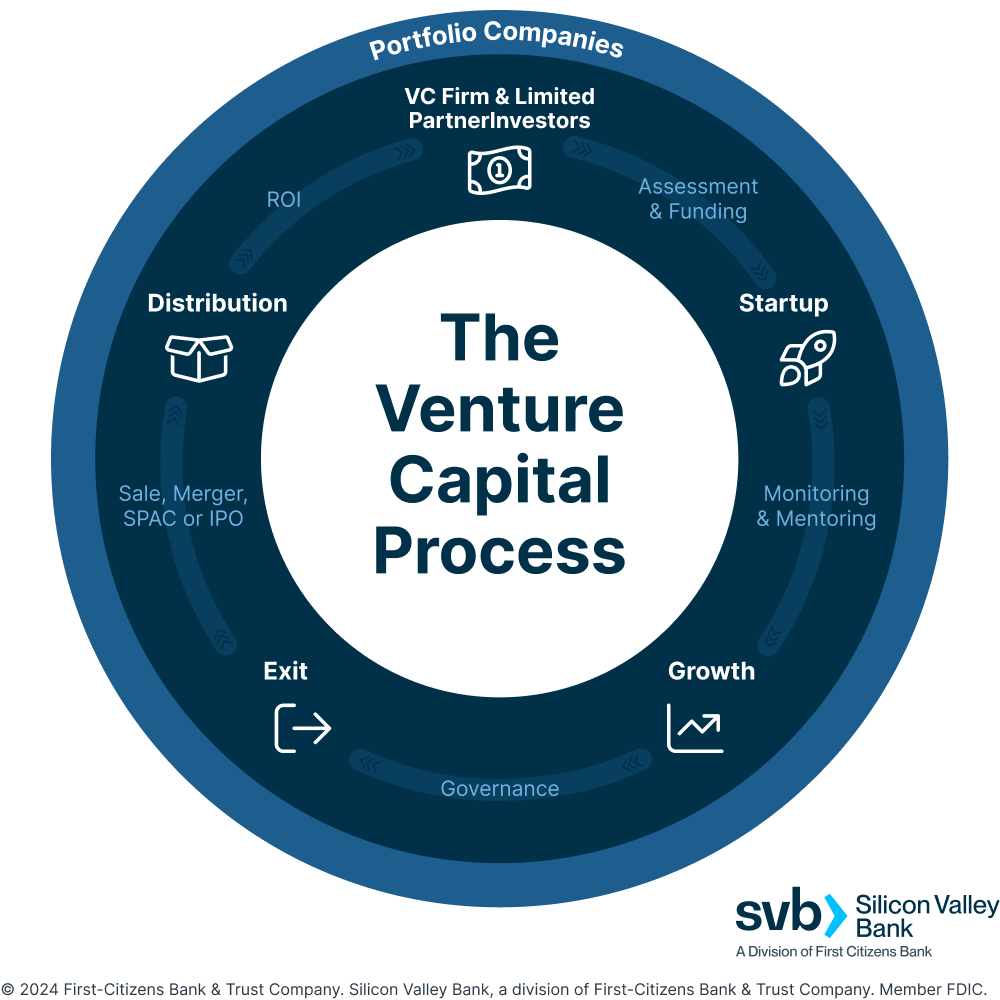
What is Venture Capital (VC) Funding?
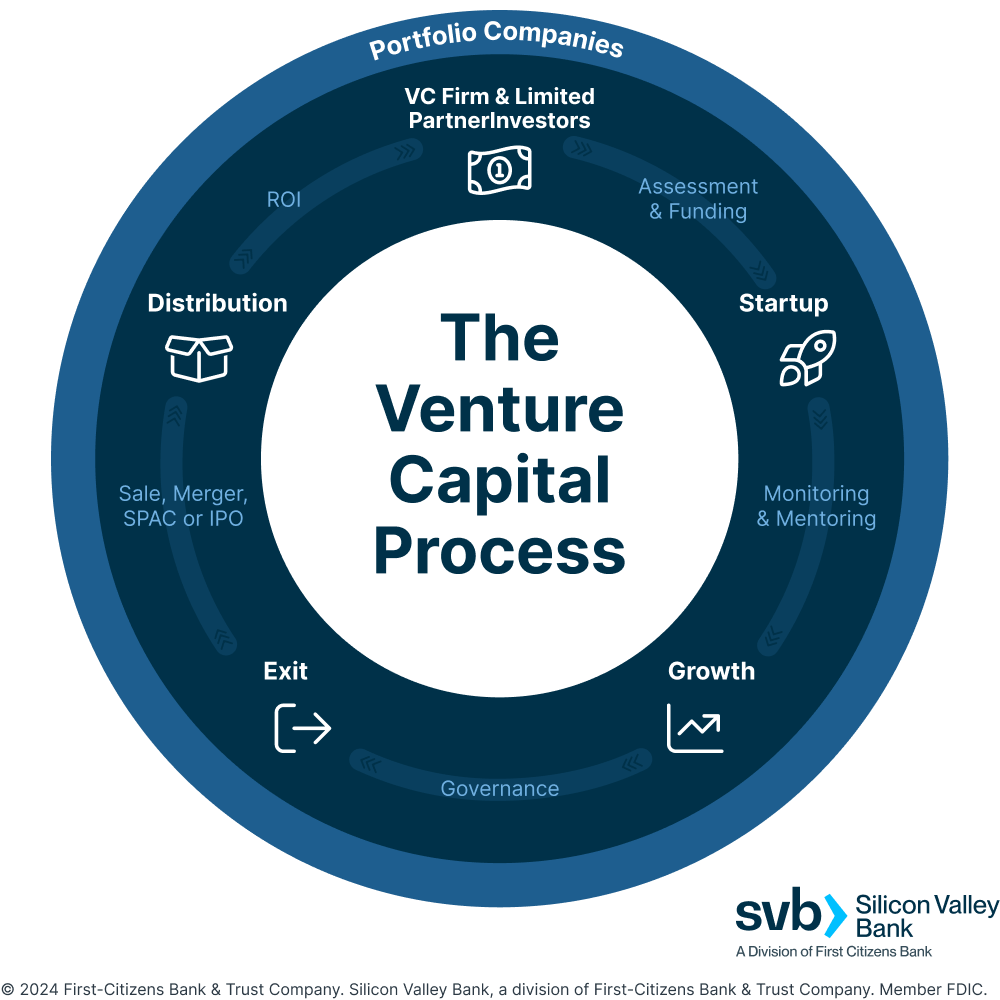
Venture Capital (VC) funding is a type of private equity financing provided by investors to early-stage, high-potential, and often high-risk startups, particularly in the technology sector. These investors, known as venture capitalists, provide capital in exchange for equity or ownership stakes in the company. The goal is to support the growth of the startup and eventually achieve a significant return on investment through an exit strategy, such as an IPO or acquisition.
- VC funding is typically used by startups that have innovative ideas but lack the resources to scale.
- Investors provide not only capital but also mentorship, industry connections, and strategic guidance.
- Startups often go through multiple rounds of funding, such as Seed, Series A, B, and C, to meet different growth milestones.
How Does VC Funding Work?
VC funding involves a structured process where startups pitch their business ideas to venture capitalists. If the investors see potential, they negotiate terms and provide funding in exchange for equity. The process includes due diligence, valuation, and legal agreements to ensure both parties are aligned.
- Startups prepare a pitch deck to present their business model, market opportunity, and growth strategy.
- Venture capitalists evaluate the startup's potential, team, and market fit before making an investment decision.
- Once funded, startups receive ongoing support and oversight from the investors to achieve growth targets.
Why Do Tech Startups Seek VC Funding?
Tech startups often seek VC funding because they require significant capital to develop innovative products, scale operations, and enter competitive markets. Unlike traditional loans, VC funding does not require immediate repayment, allowing startups to focus on growth without financial pressure.
- VC funding provides access to large amounts of capital that are difficult to obtain through other means.
- It helps startups accelerate their growth by funding research, development, and marketing efforts.
- Venture capitalists bring expertise and networks that can open doors to partnerships and customers.
What Are the Stages of VC Funding?
VC funding occurs in multiple stages, each corresponding to a specific phase of a startup's growth. These stages include Seed, Series A, Series B, and Series C, with each round addressing different needs such as product development, market expansion, or scaling operations.
- Seed funding is the initial investment used to validate the business idea and build a prototype.
- Series A funding focuses on optimizing the product and achieving market fit.
- Series B and C rounds are aimed at scaling the business, entering new markets, and increasing revenue.
What Are the Risks and Rewards of VC Funding?
VC funding offers significant rewards but also comes with risks. For startups, the reward is access to capital and resources to grow rapidly. For investors, the reward is the potential for high returns. However, both parties face the risk of failure, as many startups do not succeed.
- Startups risk losing equity and control over their company in exchange for funding.
- Investors risk losing their capital if the startup fails to achieve its goals.
- Successful startups can provide exponential returns, making VC funding a high-risk, high-reward investment.
Who benefits most from venture capital?

Startups and Entrepreneurs
Startups and entrepreneurs are the primary beneficiaries of venture capital. This funding allows them to:
- Scale their operations quickly by investing in technology, talent, and infrastructure.
- Accelerate product development and bring innovative solutions to market faster.
- Access mentorship and networks provided by venture capitalists, which can be invaluable for growth.
Venture Capital Firms
Venture capital firms benefit significantly from their investments. They gain:
- High returns on investment when startups succeed and go public or are acquired.
- Diversification of their portfolio by investing in multiple high-potential startups.
- Reputation and influence in the industry as successful backers of innovative companies.
Economy and Job Market
The economy and job market also benefit from venture capital. This is evident through:
- Job creation as startups grow and hire more employees.
- Economic growth driven by innovation and increased productivity.
- Competitive markets that encourage other businesses to innovate and improve.
Investors and Limited Partners
Investors and limited partners who fund venture capital firms also benefit. They enjoy:
- Access to high-growth opportunities that are typically unavailable to individual investors.
- Potential for significant financial gains if the startups they back succeed.
- Diversification of their investment portfolios, reducing overall risk.
Society and Consumers
Society and consumers benefit from venture capital through:
- Innovative products and services that improve quality of life.
- Increased competition, which often leads to better prices and choices for consumers.
- Technological advancements that address societal challenges and create new opportunities.
What is the 2 6 2 rule of venture capital?
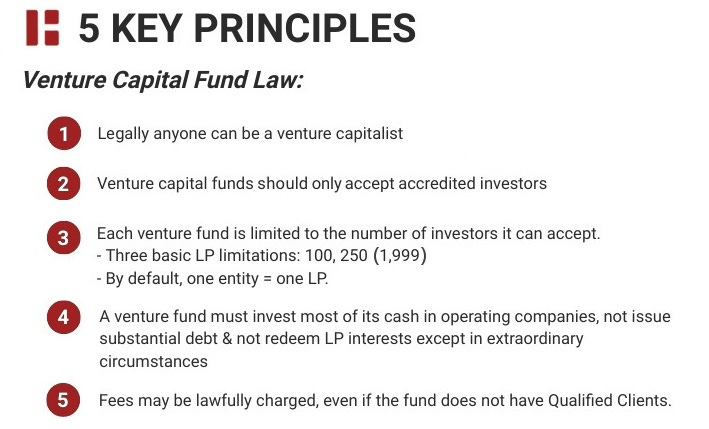
Understanding the 2 6 2 Rule in Venture Capital
The 2 6 2 rule is a framework used in venture capital to evaluate the potential success of a startup portfolio. It suggests that out of every 10 investments:
- 2 investments will yield significant returns, often referred to as home runs.
- 6 investments will either break even or result in moderate returns, often called singles or doubles.
- 2 investments will fail completely, resulting in a total loss of capital.
Why the 2 6 2 Rule Matters for Investors
The 2 6 2 rule is crucial for venture capitalists because it helps them manage risk and set realistic expectations. By understanding that not all investments will succeed, investors can:
- Diversify their portfolio to mitigate potential losses.
- Focus on high-potential startups that could deliver outsized returns.
- Prepare for the inevitability of failures and avoid overcommitting resources to underperforming ventures.
How the 2 6 2 Rule Impacts Startup Funding
For startups, the 2 6 2 rule highlights the competitive nature of venture capital. It emphasizes that:
- Only a small percentage of startups will achieve extraordinary success.
- Most startups will need to demonstrate consistent growth and profitability to secure follow-on funding.
- Failure is a common outcome, and startups must be resilient and adaptable to survive.
Applying the 2 6 2 Rule to Portfolio Management
Venture capitalists use the 2 6 2 rule to guide their portfolio management strategies. This involves:
- Identifying high-potential startups early in their lifecycle.
- Providing ongoing support to ensure the success of the top 20% of investments.
- Cutting losses quickly for underperforming startups to preserve capital for more promising opportunities.
Limitations of the 2 6 2 Rule in Venture Capital
While the 2 6 2 rule provides a useful framework, it has its limitations. These include:
- Overgeneralization of investment outcomes, as each startup is unique.
- Dependence on market conditions, which can significantly impact success rates.
- Potential for bias in selecting startups, as the rule assumes a certain distribution of outcomes.
Frequently Asked Questions (FAQs)
Why do venture capital funds primarily focus on tech startups?
Venture capital funds primarily focus on tech startups because these companies often have the potential for exponential growth and high returns on investment. The tech industry is known for its ability to scale quickly, thanks to innovations like software, artificial intelligence, and cloud computing. Unlike traditional businesses, tech startups can achieve global reach with relatively low overhead costs, making them attractive to investors seeking high-risk, high-reward opportunities.
What makes tech startups more appealing to venture capitalists than other industries?
Tech startups are more appealing to venture capitalists due to their scalability and disruptive potential. Unlike industries such as manufacturing or retail, tech companies can often grow rapidly without the need for significant physical infrastructure. Additionally, tech startups frequently introduce innovative solutions that can transform entire markets, creating new opportunities for massive financial gains. This combination of scalability and innovation aligns well with the venture capital model, which seeks to invest in businesses that can deliver outsized returns within a relatively short timeframe.
Are there any risks associated with venture capital investments in tech startups?
Yes, there are significant risks associated with venture capital investments in tech startups. While the potential for high returns is substantial, the failure rate of tech startups is also very high. Many startups struggle to achieve product-market fit or face intense competition, leading to their eventual collapse. Additionally, the tech industry is highly volatile, with rapid changes in technology and consumer preferences. Venture capitalists must carefully evaluate each opportunity, balancing the potential rewards against the considerable risks of capital loss.
Can non-tech startups attract venture capital funding?
While it is more challenging, non-tech startups can still attract venture capital funding if they demonstrate strong growth potential and a compelling business model. Industries such as biotechnology, clean energy, and consumer goods have also seen significant venture capital investments. However, these companies often need to show a clear path to scalability and market disruption to compete with the allure of tech startups. Venture capitalists are ultimately looking for businesses that can deliver substantial returns, regardless of the industry, but tech startups tend to dominate due to their inherent advantages in scalability and innovation.
Leave a Reply
Our Recommended Articles