
Is 50 Million Enough Money to Start a Vc Firm and Become a Billionaire

Starting a venture capital (VC) firm with $50 million is an ambitious endeavor that raises questions about feasibility, strategy, and long-term success. While $50 million may seem like a substantial amount, the venture capital landscape is highly competitive, requiring not only capital but also expertise, networks, and a keen eye for disruptive opportunities. This article explores whether such a sum is sufficient to establish a VC firm capable of generating billion-dollar returns. It examines the challenges of scaling investments, managing risk, and achieving outsized returns, while also considering the potential pathways to building a billion-dollar portfolio in today’s dynamic market.
Is 50 Million Enough Money to Start a VC Firm and Become a Billionaire?
Starting a venture capital (VC) firm with $50 million is a significant undertaking, but whether it’s enough to become a billionaire depends on several factors, including investment strategy, market conditions, and execution. While $50 million is a substantial amount, the VC industry is highly competitive, and achieving billionaire status requires exceptional returns on investments. Below, we explore key aspects of this topic in detail.
See Also What is the Difference Between a Private Equity Firm and a Venture Capital Firm
1. Understanding the Basics of Venture Capital
Venture capital involves investing in early-stage or high-growth companies with the potential for significant returns. A VC firm typically raises funds from limited partners (LPs) and invests in startups in exchange for equity. The goal is to achieve high returns by identifying and supporting successful companies. With $50 million, a VC firm can make multiple investments, but the size of the fund may limit the ability to lead large funding rounds or diversify extensively.
| Key Aspect | Details |
|---|---|
| Fund Size | $50 million is considered a small to mid-sized fund in the VC industry. |
| Investment Focus | Early-stage startups or niche markets may be more feasible targets. |
| Return Expectations | High-risk, high-reward investments are necessary to achieve billionaire status. |
2. The Role of Investment Strategy
A well-defined investment strategy is crucial for maximizing returns. With $50 million, a VC firm must focus on high-potential startups and avoid spreading resources too thin. Concentrating on specific industries, such as technology, healthcare, or fintech, can increase the chances of success. Additionally, leveraging networks and expertise to identify promising startups early can provide a competitive edge.
See Also What is the TechStars interview process like?How many rounds are there, and when are decisions released?
| Strategy Element | Importance |
|---|---|
| Sector Focus | Specializing in high-growth industries can yield better returns. |
| Deal Flow | Access to quality startups is critical for successful investments. |
| Portfolio Diversification | Balancing risk by investing in multiple startups is essential. |
3. Challenges of Scaling with a $50 Million Fund
Scaling a VC firm with $50 million presents challenges, particularly in competing with larger funds. Larger funds can invest in more startups, lead funding rounds, and provide additional resources to portfolio companies. To overcome this, a $50 million fund must focus on niche markets, build strong relationships with founders, and demonstrate value beyond capital.
| Challenge | Solution |
|---|---|
| Limited Capital | Focus on smaller, high-potential deals and avoid overcommitting. |
| Competition | Leverage expertise and networks to stand out. |
| Resource Constraints | Partner with other investors or firms to share resources. |
4. Achieving Billionaire Status Through VC Investments
Becoming a billionaire through a $50 million VC fund is possible but highly unlikely without extraordinary success. Achieving a 20x return on the entire fund would result in $1 billion, but such returns are rare. Most VC firms aim for a 3x to 5x return over a decade. To reach billionaire status, the fund would need to identify and invest in multiple unicorns (startups valued at over $1 billion).
See Also How Does Crowdfunding Compare With Venture Capital?
| Factor | Impact |
|---|---|
| Unicorn Investments | Investing in multiple unicorns is essential for achieving billionaire status. |
| Exit Strategy | Successful exits through IPOs or acquisitions are critical. |
| Timing | Market conditions and timing play a significant role in returns. |
5. Real-World Examples of Successful VC Firms
Examining successful VC firms can provide insights into what it takes to achieve significant returns. Firms like Sequoia Capital, Andreessen Horowitz, and Accel started with modest funds but grew through strategic investments and strong performance. While these firms now manage billions, their early success was built on identifying high-potential startups and delivering exceptional returns.
| VC Firm | Key to Success |
|---|---|
| Sequoia Capital | Early investments in companies like Apple, Google, and Airbnb. |
| Andreessen Horowitz | Focus on technology startups and strong founder relationships. |
| Accel | Investments in Facebook, Slack, and other high-growth companies. |
How much money do I need to start a VC firm?

 Venture Capital: Who Are the Recent New Vc Firms in Fintech?
Initial Capital Requirements for a VC Firm
Starting a venture capital (VC) firm requires a significant amount of capital. The exact amount depends on the scale and scope of your operations, but here are some key considerations:
- Fund Size: Typically, a small VC firm starts with a fund of $10 million to $50 million. Larger firms may require $100 million or more.
- Operational Costs: Initial costs include legal fees, office space, salaries, and technology infrastructure, which can range from $500,000 to $2 million.
- Reserve Capital: It’s essential to set aside 10-20% of the fund for follow-on investments in portfolio companies.
Legal and Regulatory Costs
Establishing a VC firm involves navigating complex legal and regulatory requirements. Here’s what you need to budget for:
See Also In Private Equity and Venture Capital is Dry Powder the Difference Between Committed Capital and Paid in Capital
- Entity Formation: Costs for setting up a legal entity, such as an LLC or LP, can range from $5,000 to $20,000.
- Compliance Fees: Regulatory filings and compliance with securities laws may cost $10,000 to $50,000 annually.
- Legal Counsel: Retaining a law firm for fund formation and investor agreements can cost $50,000 to $200,000.
Operational Expenses
Running a VC firm involves ongoing operational costs. These include:
- Team Salaries: Hiring experienced professionals, such as partners and analysts, can cost $500,000 to $2 million annually.
- Office Space: Renting office space in a major city can range from $50,000 to $200,000 per year.
- Technology and Tools: Software for deal flow management, CRM, and analytics can cost $10,000 to $50,000 annually.
Fundraising and Investor Relations
Raising capital for your VC fund is a critical step. Consider these expenses:
- Marketing Materials: Creating pitch decks, due diligence reports, and other materials can cost $10,000 to $50,000.
- Travel and Networking: Attending conferences and meeting potential investors may require $20,000 to $100,000 annually.
- Fund Administration: Outsourcing fund accounting and reporting can cost $50,000 to $150,000 per year.
Reserve for Portfolio Investments
A portion of your fund must be allocated to portfolio companies. Here’s how to plan:
- Initial Investments: Allocate 70-80% of the fund for initial investments in startups.
- Follow-On Investments: Reserve 10-20% for follow-on funding rounds to support portfolio companies.
- Contingency Fund: Set aside 5-10% for unexpected opportunities or challenges.
What is the success rate of VC startups?
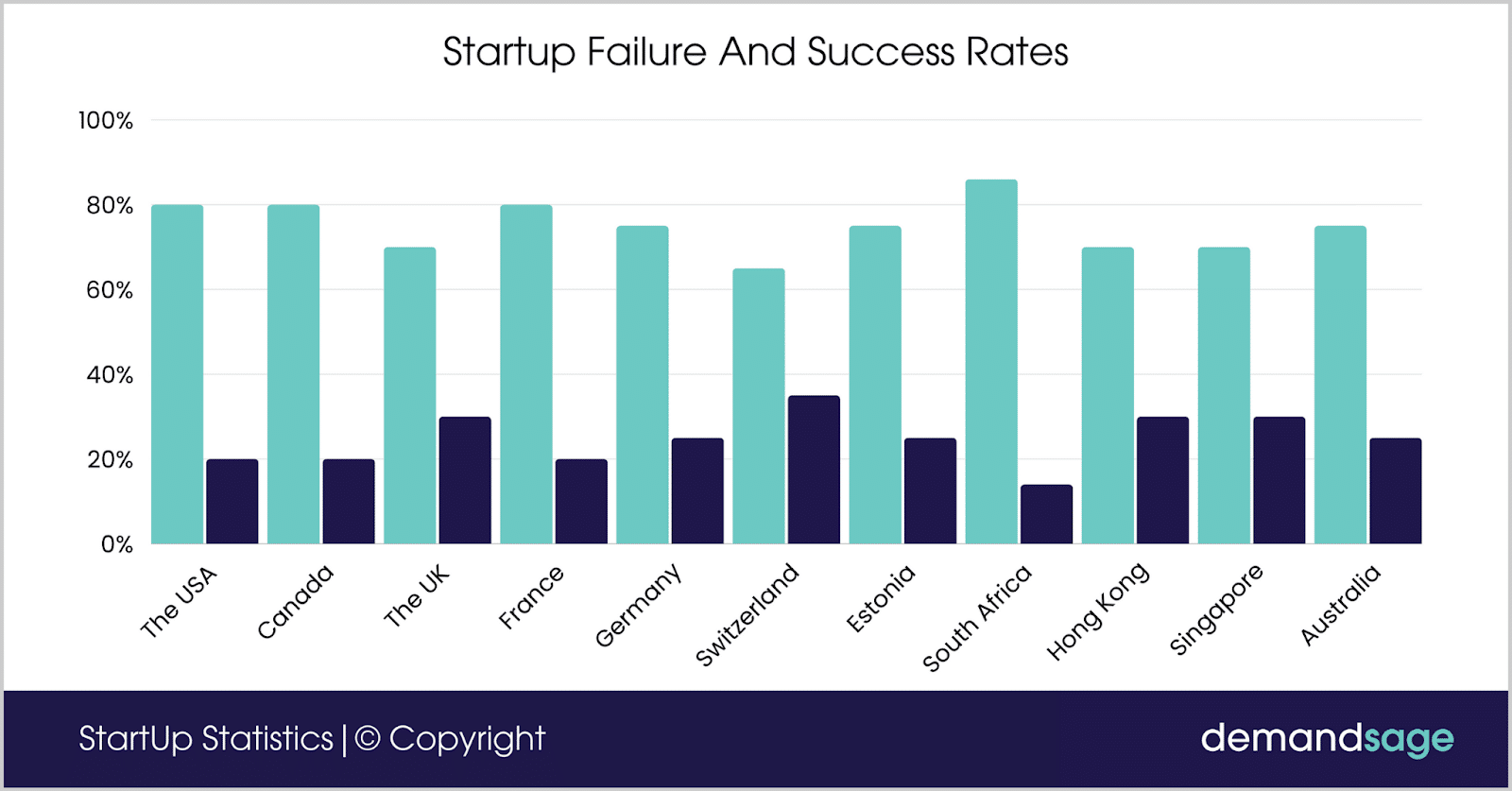
The success rate of venture capital (VC) startups varies widely depending on the industry, stage of investment, and market conditions. On average, studies suggest that only about 10% of VC-backed startups achieve significant success, such as an IPO or a high-value acquisition. The majority either fail or deliver modest returns. Factors influencing this rate include market demand, team expertise, and the ability to scale effectively.
Why do most VC-backed startups fail?
Most VC-backed startups fail due to a combination of factors. Here are the key reasons:
- Lack of market demand: Many startups build products or services that do not address a real need in the market.
- Poor financial management: Running out of cash is a common issue, often due to overspending or underestimating costs.
- Weak team dynamics: Ineffective leadership or lack of expertise in critical areas can derail a startup's progress.
What industries have the highest success rates for VC startups?
Certain industries tend to have higher success rates for VC-backed startups due to market trends and growth potential. These include:
- Technology: Software, AI, and fintech startups often attract significant investment and have higher success rates.
- Healthcare and biotech: Innovations in these fields can lead to high returns, especially with breakthrough products.
- E-commerce and consumer goods: Startups that tap into emerging consumer trends often see rapid growth.
How does the stage of investment impact startup success?
The stage at which a startup receives VC funding plays a critical role in its success rate. Here’s how:
- Seed stage: Startups at this stage have a higher risk of failure but also the potential for exponential growth.
- Series A and beyond: Startups that secure later-stage funding typically have a proven track record, increasing their chances of success.
- Pre-IPO stage: Companies nearing an IPO are often more stable and have a higher likelihood of delivering returns.
What role does the VC firm play in startup success?
The involvement of a VC firm can significantly influence a startup's trajectory. Key contributions include:
- Mentorship and guidance: Experienced investors provide strategic advice and industry connections.
- Financial support: Adequate funding allows startups to scale operations and invest in growth.
- Network access: VCs often introduce startups to potential partners, customers, and talent.
What is the 2 6 2 rule of venture capital?
Understanding the 2 6 2 Rule in Venture Capital
The 2 6 2 rule is a framework used in venture capital to categorize startups based on their potential and performance. It divides a portfolio of investments into three distinct groups:
- Top 20% (2): These are the high-performing startups expected to generate the majority of returns. They are often referred to as the winners in the portfolio.
- Middle 60% (6): These startups show moderate performance and may break even or provide modest returns. They are considered the neutral or stable part of the portfolio.
- Bottom 20% (2): These are the underperforming startups that are likely to fail or provide minimal returns. They are often referred to as the losers in the portfolio.
Why the 2 6 2 Rule Matters in Venture Capital
The 2 6 2 rule is crucial for venture capitalists because it helps them manage risk and expectations. Here’s why it matters:
- Risk Management: By diversifying investments, venture capitalists can mitigate the impact of failures.
- Focus on Winners: The rule emphasizes identifying and nurturing the top 20% of startups to maximize returns.
- Portfolio Balance: It ensures a balanced portfolio, reducing reliance on a single high-performing startup.
How to Identify the Top 20% in the 2 6 2 Rule
Identifying the top 20% of startups is critical for venture capitalists. Key factors to consider include:
- Market Potential: The startup should address a large and growing market.
- Team Expertise: A strong, experienced team increases the likelihood of success.
- Innovation: Unique and scalable solutions are more likely to stand out.
Challenges of Applying the 2 6 2 Rule
While the 2 6 2 rule is a useful framework, it comes with challenges:
- Unpredictability: Startups are inherently risky, and predicting success is difficult.
- Resource Allocation: Balancing attention and resources between the top, middle, and bottom performers can be complex.
- Market Changes: External factors like economic shifts can impact startup performance unexpectedly.
Real-World Examples of the 2 6 2 Rule in Action
Many venture capital firms have successfully applied the 2 6 2 rule. Examples include:
- Sequoia Capital: Known for identifying high-performing startups like Airbnb and Dropbox.
- Andreessen Horowitz: Focuses on nurturing top-tier startups such as Facebook and Lyft.
- Y Combinator: Supports a wide range of startups, with a few standout successes like Stripe and Reddit.
How much can you make at a VC firm?
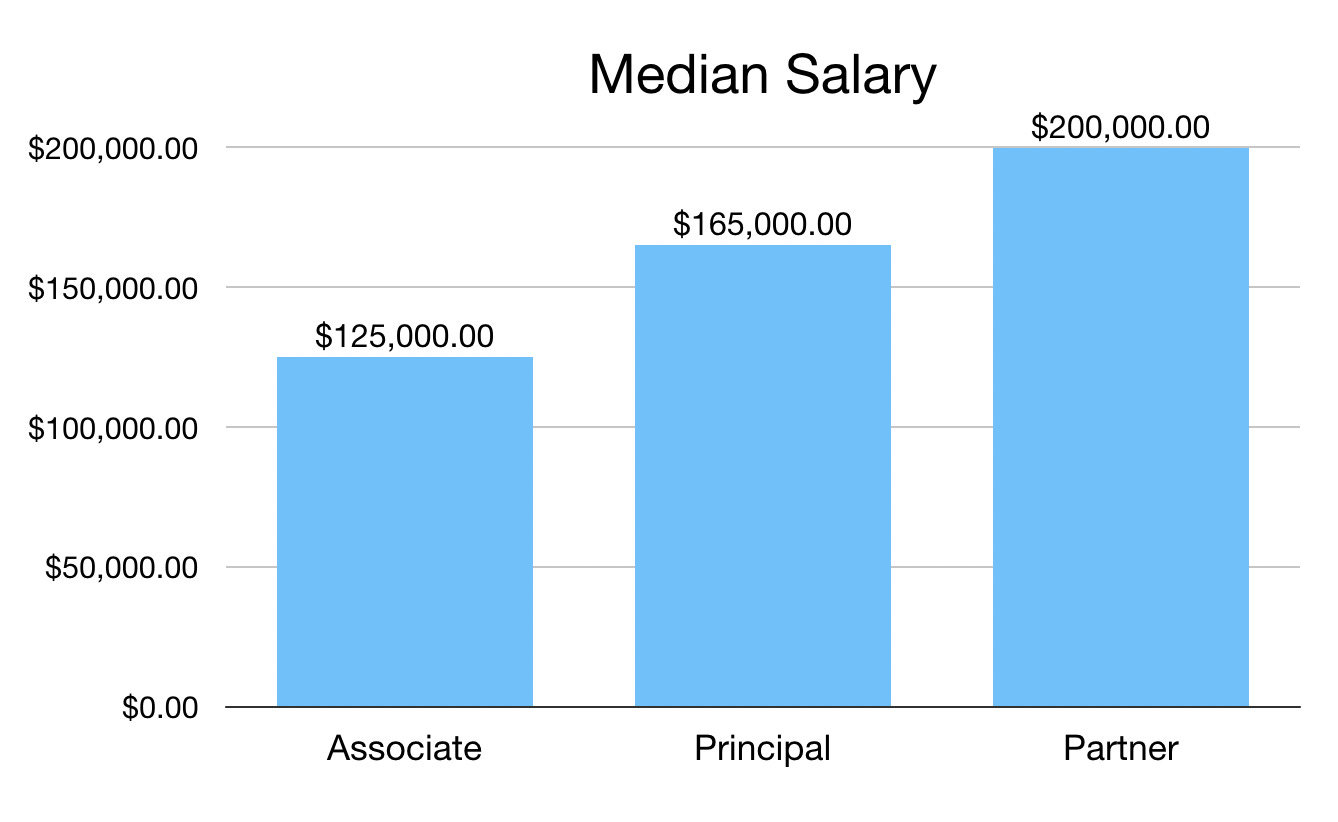
Entry-Level Salaries at VC Firms
At the entry level, such as an analyst or associate position, salaries in venture capital firms can vary widely depending on the firm's size, location, and reputation. Typically, entry-level roles offer a base salary ranging from $70,000 to $120,000 annually. In addition to the base salary, employees may receive bonuses and profit-sharing, which can significantly increase total compensation.
- Base Salary: $70,000 - $120,000 per year.
- Bonuses: Typically 10-20% of the base salary.
- Profit-Sharing: Varies by firm performance.
Mid-Level Compensation in Venture Capital
Mid-level positions, such as senior associates or principals, often see a significant jump in compensation. These roles usually command a base salary between $150,000 and $250,000 per year. Additionally, mid-level professionals often receive larger bonuses and may start to earn carried interest, which is a share of the profits from successful investments.
- Base Salary: $150,000 - $250,000 per year.
- Bonuses: Can range from 20-50% of the base salary.
- Carried Interest: Typically 1-5% of fund profits.
Partner-Level Earnings at VC Firms
At the partner level, compensation can be substantial, often exceeding $500,000 annually. Partners usually earn a significant portion of their income from carried interest, which can amount to millions of dollars if the firm's investments perform well. Base salaries for partners are generally high, but the real earning potential lies in the profit-sharing arrangements.
- Base Salary: $300,000 - $500,000 per year.
- Carried Interest: 10-20% of fund profits.
- Total Compensation: Can exceed $1 million annually.
Factors Influencing VC Compensation
Several factors influence how much one can make at a VC firm, including the firm's size, geographic location, and performance. Larger firms in major financial hubs like Silicon Valley or New York tend to offer higher compensation. Additionally, the firm's track record and the individual's role and experience play crucial roles in determining earnings.
- Firm Size: Larger firms generally pay more.
- Location: Hubs like Silicon Valley offer higher salaries.
- Performance: Successful funds lead to higher bonuses and carried interest.
Additional Benefits and Perks in VC
Beyond salary and bonuses, working at a VC firm often comes with additional benefits and perks. These can include health insurance, retirement plans, and opportunities for professional development. Some firms also offer unique perks like access to exclusive networking events, mentorship programs, and the chance to invest in startups alongside the firm.
- Health Insurance: Comprehensive coverage.
- Retirement Plans: 401(k) matching and other benefits.
- Networking Opportunities: Access to exclusive events and mentorship.
Frequently Asked Questions (FAQs)
Is $50 million enough to start a successful VC firm?
Starting a venture capital (VC) firm with $50 million is feasible, but success depends on several factors. While $50 million is a substantial amount, it is relatively modest compared to larger VC firms that manage billions. To succeed, you would need to focus on niche markets, invest in high-potential startups, and build a strong network of limited partners (LPs) and entrepreneurs. Additionally, your ability to identify and support disruptive technologies or emerging trends will play a critical role in achieving long-term success.
Can $50 million make you a billionaire through a VC firm?
Turning $50 million into a billion dollars through a VC firm is possible but highly challenging. It requires exceptional investment strategies, a deep understanding of the market, and a bit of luck. Most VC firms aim for a 10x return on their investments, meaning you would need to generate $1 billion in returns from your $50 million fund. This would involve backing multiple unicorn startups (companies valued at over $1 billion) and consistently making profitable exits. However, the risks are high, and many startups fail, so achieving billionaire status is not guaranteed.
What are the key challenges of starting a VC firm with $50 million?
Starting a VC firm with $50 million comes with several challenges. First, you must compete with established firms that have significantly larger funds and resources. Second, building a strong deal flow and attracting top-tier startups can be difficult without a proven track record. Third, managing risk is crucial, as most startups fail, and only a few generate substantial returns. Finally, you need to establish credibility with limited partners and demonstrate your ability to deliver consistent returns, which can take years to achieve.
What strategies can maximize the potential of a $50 million VC fund?
To maximize the potential of a $50 million VC fund, you should focus on early-stage investments in high-growth sectors like technology, biotech, or clean energy. Diversifying your portfolio across multiple startups can help mitigate risks. Building a strong advisory board and leveraging your network to source deals can also enhance your chances of success. Additionally, adopting a hands-on approach by providing mentorship and resources to your portfolio companies can increase their likelihood of success. Finally, maintaining a disciplined investment strategy and avoiding overcommitting to any single startup is essential for long-term growth.
Leave a Reply
Our Recommended Articles