
What Are Vc Associate Interview Case Studies Like?

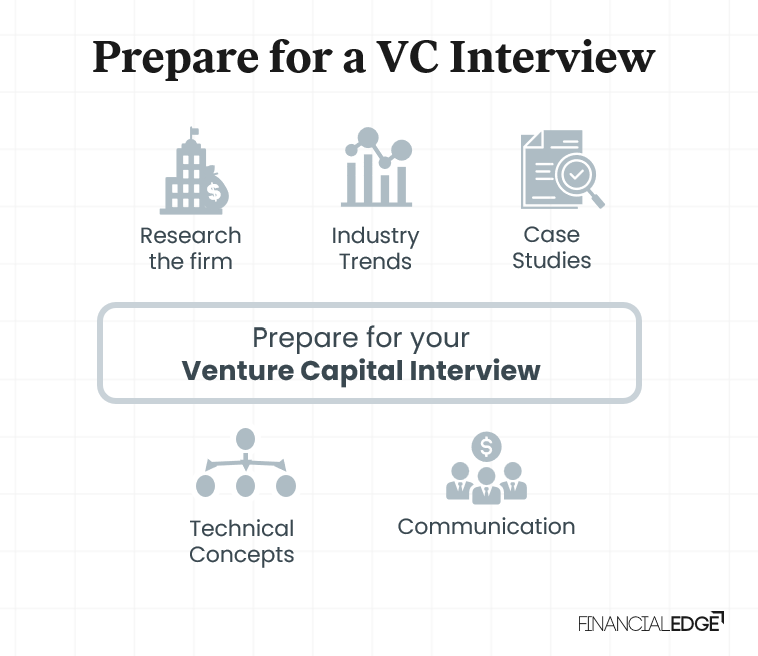
Venture capital (VC) associate interviews often include case studies, a critical component designed to assess a candidate’s analytical, problem-solving, and decision-making skills. These case studies typically simulate real-world scenarios that VC professionals encounter, such as evaluating startups, analyzing market trends, or assessing investment opportunities. Candidates are expected to demonstrate their ability to think critically, structure their thoughts logically, and communicate insights effectively. The process may involve financial modeling, market sizing, or competitive analysis, depending on the firm’s focus. Understanding what to expect and how to prepare can significantly enhance a candidate’s performance and confidence during this challenging yet rewarding stage of the interview process.
What Are VC Associate Interview Case Studies Like?
VC (Venture Capital) Associate interviews often include case studies to evaluate a candidate's analytical, strategic, and problem-solving skills. These case studies simulate real-world scenarios that a VC associate might encounter, such as evaluating a startup's potential, assessing market opportunities, or making investment recommendations. The goal is to test your ability to think critically, structure your thoughts, and communicate effectively under pressure.
See Also Which Venture Capitalist Firms Offer Analyst Internship Positions for Undergraduates
1. What Types of Case Studies Are Commonly Used?
VC Associate interviews typically feature two main types of case studies: investment evaluation and market analysis. In an investment evaluation case study, you might be asked to assess a startup's business model, financials, and growth potential. For a market analysis case study, you could analyze a specific industry, identify trends, and recommend whether the VC firm should invest in that space.
| Type of Case Study | Description |
|---|---|
| Investment Evaluation | Assess a startup's viability, financials, and growth potential. |
| Market Analysis | Analyze industry trends and recommend investment opportunities. |
2. How Should You Approach a VC Case Study?
When tackling a VC case study, it's crucial to structure your approach. Start by understanding the problem and identifying key questions. Then, gather relevant data and analyze it systematically. Use frameworks like SWOT analysis, Porter’s Five Forces, or TAM/SAM/SOM to organize your thoughts. Finally, present your findings clearly and justify your recommendations with data-driven insights.
See Also I Have an Interview in Venture Capital What Are All the Things I Should Know for Modeling
| Step | Action |
|---|---|
| 1. Understand the Problem | Clarify the objective and key questions. |
| 2. Gather Data | Collect relevant information and metrics. |
| 3. Analyze Systematically | Use frameworks to structure your analysis. |
| 4. Present Findings | Communicate your conclusions clearly. |
3. What Skills Are Assessed in VC Case Studies?
VC case studies evaluate a range of skills, including analytical thinking, financial modeling, market research, and communication. Interviewers look for your ability to interpret data, identify risks, and make informed decisions. Strong presentation skills are also essential, as you'll need to articulate your reasoning and recommendations effectively.
| Skill | Description |
|---|---|
| Analytical Thinking | Ability to break down complex problems. |
| Financial Modeling | Proficiency in analyzing financial data. |
| Market Research | Skill in identifying industry trends. |
| Communication | Clarity in presenting findings and recommendations. |
4. What Are Common Mistakes to Avoid?
Some common mistakes in VC case studies include lack of structure, overlooking key metrics, and poor communication. Avoid jumping to conclusions without sufficient analysis. Ensure you validate assumptions and use data to support your arguments. Additionally, practice time management to complete the case study within the allotted time.
See AlsoShould I Include My Official Lsat Score on My Resume for Venture Capital Roles| Mistake | How to Avoid |
|---|---|
| Lack of Structure | Use frameworks to organize your analysis. |
| Overlooking Metrics | Focus on key financial and market indicators. |
| Poor Communication | Practice presenting your findings clearly. |
5. How Can You Prepare for VC Case Studies?
Preparation is key to succeeding in VC case studies. Practice with real-world examples, such as analyzing startups or industries. Familiarize yourself with financial metrics like CAC, LTV, and burn rate. Additionally, study successful VC investments to understand what makes a startup attractive to investors. Mock interviews and feedback from peers can also help refine your skills.
| Preparation Tip | Description |
|---|---|
| Practice Real-World Examples | Analyze startups and industries. |
| Learn Financial Metrics | Understand CAC, LTV, and burn rate. |
| Study Successful Investments | Identify patterns in successful VC deals. |
How to prepare for a VC analyst interview?

Understanding the Role of a VC Analyst
To prepare for a VC analyst interview, it is crucial to understand the responsibilities and expectations of the role. A venture capital analyst typically assists in evaluating investment opportunities, conducting market research, and supporting due diligence processes. Here’s how you can prepare:
- Research the firm’s portfolio: Familiarize yourself with the types of companies the VC firm invests in and their investment thesis.
- Understand the investment process: Learn how VCs source deals, evaluate startups, and make investment decisions.
- Study financial modeling: Be prepared to analyze financial statements and create models to evaluate potential investments.
Mastering Technical Skills
Technical skills are a critical component of a VC analyst interview. You will likely be tested on your ability to analyze data, build financial models, and interpret market trends. Here’s how to prepare:
- Practice financial modeling: Build models for valuation, such as discounted cash flow (DCF) and comparable company analysis.
- Learn to read financial statements: Understand income statements, balance sheets, and cash flow statements.
- Brush up on Excel skills: Be proficient in using Excel for data analysis and modeling.
Preparing for Case Studies
Case studies are a common part of VC analyst interviews. They test your ability to think critically and evaluate investment opportunities. Here’s how to prepare:
- Practice analyzing startups: Evaluate companies based on their market potential, team, and business model.
- Prepare a framework: Develop a structured approach to assess investment opportunities, such as SWOT analysis or Porter’s Five Forces.
- Be ready to present: Practice presenting your findings clearly and concisely.
Building Industry Knowledge
Having a deep understanding of the venture capital industry and emerging trends is essential for a VC analyst. Here’s how to prepare:
- Follow industry news: Stay updated on the latest trends, funding rounds, and exits in the startup ecosystem.
- Understand key metrics: Learn about metrics like ARR, CAC, LTV, and churn rate, which are commonly used in VC evaluations.
- Network with professionals: Attend industry events and connect with VC professionals to gain insights.
Practicing Behavioral Questions
Behavioral questions are often used to assess your soft skills and cultural fit in a VC firm. Here’s how to prepare:
- Prepare for teamwork questions: Be ready to discuss how you’ve collaborated with others in past roles.
- Highlight problem-solving skills: Share examples of how you’ve tackled challenges in previous positions.
- Show passion for startups: Demonstrate your enthusiasm for the startup ecosystem and venture capital.
What do interviewers look for in a case study?
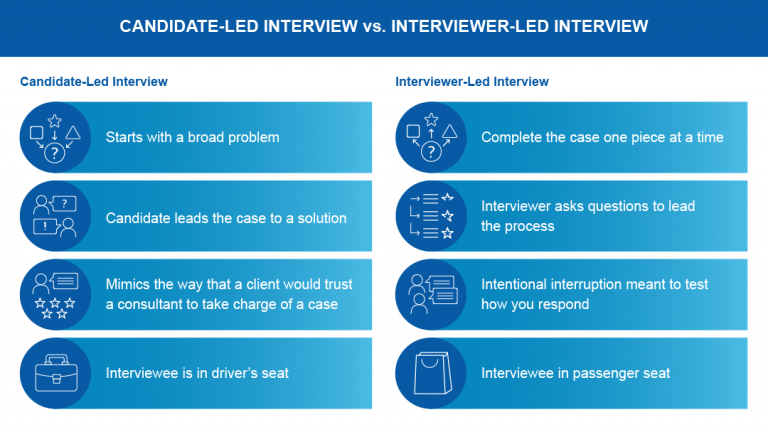
Problem-Solving Skills
Interviewers look for candidates who can demonstrate strong problem-solving skills in a case study. They want to see how you approach complex problems and whether you can break them down into manageable parts. Key aspects include:
- Logical reasoning: The ability to think critically and logically to identify the root cause of the problem.
- Structured thinking: Presenting your thoughts in a clear, organized manner, often using frameworks like SWOT or Porter’s Five Forces.
- Creativity: Offering innovative solutions that go beyond the obvious.
Analytical Abilities
Interviewers assess your analytical abilities to determine how well you can interpret data and draw meaningful conclusions. This includes:
- Data interpretation: Analyzing numerical or qualitative data to identify trends or patterns.
- Attention to detail: Ensuring accuracy in calculations and observations.
- Decision-making: Using data to support your recommendations effectively.
Communication Skills
Effective communication skills are crucial in a case study. Interviewers evaluate how well you articulate your thoughts and present your findings. Key elements include:
- Clarity: Explaining complex ideas in a simple and understandable way.
- Persuasiveness: Convincing the interviewer of your proposed solutions.
- Active listening: Responding to questions or feedback appropriately during the discussion.
Business Acumen
Interviewers look for candidates with strong business acumen to ensure you understand the broader context of the case. This involves:
- Industry knowledge: Demonstrating awareness of industry trends and challenges.
- Strategic thinking: Aligning your solutions with the company’s goals and objectives.
- Financial awareness: Understanding the financial implications of your recommendations.
Time Management
Interviewers evaluate your ability to manage time effectively during a case study. This includes:
- Prioritization: Focusing on the most critical aspects of the case first.
- Efficiency: Completing the analysis within the allotted time without compromising quality.
- Adaptability: Adjusting your approach if unexpected challenges arise.
What do venture capital interviews look like?
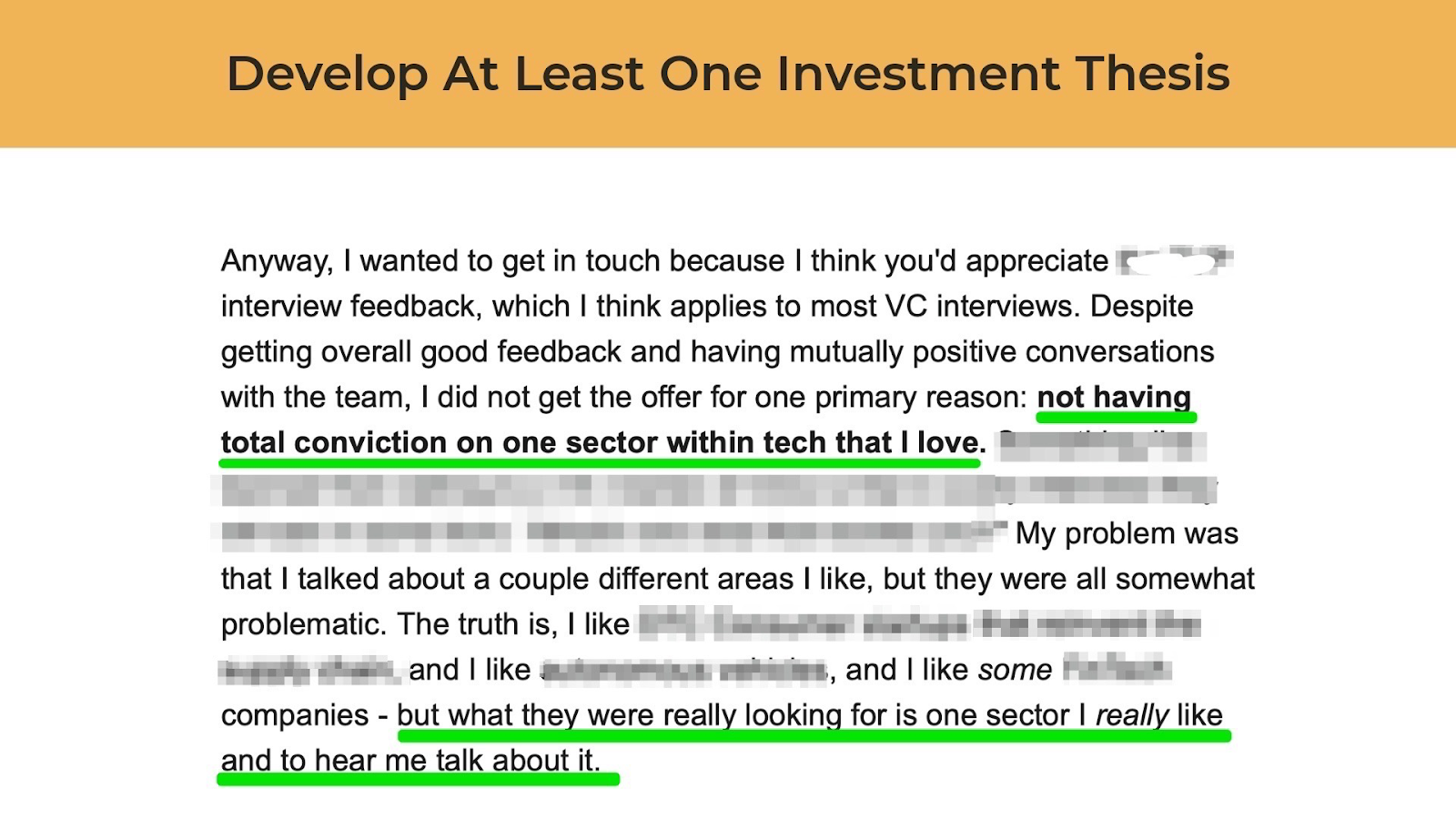
Understanding the Structure of Venture Capital Interviews
Venture capital interviews typically follow a structured format designed to assess a candidate's analytical skills, industry knowledge, and cultural fit. The process often includes:
- Initial Screening: A phone or video call to evaluate basic qualifications and interest in the role.
- Case Studies: Candidates are given hypothetical investment scenarios to analyze and present their findings.
- Technical Questions: These focus on financial modeling, valuation techniques, and market analysis.
Key Skills Assessed in Venture Capital Interviews
Venture capital firms look for specific skills and attributes in candidates. These include:
- Analytical Thinking: Ability to break down complex problems and make data-driven decisions.
- Industry Knowledge: Deep understanding of the sectors the firm invests in.
- Communication Skills: Clear and concise presentation of ideas and investment theses.
Common Types of Questions in Venture Capital Interviews
Interview questions in venture capital can vary widely but generally fall into a few categories:
- Behavioral Questions: These assess how candidates have handled past situations and their decision-making processes.
- Technical Questions: Focus on financial analysis, such as calculating IRR or conducting a DCF analysis.
- Market Analysis: Candidates may be asked to evaluate a specific market or industry trend.
Preparing for Venture Capital Interviews
Preparation is crucial for success in venture capital interviews. Key steps include:
- Research the Firm: Understand the firm's investment thesis, portfolio companies, and recent deals.
- Practice Case Studies: Work on sample investment cases to improve analytical and presentation skills.
- Network: Connect with current or former employees to gain insights into the firm's culture and expectations.
What to Expect During the Interview Process
The venture capital interview process can be rigorous and multi-stage. Candidates should expect:
- Multiple Rounds: Interviews may span several rounds, each focusing on different aspects of the candidate's profile.
- Team Interviews: Meetings with various team members, including partners, associates, and analysts.
- Final Presentation: A comprehensive presentation of an investment thesis or case study to senior team members.
Frequently Asked Questions (FAQs)
What types of case studies are typically given in VC associate interviews?
In VC associate interviews, case studies often revolve around evaluating a startup or a specific market opportunity. Candidates may be asked to analyze a company's business model, assess its growth potential, or determine whether it aligns with a venture capital firm's investment thesis. These case studies are designed to test your analytical skills, ability to think critically, and understanding of key metrics like unit economics, customer acquisition costs (CAC), and lifetime value (LTV). You might also be asked to compare competing startups or propose a strategy for scaling a business.
How should I prepare for a VC associate case study interview?
To prepare for a VC associate case study interview, focus on building a strong foundation in financial modeling, market analysis, and startup evaluation. Practice analyzing real-world startups by reading pitch decks, studying industry reports, and understanding how VCs assess deals. Familiarize yourself with common frameworks like TAM (Total Addressable Market), SAM (Serviceable Addressable Market), and SOM (Serviceable Obtainable Market). Additionally, work on structuring your thoughts clearly and presenting them concisely, as communication is a key part of the interview process.
What are interviewers looking for in my case study responses?
Interviewers are primarily evaluating your ability to think like an investor. They want to see how well you can identify market opportunities, assess risks, and make data-driven decisions. Your responses should demonstrate a deep understanding of the startup ecosystem, including knowledge of funding stages, valuation methods, and competitive dynamics. Additionally, interviewers will assess your problem-solving skills, creativity, and ability to communicate complex ideas effectively. Showing enthusiasm for the industry and a genuine interest in venture capital can also leave a positive impression.
Are VC associate case studies timed, and how should I manage my time?
Yes, many VC associate case studies are timed, often ranging from 30 minutes to an hour. To manage your time effectively, start by quickly reading through the case and identifying the key questions or problems you need to address. Allocate time for research, analysis, and structuring your response. Prioritize the most critical aspects of the case, such as market size, competitive advantage, and financial projections. If you're presenting your findings, leave enough time to rehearse your delivery. Staying calm and organized under time pressure is crucial to performing well in these interviews.
Leave a Reply
Our Recommended Articles