
Which Angels or Vcs Will Fund Hardware Startups?


The hardware startup ecosystem is thriving, driven by innovation in areas like IoT, robotics, and advanced manufacturing. However, securing funding for hardware ventures remains a unique challenge due to high upfront costs, longer development cycles, and scalability concerns. While many investors gravitate toward software startups, a growing number of angel investors and venture capitalists (VCs) are recognizing the potential of hardware innovation. This article explores which angels and VCs are actively funding hardware startups, their investment criteria, and the trends shaping this niche. From specialized funds to generalist investors, understanding the landscape can help hardware entrepreneurs identify the right partners to bring their ideas to life.
Which Angels or VCs Will Fund Hardware Startups?
Hardware startups often face unique challenges when it comes to securing funding. Unlike software startups, hardware companies require significant capital for prototyping, manufacturing, and distribution. However, there are specific angel investors and venture capital (VC) firms that specialize in funding hardware startups. These investors understand the complexities of the hardware industry and are willing to take on the associated risks. Below, we explore the types of investors that fund hardware startups and provide detailed insights into their investment strategies.
See Also Which Venture Capitalist Firms Offer Analyst Internship Positions for Undergraduates
1. Angel Investors Specializing in Hardware Startups
Angel investors who focus on hardware startups often have a background in engineering, manufacturing, or product development. They provide early-stage funding and mentorship to help startups navigate the challenges of bringing a physical product to market. These investors are typically more patient and understand the longer development cycles associated with hardware.
2. Venture Capital Firms with a Hardware Focus
Several VC firms have a dedicated focus on hardware startups. These firms often have partners with deep industry expertise and connections to manufacturers and distributors. They provide not only capital but also strategic guidance to help startups scale their operations. Examples include Hardware Club and Lemnos Labs.
See Also Which Vc Firms Are the Best to Work With?
3. Corporate Venture Arms Investing in Hardware
Many large corporations have venture arms that invest in hardware startups. These corporate investors often seek startups that align with their strategic goals, such as developing complementary technologies or entering new markets. Examples include Intel Capital and Samsung Ventures.
4. Crowdfunding Platforms for Hardware Startups
Crowdfunding platforms like Kickstarter and Indiegogo have become popular avenues for hardware startups to raise funds. These platforms allow startups to validate their ideas and generate pre-sales before approaching traditional investors. Successful campaigns can also attract the attention of angel investors and VCs.
See AlsoShould I Include My Official Lsat Score on My Resume for Venture Capital Roles5. Government Grants and Accelerators for Hardware Startups
Government grants and accelerators often provide non-dilutive funding and resources to hardware startups. Programs like Y Combinator and Techstars have supported numerous hardware startups, helping them refine their products and business models. Additionally, government grants can provide crucial funding for R&D and prototyping.
| Investor Type | Key Characteristics | Examples |
|---|---|---|
| Angel Investors | Early-stage funding, mentorship, industry expertise | Individual investors with hardware backgrounds |
| VC Firms | Dedicated hardware focus, strategic guidance | Hardware Club, Lemnos Labs |
| Corporate Ventures | Strategic alignment, industry connections | Intel Capital, Samsung Ventures |
| Crowdfunding | Pre-sales, idea validation | Kickstarter, Indiegogo |
| Government Grants | Non-dilutive funding, R&D support | Y Combinator, Techstars |
How to get funding for a hardware startup?
 How to Find the Ticket Size of a Vc or an Investing Firm
Understanding the Funding Landscape for Hardware Startups
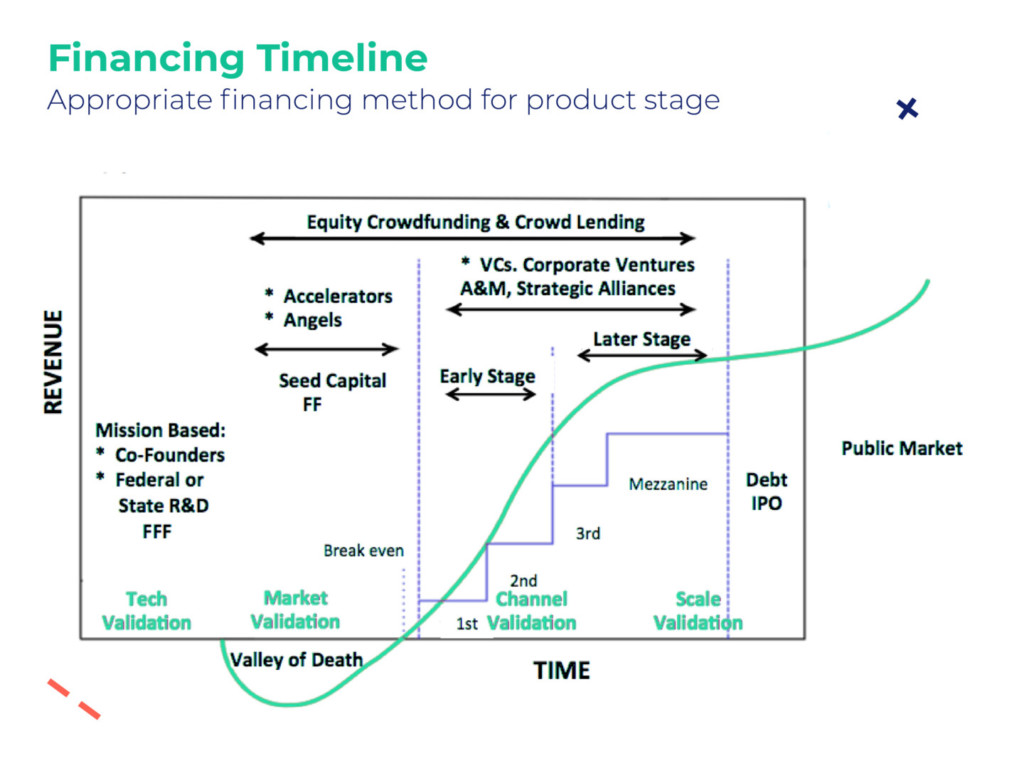
Securing funding for a hardware startup requires a clear understanding of the available options. Hardware startups often face unique challenges, such as higher upfront costs and longer development cycles, which can make traditional funding routes less accessible. Here are some key points to consider:
- Bootstrapping: Start by using personal savings or revenue from early sales to fund initial development.
- Angel Investors: Seek out individuals who are willing to invest in early-stage startups in exchange for equity.
- Venture Capital: Approach venture capital firms that specialize in hardware or deep tech investments.
Crafting a Compelling Pitch for Hardware Startups
A strong pitch is essential to attract investors. Hardware startups must clearly communicate the problem they are solving, the uniqueness of their product, and the potential market size. Here’s how to create a compelling pitch:
See AlsoWhat's the Best Database to Find Venture Capital Deals?- Problem Statement: Clearly define the problem your hardware product addresses.
- Solution: Explain how your product solves the problem better than existing alternatives.
- Market Opportunity: Provide data on the size and growth potential of your target market.
Exploring Government Grants and Subsidies
Government programs can be a valuable source of non-dilutive funding for hardware startups. Many governments offer grants, subsidies, or tax incentives to support innovation and manufacturing. Consider the following steps:
- Research Programs: Identify government initiatives that align with your startup’s goals.
- Eligibility Criteria: Ensure your startup meets the requirements for the grant or subsidy.
- Application Process: Prepare a detailed proposal highlighting the innovation and economic impact of your product.
Leveraging Crowdfunding Platforms
Crowdfunding is a popular way for hardware startups to raise funds while validating their product idea. Platforms like Kickstarter and Indiegogo allow startups to pre-sell their products and generate early revenue. Here’s how to succeed:
- Create a Strong Campaign: Use high-quality visuals and videos to showcase your product.
- Set Realistic Goals: Define clear funding targets and timelines.
- Engage Backers: Communicate regularly with your backers to build trust and excitement.
Building Strategic Partnerships
Forming partnerships with established companies can provide both funding and resources for your hardware startup. Strategic partners can offer manufacturing support, distribution channels, or co-development opportunities. Follow these steps:
- Identify Potential Partners: Look for companies that share your vision or have complementary products.
- Negotiate Terms: Clearly define the roles, responsibilities, and benefits for both parties.
- Leverage Resources: Use the partner’s expertise and infrastructure to accelerate your development process.
What is the success rate of hardware startups?
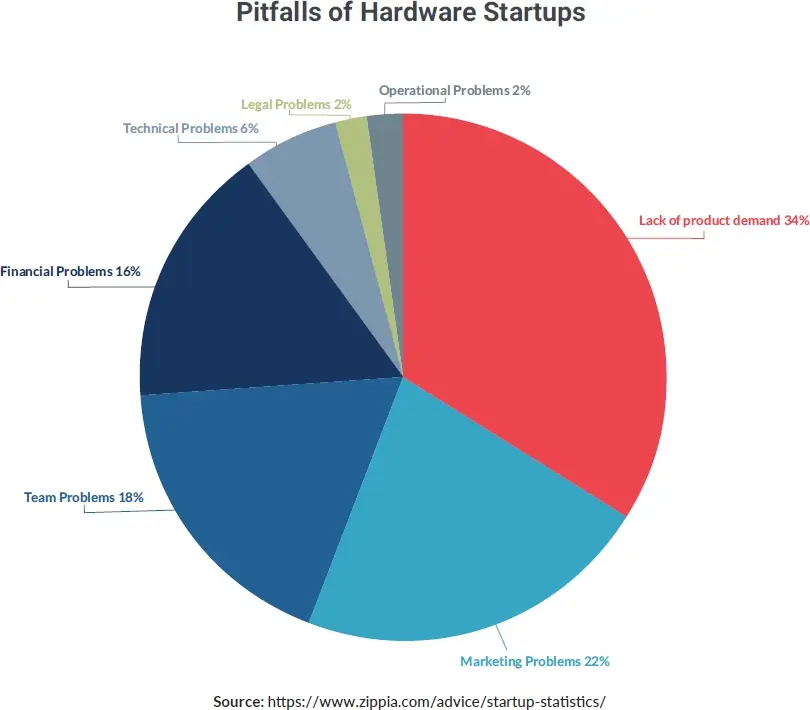
The success rate of hardware startups is generally lower compared to software startups due to the higher costs, longer development cycles, and manufacturing complexities involved. Studies suggest that only about 10-20% of hardware startups succeed in the long term. Factors such as funding challenges, supply chain issues, and market competition significantly impact their survival.
Why do hardware startups have a lower success rate?
Hardware startups face unique challenges that contribute to their lower success rate. Below are some key reasons:
- High upfront costs: Developing physical products requires significant investment in prototyping, tooling, and manufacturing.
- Longer development cycles: Hardware products often take months or years to design, test, and bring to market.
- Supply chain complexities: Managing suppliers, manufacturers, and logistics can be a major hurdle.
- Market competition: Competing with established companies and low-cost manufacturers is difficult.
- Scalability challenges: Scaling production while maintaining quality and cost-efficiency is a common struggle.
What are the key factors for hardware startup success?
Despite the challenges, some hardware startups succeed by focusing on critical factors. These include:
- Strong product-market fit: Ensuring the product solves a real problem for a specific audience.
- Efficient funding strategies: Securing sufficient capital through investors, crowdfunding, or grants.
- Robust supply chain management: Building reliable relationships with suppliers and manufacturers.
- Iterative prototyping: Testing and refining the product to minimize risks before mass production.
- Effective marketing: Creating a compelling brand story and leveraging digital platforms to reach customers.
How does crowdfunding impact hardware startup success?
Crowdfunding platforms like Kickstarter and Indiegogo have become popular for hardware startups to validate ideas and secure funding. Here’s how they impact success:
- Market validation: Crowdfunding campaigns help gauge customer interest and demand.
- Early funding: Startups can raise capital without giving up equity or taking on debt.
- Community building: Backers often become loyal customers and brand advocates.
- Feedback loop: Campaigns provide valuable feedback to improve the product before launch.
- Risks of overpromising: Failing to deliver on campaign promises can damage credibility and lead to failure.
What are common pitfalls for hardware startups?
Hardware startups often encounter specific pitfalls that can derail their progress. These include:
- Underestimating costs: Many startups fail to account for unexpected expenses in production and logistics.
- Poor planning: Lack of a clear roadmap can lead to delays and budget overruns.
- Quality control issues: Manufacturing defects or design flaws can harm the brand’s reputation.
- Inadequate funding: Running out of capital before achieving profitability is a common issue.
- Ignoring customer feedback: Failing to adapt to customer needs can result in a product that doesn’t sell.
How can hardware startups improve their chances of success?
To increase their likelihood of success, hardware startups should adopt the following strategies:
- Focus on niche markets: Targeting a specific audience reduces competition and increases relevance.
- Leverage partnerships: Collaborating with established companies can provide resources and credibility.
- Adopt lean manufacturing: Minimizing waste and optimizing production processes can reduce costs.
- Invest in R&D: Continuous innovation helps stay ahead of competitors and meet evolving customer needs.
- Build a strong team: Hiring skilled professionals in design, engineering, and business is crucial for growth.
How to get angel investor for startup?

Understanding What Angel Investors Look For
Angel investors are typically high-net-worth individuals who provide capital for startups in exchange for equity or convertible debt. To attract an angel investor, you need to understand their priorities. They often look for:
- Scalable business models with high growth potential.
- A strong and passionate founding team with relevant expertise.
- A clear and compelling value proposition that solves a significant problem.
- Evidence of market traction, such as early sales or user growth.
- A well-defined exit strategy that promises a return on their investment.
Building a Strong Pitch Deck
A compelling pitch deck is essential to capture the interest of angel investors. Your pitch deck should include:
- A concise problem statement and your solution.
- Details about your target market and its size.
- Your business model and revenue streams.
- Information about your competitors and your competitive advantage.
- Financial projections and the amount of funding you are seeking.
Networking and Finding the Right Angel Investors
Finding the right angel investor often requires extensive networking. Here’s how to approach it:
- Attend startup events, pitch competitions, and industry conferences.
- Leverage online platforms like AngelList, Gust, or LinkedIn to connect with potential investors.
- Seek introductions through your professional network, such as mentors, advisors, or other entrepreneurs.
- Research investors who have a history of funding startups in your industry or niche.
- Join incubators or accelerators, as they often have connections to angel investors.
Demonstrating Traction and Market Potential
Angel investors want to see evidence that your startup has potential. To demonstrate this:
- Showcase early sales or user acquisition metrics.
- Provide testimonials or case studies from early customers.
- Highlight any partnerships or collaborations that validate your business.
- Present data on market trends and how your startup aligns with them.
- Share your growth strategy and milestones achieved so far.
Negotiating Terms and Closing the Deal
Once an angel investor shows interest, it’s crucial to negotiate terms effectively. Consider the following:
- Be clear about the valuation of your startup and the equity you’re offering.
- Understand the investor’s expectations regarding involvement in your business.
- Ensure the terms are documented in a term sheet and reviewed by a legal professional.
- Discuss the timeline for funding and any milestones tied to it.
- Maintain transparency and build trust throughout the negotiation process.
What of startups get VC funding?
What Types of Startups Attract VC Funding?
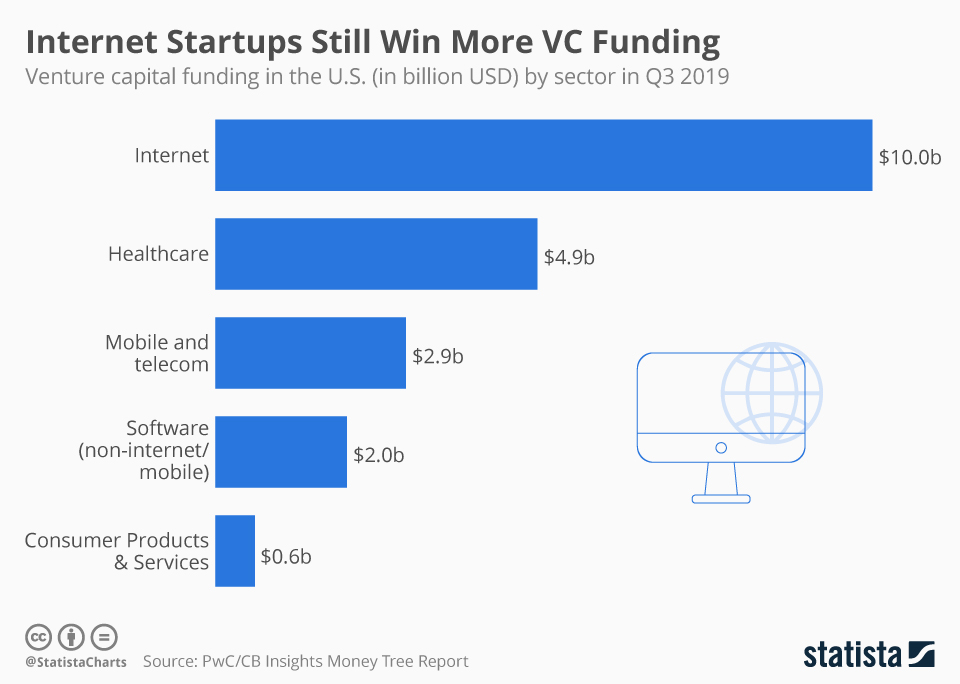
Venture capital (VC) funding is typically attracted by startups that demonstrate high growth potential, innovative solutions, and a scalable business model. These startups often operate in industries like technology, healthcare, and fintech, where rapid expansion and significant returns on investment are possible. Below are key characteristics that make startups appealing to VCs:
- Scalability: Startups with the ability to grow quickly and serve large markets are more likely to secure VC funding.
- Innovation: Unique products or services that solve pressing problems or disrupt existing markets are highly attractive.
- Strong Team: A capable and experienced founding team with a clear vision increases investor confidence.
Why Do VCs Focus on High-Growth Industries?
VCs prioritize high-growth industries because they offer the potential for exponential returns. Industries like artificial intelligence, biotechnology, and clean energy are particularly favored due to their transformative impact and long-term profitability. Here’s why:
- Market Size: These industries often address global challenges, creating vast market opportunities.
- Technological Advancements: Breakthroughs in these fields can lead to significant competitive advantages.
- Regulatory Support: Governments and institutions often provide incentives for innovation in these sectors.
What Role Does Traction Play in Securing VC Funding?
Traction is a critical factor for startups seeking VC funding. It demonstrates market validation and reduces perceived risk for investors. Key indicators of traction include:
- Revenue Growth: Consistent and increasing revenue signals a viable business model.
- User Acquisition: A growing customer base shows demand for the product or service.
- Partnerships: Collaborations with established companies can enhance credibility and market reach.
How Important Is the Founding Team to VCs?
The founding team is one of the most critical factors VCs evaluate. A strong team with relevant expertise and a track record of success can significantly increase the chances of securing funding. Key attributes include:
- Industry Experience: Founders with deep knowledge of their industry are better equipped to navigate challenges.
- Execution Skills: The ability to turn ideas into actionable plans is highly valued.
- Resilience: Startups often face setbacks, and a resilient team is more likely to persevere.
What Are the Key Metrics VCs Evaluate?
VCs assess startups based on specific metrics that indicate potential success. These metrics help investors gauge the startup’s performance and future prospects. Common metrics include:
- Customer Acquisition Cost (CAC): The cost of acquiring a new customer, which impacts profitability.
- Lifetime Value (LTV): The total revenue a customer generates over their lifetime, indicating long-term value.
- Burn Rate: The rate at which the startup spends its capital, reflecting financial sustainability.
Frequently Asked Questions (FAQs)
What types of investors typically fund hardware startups?
Hardware startups often attract a unique mix of investors due to the capital-intensive nature of their business. Venture capital firms specializing in deep tech or hardware, such as Lux Capital, Andreessen Horowitz, and Sequoia Capital, are common backers. Additionally, angel investors with a background in engineering, manufacturing, or hardware innovation are more likely to invest in these startups. Corporate venture arms, like Intel Capital or Samsung Ventures, also play a significant role, as they often seek strategic alignment with emerging technologies.
How do hardware startups appeal to venture capitalists?
Hardware startups can appeal to venture capitalists by demonstrating a clear market need, a scalable business model, and a strong intellectual property portfolio. Investors look for startups with a competitive edge, such as proprietary technology or a unique manufacturing process. Additionally, showcasing a talented team with expertise in hardware development and a well-defined go-to-market strategy can significantly increase the chances of securing funding. Startups that address large, growing markets, such as IoT, robotics, or renewable energy, are particularly attractive.
Are there specific angel investors known for funding hardware startups?
Yes, certain angel investors have a track record of supporting hardware startups. For example, Chris Sacca, known for his early investments in tech companies, has shown interest in hardware innovations. Similarly, Esther Dyson and Naval Ravikant have backed hardware-focused ventures. These investors often bring not only capital but also valuable industry connections and mentorship. Hardware startups should target angels with a background in engineering, product development, or industries relevant to their technology.
What challenges do hardware startups face when seeking funding?
Hardware startups face several challenges when seeking funding, including high upfront costs for prototyping and manufacturing, longer development cycles, and the need for specialized expertise. Investors may perceive hardware startups as riskier due to these factors. To overcome these challenges, startups should focus on building a minimum viable product (MVP) to demonstrate feasibility and market potential. Additionally, forming partnerships with established manufacturers or leveraging crowdfunding platforms like Kickstarter or Indiegogo can help validate the product and attract investor interest.
Leave a Reply
Our Recommended Articles