
What Are the Best Performing Venture Capital Funds of All Time

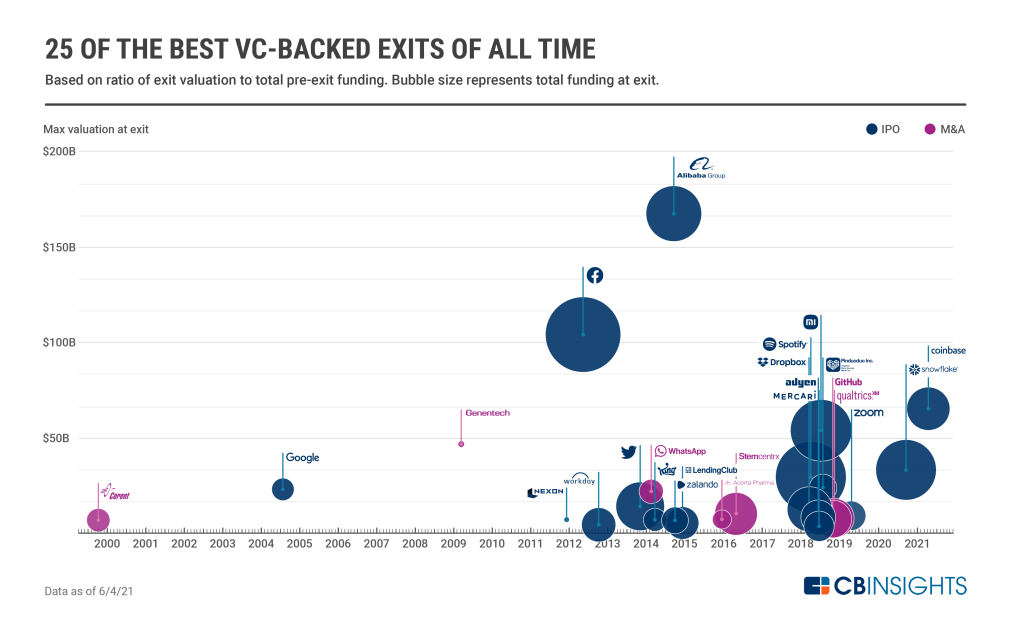
Venture capital funds have played a pivotal role in shaping the modern business landscape, fueling innovation and driving the growth of some of the world’s most successful companies. Over the decades, certain funds have distinguished themselves by delivering exceptional returns, backing groundbreaking startups, and consistently outperforming their peers. Identifying the best-performing venture capital funds of all time involves examining their track records, portfolio successes, and ability to adapt to evolving market trends. From early-stage investments in tech giants to strategic bets on emerging industries, these funds have redefined the art of venture investing. This article explores the standout performers that have set the gold standard in the venture capital world.
What Are the Best Performing Venture Capital Funds of All Time?
Venture capital (VC) funds have played a pivotal role in shaping the modern business landscape by providing early-stage funding to startups that later became industry giants. The best-performing venture capital funds are those that have consistently identified and invested in high-growth companies, delivering exceptional returns to their investors. These funds often have a combination of strategic foresight, deep industry expertise, and a robust network that allows them to spot opportunities before others. Below, we explore the key aspects of these top-performing VC funds, their strategies, and their most notable investments.
See Also What Are Some Tokyo Based Venture Capital Firms?
1. What Defines a Top-Performing Venture Capital Fund?
A top-performing venture capital fund is characterized by its ability to generate outstanding returns for its investors, often measured by metrics such as Internal Rate of Return (IRR) and multiple on invested capital (MOIC). These funds typically have a strong track record of investing in unicorns—startups valued at over $1 billion—and exiting through IPOs or acquisitions. They also excel in portfolio diversification, risk management, and maintaining a long-term investment horizon.
2. Which Venture Capital Funds Have the Highest Returns?
Some of the most successful venture capital funds include Sequoia Capital, Andreessen Horowitz, Accel, Benchmark, and Kleiner Perkins. These funds have consistently delivered multi-billion-dollar exits and have backed companies like Google, Facebook, Amazon, Uber, and Airbnb. Their success is attributed to their ability to identify disruptive technologies and exceptional founders early in their journey.
See Also Who Are the Top Venture Capital Firms in the Biotech Industry?
3. What Are the Key Strategies of Top VC Funds?
Top-performing VC funds employ several strategies to maximize returns. These include sector specialization, proactive deal sourcing, hands-on mentorship, and building strong founder relationships. They also focus on follow-on investments to double down on their most promising portfolio companies. Additionally, these funds often leverage their extensive networks to provide startups with access to talent, customers, and partnerships.
4. How Do Top VC Funds Identify High-Growth Startups?
Identifying high-growth startups requires a combination of market analysis, pattern recognition, and intuition. Top VC funds often look for startups with scalable business models, strong unit economics, and visionary founders. They also prioritize industries with high growth potential, such as artificial intelligence, biotechnology, fintech, and clean energy. By staying ahead of market trends, these funds can invest in companies poised for exponential growth.
See Also If You Interpret a Vc Investment as an Ordinary Loan What Interest Rate Do Vcs Typically Expect
5. What Are Some Notable Investments by Top VC Funds?
The following table highlights some of the most notable investments made by top-performing venture capital funds:
| VC Fund | Notable Investment | Exit Value |
|---|---|---|
| Sequoia Capital | $1.4 trillion (market cap) | |
| Andreessen Horowitz | $1 trillion (market cap) | |
| Accel | Slack | $27.7 billion (acquisition by Salesforce) |
| Benchmark | Uber | $82 billion (market cap) |
| Kleiner Perkins | Amazon | $1.7 trillion (market cap) |
What is the most successful VC?

 How long does it take from finalists to actual notification of acceptance at the TechStars incubator?
What Defines a Successful Venture Capital Firm?
A successful venture capital (VC) firm is typically defined by its ability to generate high returns on investments, its reputation in the industry, and its track record of funding startups that achieve significant growth or successful exits. Key factors include:
- High ROI: Consistently delivering strong returns to investors.
- Reputation: Being recognized as a trusted partner by entrepreneurs and limited partners.
- Portfolio Success: Backing companies that go on to become market leaders or achieve successful IPOs or acquisitions.
Top Venture Capital Firms in the World
Some of the most successful VC firms globally include:
See Also What Do Venture Capital Firms Assess Before Investing in New Gaming Studios
- Sequoia Capital: Known for early investments in companies like Apple, Google, and Airbnb.
- Andreessen Horowitz: A leader in tech investments, backing companies like Facebook and GitHub.
- Accel: Famous for its early investment in Facebook and other tech giants.
Key Metrics for Measuring VC Success
To evaluate the success of a VC firm, the following metrics are often used:
- Internal Rate of Return (IRR): Measures the profitability of investments over time.
- Multiple on Invested Capital (MOIC): Indicates how much return was generated relative to the initial investment.
- Exit Rate: The frequency at which portfolio companies achieve successful exits.
Strategies of Successful Venture Capital Firms
Successful VC firms employ specific strategies to maximize their impact and returns:
- Early-Stage Focus: Investing in startups during their initial phases to capture high growth potential.
- Sector Specialization: Concentrating on specific industries like technology, healthcare, or fintech.
- Value-Added Support: Providing mentorship, networks, and resources to portfolio companies.
Challenges Faced by Venture Capital Firms
Even the most successful VC firms encounter challenges, including:
- Market Competition: Intense competition for deals with high-growth potential.
- Economic Downturns: Economic instability can impact startup valuations and exits.
- Regulatory Changes: Shifting regulations can affect investment strategies and returns.
What are the top venture capital funds in the US?
Top Venture Capital Funds in the US
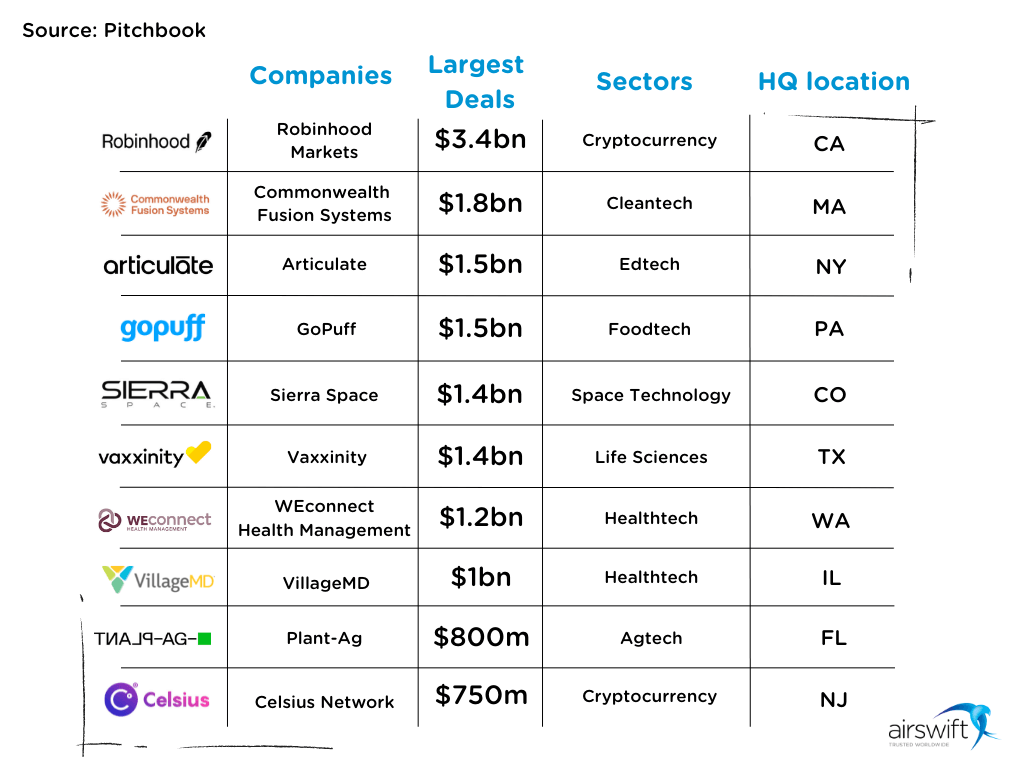
The United States is home to some of the most influential venture capital (VC) funds globally, known for their significant investments in startups and innovative technologies. These funds play a critical role in shaping the future of industries such as technology, healthcare, and fintech. Below is a detailed list of the top VC funds in the US:
- Sequoia Capital: Known for its early investments in companies like Apple, Google, and Airbnb, Sequoia Capital is a powerhouse in the VC world. It focuses on technology, healthcare, and energy sectors.
- Andreessen Horowitz (a16z): This fund is renowned for its investments in tech giants like Facebook, Twitter, and GitHub. It specializes in software, crypto, and biotech startups.
- Accel: With a strong track record of backing companies like Slack, Dropbox, and Spotify, Accel is a leader in early-stage and growth-stage investments.
- Kleiner Perkins: A pioneer in Silicon Valley, Kleiner Perkins has funded companies like Amazon, Google, and Uber. It focuses on technology and life sciences.
- Benchmark: Known for its investments in Twitter, Uber, and Snapchat, Benchmark is a top-tier VC fund that emphasizes early-stage tech startups.
Key Characteristics of Top Venture Capital Funds
Top venture capital funds share several defining characteristics that set them apart from others. These include:
- Proven Track Record: They have a history of successful investments in high-growth companies.
- Strong Networks: They provide startups with access to industry leaders, mentors, and potential partners.
- Diverse Portfolios: They invest across multiple sectors to mitigate risks and maximize returns.
How Venture Capital Funds Operate
Venture capital funds operate by pooling money from investors to fund startups and early-stage companies. Here’s how they typically function:
- Fundraising: They raise capital from limited partners (LPs) such as pension funds, endowments, and wealthy individuals.
- Investment Strategy: They identify high-potential startups and provide funding in exchange for equity.
- Exit Strategies: They aim for exits through IPOs or acquisitions to generate returns for their investors.
Sectors Targeted by Top Venture Capital Funds
Top VC funds focus on specific sectors that promise high growth and innovation. These sectors include:
- Technology: Software, artificial intelligence, and cybersecurity are key areas of interest.
- Healthcare: Biotech, medical devices, and digital health startups receive significant funding.
- Fintech: Innovations in payments, blockchain, and financial services attract substantial investments.
Impact of Venture Capital Funds on the US Economy
Venture capital funds have a profound impact on the US economy by driving innovation and job creation. Their contributions include:
- Job Creation: Startups funded by VCs often grow rapidly, creating thousands of jobs.
- Innovation: They fund groundbreaking technologies that transform industries.
- Economic Growth: Successful startups contribute significantly to GDP and attract further investments.
Who are the Tier 1 VCs?
What Defines a Tier 1 Venture Capital Firm?
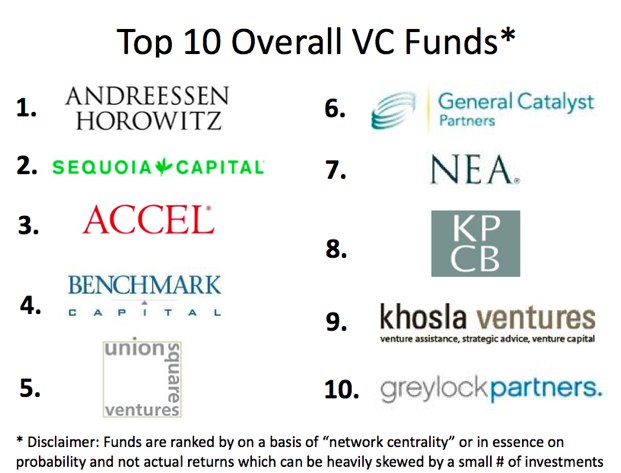
Tier 1 venture capital firms are the most prestigious and influential investors in the startup ecosystem. They are characterized by their ability to consistently identify and fund high-potential startups, often leading to significant returns. These firms typically have:
- Proven track records of successful investments in unicorn companies.
- Extensive networks of industry experts, entrepreneurs, and other investors.
- Large fund sizes, often exceeding billions of dollars, enabling them to make substantial investments.
Top Tier 1 Venture Capital Firms in the World
Some of the most renowned Tier 1 VCs globally include:
- Sequoia Capital: Known for early investments in companies like Apple, Google, and Airbnb.
- Andreessen Horowitz (a16z): A leader in tech investments, backing firms like Facebook and GitHub.
- Accel: Famous for its early stake in Facebook and other tech giants.
- Kleiner Perkins: A pioneer in venture capital, with investments in Amazon and Google.
- Benchmark: Known for its hands-on approach and investments in Uber and Twitter.
How Tier 1 VCs Differ from Other Investors
Tier 1 VCs stand out due to their unique characteristics:
- High selectivity: They invest in only the most promising startups with disruptive potential.
- Active involvement: They often provide strategic guidance and mentorship to portfolio companies.
- Global reach: They operate across multiple geographies, giving startups access to international markets.
The Investment Strategy of Tier 1 VCs
Tier 1 venture capital firms employ a distinct investment strategy:
- Focus on early-stage investments: They often invest in seed and Series A rounds to maximize returns.
- Diversification across sectors: They invest in a wide range of industries, from tech to healthcare.
- Long-term vision: They prioritize startups with scalable business models and long-term growth potential.
Why Startups Seek Funding from Tier 1 VCs
Startups aim to secure funding from Tier 1 VCs for several reasons:
- Credibility and validation: Association with a Tier 1 VC enhances a startup's reputation.
- Access to resources: These firms provide not just capital but also mentorship, networks, and operational support.
- Higher chances of success: Tier 1 VCs have a history of turning startups into industry leaders.
What is the 100 10 1 rule in venture capital?

What is the 100 10 1 Rule in Venture Capital?
The 100 10 1 rule is a principle used by venture capitalists to evaluate and manage their investment portfolios. It suggests that for every 100 startups a venture capitalist reviews, they might invest in 10, and out of those 10, only 1 is expected to deliver significant returns. This rule highlights the high-risk, high-reward nature of venture capital investments, where most startups fail, but a few succeed spectacularly.
Why is the 100 10 1 Rule Important in Venture Capital?
The 100 10 1 rule is crucial because it helps venture capitalists manage risk and set realistic expectations. By understanding that only a small fraction of investments will yield substantial returns, investors can:
- Diversify their portfolio to spread risk across multiple startups.
- Focus on high-potential opportunities that align with their investment thesis.
- Prepare for losses as part of the investment process, ensuring financial stability.
How Does the 100 10 1 Rule Impact Startup Selection?
When applying the 100 10 1 rule, venture capitalists use rigorous criteria to select startups. This process involves:
- Evaluating market potential to ensure the startup operates in a growing industry.
- Assessing the founding team for experience, vision, and execution capabilities.
- Analyzing scalability to determine if the startup can grow rapidly and generate significant returns.
What Are the Challenges of the 100 10 1 Rule?
While the 100 10 1 rule provides a framework for decision-making, it also presents challenges, such as:
- Identifying the right startups among thousands of potential candidates.
- Managing portfolio balance to avoid over-concentration in a single sector.
- Dealing with uncertainty, as even promising startups can fail due to unforeseen factors.
How Can Startups Benefit from Understanding the 100 10 1 Rule?
Startups can leverage the 100 10 1 rule to improve their chances of securing venture capital by:
- Tailoring their pitch to align with investor expectations and criteria.
- Demonstrating scalability and market potential to stand out among competitors.
- Building a strong team that inspires confidence in their ability to execute the business plan.
Frequently Asked Questions (FAQs)
What are the key factors that define the best performing venture capital funds of all time?
The best performing venture capital funds are typically defined by their ability to generate exceptional returns for their investors. Key factors include the size of the fund, the quality of the portfolio companies, and the timing of investments. Funds that have backed unicorn companies (startups valued at over $1 billion) or have successfully exited through IPOs or acquisitions often rank among the top performers. Additionally, the track record of the fund managers and their ability to identify and nurture high-growth startups play a critical role in determining success.
Which venture capital funds are considered the most successful in history?
Some of the most successful venture capital funds in history include Sequoia Capital, Andreessen Horowitz, and Accel Partners. Sequoia Capital, for instance, is renowned for its early investments in companies like Apple, Google, and WhatsApp. Andreessen Horowitz has backed giants such as Facebook, Twitter, and Airbnb. Accel Partners is celebrated for its early investment in Facebook, which yielded massive returns. These funds have consistently demonstrated the ability to identify and support high-growth startups that redefine industries.
How do venture capital funds achieve such high returns?
Venture capital funds achieve high returns by investing in early-stage companies with significant growth potential. They often take calculated risks on innovative ideas and disruptive technologies. Successful funds employ a combination of rigorous due diligence, strategic mentorship, and active involvement in their portfolio companies. Additionally, they benefit from diversification across multiple startups, which helps mitigate risks. When one or more of these startups achieve exponential growth or a lucrative exit, the returns can far outweigh the losses from other investments.
What role does timing play in the success of venture capital funds?
Timing is a critical factor in the success of venture capital funds. Investing in startups during the right stage of their growth cycle can significantly impact returns. For example, funds that invested in tech companies during the early days of the internet boom or the rise of mobile technology reaped substantial rewards. Similarly, identifying emerging trends and industries before they become mainstream allows funds to secure stakes in startups at lower valuations. However, poor timing, such as investing during a market bubble or economic downturn, can lead to underperformance or losses.
Leave a Reply
Our Recommended Articles