
How Do I Pitch an Idea to a Seed Fund or a Vc?

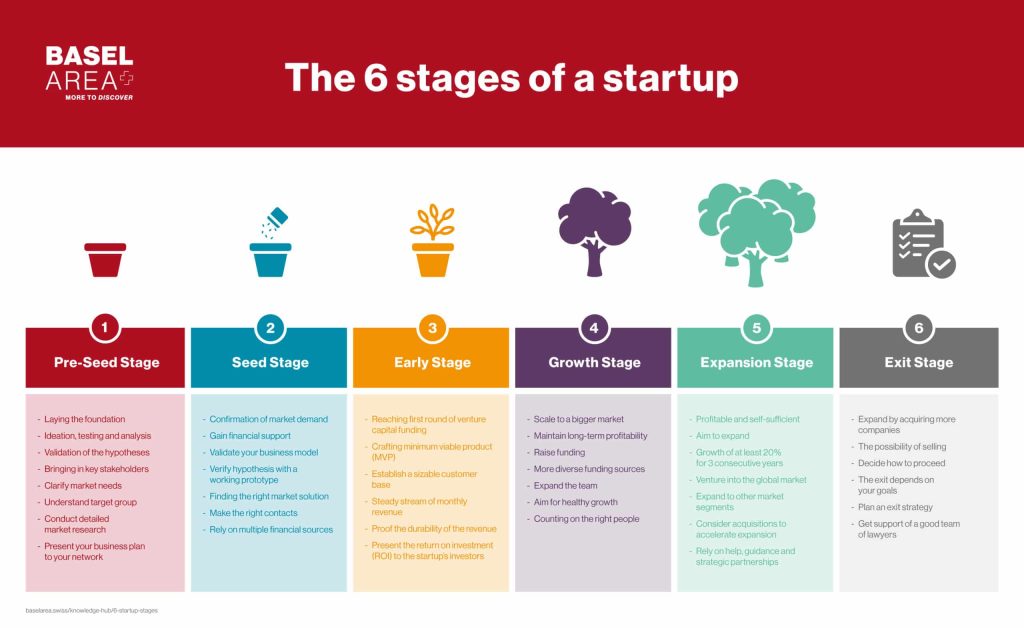
Pitching an idea to a seed fund or venture capitalist (VC) is a critical step for entrepreneurs seeking to turn their vision into reality. Securing funding requires more than just a great idea; it demands a compelling narrative, a clear understanding of the market, and a well-defined strategy for growth. Investors look for teams that demonstrate passion, expertise, and the ability to execute. Crafting a pitch that resonates involves balancing innovation with practicality, showcasing potential returns, and addressing risks. This article explores the essential elements of a successful pitch, offering actionable insights to help entrepreneurs navigate the competitive landscape of fundraising and capture investor interest.
How Do I Pitch an Idea to a Seed Fund or a VC?
Pitching an idea to a seed fund or venture capitalist (VC) is a critical step for entrepreneurs seeking funding to bring their vision to life. It requires a combination of preparation, clarity, and confidence. Below, we break down the process into actionable steps to help you craft a compelling pitch.
See Also How to Become a Vc Without Money of My Own to Invest
1. Understand Your Audience
Before approaching a seed fund or VC, it’s essential to research and understand their investment focus. Seed funds and VCs often specialize in specific industries, stages, or geographies. Tailor your pitch to align with their interests and demonstrate how your idea fits their portfolio.
| Key Aspect | Why It Matters |
|---|---|
| Investment Focus | Ensures your idea aligns with their goals. |
| Portfolio Companies | Shows you’ve done your homework. |
| Stage Preference | Helps you target the right investors. |
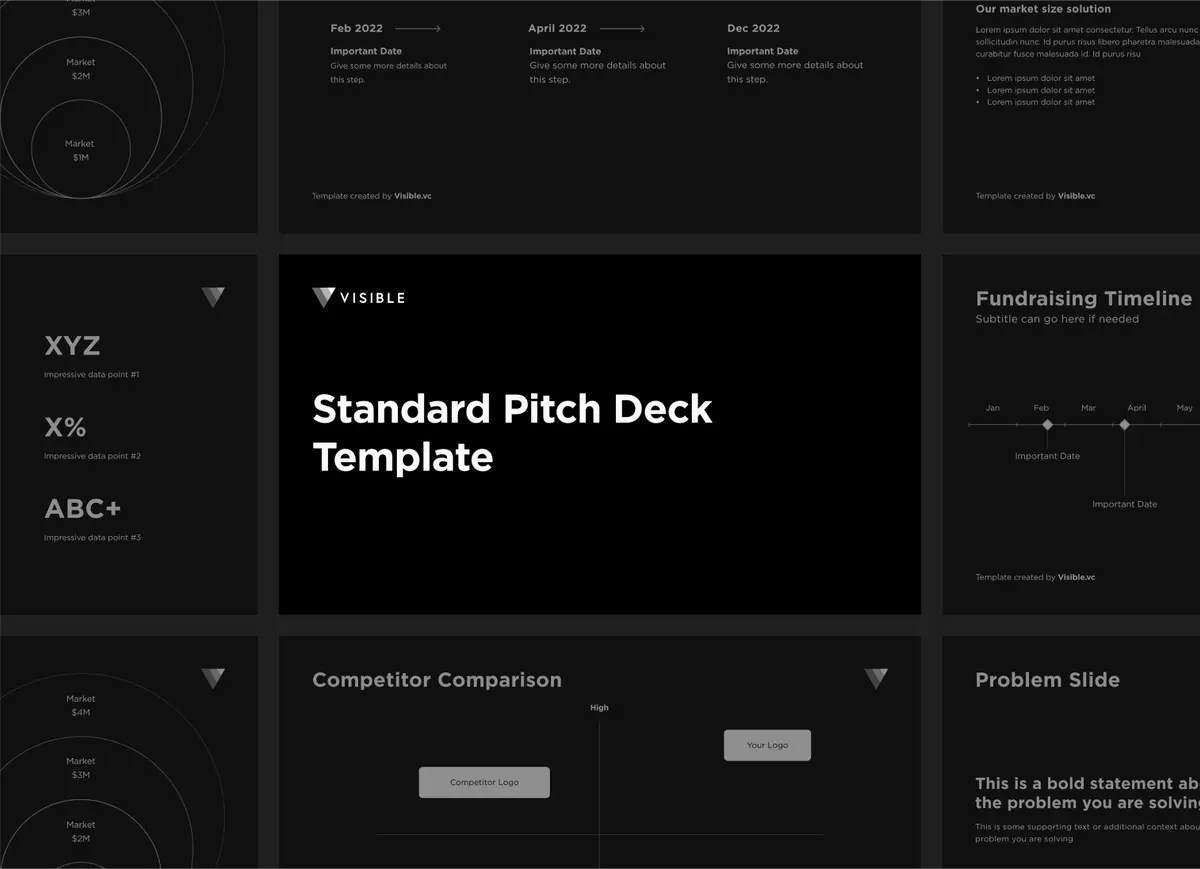
2. Craft a Clear and Concise Pitch Deck
Your pitch deck is your first impression. It should be visually appealing, concise, and structured to highlight the most critical aspects of your idea. Focus on the problem, solution, market opportunity, and traction.
See Also What Do Venture Capital Firms Assess Before Investing in New Gaming Studios
| Slide | Content |
|---|---|
| Problem | Define the pain point clearly. |
| Solution | Explain how your idea solves the problem. |
| Market Size | Show the potential for growth. |
| Traction | Highlight milestones or early success. |
3. Demonstrate Market Potential
Investors want to see that your idea addresses a significant market opportunity. Use data to back up your claims about the market size, growth rate, and target audience. This helps build confidence in your idea’s scalability.
| Metric | Why It’s Important |
|---|---|
| Total Addressable Market (TAM) | Shows the overall opportunity. |
| Serviceable Available Market (SAM) | Indicates the realistic reach. |
| Serviceable Obtainable Market (SOM) | Demonstrates achievable goals. |
4. Highlight Your Team’s Expertise
Investors often bet on the team as much as the idea. Showcase your team’s experience, skills, and track record. Highlight any previous successes or relevant expertise that positions your team as capable of executing the idea.
See Also What Are All Pros and Cons of Venture Capital?
| Team Member | Role | Relevant Experience |
|---|---|---|
| Founder | CEO | 10+ years in tech startups. |
| Co-Founder | CTO | Expertise in AI and machine learning. |
| Advisor | Industry Expert | Former executive at a Fortune 500 company. |
5. Prepare for Tough Questions
Investors will challenge your assumptions and ask tough questions. Be ready to defend your business model, revenue projections, and competitive advantage. Practice your responses to ensure you remain confident and composed.
| Common Question | How to Respond |
|---|---|
| What’s your competitive edge? | Highlight unique features or IP. |
| How will you scale? | Outline your growth strategy. |
| What’s your exit strategy? | Discuss potential acquisition or IPO plans. |
How to pitch for seed funding?
 What is a Waterfall in Private Equity?
Understanding the Basics of Seed Funding
Seed funding is the initial capital raised by a startup to prove its concept, build a prototype, or achieve early milestones. To pitch effectively, you must understand the fundamentals of what investors are looking for. Here are the key points to consider:
- Clear Problem Statement: Define the problem your product or service solves.
- Unique Value Proposition: Explain how your solution is different and better than existing alternatives.
- Market Opportunity: Show the size and potential of the market you are targeting.
Crafting a Compelling Pitch Deck
A well-structured pitch deck is essential for capturing investor interest. It should be concise, visually appealing, and tell a compelling story. Focus on the following elements:
- Introduction Slide: Briefly introduce your team and the problem you are solving.
- Solution Slide: Highlight your product or service and its unique features.
- Traction Slide: Show any early traction, such as user growth, partnerships, or revenue.
Identifying the Right Investors
Not all investors are the same. To increase your chances of success, target those who align with your industry, stage, and vision. Consider the following steps:
- Research Investors: Look for investors who have funded similar startups.
- Network: Leverage your connections to get warm introductions.
- Tailor Your Pitch: Customize your pitch to resonate with each investor's interests.
Mastering the Art of Storytelling
Investors are more likely to fund a startup with a compelling narrative. Your pitch should tell a story that connects emotionally and logically. Focus on these storytelling techniques:
- Start with the Problem: Make the problem relatable and urgent.
- Show the Journey: Explain how you discovered the solution and the steps you've taken so far.
- End with Vision: Paint a picture of the future and how the investor can be part of it.
Preparing for Tough Questions
Investors will challenge your assumptions and ask tough questions. Being prepared demonstrates confidence and credibility. Here’s how to handle it:
- Anticipate Questions: Think about potential concerns, such as market competition or scalability.
- Practice Responses: Rehearse clear and concise answers to common questions.
- Be Honest: If you don’t know the answer, admit it and explain how you’ll find out.
How to pitch an idea to a VC?

Understanding the VC's Perspective
When pitching an idea to a venture capitalist (VC), it is crucial to understand their perspective. VCs are looking for high-growth potential, scalability, and a strong return on investment. To align your pitch with their goals, focus on the following:
- Market size: Clearly define the total addressable market (TAM) and explain how your idea taps into a significant opportunity.
- Problem-solution fit: Highlight the problem your idea solves and why it is a pressing issue for your target audience.
- Team expertise: Showcase your team's experience and skills, emphasizing why you are the right group to execute the idea.
Crafting a Compelling Story
A successful pitch is more than just numbers; it tells a compelling story that resonates with the VC. Structure your narrative to include:
- Start with a hook that grabs attention, such as a surprising statistic or a relatable anecdote.
- Problem statement: Clearly articulate the pain point your target audience faces.
- Solution: Present your idea as the ideal solution, explaining how it works and why it is unique.
- Impact: Conclude with the potential impact of your solution, both financially and socially.
Preparing a Clear and Concise Pitch Deck
Your pitch deck is a visual representation of your idea and should be clear, concise, and engaging. Include the following key slides:
- Title slide: Introduce your company name, logo, and a tagline that summarizes your idea.
- Problem slide: Define the problem and its significance.
- Solution slide: Explain your product or service and how it addresses the problem.
- Market opportunity: Provide data on the market size and growth potential.
- Business model: Outline how you plan to generate revenue.
- Traction: Share any milestones, such as user growth, partnerships, or revenue.
- Team slide: Highlight your team's qualifications and experience.
- Ask slide: Clearly state how much funding you need and how it will be used.
Demonstrating Traction and Validation
VCs want to see evidence that your idea has traction and validation in the market. To demonstrate this, include:
- Customer testimonials: Share feedback from early adopters or pilot users.
- Revenue metrics: Provide data on sales, recurring revenue, or other financial indicators.
- Partnerships: Highlight any collaborations with established companies or organizations.
- User growth: Showcase metrics like monthly active users (MAU) or customer acquisition rates.
Handling Questions and Objections
During your pitch, be prepared to answer questions and address objections confidently. To handle this effectively:
- Anticipate questions: Think about potential concerns the VC might have and prepare clear, data-backed responses.
- Stay calm and composed: Maintain a confident demeanor, even if faced with tough questions.
- Be honest: If you don’t know the answer, admit it and offer to follow up later with more information.
- Turn objections into opportunities: Use objections as a chance to further explain your idea and its potential.
What is the 100 10 1 rule in venture capital?

What is the 100 10 1 Rule in Venture Capital?
The 100 10 1 rule in venture capital is a strategy used by investors to manage risk and maximize returns. It involves evaluating a large number of potential investments, narrowing them down, and ultimately selecting a few high-potential startups. The rule suggests that for every 100 deals a venture capitalist reviews, they will seriously consider 10 deals, and eventually invest in 1 startup. This approach helps investors focus on quality over quantity and ensures a disciplined investment process.
How Does the 100 10 1 Rule Work?
The 100 10 1 rule operates in three distinct phases:
- Deal Sourcing: Venture capitalists review approximately 100 potential investment opportunities, often sourced through networks, referrals, or pitch events.
- Due Diligence: From the initial 100, they narrow down to 10 deals that show the most promise based on factors like market potential, team expertise, and innovation.
- Final Investment: After thorough analysis, only 1 startup is selected for investment, ensuring that the chosen company aligns with the investor's risk tolerance and return expectations.
Why is the 100 10 1 Rule Important in Venture Capital?
The 100 10 1 rule is crucial for venture capitalists because it:
- Minimizes Risk: By evaluating a large pool of startups, investors can identify and avoid high-risk opportunities.
- Focuses on Quality: The rule ensures that only the most promising startups receive funding, increasing the likelihood of success.
- Optimizes Resources: It allows investors to allocate their time, money, and expertise efficiently.
What Are the Challenges of Applying the 100 10 1 Rule?
While the 100 10 1 rule is effective, it comes with challenges:
- Time-Consuming: Reviewing 100 deals requires significant time and effort.
- Subjectivity: The selection process can be influenced by personal biases or limited information.
- Missed Opportunities: Some potentially successful startups may be overlooked during the narrowing-down process.
How Can Startups Benefit from Understanding the 100 10 1 Rule?
Startups can leverage the 100 10 1 rule to improve their chances of securing funding by:
- Standing Out: Ensuring their pitch and business model are compelling enough to stand out among 100 competitors.
- Preparing Thoroughly: Providing detailed and accurate information to pass the due diligence phase.
- Building Relationships: Networking with investors to increase visibility and trust.
How do I get seed funding for my idea?
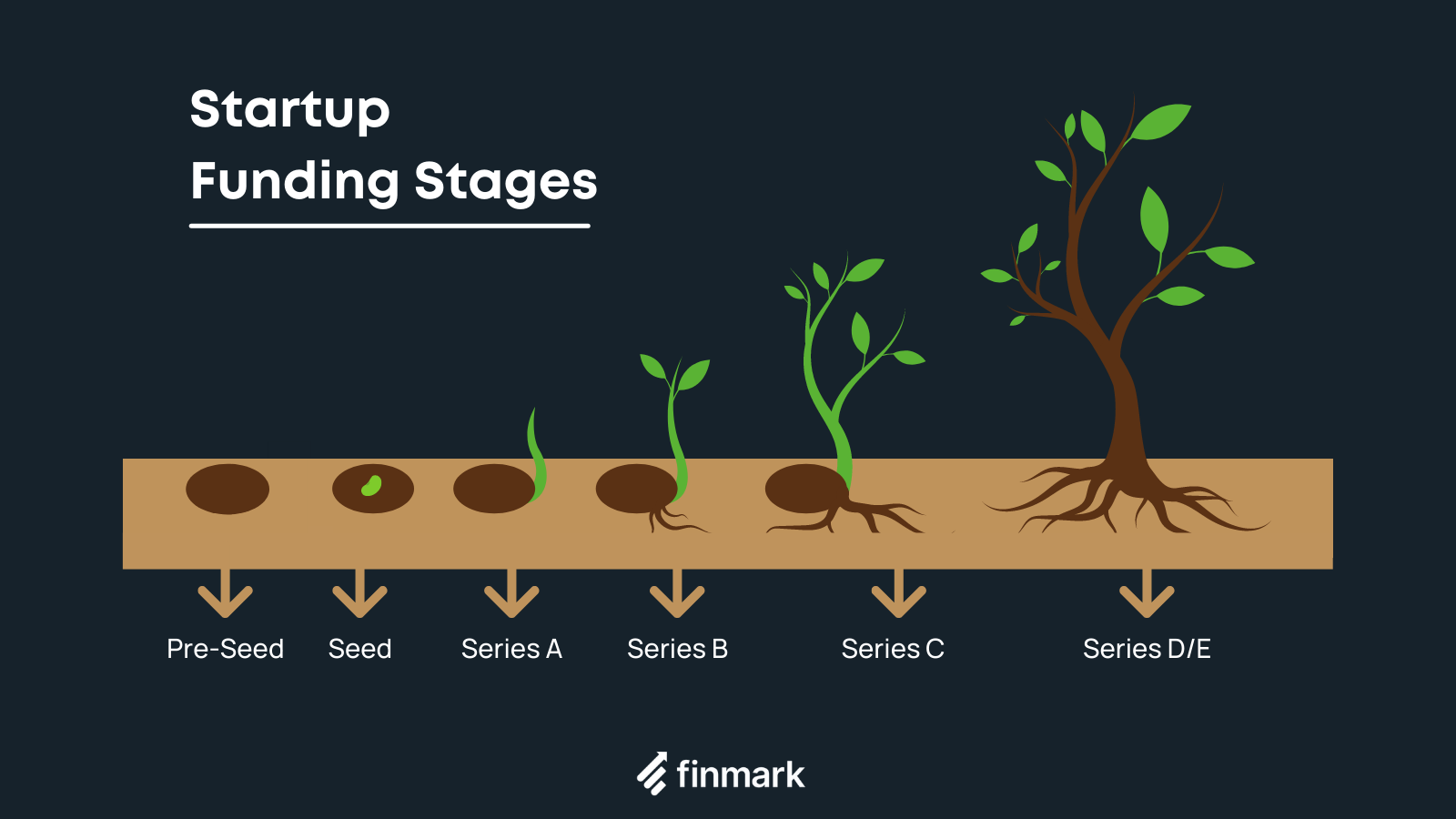
Understanding Seed Funding
Seed funding is the initial capital used to start a business or develop a new product. It is typically used to cover early-stage expenses such as market research, product development, and initial marketing efforts. To secure seed funding, you need to have a clear and compelling business idea, a well-thought-out business plan, and a strong pitch to attract investors.
- Identify your target market: Clearly define who your potential customers are and why they need your product or service.
- Develop a business plan: Outline your business model, revenue streams, and growth strategy.
- Prepare a pitch deck: Create a presentation that highlights the problem you're solving, your solution, and the potential market size.
Building a Strong Network
Networking is crucial for securing seed funding. Building relationships with potential investors, mentors, and other entrepreneurs can open doors to funding opportunities. Attend industry events, join startup incubators, and leverage online platforms to connect with the right people.
- Attend industry events: Participate in conferences, meetups, and workshops to meet potential investors and industry experts.
- Join startup incubators: These programs often provide mentorship, resources, and access to investors.
- Leverage online platforms: Use platforms like LinkedIn and AngelList to connect with investors and showcase your startup.
Creating a Minimum Viable Product (MVP)
An MVP is a version of your product with just enough features to attract early adopters and validate your business idea. Having an MVP can significantly increase your chances of securing seed funding as it demonstrates that your idea has potential and can attract customers.
- Focus on core features: Develop only the essential features that solve the primary problem for your target audience.
- Gather user feedback: Use the MVP to collect feedback from early users and iterate on your product.
- Show traction: Demonstrate that your MVP has gained some initial traction, such as user sign-ups or early sales.
Approaching Angel Investors and Venture Capitalists
Angel investors and venture capitalists are common sources of seed funding. These investors provide capital in exchange for equity in your company. To attract their interest, you need to present a compelling case for why your business is a good investment.
- Research potential investors: Identify investors who have a history of investing in your industry or similar startups.
- Tailor your pitch: Customize your pitch to align with the interests and investment criteria of each investor.
- Be prepared for due diligence: Have all necessary documents and data ready to answer any questions investors may have.
Exploring Crowdfunding and Grants
Crowdfunding and grants are alternative ways to secure seed funding without giving up equity. Crowdfunding platforms allow you to raise small amounts of money from a large number of people, while grants are non-repayable funds provided by governments or organizations.
- Choose the right platform: Select a crowdfunding platform that aligns with your business type and goals, such as Kickstarter or Indiegogo.
- Create a compelling campaign: Develop a strong narrative, visuals, and rewards to attract backers.
- Apply for grants: Research and apply for grants that are relevant to your industry or business model.
Frequently Asked Questions (FAQs)
What should I include in my pitch to a seed fund or VC?
When pitching to a seed fund or VC, your presentation should be concise yet comprehensive. Start with a clear problem statement that your idea solves, followed by your solution and how it stands out from competitors. Highlight your market opportunity, including the size and growth potential of the target market. Include a business model that explains how you plan to generate revenue. Additionally, showcase your team's expertise and why they are the right people to execute the idea. Finally, provide a financial projection that outlines expected growth and profitability.
How do I make my pitch stand out to investors?
To make your pitch stand out, focus on storytelling and clarity. Investors hear countless pitches, so yours needs to be memorable. Start with a compelling narrative that connects emotionally and logically. Use data-driven insights to back up your claims and demonstrate a deep understanding of the market. Highlight your unique value proposition and any traction you’ve already achieved, such as early customers, partnerships, or prototypes. Be confident, but also show humility and a willingness to learn. Finally, tailor your pitch to the specific investor, showing how your idea aligns with their investment thesis.
What are common mistakes to avoid when pitching to a seed fund or VC?
One common mistake is being unprepared or overly vague. Investors expect you to know your business inside and out, so avoid vague answers or lack of detail. Another mistake is overestimating your market size or growth potential without credible data. Additionally, avoid focusing too much on the product and not enough on the business model or scalability. Don’t neglect to address risks and how you plan to mitigate them. Lastly, avoid being overly aggressive or dismissive of feedback; investors value collaboration and open-mindedness.
How important is traction when pitching to a seed fund or VC?
Traction is critical when pitching to a seed fund or VC because it demonstrates that your idea has real-world validation. Investors want to see evidence that your product or service has market demand. This could include metrics like user growth, revenue, customer testimonials, or partnerships. Even if you’re in the early stages, showing a minimum viable product (MVP) or pilot program can significantly strengthen your pitch. Traction reduces perceived risk and increases confidence in your ability to execute, making it a key factor in securing funding.
Leave a Reply
Our Recommended Articles