
What Are All Pros and Cons of Venture Capital?

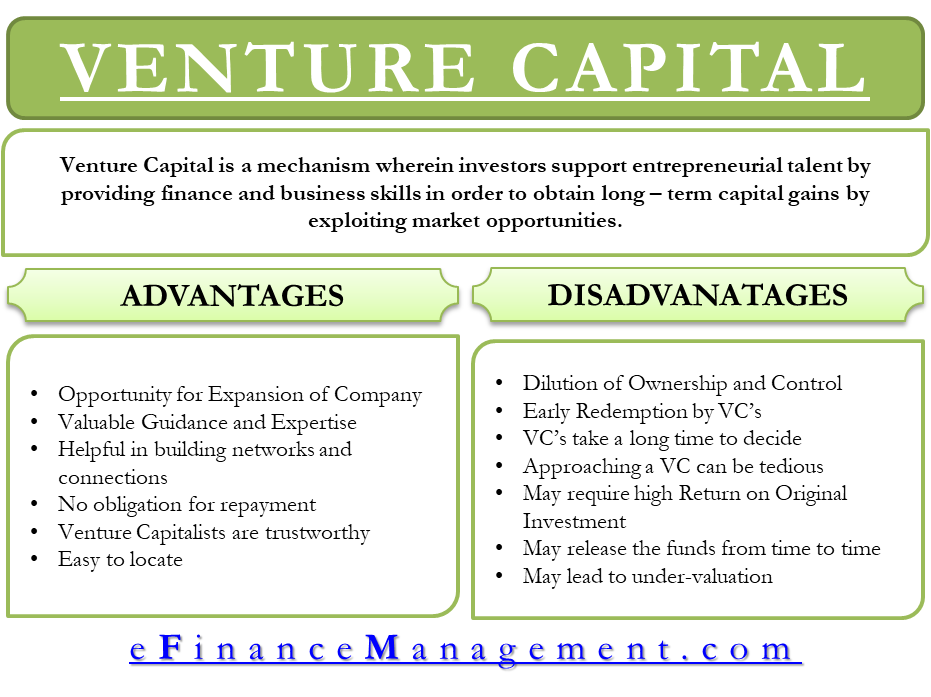
Venture capital (VC) is a form of financing that provides startups and growing businesses with the funds needed to scale operations, innovate, and enter new markets. While it has become a popular avenue for entrepreneurs seeking rapid growth, it comes with its own set of advantages and challenges. On one hand, venture capital offers access to substantial financial resources, mentorship, and industry connections. On the other, it often involves relinquishing equity and control, along with high expectations for returns. Understanding the pros and cons of venture capital is crucial for entrepreneurs deciding whether this funding model aligns with their business goals and long-term vision.
What Are All Pros and Cons of Venture Capital?
Venture capital (VC) is a form of private equity financing that investors provide to early-stage, high-potential startups. While it can be a game-changer for businesses, it also comes with its own set of advantages and disadvantages. Below, we explore the key pros and cons of venture capital in detail.
See Also What Are the Advantages and Disadvantages of Using Venture Capital as a Source of Financing Business
1. Access to Significant Funding
One of the most significant advantages of venture capital is the access to substantial funding. Startups often struggle to secure traditional bank loans due to their lack of collateral or proven track record. Venture capitalists, however, are willing to invest large sums of money in exchange for equity. This influx of capital can help businesses scale quickly, develop new products, and enter new markets.
2. Expertise and Mentorship
Venture capitalists often bring more than just money to the table. They provide valuable expertise, mentorship, and industry connections. Many VCs have extensive experience in growing businesses and can offer strategic guidance, helping startups avoid common pitfalls and accelerate their growth.
See Also What is a Major Drawback of Accepting Venture Capital?
3. Risk of Losing Control
A major drawback of venture capital is the risk of losing control over your company. In exchange for funding, VCs typically require a significant equity stake, which can lead to a loss of decision-making power. Founders may find themselves having to consult with investors on major business decisions, which can sometimes lead to conflicts.
4. Pressure for Rapid Growth
Venture capitalists expect a high return on their investment, which often translates into pressure for rapid growth. This can lead to aggressive expansion strategies that may not always align with the founder's vision or the company's long-term sustainability. The focus on quick returns can sometimes compromise the quality of the product or service.
See Also Whats the Difference Between Venture Capital and Corporate Development
5. Dilution of Ownership
Another downside of venture capital is the dilution of ownership. As VCs take equity in the company, the original founders' share of ownership decreases. This can be particularly problematic if multiple rounds of funding are required, as each round further dilutes the founders' stake.
| Aspect | Pros | Cons |
|---|---|---|
| Funding | Access to significant capital | High expectations for returns |
| Control | Expertise and mentorship | Risk of losing control |
| Growth | Potential for rapid scaling | Pressure for rapid growth |
| Ownership | No need for collateral | Dilution of ownership |
| Support | Industry connections | Potential conflicts with investors |
Understanding the Advantages and Disadvantages of Venture Capital
1. Access to Significant Funding
One of the most significant advantages of venture capital is the access to substantial funding. Startups and growing businesses often struggle to secure the necessary capital to scale their operations, and venture capital provides a solution to this challenge. Unlike traditional bank loans, venture capital does not require immediate repayment, which can alleviate financial pressure on the company. Additionally, venture capitalists are often willing to invest large sums of money in exchange for equity, enabling businesses to pursue ambitious growth strategies. However, this influx of capital comes at the cost of diluting ownership, which can lead to a loss of control over the company's direction.
See Also What Are the Benefits of Attending Uc Berkeleys Executive Program in Venture Capital for an Aspiring Vc Does It Compare With Kauffman
2. Expertise and Mentorship from Investors
Venture capitalists bring more than just money to the table; they often provide valuable expertise and mentorship. Many venture capitalists have extensive experience in the industry and can offer strategic guidance, networking opportunities, and operational support. This can be particularly beneficial for first-time entrepreneurs who may lack the knowledge or connections to navigate complex business landscapes. However, it's important to note that not all venture capitalists are equally hands-on, and some may prioritize financial returns over the long-term success of the business. Entrepreneurs should carefully evaluate the level of involvement they desire from their investors.
3. Accelerated Growth and Market Expansion
With the backing of venture capital, companies can achieve accelerated growth and expand into new markets more quickly than they could on their own. The infusion of funds allows businesses to invest in research and development, hire top talent, and scale their operations at a rapid pace. This can be a game-changer for startups looking to establish a competitive edge in their industry. However, rapid growth can also come with challenges, such as overextension and the risk of losing focus on core business objectives. Companies must strike a balance between growth and sustainability to ensure long-term success.
4. Loss of Control and Decision-Making Power
One of the most significant drawbacks of venture capital is the potential loss of control over the company. In exchange for funding, venture capitalists typically acquire equity and may demand a seat on the board of directors. This can lead to conflicts over strategic decisions, as investors may prioritize short-term financial gains over the founder's long-term vision. Additionally, the pressure to deliver high returns can create a stressful environment for entrepreneurs. It's crucial for founders to carefully consider the trade-offs between funding and autonomy before entering into a venture capital agreement.
5. High Expectations and Pressure to Perform
Venture capitalists invest with the expectation of achieving high returns on their investment, often within a relatively short timeframe. This can create significant pressure to perform for the company's leadership team. The focus on rapid growth and profitability may lead to cutting corners or making decisions that prioritize short-term gains over long-term sustainability. Furthermore, if the company fails to meet the investors' expectations, it may face challenges in securing additional funding or even risk being forced to sell or shut down. Entrepreneurs must be prepared to navigate these pressures and maintain a clear focus on their business goals.
Frequently Asked Questions (FAQs)
What are the main advantages of venture capital?
Venture capital offers several significant benefits for startups and growing businesses. One of the primary advantages is access to substantial funding, which can help companies scale quickly and achieve their growth objectives. Additionally, venture capitalists often bring valuable expertise, mentorship, and industry connections to the table, which can be instrumental in navigating challenges and seizing opportunities. Another key benefit is that venture capital does not require immediate repayment, unlike traditional loans, allowing businesses to focus on growth without the pressure of debt.
What are the potential drawbacks of venture capital?
While venture capital can be highly beneficial, it also comes with certain disadvantages. One major drawback is the loss of equity and control, as investors typically require a significant ownership stake in the company. This can lead to reduced decision-making power for the founders. Additionally, venture capitalists often have high expectations for returns, which can create pressure to achieve rapid growth and profitability. There is also the risk of misaligned goals between founders and investors, which can lead to conflicts over the company's direction.
How does venture capital impact a company's growth trajectory?
Venture capital can significantly accelerate a company's growth trajectory by providing the necessary resources to expand operations, enter new markets, and develop innovative products or services. The infusion of capital allows businesses to hire top talent, invest in research and development, and scale marketing efforts. However, this rapid growth can also come with challenges, such as the need to manage increased operational complexity and maintain a strong company culture during periods of expansion.
What should businesses consider before seeking venture capital?
Before pursuing venture capital, businesses should carefully evaluate whether it aligns with their long-term goals and vision. It is essential to consider the trade-offs, such as giving up equity and control, and to assess whether the company is prepared to meet the high expectations of investors. Additionally, businesses should research potential investors to ensure they bring not only capital but also relevant expertise and a shared vision for the company's future. Finally, it is crucial to have a clear plan for how the funds will be used to drive growth and create value.
Leave a Reply
Our Recommended Articles