
Where Are Most Venture Capital Firms Located?


Venture capital firms play a pivotal role in fueling innovation and supporting startups worldwide. These firms are not evenly distributed across the globe but tend to cluster in specific regions known for their entrepreneurial ecosystems, access to talent, and robust financial markets. Understanding where most venture capital firms are located provides valuable insights into the hubs of innovation and economic growth. From Silicon Valley’s dominance to emerging hotspots in Asia and Europe, the geographic concentration of venture capital reflects broader trends in technology, business, and investment. This article explores the key locations where venture capital firms thrive and the factors driving their geographic preferences.
- Where Are Most Venture Capital Firms Located?
- Which city has the most venture capitalists?
- Which country has the most venture capitalists?
-
What state has the most venture capitalists?
- Why Does California Have the Most Venture Capitalists?
- Which Cities in California Are Most Popular for Venture Capitalists?
- What Industries Attract Venture Capitalists in California?
- How Does California Compare to Other States in Venture Capital Activity?
- What Are the Challenges for Venture Capitalists in California?
- What is the 2 6 2 rule of venture capital?
- Frequently Asked Questions (FAQs)
Where Are Most Venture Capital Firms Located?
Venture capital firms are primarily concentrated in regions that are hubs for innovation, technology, and entrepreneurship. These locations often have a strong ecosystem of startups, universities, and established companies, making them attractive for venture capital investment. Below, we explore the key regions where most venture capital firms are located and why these areas are so significant.
See Also Why Are There So Many Venture Capitalists and Businesses Moving to Miami From San Francisco
1. Silicon Valley: The Epicenter of Venture Capital
Silicon Valley, located in the San Francisco Bay Area of California, is arguably the most famous hub for venture capital firms. It is home to some of the world's largest tech companies, such as Apple, Google, and Facebook, as well as countless startups. The region's culture of innovation, access to top talent from nearby universities like Stanford, and a dense network of investors make it a magnet for venture capital.
2. New York City: A Growing Venture Capital Hub
New York City has emerged as a major player in the venture capital scene, particularly in industries like fintech, media, and e-commerce. The city's diverse economy, access to global markets, and presence of major financial institutions have attracted a growing number of venture capital firms. Additionally, NYC's vibrant startup ecosystem and proximity to other East Coast tech hubs contribute to its appeal.
See AlsoWhat Are the Top Vc Firms With a Dedicated Nyc Office?3. Boston: A Leader in Biotech and Education-Driven Innovation
Boston is renowned for its strong focus on biotechnology, healthcare, and education-driven innovation. With world-class institutions like Harvard and MIT, the city has a steady pipeline of talent and groundbreaking research. Venture capital firms in Boston often invest in cutting-edge technologies and life sciences, making it a key player in these sectors.
4. London: Europe's Venture Capital Powerhouse
London is the leading hub for venture capital in Europe, attracting firms from across the globe. The city's strategic location, robust financial services sector, and diverse startup ecosystem make it a prime destination for venture capital investment. London is particularly strong in fintech, AI, and creative industries, supported by a favorable regulatory environment.
See Also Are There Vc Firms That Invest in Sport Related Startups?
5. Beijing and Shanghai: Asia's Venture Capital Giants
In Asia, Beijing and Shanghai dominate the venture capital landscape. These cities are home to some of the world's largest tech companies, such as Alibaba and Tencent, and have thriving startup ecosystems. Government support, a large consumer market, and rapid technological advancements have made China a hotspot for venture capital activity.
| Region | Key Industries | Notable Firms |
|---|---|---|
| Silicon Valley | Technology, Software, AI | Sequoia Capital, Andreessen Horowitz |
| New York City | Fintech, Media, E-commerce | Union Square Ventures, Bessemer Venture Partners |
| Boston | Biotech, Healthcare, Education | General Catalyst, Battery Ventures |
| London | Fintech, AI, Creative Industries | Balderton Capital, Atomico |
| Beijing/Shanghai | Technology, E-commerce, AI | Sequoia Capital China, Hillhouse Capital |
Which city has the most venture capitalists?
 What Kind of Venture Capital Firms Invest in Entertainment Companies or Properties
Which City Has the Most Venture Capitalists?
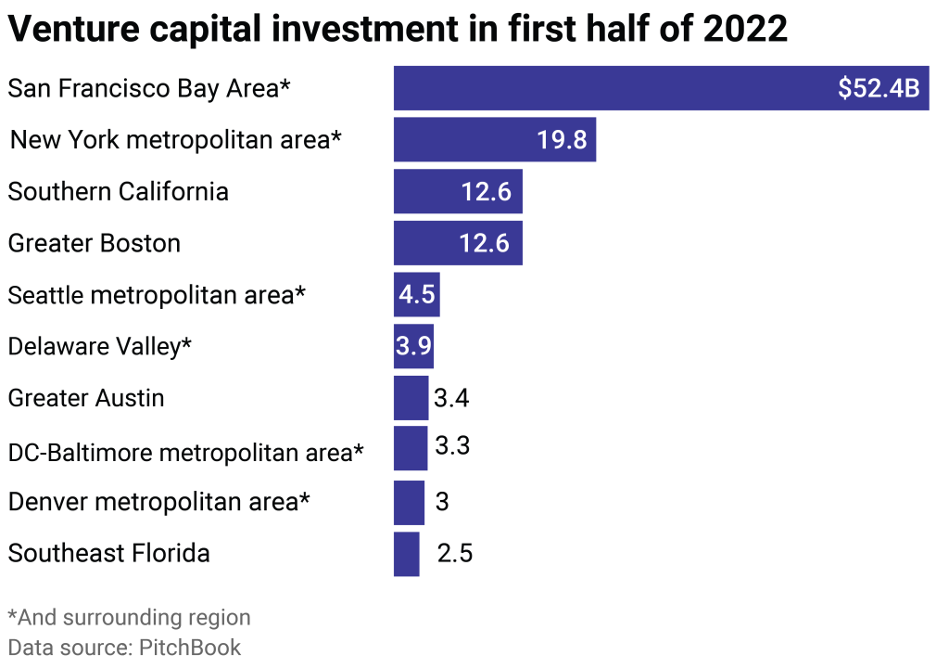
The city with the most venture capitalists is San Francisco, located in the heart of Silicon Valley. This region is globally recognized as the epicenter of technology and innovation, attracting a high concentration of venture capital firms and investors. The proximity to leading tech companies, startups, and a robust entrepreneurial ecosystem makes San Francisco the top choice for venture capitalists.
Why is San Francisco the Hub for Venture Capitalists?
San Francisco's dominance in the venture capital landscape can be attributed to several factors:
See Also Venture Capital: Which Vcs Blog?
- Proximity to Silicon Valley: The city is adjacent to Silicon Valley, home to tech giants like Apple, Google, and Facebook, creating a fertile ground for investment opportunities.
- Thriving Startup Ecosystem: The city hosts a dense network of startups, accelerators, and incubators, making it a hotspot for venture capitalists seeking high-growth companies.
- Access to Talent: San Francisco attracts top-tier talent from around the world, ensuring a steady pipeline of innovative ideas and skilled entrepreneurs.
How Does San Francisco Compare to Other Major Cities?
While San Francisco leads, other cities also have significant venture capital activity:
- New York City: Known for its diverse economy, NYC is a major hub for fintech, media, and healthcare startups, attracting substantial venture capital.
- Boston: With its strong academic institutions like MIT and Harvard, Boston excels in biotech and life sciences investments.
- Los Angeles: LA is growing rapidly in venture capital, particularly in entertainment tech, e-commerce, and consumer goods.
What Industries Attract Venture Capitalists in San Francisco?
Venture capitalists in San Francisco focus on several high-growth industries:
- Technology: Software, artificial intelligence, and cloud computing are major areas of investment.
- Biotech and Healthcare: Innovations in medical devices, pharmaceuticals, and digital health are highly sought after.
- Fintech: Disruptive financial technologies, including blockchain and payment systems, attract significant funding.
What Makes San Francisco Unique for Venture Capitalists?
San Francisco offers unique advantages that set it apart from other cities:
- Networking Opportunities: The city hosts numerous industry events, conferences, and meetups, fostering collaboration and deal flow.
- Cultural Acceptance of Risk: The entrepreneurial culture in San Francisco embraces risk-taking, which aligns with the venture capital mindset.
- Access to Capital: The city has a high concentration of venture capital firms, making it easier for startups to secure funding.
Which country has the most venture capitalists?

The United States has the most venture capitalists globally. It is home to the largest and most active venture capital (VC) ecosystem, with major hubs like Silicon Valley, New York, and Boston driving innovation and investment. The U.S. accounts for a significant portion of global VC funding, attracting both domestic and international investors due to its robust startup culture, advanced technology sector, and favorable regulatory environment.
Why Does the United States Lead in Venture Capital?
The United States leads in venture capital due to several key factors:
- Innovation Hubs: Cities like Silicon Valley, New York, and Boston are global centers for technology and innovation, attracting top talent and startups.
- Access to Capital: The U.S. has a deep pool of institutional investors, including pension funds, endowments, and wealthy individuals, who actively invest in venture capital.
- Supportive Ecosystem: The country offers a well-developed ecosystem with accelerators, incubators, and mentorship programs that foster startup growth.
Which Other Countries Have Significant Venture Capital Activity?
While the U.S. dominates, other countries also have notable venture capital activity:
- China: China has rapidly grown its VC market, with cities like Beijing and Shanghai becoming major hubs for tech startups.
- United Kingdom: The UK, particularly London, is a leading VC hub in Europe, supported by a strong financial services sector.
- India: India has seen a surge in VC activity, driven by its booming tech industry and a large, young population.
What Industries Attract the Most Venture Capital in the U.S.?
In the United States, certain industries attract the majority of venture capital:
- Technology: Software, artificial intelligence, and cybersecurity are among the top sectors for VC investment.
- Biotechnology and Healthcare: Innovations in biotech, pharmaceuticals, and digital health solutions draw significant funding.
- Fintech: Financial technology startups, including payment systems and blockchain, are highly attractive to investors.
How Does the U.S. Venture Capital Ecosystem Compare Globally?
The U.S. venture capital ecosystem stands out globally due to:
- Scale: The U.S. accounts for over half of global VC funding, far surpassing other countries.
- Diversity: It supports a wide range of industries, from tech to healthcare, creating a diversified investment landscape.
- Exit Opportunities: The U.S. offers robust exit options through IPOs and acquisitions, making it attractive for investors.
What Challenges Do Venture Capitalists Face in the U.S.?
Despite its dominance, the U.S. venture capital market faces challenges:
- High Competition: The intense competition for deals can drive up valuations and reduce returns.
- Regulatory Hurdles: Complex regulations can sometimes hinder investment activities.
- Market Saturation: Certain sectors, like consumer tech, may face saturation, making it harder for new startups to stand out.
What state has the most venture capitalists?
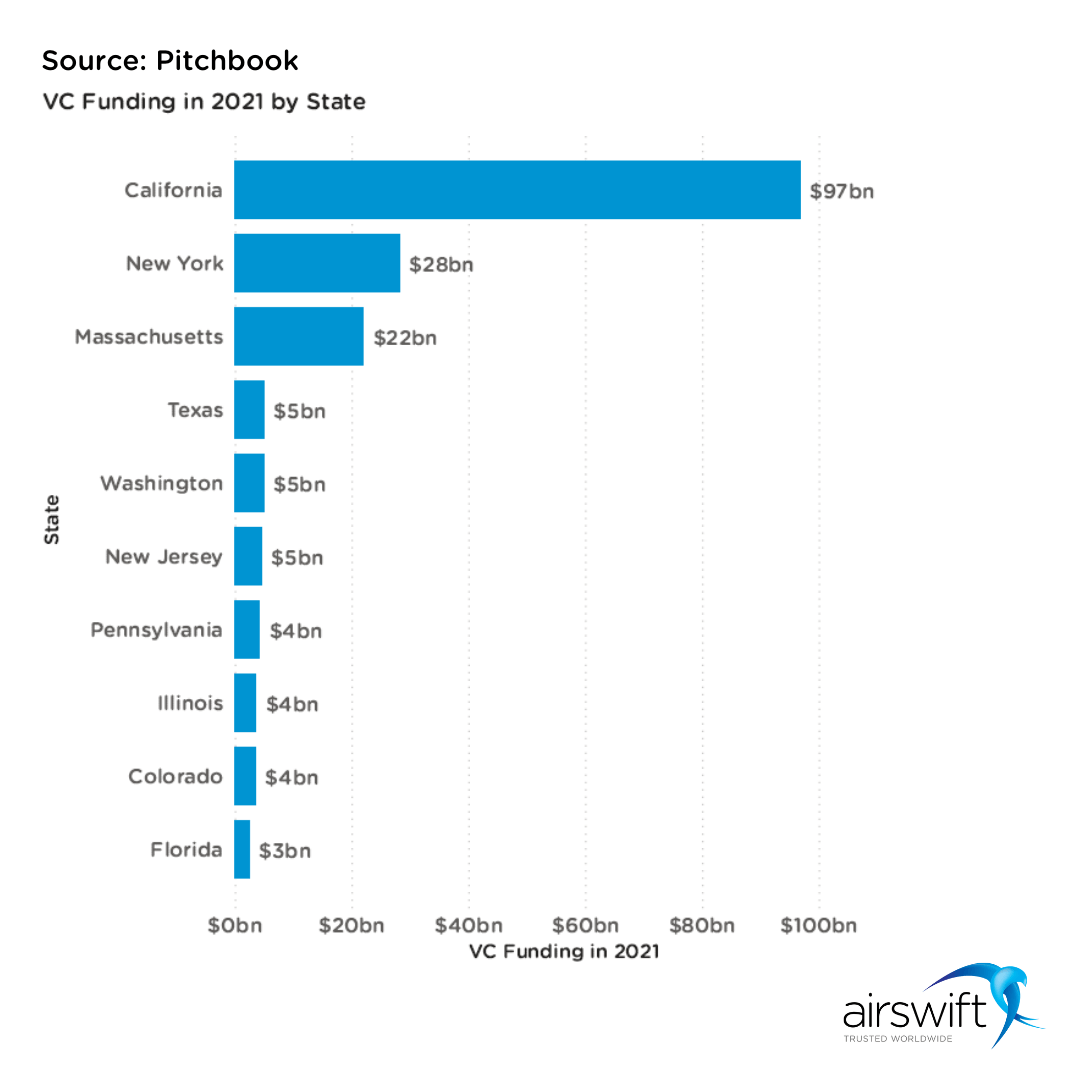
The state with the most venture capitalists is California, primarily due to the presence of Silicon Valley, which is the global hub for technology and innovation. California attracts a significant portion of venture capital funding and is home to many of the world's leading venture capital firms.
Why Does California Have the Most Venture Capitalists?
California, particularly Silicon Valley, is the epicenter of technology and innovation. This concentration of tech companies and startups naturally attracts venture capitalists. Key reasons include:
- Proximity to Tech Giants: Being close to companies like Google, Apple, and Facebook allows venture capitalists to easily network and invest in emerging startups.
- Strong Ecosystem: The state has a well-established ecosystem of universities, accelerators, and incubators that foster innovation.
- Access to Talent: California attracts top talent from around the world, making it a hotspot for high-potential startups.
Which Cities in California Are Most Popular for Venture Capitalists?
Within California, certain cities stand out as hotspots for venture capital activity:
- San Francisco: Known as the heart of Silicon Valley, it hosts numerous venture capital firms and tech startups.
- Palo Alto: Home to Stanford University and many early-stage startups, it’s a favorite for venture capitalists.
- Los Angeles: Emerging as a strong contender with a growing tech scene and entertainment industry connections.
What Industries Attract Venture Capitalists in California?
Venture capitalists in California focus on several high-growth industries:
- Technology: Software, hardware, and AI startups dominate the investment landscape.
- Biotechnology: California is a leader in biotech innovation, attracting significant funding.
- Clean Energy: With a focus on sustainability, clean energy startups are gaining traction among investors.
How Does California Compare to Other States in Venture Capital Activity?
California far surpasses other states in venture capital activity:
- Funding Volume: California accounts for nearly half of all venture capital funding in the U.S.
- Number of Deals: The state sees more venture capital deals than any other state, often doubling or tripling the numbers of runner-ups like New York or Massachusetts.
- Global Influence: California’s venture capital scene sets trends that influence global markets.
What Are the Challenges for Venture Capitalists in California?
Despite its dominance, California presents some challenges for venture capitalists:
- High Competition: The sheer number of investors can make it difficult to secure deals.
- Cost of Living: High operational costs in cities like San Francisco can impact startup budgets.
- Regulatory Environment: California’s strict regulations can sometimes hinder business growth.
What is the 2 6 2 rule of venture capital?
The 2 6 2 rule of venture capital is a framework used to evaluate the potential outcomes of a venture capital portfolio. It suggests that out of every 10 investments made by a venture capital firm:
- 2 will be highly successful, generating significant returns.
- 6 will be moderately successful or break even, providing some returns but not substantial.
- 2 will fail, resulting in a total loss of the invested capital.
This rule helps investors understand the inherent risks and rewards of venture capital investing, emphasizing the importance of diversification and the expectation that only a small percentage of investments will yield outsized returns.
Understanding the 2 6 2 Rule in Venture Capital
The 2 6 2 rule is a heuristic that reflects the high-risk, high-reward nature of venture capital. It highlights the following key points:
- High-risk investments: Venture capital involves investing in early-stage companies, which are inherently risky due to their unproven business models and markets.
- Portfolio diversification: By spreading investments across multiple startups, venture capitalists mitigate the risk of any single failure significantly impacting the overall portfolio.
- Focus on outliers: The rule underscores the importance of identifying and supporting the few startups that can achieve exponential growth and deliver substantial returns.
Why the 2 6 2 Rule Matters for Investors
The 2 6 2 rule is crucial for investors because it sets realistic expectations about the outcomes of venture capital investments. Key reasons include:
- Risk management: It helps investors prepare for the likelihood that most investments will not yield extraordinary returns.
- Strategic decision-making: Understanding the rule allows investors to allocate resources effectively, focusing on startups with the highest potential.
- Long-term perspective: The rule encourages patience, as successful investments often take years to mature and deliver returns.
How the 2 6 2 Rule Shapes Venture Capital Strategies
Venture capitalists use the 2 6 2 rule to guide their investment strategies in the following ways:
- Deal selection: Investors prioritize startups with innovative solutions, strong teams, and large addressable markets to increase the chances of success.
- Follow-on investments: They reserve capital to support the most promising startups in subsequent funding rounds.
- Exit planning: The rule emphasizes the importance of planning for exits, such as IPOs or acquisitions, to realize returns from successful investments.
Challenges of Applying the 2 6 2 Rule
While the 2 6 2 rule provides a useful framework, it comes with challenges, including:
- Identifying outliers: Predicting which startups will succeed is inherently difficult, even for experienced investors.
- Market volatility: External factors, such as economic downturns or shifts in consumer behavior, can impact the success of investments.
- Resource allocation: Balancing the need to support successful startups while cutting losses on failing ones requires careful judgment.
Real-World Examples of the 2 6 2 Rule in Action
The 2 6 2 rule is evident in the portfolios of many successful venture capital firms. Examples include:
- Sequoia Capital: Known for backing companies like Apple, Google, and Airbnb, Sequoia's portfolio reflects the rule, with a few high-performing investments driving most of its returns.
- Andreessen Horowitz: This firm has invested in companies like Facebook and Lyft, showcasing the importance of identifying and supporting breakout startups.
- Y Combinator: As a startup accelerator, Y Combinator's portfolio includes successes like Dropbox and Airbnb, alongside many startups that did not achieve significant success.
Frequently Asked Questions (FAQs)
Where are the majority of venture capital firms located?
The majority of venture capital firms are concentrated in major tech hubs and financial centers around the world. In the United States, cities like San Francisco, Silicon Valley, New York City, and Boston are home to the largest number of venture capital firms. These regions are known for their thriving startup ecosystems, access to talent, and proximity to major universities and research institutions. Outside the U.S., cities like London, Berlin, Beijing, and Tel Aviv also host significant venture capital activity.
Why are venture capital firms concentrated in specific locations?
Venture capital firms tend to cluster in specific locations due to the presence of startup ecosystems, networking opportunities, and access to skilled talent. These regions often have a high concentration of innovative companies, angel investors, and supportive infrastructure, such as accelerators and incubators. Additionally, being close to other venture capital firms allows for easier collaboration and deal-sharing, which is crucial in the competitive world of startup investing.
Are there emerging locations for venture capital firms outside traditional hubs?
Yes, there are several emerging locations for venture capital firms outside traditional hubs. Cities like Austin, Miami, and Denver in the U.S. are gaining traction due to lower costs of living, favorable business environments, and growing tech communities. Internationally, cities such as Singapore, Bangalore, and Stockholm are becoming hotspots for venture capital activity. These locations are attracting both startups and investors looking for new opportunities beyond saturated markets.
How does location impact a venture capital firm's success?
Location plays a critical role in a venture capital firm's success. Being situated in a thriving startup ecosystem provides access to a pipeline of high-potential companies and allows firms to stay ahead of industry trends. Proximity to top talent, research institutions, and other investors fosters collaboration and innovation. Additionally, being in a well-known hub can enhance a firm's reputation and attract more deal flow, as startups often seek investors who are deeply embedded in their local ecosystems.
Leave a Reply
Our Recommended Articles