
Which Are the Tier 1 Vc Firms in the Us?

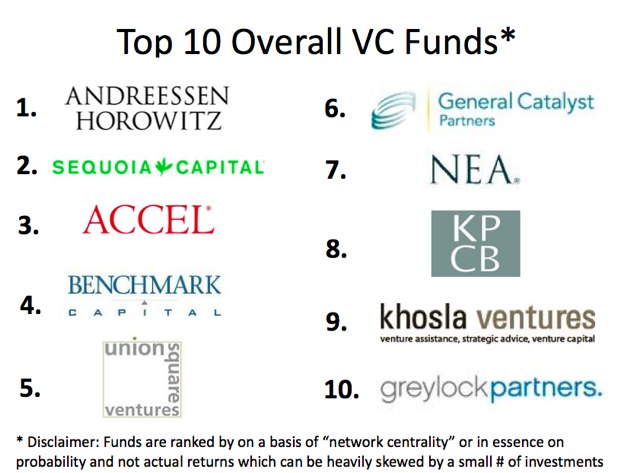
Venture capital (VC) firms play a pivotal role in shaping the future of innovation by funding startups with high growth potential. Among these firms, Tier 1 VC firms stand out as the most influential and successful, known for their ability to identify and nurture groundbreaking companies. These elite firms not only provide substantial financial backing but also offer strategic guidance, industry connections, and credibility to the startups they support. In the United States, a handful of VC firms have consistently demonstrated their dominance in the industry. This article explores the top Tier 1 VC firms in the US, highlighting their achievements, investment strategies, and impact on the startup ecosystem.
Which Are the Tier 1 VC Firms in the US?
What Defines a Tier 1 VC Firm?
Tier 1 venture capital (VC) firms are distinguished by their strong track record, high-profile investments, and significant influence in the startup ecosystem. These firms typically manage large funds, have access to top-tier deal flow, and are known for backing unicorn companies (startups valued at over $1 billion). Their reputation often attracts the best entrepreneurs and co-investors, making them leaders in the industry.
See Also What is a Venture Capitalists End Goal?
Top Tier 1 VC Firms in the US
The following table highlights some of the most prominent Tier 1 VC firms in the United States:
| VC Firm | Notable Investments | Fund Size (Approx.) |
|---|---|---|
| Sequoia Capital | Apple, Google, Airbnb | $20 billion+ |
| Andreessen Horowitz (a16z) | Facebook, Twitter, Coinbase | $35 billion+ |
| Accel | Facebook, Slack, Dropbox | $15 billion+ |
| Kleiner Perkins | Amazon, Google, Uber | $10 billion+ |
| Benchmark | Uber, Twitter, Snapchat | $5 billion+ |
Why Are Tier 1 VC Firms So Influential?
Tier 1 VC firms are influential because they provide not only capital but also strategic guidance, networking opportunities, and credibility to startups. Their involvement often signals to the market that a startup has high growth potential, which can attract additional investors, talent, and media attention. Additionally, these firms have deep industry expertise and global reach, enabling them to support startups at every stage of growth.
See Also Do Many Venture Capital Firms Sponsor H1 B Visas?
How Do Tier 1 VC Firms Select Startups?
Tier 1 VC firms are highly selective, focusing on startups with innovative solutions, scalable business models, and strong founding teams. They often prioritize industries with high growth potential, such as technology, biotech, and fintech. These firms also look for startups that align with their investment thesis and have the potential to deliver outsized returns. Due diligence is rigorous, involving market analysis, product evaluation, and team assessment.
What Are the Benefits of Partnering with Tier 1 VC Firms?
Partnering with Tier 1 VC firms offers numerous benefits, including access to substantial funding, mentorship from industry leaders, and connections to a vast network of entrepreneurs, executives, and investors. Startups also gain brand credibility and media exposure, which can accelerate growth. Furthermore, these firms often provide operational support, helping startups navigate challenges and scale effectively.
See Also Do Small Venture Funds 10m Also Follow the 2 20 Model or Do They Follow Other Models to Make the Economics Work at Small Fund Sizes
Challenges of Working with Tier 1 VC Firms
While partnering with Tier 1 VC firms has many advantages, it also comes with challenges. These firms often demand significant equity stakes and board seats, which can reduce founders' control. Additionally, the pressure to deliver rapid growth and meet high expectations can be intense. Startups may also face competition for attention within the firm's portfolio, as Tier 1 VCs typically invest in numerous companies simultaneously.
Who are the Tier 1 VCs?
What Defines a Tier 1 Venture Capital Firm?
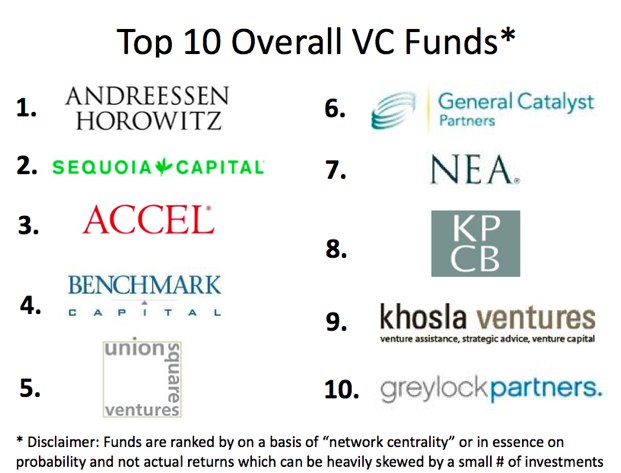
Tier 1 venture capital firms are defined by their exceptional track record, significant influence in the startup ecosystem, and ability to consistently generate high returns for their investors. These firms typically have:
- Proven success in funding and scaling high-growth startups.
- Access to top-tier deal flow, often getting first dibs on the most promising startups.
- A strong network of industry connections and resources to support portfolio companies.
Top Tier 1 Venture Capital Firms Globally
Some of the most renowned Tier 1 VCs include:
- Sequoia Capital: Known for early investments in Apple, Google, and Airbnb.
- Andreessen Horowitz (a16z): A leader in tech investments, including Facebook and Coinbase.
- Accel: Early backers of Facebook, Slack, and Dropbox.
- Benchmark: Notable for investments in Uber, Twitter, and eBay.
- Kleiner Perkins: Pioneers in backing companies like Amazon and Google.
Key Characteristics of Tier 1 VCs
Tier 1 VCs are distinguished by several key characteristics:
- Large fund sizes, often exceeding $1 billion, enabling them to make substantial investments.
- A focus on early-stage investments in high-potential startups.
- Active involvement in mentorship and strategic guidance for portfolio companies.
How Tier 1 VCs Impact the Startup Ecosystem
Tier 1 VCs play a pivotal role in shaping the startup ecosystem by:
- Providing capital and resources to fuel innovation and growth.
- Setting industry standards for valuations and investment terms.
- Creating a network effect that attracts talent and additional investors to their portfolio companies.
Challenges Faced by Tier 1 VCs
Despite their success, Tier 1 VCs face several challenges, including:
- Intense competition for top deals in a crowded market.
- Pressure to maintain high returns for their limited partners (LPs).
- Navigating regulatory and market risks in a rapidly changing global economy.
Who are the top venture capitalists in the US?
Who Are the Top Venture Capitalists in the US?
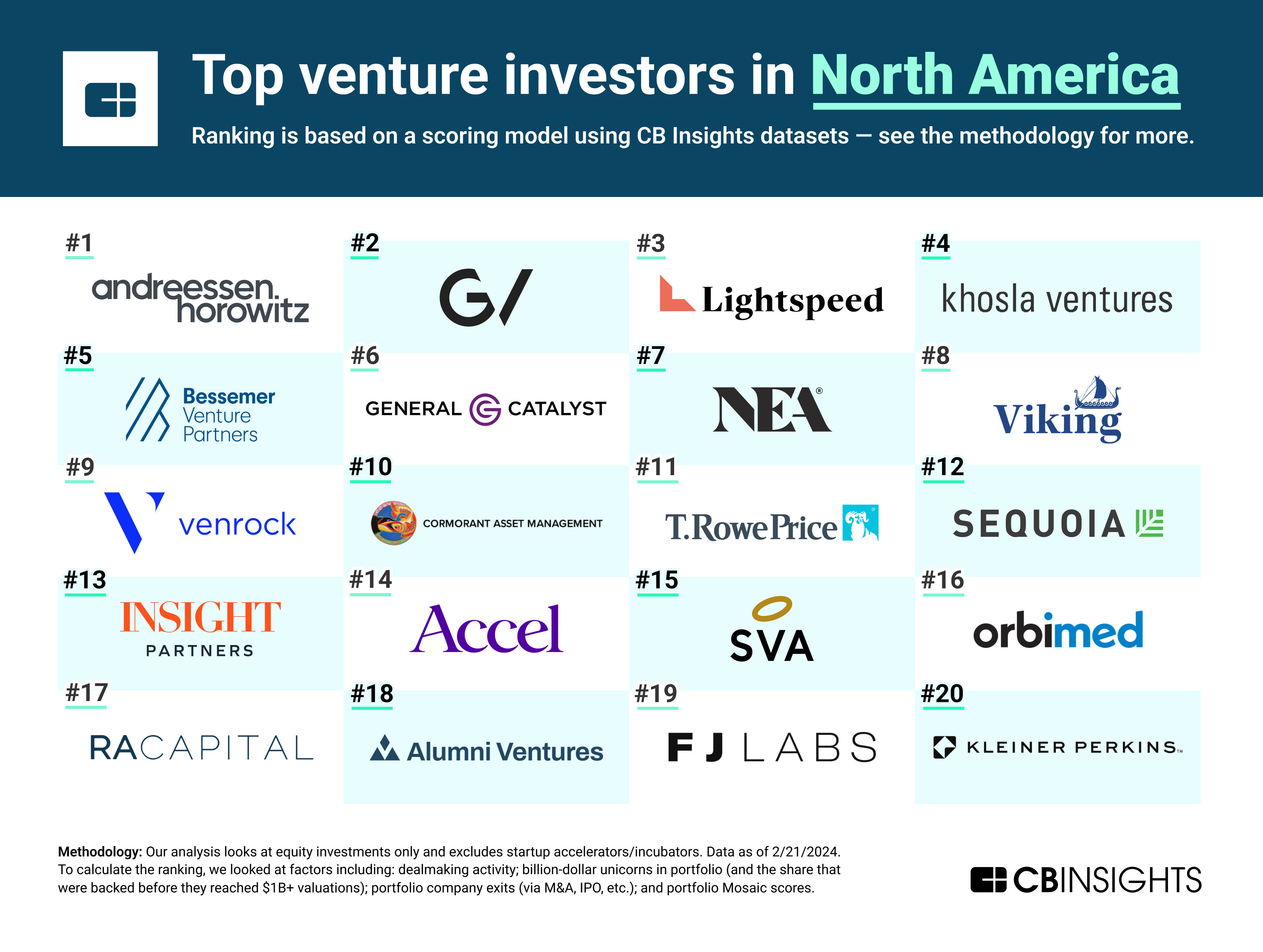
The top venture capitalists in the US are individuals and firms that have consistently demonstrated the ability to identify and invest in high-growth startups, often leading to significant returns. These investors are known for their expertise, networks, and track records in funding successful companies across various industries, including technology, healthcare, and consumer goods.
1. Prominent Venture Capital Firms in the US
Some of the most influential venture capital firms in the US include:
- Sequoia Capital: Known for early investments in companies like Apple, Google, and Airbnb.
- Andreessen Horowitz: A leading firm with investments in Facebook, Twitter, and Slack.
- Kleiner Perkins: Famous for backing Amazon, Google, and Uber in their early stages.
2. Key Individual Venture Capitalists
Several individual venture capitalists have made a significant impact in the industry:
- Marc Andreessen: Co-founder of Andreessen Horowitz, known for his investments in tech giants.
- Mary Meeker: A partner at Bond Capital, recognized for her expertise in internet and tech investments.
- Peter Thiel: Co-founder of PayPal and an early investor in Facebook through Founders Fund.
3. Sectors Dominated by Top Venture Capitalists
Top venture capitalists often focus on specific sectors where they have deep expertise:
- Technology: Including software, hardware, and emerging technologies like AI and blockchain.
- Healthcare: Investments in biotech, pharmaceuticals, and health tech startups.
- Consumer Goods: Funding innovative companies in retail, e-commerce, and food tech.
4. Notable Investments by Top Venture Capitalists
Some of the most notable investments made by top venture capitalists include:
- Sequoia Capital: Early funding for WhatsApp, which was acquired by Facebook for $19 billion.
- Andreessen Horowitz: Investment in Instagram, later acquired by Facebook for $1 billion.
- Kleiner Perkins: Backing of Google, which has become one of the most valuable companies globally.
5. Trends Shaping Venture Capital in the US
Current trends influencing the venture capital landscape in the US include:
- Increased Focus on Sustainability: More investments in green tech and renewable energy startups.
- Rise of AI and Machine Learning: Growing interest in startups leveraging AI for innovation.
- Expansion of Remote Work Solutions: Funding for tools and platforms supporting remote work environments.
What is the hierarchy in VC firms?
Understanding the Structure of Venture Capital Firms
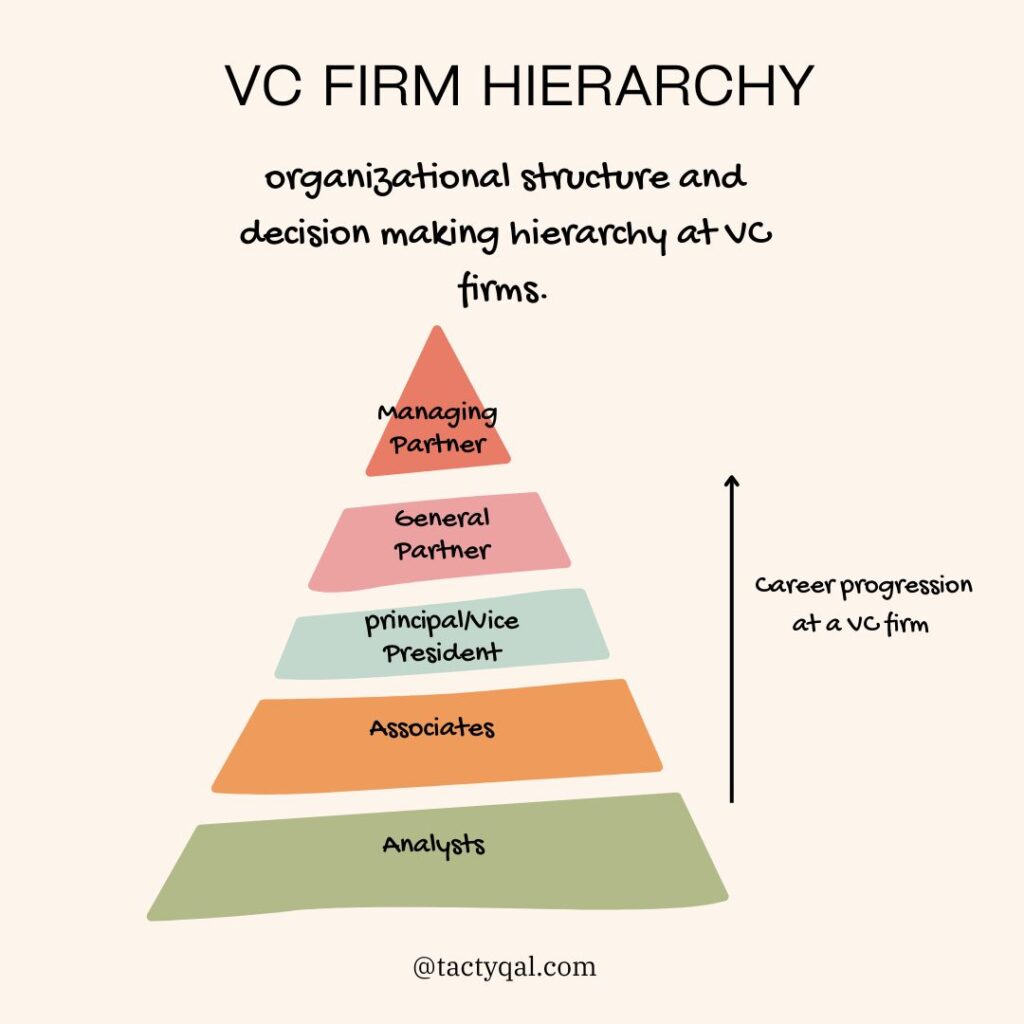
The hierarchy in venture capital (VC) firms is typically structured to ensure efficient decision-making and resource allocation. The roles within a VC firm are designed to support the process of identifying, investing in, and nurturing startups. Below is a breakdown of the key roles:
- General Partners (GPs): These are the senior decision-makers who manage the fund, make investment decisions, and oversee portfolio companies.
- Venture Partners: Often part-time or contract-based, they assist with deal sourcing and due diligence but are not involved in day-to-day operations.
- Principals: Mid-level professionals who lead deal execution, conduct due diligence, and manage relationships with portfolio companies.
- Associates: Junior team members who support deal sourcing, market research, and initial due diligence.
- Analysts: Entry-level roles focused on data analysis, market research, and administrative tasks to support the investment team.
Roles and Responsibilities of General Partners (GPs)
General Partners are the backbone of a VC firm, responsible for the overall strategy and success of the fund. Their responsibilities include:
- Fund Management: Raising capital from limited partners (LPs) and managing the fund's operations.
- Investment Decisions: Leading the evaluation and selection of startups to invest in.
- Portfolio Oversight: Monitoring and supporting portfolio companies to ensure growth and success.
- Exit Strategies: Planning and executing exits, such as IPOs or acquisitions, to generate returns for investors.
The Role of Venture Partners in VC Firms
Venture Partners play a unique role in VC firms, often bringing specialized expertise or networks. Their contributions include:
- Deal Sourcing: Leveraging their networks to identify promising investment opportunities.
- Due Diligence: Assisting in evaluating startups and assessing their potential.
- Mentorship: Providing guidance to portfolio companies based on their industry experience.
- Strategic Input: Offering insights on market trends and investment strategies.
Principals: The Middle Management of VC Firms
Principals are critical to the execution of deals and the management of portfolio companies. Their duties include:
- Deal Execution: Leading the process of negotiating and closing investments.
- Due Diligence: Conducting in-depth analysis of startups' financials, markets, and teams.
- Portfolio Management: Building and maintaining relationships with portfolio companies to support their growth.
- Reporting: Providing updates to GPs and LPs on the performance of investments.
Associates and Analysts: The Foundation of VC Firms
Associates and Analysts form the foundation of VC firms, handling the groundwork for investment decisions. Their responsibilities include:
- Market Research: Identifying emerging trends and industries with high growth potential.
- Deal Sourcing: Scouting for startups that align with the firm's investment thesis.
- Data Analysis: Analyzing financial data and market metrics to support investment decisions.
- Administrative Support: Assisting with presentations, reports, and other operational tasks.
What are the VCs in the US?
What are Venture Capitalists (VCs) in the US?
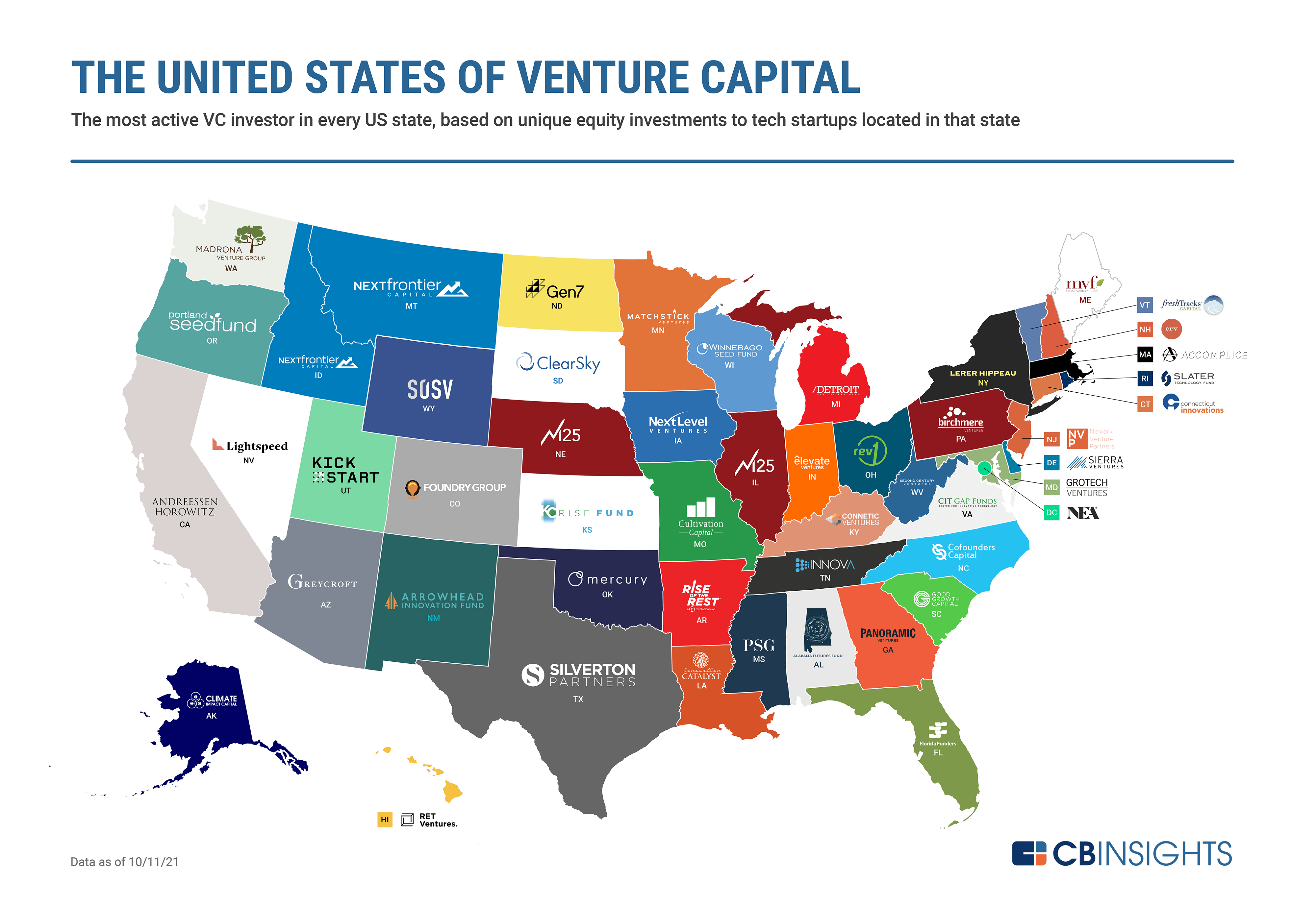
Venture Capitalists (VCs) in the US are investors who provide capital to startups and small businesses with high growth potential. They typically invest in exchange for equity and play an active role in guiding the company's growth. VCs are crucial for fostering innovation and supporting emerging industries.
- VCs focus on high-risk, high-reward investments.
- They often specialize in specific industries like technology, healthcare, or clean energy.
- VCs provide not only funding but also mentorship, networking, and strategic advice.
How do VCs operate in the US?
VCs in the US operate by raising funds from limited partners (LPs), such as pension funds, endowments, and wealthy individuals. These funds are then invested in promising startups. VCs typically follow a structured process to identify, evaluate, and support their portfolio companies.
- VCs conduct thorough due diligence before investing.
- They often take a board seat to influence company decisions.
- Exit strategies like IPOs or acquisitions are planned to generate returns.
What industries do VCs in the US focus on?
VCs in the US primarily focus on industries with high growth potential and innovation. The most prominent sectors include technology, biotechnology, fintech, and clean energy. These industries attract significant VC interest due to their scalability and transformative impact.
- Technology: Software, AI, and hardware startups.
- Biotechnology: Drug development and medical devices.
- Fintech: Digital payments and blockchain solutions.
What are the stages of VC funding in the US?
VC funding in the US occurs in multiple stages, each tailored to the company's growth phase. These stages include seed funding, Series A, Series B, and later-stage rounds. Each stage serves a specific purpose, from initial product development to scaling operations.
- Seed Funding: Early-stage capital for product development.
- Series A: Funding for market entry and early growth.
- Series B and beyond: Capital for scaling and expansion.
What are the top VC firms in the US?
The US is home to some of the world's most influential VC firms, known for their successful investments and industry expertise. These firms include Sequoia Capital, Andreessen Horowitz, and Accel. They have backed numerous unicorns and industry leaders.
- Sequoia Capital: Known for investments in Apple, Google, and Airbnb.
- Andreessen Horowitz: Focused on tech startups like Facebook and Lyft.
- Accel: Early investor in companies like Slack and Spotify.
Frequently Asked Questions by our Community
What are Tier 1 VC firms in the US?
Tier 1 VC firms in the US are considered the top-tier venture capital firms that have a proven track record of investing in highly successful startups and generating significant returns. These firms are often recognized for their ability to identify and support groundbreaking companies early in their lifecycle. Examples of such firms include Sequoia Capital, Andreessen Horowitz, Accel, and Kleiner Perkins. They are known for their extensive networks, deep industry expertise, and ability to provide not just capital but also strategic guidance to their portfolio companies.
How do Tier 1 VC firms differ from other venture capital firms?
Tier 1 VC firms stand out due to their reputation, resources, and success rates. Unlike smaller or less established VC firms, Tier 1 firms typically have access to larger funds, allowing them to make substantial investments in high-potential startups. They also have a history of backing companies that achieve significant milestones, such as IPOs or acquisitions. Additionally, these firms often have a global presence and can offer unparalleled mentorship, industry connections, and operational support to help startups scale effectively.
What industries do Tier 1 VC firms typically invest in?
Tier 1 VC firms are known for their investments across a wide range of industries, with a particular focus on technology, biotechnology, fintech, and consumer internet sectors. These firms often seek out disruptive innovations and scalable business models. For example, firms like Sequoia Capital have backed tech giants such as Apple, Google, and Airbnb, while Andreessen Horowitz has invested in companies like Facebook, Twitter, and Lyft. Their ability to identify trends early and support transformative ideas sets them apart in the venture capital landscape.
How can startups attract investment from Tier 1 VC firms?
To attract investment from Tier 1 VC firms, startups need to demonstrate strong growth potential, a scalable business model, and a talented team. These firms look for companies with a clear competitive advantage, a large addressable market, and a proven product-market fit. Building a solid track record, showcasing early traction, and having a compelling pitch are also critical. Networking with the right people and leveraging warm introductions can increase the chances of getting noticed by Tier 1 investors. Additionally, startups should be prepared to articulate their long-term vision and how the VC firm's expertise can help them achieve their goals.
Leave a Reply
Our Recommended Articles