
How to Get Sponsors for a Team

Securing sponsors for a team is a critical step in ensuring its sustainability and success, whether in sports, esports, or community projects. Sponsors provide not only financial backing but also resources, visibility, and credibility. However, attracting the right partners requires a strategic approach that goes beyond simply asking for support. Teams must identify potential sponsors whose values align with their mission, craft compelling proposals, and demonstrate measurable returns on investment. Building long-term relationships, leveraging social media, and showcasing a team’s unique story are equally vital. This article explores actionable steps to navigate the sponsorship landscape, turning prospects into committed partners who believe in your team’s potential.
Effective Strategies to Secure Sponsors for Your Team
1. Identifying Potential Sponsors
To secure sponsors, start by researching companies or brands that align with your team’s values, target audience, or industry. Look for businesses with a history of supporting similar initiatives. Use tools like LinkedIn, industry directories, or local business networks to create a list. Prioritize organizations that benefit from exposure to your team’s audience. For example, a local sports team might partner with fitness brands or community-focused businesses.
See Also Venture Capital Executive Compensation Survey
| Key Steps | Tips |
|---|---|
| Analyze alignment with sponsor goals | Focus on shared values |
| Research local and niche businesses | Leverage geographic relevance |
| Review competitors’ sponsors | Identify market gaps |
2. Crafting a Compelling Sponsorship Proposal
A strong proposal outlines what you offer and what you need. Highlight your team’s reach, achievements, and demographics. Include sponsorship tiers (e.g., Gold, Silver, Bronze) with corresponding benefits like logo placement, social media mentions, or event access. Use data to show ROI, such as past engagement metrics or audience growth. Tailor each proposal to the sponsor’s objectives.
| Proposal Elements | Details |
|---|---|
| Team introduction | Emphasize unique selling points |
| Sponsorship benefits | Include quantifiable value |
| Call to action | Specify next steps clearly |
3. Building Relationships with Sponsors
Sponsorship is a long-term partnership. Communicate regularly with sponsors via updates, reports, or face-to-face meetings. Show appreciation through shoutouts, exclusive content, or invitations to team events. Address challenges transparently and adapt to their feedback. Strong relationships increase the likelihood of renewals and referrals.
See AlsoIs Allstate Business Insurance Legit?| Relationship-Building Tactics | Examples |
|---|---|
| Personalized updates | Share success stories |
| Exclusive sponsor perks | Offer early access to merchandise |
| Feedback sessions | Discuss ROI improvements |
Use social platforms to showcase your team’s brand and sponsor collaborations. Post engaging content like behind-the-scenes videos, sponsor highlights, or event recaps. Tag sponsors and use branded hashtags to amplify their visibility. Track engagement metrics to demonstrate impact.
| Platform Strategies | Best Practices |
|---|---|
| Instagram/TikTok | Focus on visual storytelling |
| Highlight professional partnerships | |
| Email newsletters | Include sponsor spotlight sections |
5. Offering Flexible Sponsorship Packages
Create tiered packages to accommodate different budgets and goals. For example:
- Gold Tier: Prime logo placement, event speaking opportunities.
- Silver Tier: Social media features, branded merchandise.
- Bronze Tier: Website mentions, newsletter inclusions.
Allow sponsors to mix-and-match benefits for customized partnerships.
| Tier | Benefits | Investment |
|---|---|---|
| Gold | Exclusive branding, event access | High |
| Silver | Social media features, merchandise | Medium |
| Bronze | Website mentions, newsletter | Low |
How do I get my team sponsored?
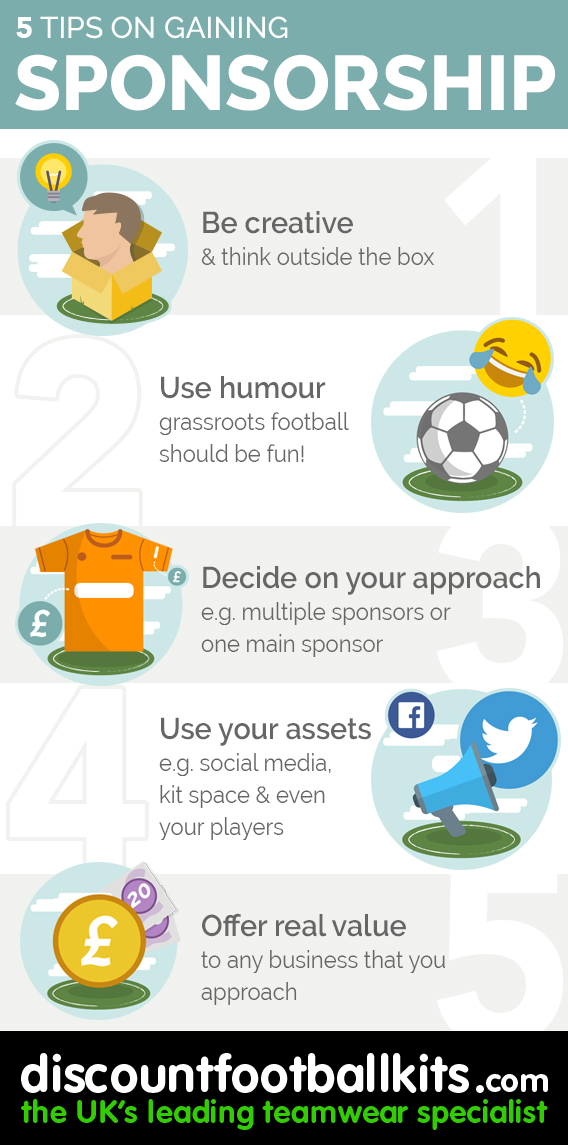
How to Create a Compelling Sponsorship Proposal
To secure sponsorships, start by crafting a professional and tailored proposal that clearly outlines your team’s value. Highlight achievements, audience demographics, and how the sponsor’s brand will benefit. Include measurable goals, such as social media reach or event visibility.
See AlsoHow to Find Startup Partners- Define your unique selling points: Emphasize what makes your team stand out (e.g., community impact, competitive success).
- Outline sponsorship tiers: Offer packages (e.g., Gold, Silver, Bronze) with varying benefits like logo placement or exclusive content.
- Include metrics: Use data (e.g., social media followers, event attendance) to demonstrate potential ROI for sponsors.
Identifying Potential Sponsors Aligned with Your Team’s Values
Target companies that share your team’s mission or audience. Research local businesses, industry leaders, or brands with a history of supporting similar initiatives.
- Analyze sponsor alignment: Focus on companies whose values or products resonate with your team’s identity.
- Leverage local connections: Approach community-focused businesses for grassroots support.
- Study competitors: Identify who sponsors similar teams and tailor your pitch accordingly.
Building a Strong Online Presence to Attract Sponsors
Sponsors often evaluate a team’s visibility and engagement. A polished digital footprint increases credibility and showcases your reach.
See AlsoLouisiana LLC Filing Fee- Optimize social media: Regularly post content highlighting achievements, community work, and behind-the-scenes stories.
- Create a professional website: Feature sponsor logos, team bios, and a dedicated sponsorship page.
- Use analytics: Share metrics like website traffic or engagement rates to prove your audience’s value.
Networking Strategies to Connect with Sponsors
Personal relationships are key to securing sponsorships. Attend industry events, engage on LinkedIn, and leverage existing contacts.
- Attend trade shows or conferences: Meet decision-makers face-to-face.
- Partner with influencers: Collaborate with figures who can introduce your team to sponsors.
- Follow up consistently: Send thank-you notes and updates to keep potential sponsors engaged.
Delivering Value to Secure Long-Term Sponsorships
Retain sponsors by exceeding expectations and demonstrating tangible benefits. Regular communication and accountability build trust.
- Fulfill promises: Deliver agreed-upon benefits (e.g., logo placement, event promotions).
- Provide sponsor reports: Share analytics and success stories quarterly.
- Offer exclusivity: Reward long-term sponsors with unique perks, like branded merchandise or VIP access.
How do I ask a company to sponsor a team?
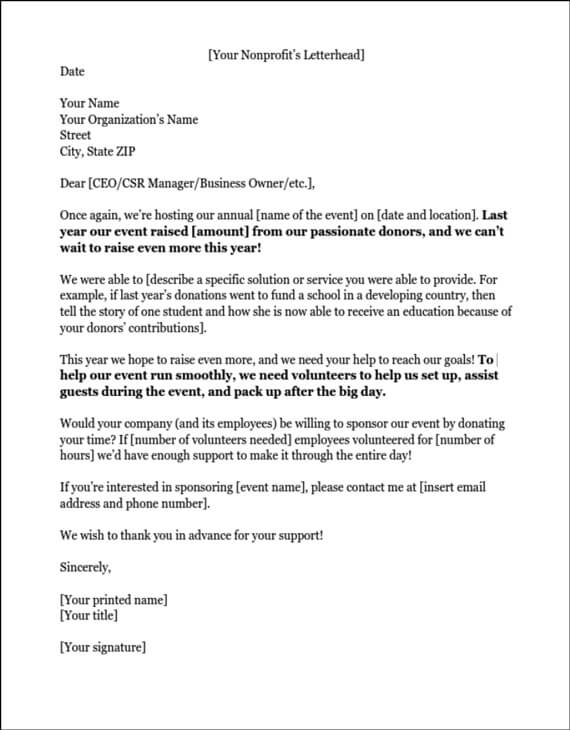
How to Research and Identify Potential Sponsors
To ask a company for sponsorship, start by researching organizations that align with your team’s values, goals, or audience. Focus on businesses with a history of supporting similar initiatives or those targeting your demographic.
- Analyze the company’s mission to ensure alignment with your team’s purpose.
- Review past sponsorships to gauge their interest in community or sports partnerships.
- Identify decision-makers, such as marketing managers or CSR (Corporate Social Responsibility) teams, to direct your proposal.
Crafting a Compelling Sponsorship Proposal
A well-structured proposal should clearly outline mutual benefits, deliverables, and how the sponsor’s brand will be promoted. Avoid generic requests by tailoring your pitch to the company’s objectives.
- Highlight visibility opportunities, like logo placement on uniforms or social media shoutouts.
- Emphasize shared values to create an emotional connection.
- Include measurable outcomes, such as audience reach or event attendance stats.
How to Initiate Contact Professionally
Reach out via email or LinkedIn, using a polite and concise tone. Attach your proposal but summarize key points in the message to encourage a response.
- Personalize your message by addressing the recipient by name.
- Briefly introduce your team and its achievements.
- Propose a meeting to discuss collaboration details further.
Negotiating Sponsorship Terms and Expectations
Be prepared to negotiate financial contributions, branding requirements, and deliverables. Ensure both parties agree on timelines and responsibilities.
- Clify sponsorship tiers (e.g., platinum, gold) with corresponding benefits.
- Discuss exclusivity clauses if applicable.
- Draft a contract to formalize commitments and avoid misunderstandings.
Maintaining a Long-Term Sponsor Relationship
After securing sponsorship, nurture the partnership through regular updates, recognition, and accountability.
- Provide progress reports on how their support made an impact.
- Publicly acknowledge sponsors at events or online.
- Seek feedback to improve future collaborations.
How do you get companies to sponsor you?
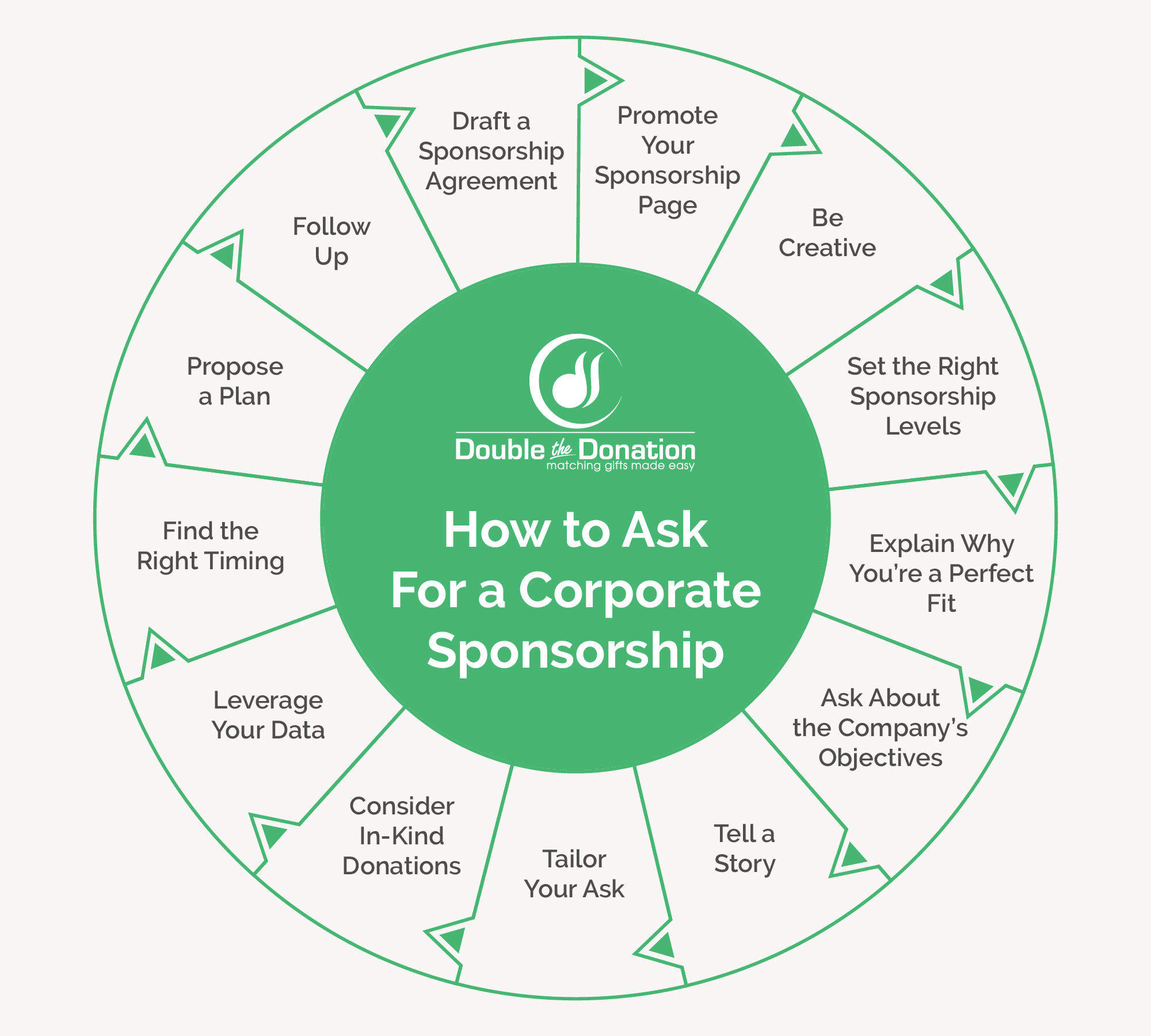
How to Identify the Right Sponsorship Opportunities
To secure sponsorships, start by researching companies that align with your brand, audience, or mission. Focus on businesses with values or products that resonate with your work. For example:
- Analyze your audience demographics to find overlapping interests with potential sponsors.
- Study competitors or peers to see which companies sponsor similar initiatives.
- Use tools like LinkedIn or industry reports to identify brands investing in sponsorships.
Crafting a Compelling Sponsorship Proposal
A strong proposal highlights mutual benefits and clearly outlines what you offer. Structure it to emphasize value:
- Include audience metrics (e.g., social media reach, event attendance) to demonstrate visibility.
- Detail customizable sponsorship tiers (e.g., gold, silver, bronze) with corresponding perks.
- Highlight unique opportunities, like exclusive content or networking access.
Building Relationships with Decision-Makers
Sponsorships often depend on personal connections and trust. Focus on nurturing long-term relationships:
- Engage with brands on social media or at industry events to establish familiarity.
- Request introductions through mutual contacts or use platforms like email for direct outreach.
- Schedule meetings to discuss collaboration ideas, emphasizing shared goals.
Demonstrating ROI for Sponsors
Companies invest in sponsorships expecting measurable returns. Show how you’ll deliver:
- Offer analytics reports post-campaign, covering impressions, clicks, or sales referrals.
- Include brand exposure examples, like logo placements or shout-outs during events.
- Propose co-branded initiatives, such as contests or product launches, to amplify impact.
Negotiating Terms and Maintaining Partnerships
Once interest is established, ensure agreements are clear and sustainable:
- Define deliverables and timelines in a contract to avoid misunderstandings.
- Be open to flexible arrangements, like in-kind sponsorships or staggered payments.
- Provide regular updates and seek feedback to strengthen long-term collaboration.
How can I find someone to sponsor me?

How to Identify Potential Sponsors in Your Industry
To find a sponsor, start by researching organizations or individuals aligned with your goals, expertise, or project. Focus on entities that have a history of supporting initiatives similar to yours. Use industry databases, social media platforms, and professional networks to identify prospects.
- Attend industry events or conferences to connect with decision-makers.
- Analyze past sponsors of similar projects to target repeat supporters.
- Leverage LinkedIn to identify professionals in roles responsible for sponsorship decisions.
Building a Compelling Sponsorship Proposal
A strong proposal clearly outlines mutual benefits, such as brand exposure or community impact. Highlight how the sponsor’s goals align with your initiative. Include measurable outcomes and a clear return on investment (ROI).
- Define your audience demographics to showcase the sponsor’s reach.
- Include testimonials or case studies from past collaborations.
- Offer tiered sponsorship levels to accommodate different budgets.
Networking Strategies to Connect with Sponsors
Effective networking involves building genuine relationships before requesting support. Engage with potential sponsors through informational interviews, social media interactions, or volunteer opportunities.
- Join professional associations to meet industry leaders.
- Participate in online forums where sponsors discuss trends.
- Follow up consistently to stay top-of-mind without being pushy.
Utilizing Online Platforms to Find Sponsors
Websites like LinkedIn, AngelList, or Sponsorship directories can streamline your search. Use keywords like “corporate social responsibility” or “event sponsorship” to filter results.
- Create a professional online profile highlighting your achievements.
- Use crowdfunding platforms with sponsorship tiers.
- Engage with companies via email campaigns or targeted ads.
Negotiating and Finalizing Sponsorship Agreements
Once a sponsor shows interest, negotiate terms that benefit both parties. Ensure the agreement includes deliverables, timelines, and payment details. Consult a legal expert to review contracts.
- Clarify expectations for branding and recognition.
- Set milestones to maintain accountability.
- Prepare an exit strategy in case goals aren’t met.
Frequently Asked Questions (FAQs)
How do I identify potential sponsors for my team?
Start by researching companies or organizations that align with your team’s values, goals, or target audience. For example, if your team is focused on youth sports, approach local businesses, sports brands, or community-driven enterprises. Use social media, industry directories, or networking events to discover prospects. Prioritize businesses that have sponsored similar initiatives in the past, as they may be more open to partnerships. Create a list of prospects and categorize them based on their relevance and capacity to contribute, such as small local businesses for in-kind support or larger corporations for financial sponsorships.
What should be included in a sponsorship proposal?
A compelling sponsorship proposal should outline your team’s mission, achievements, and audience demographics to demonstrate value to potential sponsors. Clearly define sponsorship tiers, detailing what each level offers (e.g., logo placement, social media mentions, or event visibility). Highlight the sponsor’s potential return on investment (ROI), such as brand exposure or community engagement. Include measurable goals, like social media reach or event attendance numbers, to build credibility. Always end with a call to action and your contact information for follow-up discussions.
What do sponsors typically look for when partnering with a team?
Sponsors prioritize brand alignment, seeking teams whose values and audience match their target market. They assess the visibility and reach your team can provide, such as social media followers, event attendance, or media coverage. Many sponsors also value community impact, preferring partnerships that enhance their corporate social responsibility (CSR) image. Additionally, they look for clear communication and professionalism in proposals, as well as flexibility in tailoring sponsorship packages to meet mutual goals.
How can I maintain a strong relationship with sponsors after securing their support?
Regular updates are critical to keeping sponsors engaged. Share progress reports, photos, or videos of your team’s activities to demonstrate how their support is making an impact. Acknowledge sponsors publicly through social media shoutouts, newsletters, or event announcements. Invite them to exclusive events or meetings to strengthen personal connections. Seek feedback periodically to ensure their expectations are being met, and be open to adjusting agreements if needed. Building long-term trust can lead to renewed sponsorships or referrals to other potential partners.
Leave a Reply
Our Recommended Articles