
Where Can I Find a List of Vc Firms in China?

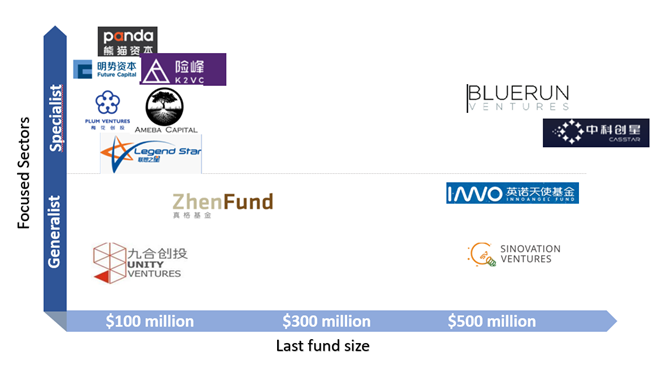
China has emerged as a global hub for innovation and entrepreneurship, attracting venture capital (VC) firms eager to invest in its dynamic startup ecosystem. For entrepreneurs, investors, and industry professionals, identifying the right VC firms is crucial for securing funding and building strategic partnerships. However, navigating the vast and diverse landscape of Chinese venture capital can be challenging. This article provides a comprehensive guide to finding reliable lists of VC firms in China, highlighting key resources, platforms, and strategies to streamline your search. Whether you're a startup founder or an investor, this information will help you connect with the right players in China's thriving investment scene.
Where Can I Find a List of VC Firms in China?
Finding a list of venture capital (VC) firms in China can be a valuable resource for entrepreneurs, startups, and investors looking to connect with potential funding sources. Below, we explore various ways to locate these firms and provide detailed information to guide your search.
See AlsoWhat Are the Top Vc Firms With a Dedicated Nyc Office?1. Online Directories and Databases
Online platforms like Crunchbase, PitchBook, and CB Insights are excellent resources for finding comprehensive lists of VC firms in China. These platforms offer detailed profiles, including investment focus, portfolio companies, and contact information. Additionally, websites like China Venture and Zero2IPO specialize in the Chinese market, providing localized data and insights.
| Platform | Features |
|---|---|
| Crunchbase | Global database with detailed VC profiles |
| PitchBook | In-depth financial data and analytics |
| CB Insights | Market intelligence and trend analysis |
| China Venture | Focused on the Chinese VC ecosystem |
| Zero2IPO | Localized data and rankings |
2. Industry Reports and Publications
Industry reports from organizations like Preqin and Deloitte often include lists of VC firms in China. These reports provide insights into market trends, investment activities, and key players. Additionally, publications such as TechNode and China Money Network regularly feature articles and rankings of top VC firms in the region.
See Also Where Can You Find Reviews and Ratings for Angel Investors and Venture Capital Firms
3. Networking Events and Conferences
Attending networking events and conferences in China, such as the China Venture Capital & Private Equity Forum, can help you connect directly with VC firms. These events often provide attendee lists or directories, making it easier to identify and approach potential investors.
4. Government and Trade Associations
Government agencies and trade associations, such as the China Venture Capital Association (CVCA), often maintain directories of VC firms operating in the country. These organizations can be a reliable source of information, especially for firms with a strong local presence.
See AlsoWhat Are the Best Web Platforms for Venture Capitalists Private Equity Professionals Investment Bankers and Angel Investors for Seeking Deal InvestmentPlatforms like LinkedIn and WeChat are widely used by VC firms in China to share updates and connect with entrepreneurs. Searching for relevant groups or following industry leaders on these platforms can help you discover active VC firms and their investment interests.
By leveraging these resources, you can effectively identify and connect with VC firms in China to support your business or investment goals.
How many VC funds are there in China?

Overview of Venture Capital Funds in China
China has one of the most dynamic and rapidly growing venture capital (VC) ecosystems in the world. As of recent data, there are thousands of VC funds operating in the country. These funds range from early-stage startups to late-stage growth investments, catering to a wide array of industries such as technology, healthcare, and consumer goods.
- Number of Funds: Estimates suggest there are over 10,000 VC funds in China, including both domestic and international players.
- Geographic Distribution: Major hubs like Beijing, Shanghai, and Shenzhen host the majority of these funds, with Beijing being the leading city for VC activity.
- Investment Focus: A significant portion of these funds focus on technology-driven sectors, including artificial intelligence, fintech, and e-commerce.
Growth of Venture Capital in China
The growth of venture capital in China has been exponential over the past decade. This growth is fueled by the country's robust economic expansion, government support, and a thriving startup ecosystem.
- Historical Growth: From 2010 to 2020, the number of VC funds in China increased by over 300%.
- Government Policies: Initiatives like the Made in China 2025 plan have encouraged innovation and attracted more VC investments.
- Global Influence: Chinese VC funds are increasingly investing globally, with significant stakes in startups across the United States, Europe, and Southeast Asia.
Key Players in China's VC Ecosystem
Several prominent VC firms dominate the Chinese market, playing a crucial role in shaping the investment landscape.
- Sequoia Capital China: One of the most influential VC firms, known for its investments in tech giants like Alibaba and ByteDance.
- IDG Capital: A pioneer in China's VC industry, with a diverse portfolio spanning technology, media, and telecommunications.
- Hillhouse Capital: Focuses on long-term investments in sectors like healthcare, consumer, and technology.
Challenges Facing VC Funds in China
Despite the rapid growth, VC funds in China face several challenges that could impact their operations and returns.
- Regulatory Environment: The Chinese government has been tightening regulations on foreign investments and data security, creating uncertainties for VC funds.
- Market Competition: The sheer number of VC funds has led to intense competition, driving up valuations and making it harder to find high-quality deals.
- Economic Slowdown: China's economic slowdown and trade tensions with the U.S. have added to the challenges, affecting investor confidence.
Future Trends in China's VC Landscape
The future of venture capital in China is likely to be shaped by several emerging trends and technological advancements.
- Increased Focus on Deep Tech: Areas like artificial intelligence, quantum computing, and biotechnology are expected to attract more VC investments.
- Rise of Corporate Venture Capital: More Chinese corporations are setting up their own VC arms to invest in innovative startups.
- Expansion into Emerging Markets: Chinese VC funds are increasingly looking at opportunities in Southeast Asia, Africa, and Latin America.
What are the top venture capital firms in China?

Top Venture Capital Firms in China
China is home to some of the most influential venture capital firms globally, driving innovation and growth in various sectors. Below is a list of the top venture capital firms in China:
- Sequoia Capital China: Known for its extensive portfolio, Sequoia Capital China invests in technology, healthcare, and consumer sectors. It has backed major companies like Alibaba, JD.com, and Meituan.
- IDG Capital: One of the earliest venture capital firms in China, IDG Capital focuses on technology, media, and telecommunications. It has supported companies such as Tencent, Baidu, and Xiaomi.
- Hillhouse Capital: Specializing in healthcare, technology, and consumer industries, Hillhouse Capital has invested in companies like JD.com, Tencent, and ByteDance.
- GGV Capital: With a strong presence in both China and the U.S., GGV Capital invests in sectors like e-commerce, social media, and enterprise software. Notable investments include Alibaba, Didi Chuxing, and Xiaohongshu.
- Qiming Venture Partners: Focused on early-stage investments, Qiming Venture Partners supports companies in healthcare, technology, and consumer sectors. It has backed firms like Xiaomi, Meituan, and Bilibili.
Key Sectors Targeted by Chinese Venture Capital Firms
Chinese venture capital firms are heavily invested in several key sectors that drive the country's economic growth. These sectors include:
- Technology: Firms like Sequoia Capital China and IDG Capital focus on cutting-edge technologies, including artificial intelligence, big data, and cloud computing.
- Healthcare: With the rise of biotech and medical innovations, firms such as Hillhouse Capital and Qiming Venture Partners are investing heavily in healthcare startups.
- Consumer Goods: The growing middle class in China has led to increased investments in consumer goods and services, with firms like GGV Capital leading the way.
Investment Strategies of Top Chinese Venture Capital Firms
The investment strategies of top Chinese venture capital firms vary, but they share some common approaches:
- Early-Stage Investments: Firms like Qiming Venture Partners focus on identifying and nurturing startups in their early stages to ensure long-term growth.
- Diversified Portfolios: Firms such as Sequoia Capital China and IDG Capital maintain diversified portfolios to mitigate risks and maximize returns.
- Global Reach: Some firms, like GGV Capital, have a global investment strategy, allowing them to tap into international markets and opportunities.
Notable Investments by Chinese Venture Capital Firms
Chinese venture capital firms have made significant investments in some of the most successful companies globally. Here are a few notable examples:
- Alibaba: Backed by Sequoia Capital China and GGV Capital, Alibaba has become one of the largest e-commerce companies in the world.
- Tencent: IDG Capital and Hillhouse Capital were early investors in Tencent, which is now a global leader in social media and gaming.
- ByteDance: Hillhouse Capital invested in ByteDance, the parent company of TikTok, which has revolutionized the social media landscape.
Challenges Faced by Venture Capital Firms in China
Despite their success, Chinese venture capital firms face several challenges:
- Regulatory Environment: The Chinese government's regulatory policies can impact investment opportunities and strategies.
- Market Competition: The highly competitive market requires firms to constantly innovate and adapt to stay ahead.
- Global Economic Conditions: Fluctuations in the global economy can affect investment returns and market stability.
How do I find a VC company?
:max_bytes(150000):strip_icc()/Venturecapital-2f7ba3a27d0545f682a6238ea6b16cb9.png)
How to Identify Potential VC Companies
To identify potential venture capital (VC) companies, start by researching firms that specialize in your industry or stage of business. Use online platforms like Crunchbase, AngelList, or PitchBook to find VC firms that align with your business model. Additionally, attend industry-specific events, conferences, and networking sessions to connect with investors who have a track record of investing in similar ventures.
- Use online databases like Crunchbase or PitchBook to filter VC firms by industry and investment stage.
- Attend industry events and conferences to meet investors in person.
- Seek recommendations from mentors, advisors, or other entrepreneurs in your network.
How to Evaluate a VC Firm’s Fit
Evaluating a VC firm’s fit involves assessing their investment thesis, portfolio companies, and expertise. Look for firms that have a history of investing in businesses similar to yours. Review their portfolio companies to see if they align with your vision and goals. Additionally, consider their reputation, network, and the value they bring beyond funding, such as mentorship or strategic guidance.
- Analyze the VC firm’s investment thesis to ensure alignment with your business.
- Review their portfolio companies to gauge their expertise in your industry.
- Assess the firm’s reputation and the value-add services they offer.
How to Prepare for Initial Contact with a VC
Before reaching out to a VC firm, ensure you have a polished pitch deck, a clear business plan, and a compelling value proposition. Research the specific partners or associates at the firm who focus on your industry. Personalize your outreach by referencing their past investments or expertise. Be concise and professional in your communication, and be prepared to answer detailed questions about your business model and growth strategy.
- Develop a professional pitch deck and business plan.
- Identify the right partners or associates within the firm to contact.
- Personalize your outreach by referencing their expertise or past investments.
How to Leverage Your Network for VC Introductions
Leveraging your network can significantly increase your chances of securing a meeting with a VC firm. Reach out to mentors, advisors, or other entrepreneurs who have successfully raised funding. Ask for warm introductions to investors they know. Additionally, join entrepreneurial communities or accelerators that have strong ties to the VC ecosystem. These connections can provide credibility and open doors to potential investors.
- Ask mentors or advisors for warm introductions to VC firms.
- Join entrepreneurial communities or accelerators with VC connections.
- Utilize your network to build credibility and trust with potential investors.
How to Approach VC Firms Through Online Platforms
Online platforms like AngelList, Gust, and LinkedIn can be effective tools for connecting with VC firms. Create a compelling profile that highlights your business’s unique value proposition and traction. Use these platforms to research and follow VC firms, engage with their content, and reach out directly to partners or associates. Be persistent but respectful in your follow-ups, and ensure your online presence reflects professionalism.
- Create a strong profile on platforms like AngelList or LinkedIn.
- Engage with VC firms by following their updates and content.
- Reach out directly to partners or associates with a personalized message.
Does China have venture capital?

Yes, China has a robust and rapidly growing venture capital ecosystem. Over the past two decades, the country has become one of the largest markets for venture capital investments globally. The Chinese government has actively supported innovation and entrepreneurship, creating a favorable environment for venture capital firms to thrive. Additionally, the rise of tech giants like Alibaba, Tencent, and ByteDance has further fueled the growth of venture capital in China.
How Does China's Venture Capital Ecosystem Work?
China's venture capital ecosystem is characterized by a mix of domestic and international investors, government-backed funds, and private equity firms. Key players include:
- Domestic VC Firms: Firms like Sequoia Capital China, IDG Capital, and Qiming Venture Partners dominate the market, focusing on early-stage and growth-stage investments.
- Government Support: The Chinese government provides funding through initiatives like the National Venture Capital Guidance Fund to promote innovation in strategic sectors.
- Corporate Venture Capital: Tech giants such as Tencent and Alibaba have their own venture arms, investing heavily in startups aligned with their business interests.
What Are the Key Sectors for Venture Capital in China?
Venture capital in China is heavily concentrated in technology-driven sectors. The most prominent areas include:
- Artificial Intelligence (AI): China is a global leader in AI, with startups like SenseTime and Megvii attracting significant investments.
- E-commerce and Fintech: Companies like Ant Group and Pinduoduo have revolutionized online shopping and digital payments.
- Biotechnology and Healthcare: The healthcare sector has seen a surge in funding, driven by an aging population and increased demand for medical innovation.
What Role Do Foreign Investors Play in China's Venture Capital Market?
Foreign investors are a crucial part of China's venture capital landscape. They bring capital, expertise, and global networks to the table. Key points include:
- Global VC Firms: Firms like SoftBank, Sequoia Capital, and Tiger Global have made significant investments in Chinese startups.
- Cross-Border Collaboration: Many foreign investors partner with local firms to navigate regulatory challenges and cultural differences.
- Regulatory Challenges: While foreign investment is welcomed, investors must comply with China's strict regulatory framework, particularly in sensitive sectors like technology and media.
How Has China's Venture Capital Market Evolved Over Time?
China's venture capital market has undergone significant transformation since its inception. Key milestones include:
- Early 2000s: The market was nascent, with limited domestic funding and reliance on foreign capital.
- Post-2010 Boom: The rise of mobile internet and tech startups led to a surge in venture capital activity.
- Recent Trends: The focus has shifted to deep tech, green energy, and other high-impact sectors, reflecting China's strategic priorities.
What Are the Challenges Facing China's Venture Capital Industry?
Despite its growth, China's venture capital industry faces several challenges:
- Regulatory Uncertainty: Frequent changes in government policies can create uncertainty for investors.
- Market Saturation: Intense competition in popular sectors like e-commerce and AI has driven up valuations and reduced returns.
- Geopolitical Tensions: Trade disputes and geopolitical risks have impacted cross-border investments and collaborations.
Frequently Asked Questions (FAQs)
Where can I find a reliable list of venture capital firms in China?
Finding a reliable list of venture capital (VC) firms in China can be challenging due to the dynamic nature of the industry. However, there are several trusted sources you can explore. Online platforms like Crunchbase, PitchBook, and CB Insights provide comprehensive databases of VC firms, including those based in China. Additionally, industry-specific websites such as China Venture and Zero2IPO offer detailed insights into the Chinese VC landscape. For a more localized approach, consulting Chinese business directories or government-backed investment portals can also yield accurate and up-to-date information.
Are there any free resources to find VC firms in China?
Yes, there are several free resources available to identify VC firms in China. Websites like Crunchbase offer limited free access to their databases, allowing you to search for VC firms by location, industry, and funding stage. Another valuable resource is LinkedIn, where you can find profiles of VC firms and their key personnel. Additionally, government websites and trade associations in China often publish lists of registered investment firms, which can be accessed at no cost. However, for more detailed insights, you may need to consider paid subscriptions or services.
How can I verify the credibility of a VC firm in China?
Verifying the credibility of a VC firm in China requires thorough research. Start by checking the firm's track record and portfolio companies to assess their success rate and industry expertise. Look for reviews or testimonials from entrepreneurs who have worked with them. Additionally, verify their registration and licensing through official Chinese government portals or regulatory bodies. It's also advisable to consult industry reports or rankings, such as those published by Zero2IPO or China Venture, which highlight top-performing VC firms in the region.
What industries do Chinese VC firms typically invest in?
Chinese VC firms are known for their diverse investment interests, but they tend to focus heavily on technology-driven sectors. Industries such as artificial intelligence, e-commerce, fintech, biotechnology, and green energy are particularly popular among Chinese investors. Additionally, sectors like education technology, healthcare, and consumer goods also attract significant attention. The focus often aligns with China's national economic priorities and global trends, making these industries highly attractive for venture capital funding.
Leave a Reply
Our Recommended Articles