
Which Venture Capital Firms Have Well Designed Websites?


In the competitive world of venture capital, a well-designed website is more than just a digital business card—it’s a reflection of a firm’s brand, values, and professionalism. As investors and entrepreneurs increasingly rely on online platforms to connect, the importance of a sleek, user-friendly website cannot be overstated. This article explores which venture capital firms stand out for their exceptional web design, examining how they use aesthetics, functionality, and content to engage audiences and convey their unique identity. From intuitive navigation to compelling storytelling, these firms demonstrate how a strong online presence can enhance credibility and attract top-tier talent and opportunities.
Which Venture Capital Firms Have Well Designed Websites?
1. What Makes a Venture Capital Website Well-Designed?
A well-designed venture capital website combines aesthetic appeal, user-friendly navigation, and informative content. It should reflect the firm's brand identity while providing clear access to essential information such as portfolio companies, team members, investment criteria, and contact details. Responsive design and fast loading times are also critical to ensure a seamless experience across devices.
See AlsoWhat is the Absolute Best Book on Venture Capital?2. Top Venture Capital Firms with Exceptional Website Designs
Several venture capital firms stand out for their innovative and visually appealing websites. Examples include Andreessen Horowitz, Sequoia Capital, Accel, Benchmark, and First Round Capital. These firms prioritize clean layouts, engaging visuals, and intuitive navigation to create a memorable user experience.
3. Key Features of a High-Quality VC Website
A high-quality VC website typically includes:
- Portfolio Showcase: Highlighting successful investments.
- Team Profiles: Introducing key members and their expertise.
- Blog or Insights Section: Sharing industry trends and thought leadership.
- Contact Information: Making it easy for startups to reach out.
- Mobile Optimization: Ensuring accessibility on all devices.
 Can I Make a Career in Venture Capital?
4. How VC Websites Influence Startup Perceptions
A well-designed website can significantly impact how startups perceive a venture capital firm. Professionalism, transparency, and accessibility conveyed through the website can build trust and attract high-quality deal flow. Startups often judge a firm's credibility based on its online presence.
5. Examples of VC Websites with Unique Design Elements
Some VC firms incorporate unique design elements to differentiate themselves. For instance:
- Andreessen Horowitz: Uses bold typography and a minimalist layout.
- Sequoia Capital: Features a dynamic homepage with video content.
- First Round Capital: Employs a playful and approachable design style.
| Venture Capital Firm | Key Design Features |
|---|---|
| Andreessen Horowitz | Bold typography, minimalist layout |
| Sequoia Capital | Dynamic homepage, video content |
| Accel | Clean design, portfolio showcase |
| Benchmark | Simple navigation, team profiles |
| First Round Capital | Playful design, approachable style |
What is the most prestigious venture capital firm?
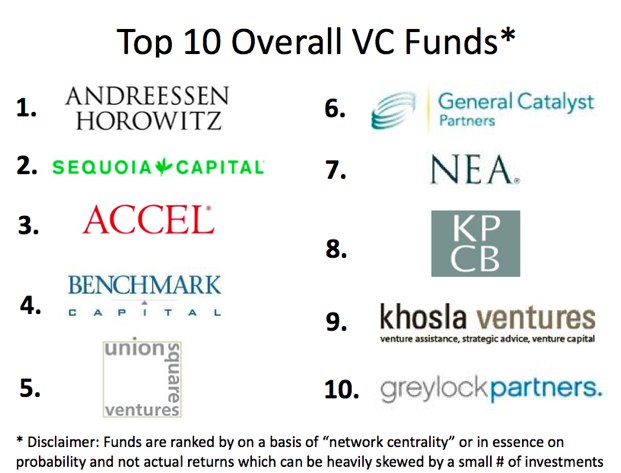
What Defines a Prestigious Venture Capital Firm?
A prestigious venture capital firm is typically defined by its track record, reputation, and influence in the industry. These firms often have a history of successful investments in high-growth companies and are known for their ability to identify and nurture groundbreaking startups. Key factors include:
See Also How Do I Start a Venture Capital Firm in Canada?
- Track Record: Consistently backing successful companies that achieve significant exits, such as IPOs or acquisitions.
- Reputation: Being highly respected by entrepreneurs, investors, and industry peers for their expertise and integrity.
- Influence: Shaping industries through strategic investments and mentorship.
Top Contenders for the Most Prestigious Venture Capital Firm
Several firms are often cited as the most prestigious in the venture capital world. These include Sequoia Capital, Andreessen Horowitz, and Accel. Each of these firms has a strong reputation for:
- Sequoia Capital: Known for early investments in companies like Apple, Google, and Airbnb.
- Andreessen Horowitz: Recognized for its focus on technology startups and influential thought leadership.
- Accel: Famous for backing Facebook, Slack, and other transformative companies.
Why Sequoia Capital Stands Out
Sequoia Capital is often regarded as the most prestigious venture capital firm due to its unparalleled success and global reach. Key reasons include:
See Also What Advice Would You Give a Former Startup Product Manager and Product Designer Looking to Get Into Venture Capital as an Associate
- Global Presence: Operates in the U.S., China, India, and other regions, giving it a unique edge.
- Longevity: Founded in 1972, it has decades of experience and a proven ability to adapt to market changes.
- Portfolio Strength: Backed some of the most iconic companies in tech history.
The Role of Andreessen Horowitz in Shaping Tech
Andreessen Horowitz has earned its prestige by being a leader in the tech investment space. Its influence is evident through:
- Thought Leadership: Regularly publishes insights and trends that shape the tech industry.
- Diverse Portfolio: Invests in a wide range of sectors, from crypto to healthcare.
- Entrepreneur Support: Provides extensive resources and mentorship to its portfolio companies.
Accel's Impact on the Startup Ecosystem
Accel has built its reputation by being a key player in the startup ecosystem. Its contributions include:
- Early-Stage Focus: Specializes in identifying and supporting startups in their early stages.
- Global Reach: Has a strong presence in both the U.S. and international markets.
- Notable Exits: Achieved significant returns through investments in companies like Facebook and Dropbox.
What is the 100 10 1 rule in venture capital?

Understanding the 100 10 1 Rule in Venture Capital
The 100 10 1 rule is a principle used by venture capitalists to manage their investment process. It suggests that for every 100 opportunities reviewed, only 10 will be seriously considered, and ultimately, only 1 will receive funding. This rule helps investors focus on the most promising startups while managing their time and resources efficiently.
- 100 Opportunities: Venture capitalists evaluate a large pool of potential investments, often reviewing business plans, pitches, and market data.
- 10 Considered: From the initial 100, only 10 startups are selected for deeper due diligence, including meetings with founders and market analysis.
- 1 Funded: After thorough evaluation, only 1 startup is chosen to receive funding, based on its potential for high returns and alignment with the investor's strategy.
Why the 100 10 1 Rule is Important for Venture Capitalists
The 100 10 1 rule is crucial for venture capitalists because it provides a structured approach to decision-making. By narrowing down opportunities systematically, investors can minimize risks and maximize returns.
- Risk Management: The rule helps investors avoid spreading their resources too thin by focusing on a smaller number of high-potential startups.
- Efficiency: It streamlines the investment process, allowing venture capitalists to allocate their time and effort more effectively.
- Focus on Quality: By selecting only the best opportunities, investors increase the likelihood of backing successful companies.
How the 100 10 1 Rule Impacts Startups
For startups, understanding the 100 10 1 rule can provide insight into the competitive nature of venture capital funding. It highlights the importance of standing out among numerous applicants.
- Competition: Startups must differentiate themselves to be among the 10 considered out of 100.
- Preparation: Founders need to present a compelling pitch, solid business plan, and clear market potential to attract investor interest.
- Persistence: Even if not selected initially, startups can use feedback to improve and reapply in the future.
Applying the 100 10 1 Rule in Practice
Venture capitalists apply the 100 10 1 rule by following a structured process to evaluate and select investments. This involves multiple stages of assessment and decision-making.
- Screening: Initial review of 100 opportunities to identify those with potential.
- Due Diligence: In-depth analysis of the 10 selected startups, including financials, team, and market fit.
- Final Decision: Choosing the 1 startup that aligns best with the investor's goals and offers the highest potential return.
Challenges of the 100 10 1 Rule in Venture Capital
While the 100 10 1 rule is effective, it also presents challenges for both investors and startups. These challenges can impact the overall success of the investment process.
- Time-Consuming: Evaluating 100 opportunities requires significant time and effort.
- Subjectivity: The selection process can be influenced by personal biases or market trends.
- High Stakes: With only 1 startup funded, the pressure to make the right choice is immense for both investors and founders.
Who are tier 1 VCs?

What Defines Tier 1 Venture Capital Firms?
Tier 1 venture capital (VC) firms are the most prestigious and influential investors in the startup ecosystem. They are characterized by their ability to consistently identify and fund high-growth companies, often leading to significant returns. These firms typically have:
- Proven track records of successful investments in unicorn companies.
- Extensive networks that provide startups with access to top talent, partnerships, and follow-on funding.
- Large fund sizes, often managing billions of dollars in assets.
Examples of Tier 1 Venture Capital Firms
Some of the most well-known Tier 1 VC firms include:
- Sequoia Capital: Known for early investments in companies like Apple, Google, and Airbnb.
- Andreessen Horowitz (a16z): A leader in tech investments, backing firms like Facebook and Slack.
- Accel: Early investor in Facebook, Dropbox, and Slack.
Why Startups Seek Tier 1 VC Funding
Startups often prioritize securing funding from Tier 1 VCs because:
- Credibility and validation from a top-tier firm can attract other investors and customers.
- Access to mentorship and strategic guidance from experienced investors.
- Enhanced visibility in the market, which can accelerate growth and partnerships.
How Tier 1 VCs Differ from Other Investors
Tier 1 VCs stand out from other investors due to their:
- Selective investment approach, focusing on high-potential startups with scalable business models.
- Global reach, allowing them to identify and support startups across multiple regions.
- Long-term vision, often supporting companies through multiple funding rounds and exits.
The Impact of Tier 1 VCs on the Startup Ecosystem
Tier 1 VCs play a crucial role in shaping the startup ecosystem by:
- Driving innovation through funding for cutting-edge technologies and business models.
- Creating job opportunities as portfolio companies scale and expand.
- Influencing market trends by backing disruptive companies that redefine industries.
What are VC websites?

What Are VC Websites?
VC websites are online platforms that connect venture capitalists (VCs) with entrepreneurs and startups seeking funding. These websites serve as a bridge between investors and innovators, providing tools and resources to facilitate the investment process. They often feature startup profiles, investment opportunities, and networking capabilities to help both parties achieve their goals.
Key Features of VC Websites
VC websites typically include several essential features to streamline the investment process. These features are designed to make it easier for investors and startups to connect and collaborate effectively.
- Startup Profiles: Detailed information about startups, including their business model, team, and funding needs.
- Investment Opportunities: A curated list of startups seeking funding, often categorized by industry or stage of development.
- Networking Tools: Platforms for communication between investors and entrepreneurs, such as messaging systems or forums.
How VC Websites Benefit Startups
For startups, VC websites provide a platform to showcase their ideas and attract potential investors. These platforms offer visibility and access to a network of experienced investors who can provide not only funding but also mentorship and industry connections.
- Increased Visibility: Startups gain exposure to a wide audience of investors actively looking for new opportunities.
- Access to Resources: Many VC websites offer educational materials, templates, and tools to help startups refine their pitch and business plan.
- Networking Opportunities: Startups can connect with other entrepreneurs and industry experts to build valuable relationships.
How VC Websites Benefit Investors
Investors use VC websites to discover promising startups and manage their investment portfolios. These platforms provide tools to evaluate opportunities, track progress, and communicate with entrepreneurs.
- Deal Flow: Investors gain access to a steady stream of investment opportunities across various industries and stages.
- Due Diligence Tools: Many VC websites offer analytics and reporting features to help investors assess the viability of startups.
- Portfolio Management: Investors can track the performance of their investments and receive updates from startups they have funded.
Popular VC Websites in the Market
There are several well-known VC websites that have gained popularity due to their user-friendly interfaces and extensive networks. These platforms cater to a wide range of industries and investment preferences.
- AngelList: A leading platform for startups and investors, offering tools for fundraising, hiring, and networking.
- Crunchbase: A comprehensive database of companies, investors, and industry trends, widely used for research and discovery.
- Gust: A global platform that connects startups with angel investors and provides resources for both parties.
Frequently Asked Questions by our Community
What are some venture capital firms known for their well-designed websites?
Several venture capital firms are recognized for their well-designed websites, which often reflect their brand identity and professionalism. Firms like Andreessen Horowitz (a16z), Sequoia Capital, and Benchmark are notable for their sleek, user-friendly designs. These websites typically feature clean layouts, intuitive navigation, and visually appealing elements that highlight their portfolios, team members, and thought leadership content. A well-designed website not only enhances user experience but also builds trust and credibility with potential investors and startups.
Why is a well-designed website important for venture capital firms?
A well-designed website is crucial for venture capital firms because it serves as their digital storefront. It communicates their brand values, showcases their expertise, and provides easy access to critical information such as investment criteria, portfolio companies, and contact details. A professional website can attract high-quality startups and investors, as it reflects the firm's commitment to excellence and innovation. Additionally, a user-friendly design ensures that visitors can quickly find the information they need, improving engagement and fostering trust.
How do venture capital firms use their websites to attract startups?
Venture capital firms leverage their websites to attract startups by clearly presenting their investment philosophy, focus areas, and success stories. A well-designed website often includes sections dedicated to portfolio companies, case studies, and testimonials, which demonstrate the firm's track record and expertise. Additionally, firms may provide resources such as blog posts, whitepapers, or event calendars to engage with the startup community. By offering valuable content and showcasing their achievements, these firms position themselves as trusted partners for entrepreneurs seeking funding and guidance.
What features make a venture capital firm's website stand out?
A standout venture capital website typically includes several key features: a clean and modern design, easy navigation, and responsive functionality across devices. It should also highlight the firm's unique value proposition, such as its investment focus, team expertise, or industry connections. Interactive elements like portfolio filters, video content, or dynamic visuals can enhance user engagement. Additionally, integrating thought leadership content, such as blogs or podcasts, helps establish the firm as an authority in the venture capital space. These features collectively create a memorable and impactful online presence.
Leave a Reply
Our Recommended Articles