
How to Start a Tech Company Without a Tech Background

Starting a tech company without a technical background may seem daunting, but it’s far from impossible. While coding skills or engineering expertise are valuable, the foundation of a successful tech venture lies in identifying market needs, fostering innovation, and executing a clear vision. Many industry leaders began with non-technical backgrounds, relying on strategic partnerships, resourcefulness, and a willingness to learn. This article explores actionable steps to bridge the knowledge gap, from leveraging no-code tools and hiring skilled talent to cultivating a user-centric mindset. Whether you’re a visionary entrepreneur or a curious problem-solver, discover how to transform ideas into scalable solutions—no tech degree required.
How to Launch a Successful Tech Startup Without Technical Expertise
1. Identifying the Problem and Building the Right Team
To start a tech company without a tech background, focus on problem-solving rather than technical details. Begin by identifying a market gap or pain point that your product can address. Conduct customer interviews and market research to validate demand. Once the problem is clear, assemble a team with complementary skills. Partner with technical co-founders, developers, or consultants who can translate your vision into a functional product. Prioritize trust and shared goals when building your team.
See AlsoHow to Start a Technology Company| Step | Action | Key Focus |
|---|---|---|
| 1 | Research the market | Validate demand |
| 2 | Network with experts | Find technical partners |
| 3 | Define roles | Clarity in responsibilities |
2. Validating Your Idea Without Coding
You don’t need to code to test your concept. Use no-code tools like Figma or Bubble to create prototypes or mockups. Present these to potential customers for feedback. Leverage landing pages with tools like WordPress or Wix to gauge interest through pre-orders or email sign-ups. Analyze metrics like conversion rates to assess viability.
| Tool | Purpose | Cost |
|---|---|---|
| Figma | Design prototypes | Free-tier available |
| Bubble | Build MVP | Paid plans |
| Google Forms | Collect feedback | Free |
3. Partnering with Technical Co-Founders or Developers
Collaborate with technical talent by offering equity or competitive pay. Attend tech meetups, LinkedIn groups, or platforms like CoFoundersLab to find partners. Clearly outline expectations and ownership terms in legal agreements. Ensure alignment on the product roadmap and business goals.
See Also What Types of Financial Modeling Might Be Useful to an Early Stage Vc
| Platform | Use Case | Success Rate |
|---|---|---|
| AngelList | Hire developers | High |
| Y Combinator | Network with founders | Moderate |
| Local incubators | Find co-founders | Variable |
4. Outsourcing Development Effectively
If hiring in-house isn’t feasible, outsource development to freelancers or agencies. Use platforms like Upwork or Toptal to find vetted professionals. Set milestones and deliverables to maintain control. Regularly review progress via Agile methodologies or weekly check-ins.
| Option | Pros | Cons |
|---|---|---|
| Freelancers | Cost-effective | Less accountability |
| Agencies | Comprehensive support | Higher cost |
| Hybrid model | Balanced flexibility | Management complexity |
5. Learning Basic Tech Skills for Better Decision-Making
While you don’t need to code, understanding basics like APIs, databases, or cloud services improves communication. Take online courses on Coursera or Udemy. Focus on product management frameworks (e.g., Scrum) to lead technical teams confidently.
See Also What Are the Different Stages in Startup Funding?
| Skill | Resource | Time Commitment |
|---|---|---|
| Product Management | Coursera | 20 hours |
| UI/UX Basics | YouTube tutorials | 10 hours |
| Cloud Computing | AWS Training | 15 hours |
6. Scaling Your Tech Startup Strategically
Focus on automation and scalable processes as you grow. Invest in tools like Zapier for workflow integration or CRM systems like Salesforce. Prioritize customer retention through data analytics and user feedback loops. Secure funding via angel investors or venture capital to fuel expansion.
| Tool | Function | Impact |
|---|---|---|
| Zapier | Automate tasks | High efficiency |
| Google Analytics | Track user behavior | Data-driven decisions |
| HubSpot | CRM management | Improved sales |
How do non-tech people start tech companies?
Identifying a Problem and Validating the Idea
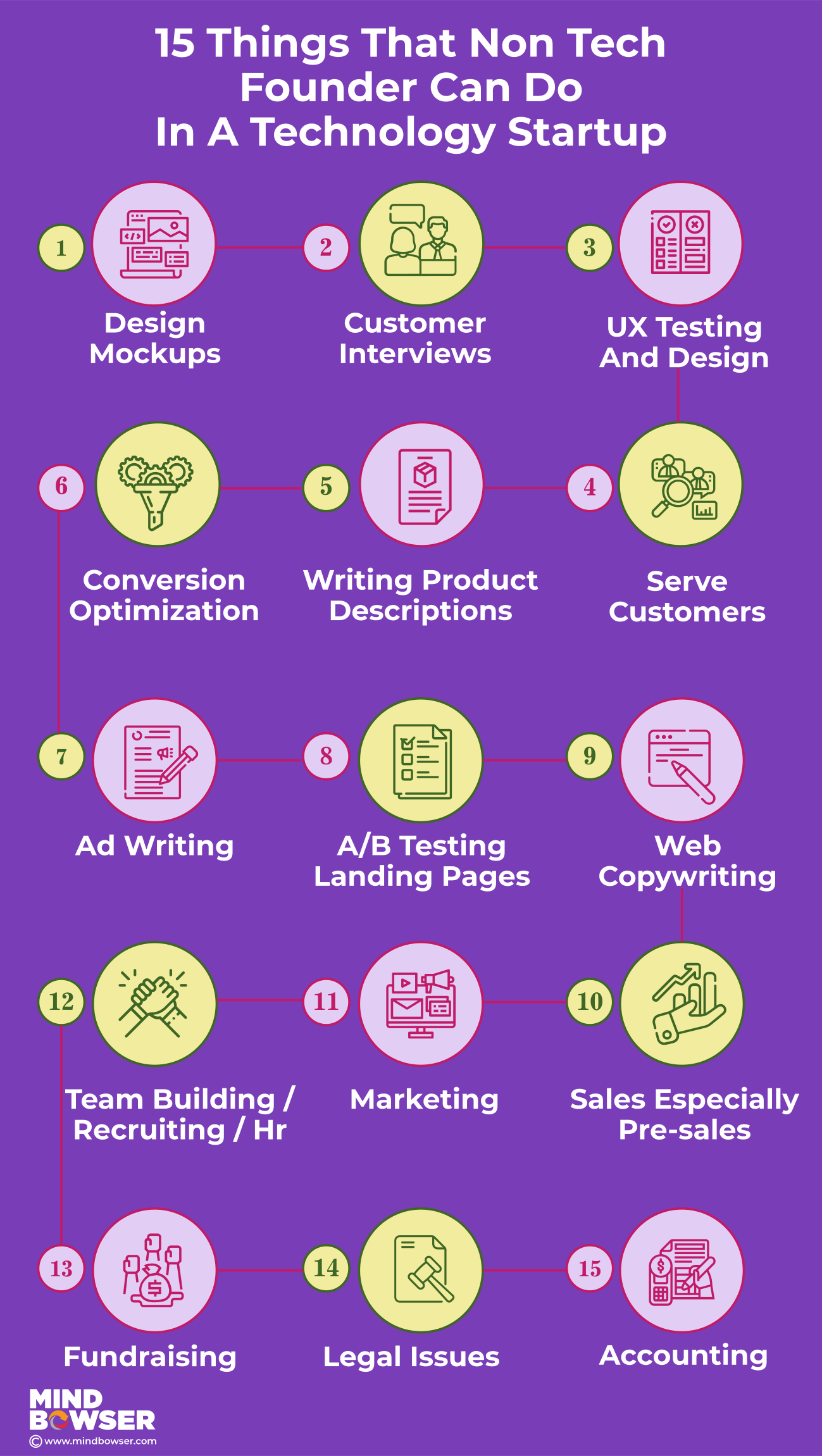
Non-tech founders often start by recognizing a pain point in their industry or daily life. They focus on problem validation through market research, surveys, or interviews to ensure demand. Once the problem is clear, they define a unique value proposition to differentiate their solution.
- Conduct market research to assess competition and customer needs.
- Build a minimum viable product (MVP) using no-code tools or prototypes to test feasibility.
- Iterate based on feedback to refine the solution before scaling.
Building a Technical Team or Partnering with Experts
Non-technical founders rarely build tech alone. They leverage networks to find co-founders, hire developers, or collaborate with freelancers. Trust and shared vision are critical in these partnerships.
- Hire a CTO or technical co-founder to lead product development.
- Use freelancing platforms like Upwork or Toptal for short-term tech needs.
- Outsource development to agencies for end-to-end project management.
Leveraging No-Code and Low-Code Platforms
No-code tools (e.g., Bubble, Webflow) empower non-tech founders to create functional apps or websites without coding. These platforms reduce costs and accelerate time-to-market.
- Prototype with tools like Figma to visualize the product.
- Build MVPs using no-code platforms to test user engagement.
- Scale gradually by transitioning to custom code as the business grows.
Securing Funding and Resources
Non-tech entrepreneurs often rely on external funding to hire talent and build infrastructure. Pitching to investors requires a clear business model and traction.
- Bootstrap initially using personal savings or revenue from early adopters.
- Pitch to angel investors or VCs with a focus on market potential.
- Apply for grants or accelerators tailored to non-technical founders.
Focusing on Business Strategy and Marketing
Non-tech founders excel in business development, branding, and customer acquisition. They prioritize marketing to build awareness and drive growth.
- Develop a go-to-market strategy targeting early adopters.
- Invest in digital marketing (SEO, social media, content) to reach audiences.
- Build partnerships with influencers or industry leaders for credibility.
How do you build a tech startup when you're not technical?
1. Leverage No-Code and Low-Code Tools
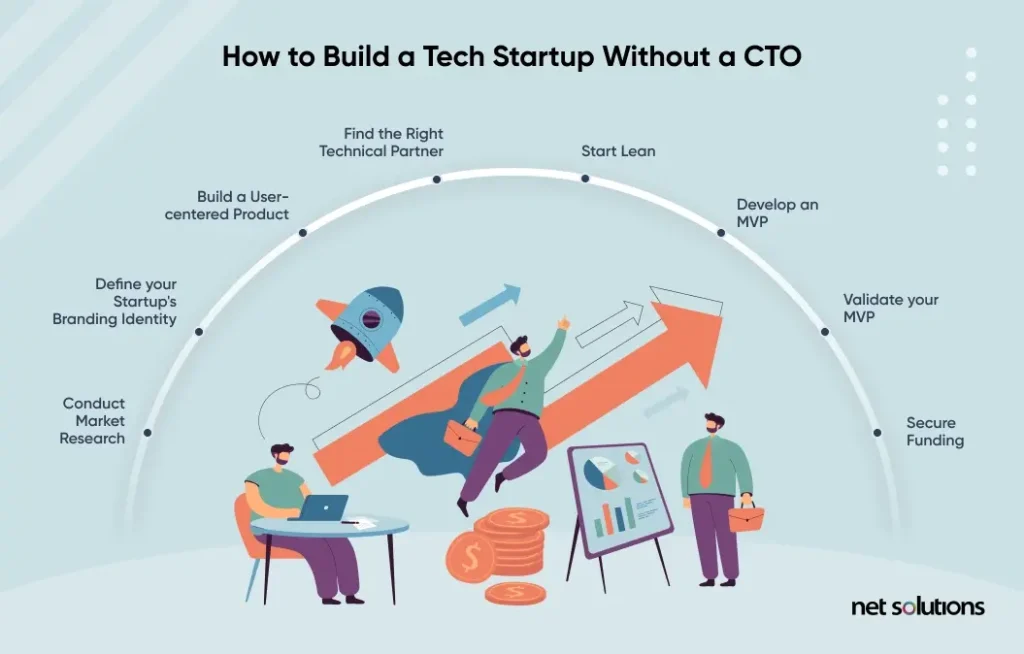
Non-technical founders can use no-code platforms like Bubble, Webflow, or Adalo to build prototypes or even full-scale applications without coding. These tools offer drag-and-drop interfaces and pre-built templates to create functional products. Focus on validating your idea first, then iterate based on user feedback.
- Validate your MVP using tools like Figma or Canva for mockups before investing in development.
- Automate workflows with Zapier or Airtable to connect apps and streamline operations.
- Scale gradually by transitioning to custom code once demand is proven.
2. Partner with Technical Co-Founders or Freelancers
Collaborating with technical co-founders or hiring skilled freelancers bridges the expertise gap. Clearly define roles, equity splits, and expectations upfront to avoid conflicts. Platforms like Y Combinator’s co-founder matching or LinkedIn can help find reliable partners.
- Attend tech meetups or hackathons to network with developers interested in startups.
- Use freelance platforms like Toptal or Upwork for short-term projects.
- Offer equity strategically to incentivize long-term commitment from technical talent.
3. Focus on Your Core Strengths
Non-technical founders often excel in market research, sales, or branding. Prioritize tasks like customer acquisition, fundraising, and storytelling while outsourcing technical work. Build a strong value proposition to attract investors and early adopters.
- Master customer discovery to refine your product-market fit through interviews and surveys.
- Develop a sales strategy using CRM tools like HubSpot or Salesforce.
- Create compelling pitch decks to secure funding or partnerships.
4. Build a Minimum Viable Product (MVP) First
Start with a simple MVP to test core functionalities. Use landing pages, mockups, or basic prototypes to gather user feedback. Avoid overengineering; prioritize speed to market to validate assumptions before scaling.
- Use landing page builders like Unbounce or Carrd to gauge interest.
- Run pre-sale campaigns on Kickstarter or via email lists.
- Analyze feedback with tools like Hotjar or Google Analytics.
5. Educate Yourself on Tech Basics
While you don’t need to code, understanding tech fundamentals helps communicate effectively with developers. Learn basics like APIs, databases, or Agile methodologies through courses on Coursera or Udemy.
- Study product management frameworks like Scrum or Kanban.
- Understand key metrics such as server costs, load times, or user retention.
- Stay updated on trends like AI, blockchain, or cloud computing to inform decisions.
How do I start my own tech company?

How to Validate Your Tech Startup Idea
Before launching a tech company, ensure your idea addresses a real problem and has market demand. Start by conducting market research to identify gaps and analyze competitors. Gather feedback from potential users through surveys, interviews, or prototypes. Refine your concept based on insights and prioritize building a minimum viable product (MVP) to test core functionalities.
- Research your target audience to understand their pain points.
- Analyze competitors to find unique differentiators for your product.
- Develop an MVP to validate assumptions with minimal resources.
Creating a Business Plan for Your Tech Company
A structured business plan outlines your goals, strategies, and financial projections. Define your value proposition, revenue model, and target market. Include timelines for product development, marketing, and scaling. This document will also help attract investors and align your team’s efforts.
- Outline your mission statement and long-term vision.
- Detail revenue streams (e.g., subscriptions, ads, or SaaS).
- Include a budget plan for development, marketing, and operations.
Choosing the Right Legal Structure
Selecting a legal structure (e.g., LLC, C-Corp, or sole proprietorship) impacts taxes, liability, and fundraising. Consult a lawyer to determine the best fit. Register your business, obtain licenses, and draft agreements for co-founders or early employees.
- Evaluate liability protection and tax implications.
- Register your company name and trademarks.
- Draft founder agreements to clarify roles and equity splits.
Building a Skilled Tech Team
Assemble a team with complementary skills, including developers, designers, and marketers. Use platforms like LinkedIn or AngelList to recruit talent. Foster a collaborative culture and consider equity-based compensation to attract early hires.
- Identify key roles (CTO, product manager, etc.).
- Leverage freelancers or agencies for short-term needs.
- Use vesting schedules to retain long-term contributors.
Securing Funding for Your Tech Startup
Explore funding options like bootstrapping, venture capital, or crowdfunding. Prepare a pitch deck highlighting your market opportunity, traction, and team. Network with angel investors or apply to accelerators like Y Combinator for mentorship and capital.
- Bootstrap with personal savings or friends-and-family rounds.
- Pitch to VCs or angel investors for scalable ventures.
- Consider crowdfunding platforms for community-backed projects.
How to get a job in tech with no background?

1. Leverage Online Learning Platforms and Resources
Start by building foundational knowledge through online courses and tutorials. Platforms like Coursera, Udemy, and freeCodeCamp offer affordable or free courses in programming, data analysis, and IT fundamentals. Focus on high-demand skills such as Python, JavaScript, or cloud computing. Consistency is key—dedicate time daily to practice and apply what you learn.
- Enroll in beginner-friendly courses like CS50 by Harvard or Python for Everybody.
- Use interactive platforms like Codecademy or LeetCode to practice coding.
- Explore YouTube tutorials or podcasts for niche tech topics.
2. Build a Portfolio with Personal Projects
Employers value practical experience. Create personal projects that solve real-world problems or demonstrate your skills. For example, build a simple website, automate a task with Python, or contribute to open-source projects on GitHub. Document your process and showcase these projects in a portfolio website or LinkedIn profile.
- Develop a personal website using HTML/CSS or platforms like WordPress.
- Participate in hackathons or collaborate on open-source initiatives.
- Include detailed project descriptions, code samples, and outcomes.
3. Network and Seek Mentorship
Connect with professionals in the tech industry through LinkedIn, Meetup, or local tech events. Join online communities like Reddit’s r/learnprogramming or Discord groups. Seek mentorship via platforms like ADPList or industry-specific forums to gain insights and advice.
- Attend virtual or in-person tech meetups or conferences.
- Reach out to professionals for informational interviews.
- Engage in discussions on platforms like Twitter or Dev.to.
4. Apply for Entry-Level Roles or Internships
Target entry-level positions like IT support, junior developer, or QA tester. Highlight transferable skills such as problem-solving, teamwork, or project management from past roles. Use job boards like Indeed, Glassdoor, or AngelList to find opportunities tailored to beginners.
- Customize your resume to emphasize relevant skills, even from non-tech jobs.
- Apply for internships or apprenticeships via LinkedIn or company websites.
- Consider freelance gigs on Upwork to gain initial experience.
5. Earn Certifications to Validate Skills
Certifications from recognized organizations can boost credibility. Pursue certifications like Google IT Support Professional, AWS Certified Cloud Practitioner, or CompTIA A+. These credentials demonstrate commitment and proficiency to potential employers.
- Research certifications aligned with your target role (e.g., cybersecurity, web development).
- Use platforms like Coursera or edX for accredited programs.
- Add certifications to your LinkedIn profile and resume.
Frequently Asked Questions (FAQs)
How Can I Validate My Tech Idea Without Technical Expertise?
Validating a tech idea without technical skills requires focusing on market research, user feedback, and prototyping tools. Start by identifying your target audience and conducting surveys or interviews to gauge demand. Use no-code platforms like Figma or Bubble to create a mockup or minimum viable product (MVP) that demonstrates your concept. Partner with industry experts or mentors to review your idea objectively. Crowdfunding campaigns or pre-orders can also validate interest before investing in full development.
How Do I Build a Technical Team Without a Tech Background?
Building a technical team begins with networking and leveraging platforms like LinkedIn or AngelList to find skilled developers, engineers, or CTOs. Clearly communicate your vision and emphasize equity partnerships or competitive salaries to attract talent. Consider hiring a technical advisor to help vet candidates. Outsourcing to freelancers or agencies can also bridge gaps while you scale. Focus on fostering trust and collaboration to align your team with the company’s long-term goals.
What Funding Options Exist for Non-Technical Founders?
Non-technical founders can secure funding through angel investors, venture capital, or crowdfunding by showcasing a strong business plan and market potential. Highlight your unique value proposition, traction from early validation, and the expertise of your team or advisors. Pre-seed accelerators or incubators often support non-technical founders with mentorship and resources. Bootstrapping through savings or revenue from early customers is another viable path to prove viability before scaling.
Can I Succeed in Tech Without Learning to Code?
Yes, success in tech without coding is possible by focusing on leadership, strategic vision, and delegation. Prioritize understanding customer needs, market dynamics, and business operations. Use no-code/low-code tools to manage prototypes or workflows, and hire or collaborate with technical experts for development. Emphasize skills like product management, marketing, and fundraising. Many successful tech CEOs excel by mastering the business side while relying on trusted teams for technical execution.
Leave a Reply
Our Recommended Articles