
What Types of Financial Modeling Might Be Useful to an Early Stage Vc

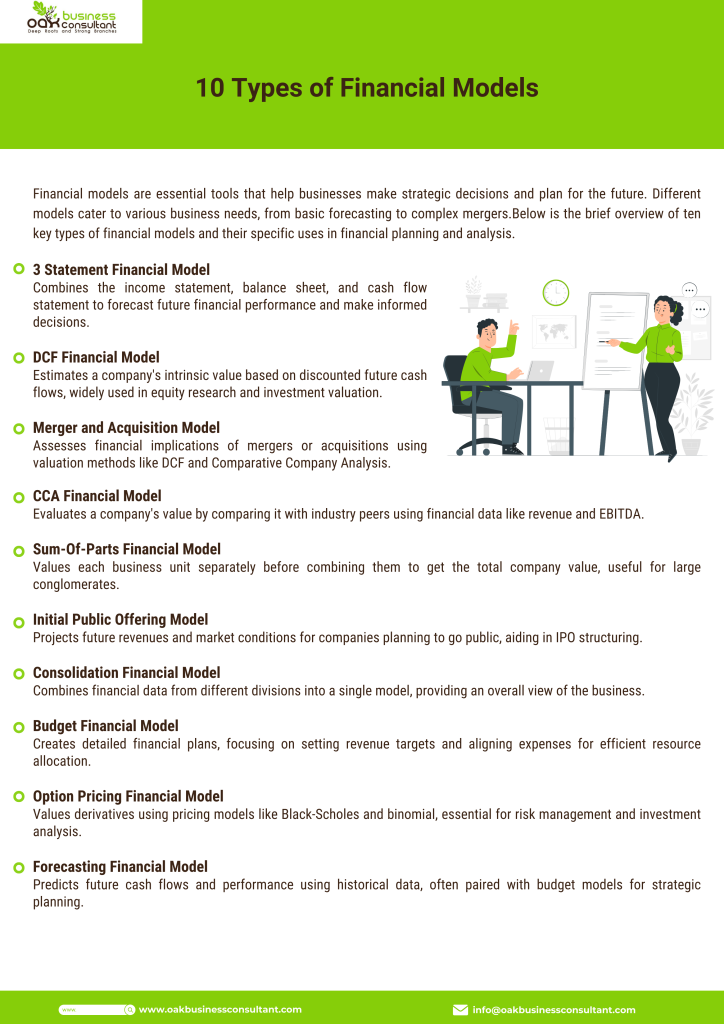
Financial modeling is a critical tool for early-stage venture capital (VC) firms, enabling them to assess potential investments, forecast growth, and manage risk. For VCs operating in the high-uncertainty environment of startups, specific types of financial models can provide clarity and actionable insights. These models help evaluate a startup's viability, scalability, and potential return on investment. Key approaches include discounted cash flow (DCF) analysis, scenario modeling, and cap table management. Each model serves a unique purpose, from projecting future revenues to understanding equity dilution. By leveraging these tools, early-stage VCs can make informed decisions, optimize portfolio performance, and support the growth of promising ventures.
What Types of Financial Modeling Might Be Useful to an Early Stage VC
Early-stage venture capital (VC) investors often rely on financial modeling to evaluate potential investments, assess risks, and forecast returns. These models help VCs make informed decisions by providing insights into a startup's financial health, growth potential, and scalability. Below, we explore the types of financial modeling that are particularly useful for early-stage VCs.
See Also Are Moic and Irr the Most Important Financial Metrics to Track in a Venture Capital Portfolio
1. Startup Valuation Models
Startup valuation models are essential for determining the worth of a company before investment. Early-stage VCs often use methods like the Discounted Cash Flow (DCF) model, Comparable Company Analysis, and Venture Capital Method. These models help estimate the startup's future cash flows, compare it with similar companies, and calculate the potential return on investment.
| Model | Purpose |
|---|---|
| DCF | Estimates future cash flows and discounts them to present value. |
| Comparable Company Analysis | Compares the startup to similar companies in the industry. |
| Venture Capital Method | Focuses on exit valuation and expected ROI. |
2. Burn Rate Analysis
Burn rate analysis is critical for understanding how quickly a startup is spending its capital. This model helps VCs assess whether the startup can sustain its operations until it becomes profitable or secures additional funding. A high burn rate may indicate inefficiency, while a low burn rate could suggest slower growth.
See Also What Are the Exit Opportunities After Working as an Analyst at a Vc Firm
| Metric | Importance |
|---|---|
| Monthly Burn Rate | Shows how much cash the startup spends each month. |
| Runway | Indicates how long the startup can operate before running out of funds. |
3. Scenario Analysis
Scenario analysis allows VCs to evaluate how different outcomes might impact a startup's financial performance. By creating best-case, worst-case, and base-case scenarios, investors can better understand the potential risks and rewards associated with an investment.
| Scenario | Purpose |
|---|---|
| Best-Case | Shows the startup's potential under optimal conditions. |
| Worst-Case | Highlights risks and potential losses. |
| Base-Case | Provides a realistic projection of performance. |
4. Cap Table Modeling
Cap table modeling is crucial for understanding the ownership structure of a startup. This model outlines the equity distribution among founders, investors, and employees, helping VCs assess dilution and future funding rounds.
See Also Where Can You Find Reviews and Ratings for Angel Investors and Venture Capital Firms
| Stakeholder | Equity Percentage |
|---|---|
| Founders | 50% |
| Investors | 30% |
| Employees | 20% |
5. Exit Strategy Modeling
Exit strategy modeling helps VCs estimate the potential returns from an investment by analyzing possible exit scenarios, such as acquisitions or IPOs. This model is vital for understanding how and when the VC might realize a return on their investment.
| Exit Type | Potential Return |
|---|---|
| Acquisition | High return if acquired by a larger company. |
| IPO | Significant return if the startup goes public. |
What financial models do venture capital firms use?
 How Are Advisors to a Vc Firm Compensated?
Discounted Cash Flow (DCF) Model
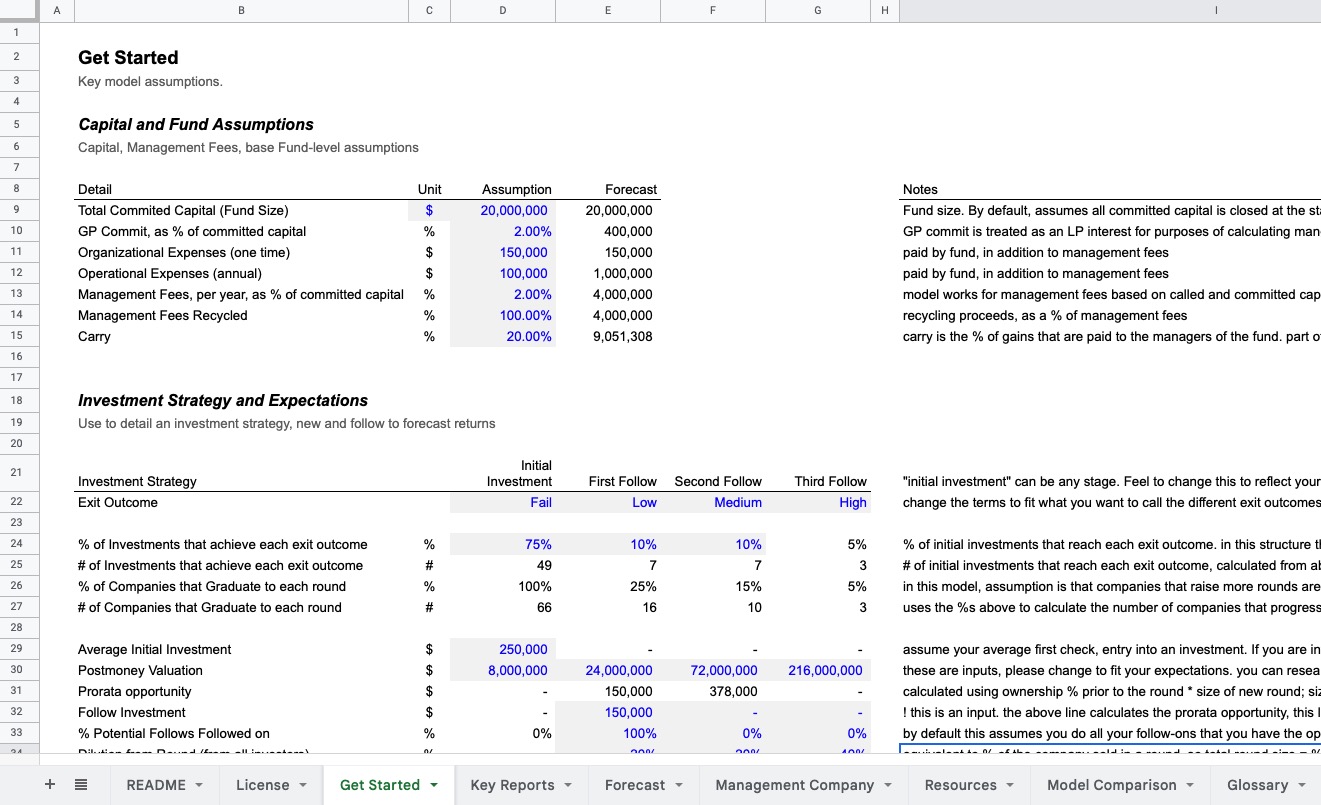
The Discounted Cash Flow (DCF) model is one of the most widely used financial models by venture capital firms. It estimates the value of an investment based on its expected future cash flows, discounted to their present value. This model helps investors assess the potential return on investment by considering the time value of money.
- Project future cash flows: Estimate the company's revenue, expenses, and free cash flow over a specific period.
- Determine the discount rate: Use the weighted average cost of capital (WACC) or a risk-adjusted rate to reflect the investment's risk.
- Calculate the present value: Discount the projected cash flows to their present value using the discount rate.
Comparable Company Analysis (CCA)
The Comparable Company Analysis (CCA) model involves comparing the target company to similar companies in the same industry. This method helps venture capital firms determine a fair valuation by analyzing metrics such as revenue multiples, EBITDA multiples, and price-to-earnings ratios.
See Also What Are the Best Mba Programs to Learn About Venture Capital
- Identify comparable companies: Select companies with similar business models, growth rates, and market conditions.
- Analyze valuation multiples: Calculate key multiples like EV/Revenue, EV/EBITDA, and P/E ratios.
- Apply multiples to the target company: Use the derived multiples to estimate the target company's valuation.
Precedent Transaction Analysis
Precedent Transaction Analysis is a model that evaluates past mergers and acquisitions in the same industry to determine the value of a target company. This approach is particularly useful for understanding how much similar companies have been acquired for in the past.
- Collect transaction data: Gather information on recent M&A deals involving similar companies.
- Analyze transaction multiples: Examine metrics such as acquisition price-to-revenue or price-to-EBITDA ratios.
- Apply findings to the target company: Use the transaction multiples to estimate the target company's value.
Venture Capital Method
The Venture Capital Method is specifically designed for early-stage companies. It focuses on estimating the future exit value of a startup and working backward to determine its current valuation.
- Estimate the exit value: Project the company's value at the time of exit (e.g., IPO or acquisition).
- Determine the required return: Calculate the expected return on investment based on the risk profile.
- Calculate the present value: Discount the exit value to its present value to determine the current valuation.
Option Pricing Model
The Option Pricing Model, such as the Black-Scholes model, is used to value equity investments in startups. This model is particularly useful for assessing the value of convertible securities or stock options.
- Identify key variables: Determine factors like stock price, strike price, time to maturity, and volatility.
- Apply the Black-Scholes formula: Use the formula to calculate the theoretical value of the option.
- Adjust for startup-specific risks: Modify the model to account for the unique risks associated with early-stage companies.
What is early-stage financing in venture capital?
What is Early-Stage Financing in Venture Capital?
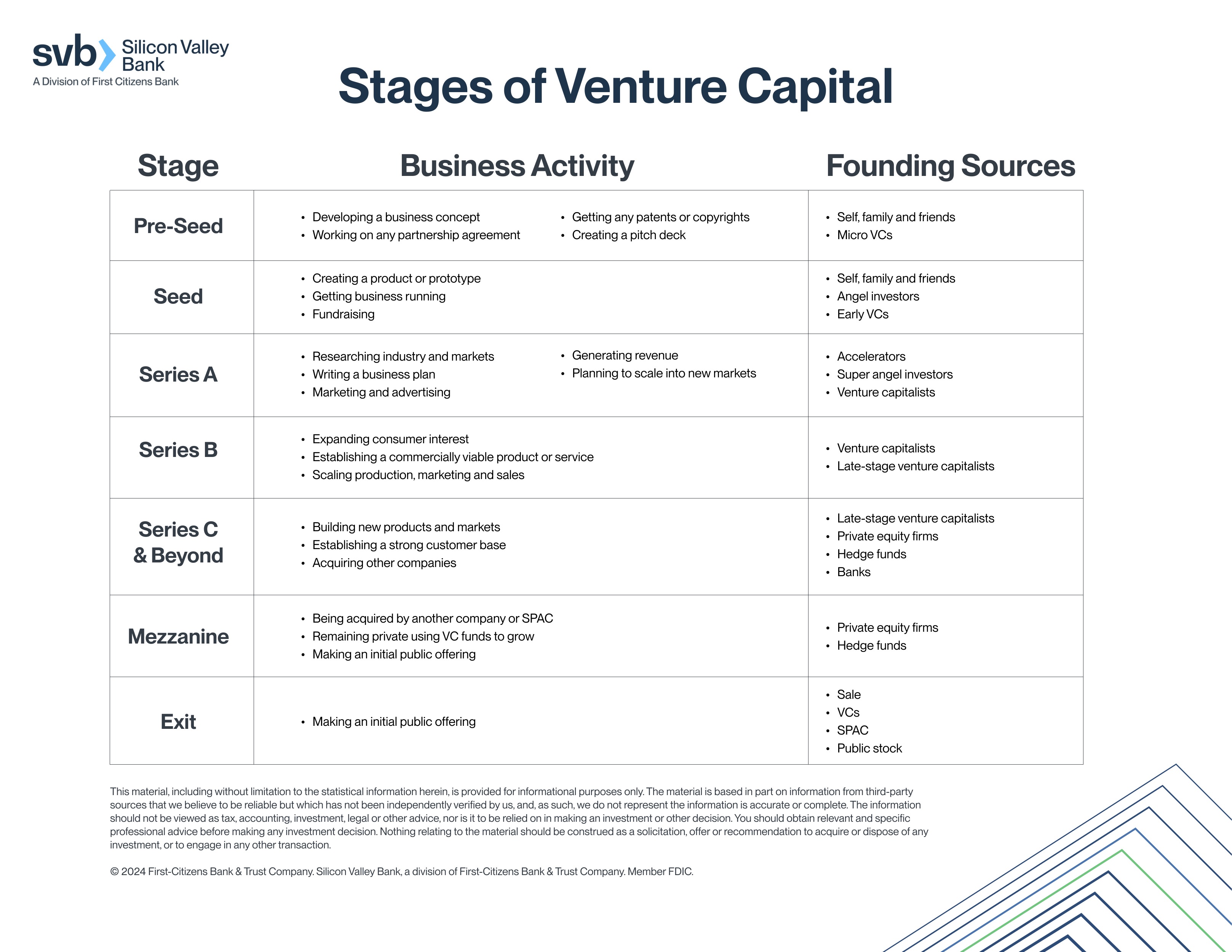
Early-stage financing in venture capital refers to the funding provided to startups and young companies during the initial phases of their development. This stage is critical as it helps businesses transition from the idea or prototype phase to a fully operational entity. Investors at this stage take on significant risk, as the company often lacks a proven track record or substantial revenue. However, the potential for high returns is also considerable if the startup succeeds.
Types of Early-Stage Financing
Early-stage financing can be categorized into several types, each serving a specific purpose in the startup's growth journey:
- Pre-Seed Funding: This is the earliest stage, where founders use personal savings or small investments from friends and family to develop their idea.
- Seed Funding: This stage involves raising capital to validate the business model, build a prototype, and conduct market research.
- Series A Funding: At this stage, startups seek larger investments to scale their operations, expand their team, and refine their product or service.
Key Players in Early-Stage Financing
Several key players are involved in early-stage financing, each contributing to the startup's growth:
- Angel Investors: High-net-worth individuals who provide capital in exchange for equity or convertible debt.
- Venture Capital Firms: Professional investment firms that pool funds to invest in high-potential startups.
- Accelerators and Incubators: Programs that offer funding, mentorship, and resources in exchange for equity.
Benefits of Early-Stage Financing
Early-stage financing offers numerous advantages for startups, including:
- Capital for Growth: Provides the necessary funds to develop products, hire talent, and enter markets.
- Validation and Credibility: Securing funding from reputable investors can enhance a startup's credibility and attract further investment.
- Access to Expertise: Investors often bring valuable industry knowledge, mentorship, and networking opportunities.
Challenges of Early-Stage Financing
Despite its benefits, early-stage financing comes with its own set of challenges:
- High Risk: Startups often fail, leading to potential losses for investors.
- Equity Dilution: Founders may have to give up a significant portion of ownership to secure funding.
- Intense Competition: Securing funding is highly competitive, with many startups vying for limited investor attention.
What are the 3 basic financial models?

What is the Discounted Cash Flow (DCF) Model?
The Discounted Cash Flow (DCF) model is a fundamental financial tool used to estimate the value of an investment based on its expected future cash flows. It works by projecting the company's free cash flows into the future and discounting them back to their present value using a discount rate, typically the weighted average cost of capital (WACC). Here’s how it works:
- Project future cash flows: Estimate the company's free cash flows over a specific period, usually 5-10 years.
- Determine the terminal value: Calculate the value of the company beyond the projection period using a growth rate.
- Discount cash flows: Apply the discount rate to bring future cash flows and the terminal value to their present value.
What is the Comparable Company Analysis (CCA) Model?
The Comparable Company Analysis (CCA) model is a relative valuation method used to assess a company's value by comparing it to similar companies in the same industry. This model relies on financial metrics and multiples to determine valuation. Here’s how it works:
- Select comparable companies: Identify companies with similar size, growth, and risk profiles.
- Calculate valuation multiples: Use metrics like Price-to-Earnings (P/E), Enterprise Value-to-EBITDA (EV/EBITDA), and Price-to-Sales (P/S).
- Apply multiples to the target company: Use the derived multiples to estimate the target company's value.
What is the Precedent Transaction Analysis (PTA) Model?
The Precedent Transaction Analysis (PTA) model is another relative valuation method that estimates a company's value based on past transactions involving similar companies. This approach is particularly useful in mergers and acquisitions (M&A). Here’s how it works:
- Identify relevant transactions: Research historical M&A deals in the same industry.
- Analyze transaction multiples: Examine multiples like EV/EBITDA, EV/Revenue, and P/E from past deals.
- Apply multiples to the target company: Use the historical multiples to estimate the target company's value.
Why is the DCF Model Important?
The DCF model is crucial because it provides an intrinsic valuation of a company based on its cash-generating ability. Unlike relative valuation methods, it focuses on the company's fundamentals rather than market comparisons. Key reasons for its importance include:
- Focus on cash flow: It emphasizes the company's ability to generate cash, which is a key driver of value.
- Flexibility: It can be tailored to specific assumptions about growth, margins, and capital structure.
- Long-term perspective: It considers the company's value over an extended period, making it ideal for strategic decisions.
How Does the CCA Model Differ from the PTA Model?
The Comparable Company Analysis (CCA) and Precedent Transaction Analysis (PTA) models are both relative valuation methods, but they differ in their approach and application. Here’s a breakdown of their differences:
- Data source: CCA uses current market data, while PTA relies on historical transaction data.
- Valuation context: CCA reflects the current market sentiment, whereas PTA reflects premiums paid in past deals.
- Use case: CCA is more common for ongoing valuations, while PTA is often used in M&A scenarios.
How to model a VC fund?
Understanding the Structure of a VC Fund
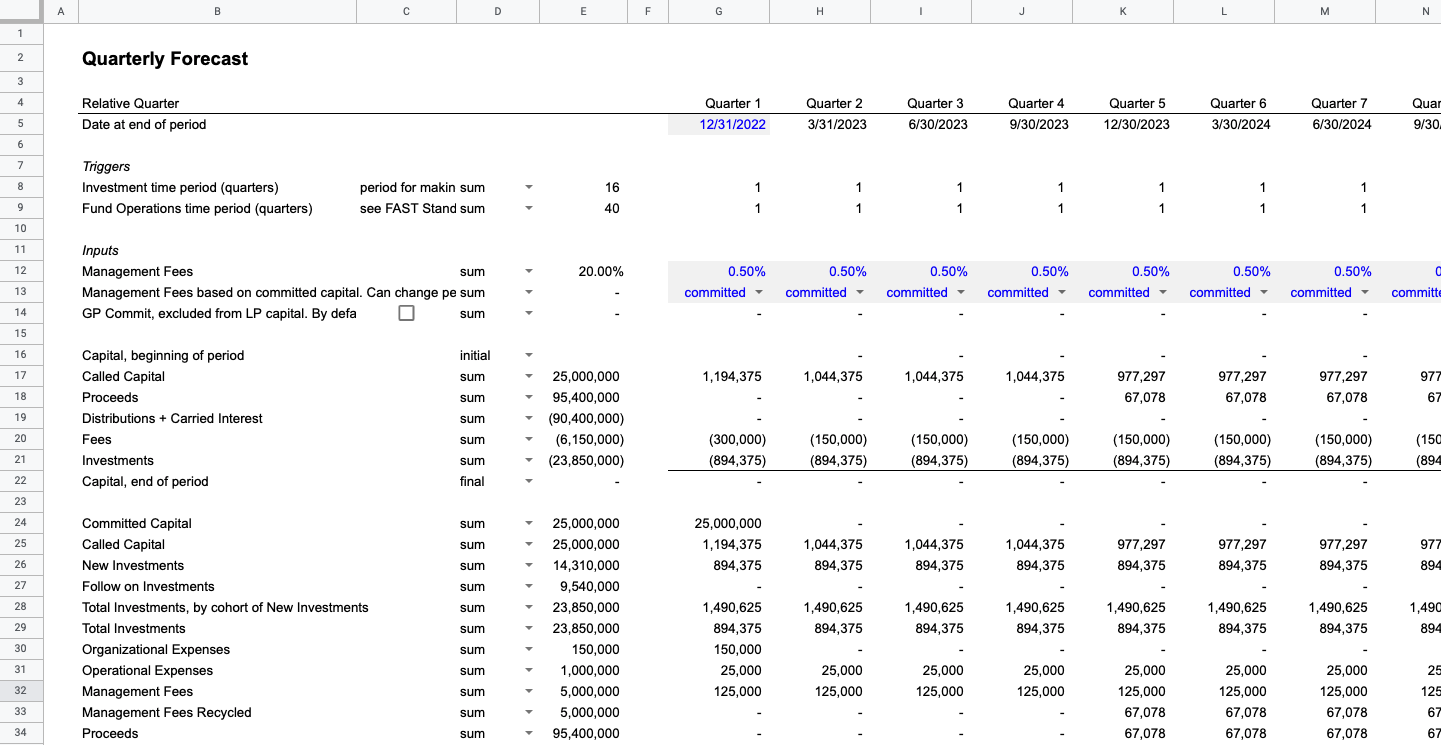
Modeling a VC fund begins with understanding its structure. A venture capital fund is typically structured as a limited partnership, where the general partners (GPs) manage the fund and make investment decisions, while the limited partners (LPs) provide the capital. Key components include:
- Fund Size: Determine the total capital to be raised, which influences the number and size of investments.
- Management Fees: GPs usually charge an annual fee (1-2% of committed capital) for managing the fund.
- Carried Interest: GPs earn a share of the profits (typically 20%) after returning the initial capital to LPs.
Defining the Investment Strategy
The investment strategy is the backbone of a VC fund. It outlines the types of startups the fund will target, the industries it will focus on, and the stages of investment. Key considerations include:
- Sector Focus: Decide whether to specialize in specific industries like tech, healthcare, or clean energy.
- Stage of Investment: Choose between early-stage (seed, Series A) or later-stage (Series B, C) investments.
- Geographic Focus: Determine if the fund will invest locally, nationally, or globally.
Building the Financial Model
A robust financial model is essential for projecting the fund's performance. This includes forecasting cash flows, returns, and valuations. Key steps include:
- Cash Flow Projections: Estimate capital calls, distributions, and management fees over the fund's lifecycle.
- Valuation Assumptions: Use realistic assumptions for startup valuations and exit scenarios.
- Return Metrics: Calculate key metrics like Internal Rate of Return (IRR) and Multiple on Invested Capital (MOIC).
Legal and Regulatory Considerations
Compliance with legal and regulatory requirements is critical for a VC fund. This involves setting up the fund structure, drafting agreements, and adhering to securities laws. Key aspects include:
- Fund Formation: Establish the fund as a limited partnership or LLC, depending on jurisdiction.
- LP Agreements: Draft agreements outlining the terms of the partnership, including capital commitments and profit-sharing.
- Regulatory Compliance: Ensure adherence to securities regulations, such as filing Form D in the U.S.
Fundraising and Investor Relations
Raising capital from LPs is a critical step in launching a VC fund. Building strong relationships with investors and maintaining transparency are key. Key steps include:
- Pitch Deck: Create a compelling presentation highlighting the fund's strategy, team, and track record.
- Due Diligence: Provide detailed information to potential LPs, including financial projections and legal documents.
- Ongoing Communication: Regularly update LPs on fund performance, portfolio updates, and market insights.
Frequently Asked Questions (FAQs)
What is a Financial Model, and Why is it Important for Early-Stage VC Investments?
A financial model is a tool used to forecast a company's financial performance based on historical data, assumptions, and projections. For early-stage VC investments, financial models are crucial because they help investors assess the potential growth, profitability, and risks of a startup. These models provide a structured way to evaluate whether a startup can achieve its milestones, scale effectively, and deliver a return on investment. By analyzing key metrics such as revenue growth, cash burn rate, and valuation, VCs can make informed decisions about funding and support.
What Types of Financial Models Are Commonly Used by Early-Stage VCs?
Early-stage VCs often rely on several types of financial models, including discounted cash flow (DCF), scenario analysis, and cap table modeling. A DCF model helps estimate the present value of a startup based on its future cash flows, which is particularly useful for assessing long-term potential. Scenario analysis allows VCs to evaluate how different business conditions (e.g., market growth, competition) might impact the startup's performance. Cap table modeling is essential for understanding equity distribution, dilution, and the impact of future funding rounds on ownership stakes.
How Can a Financial Model Help in Valuing an Early-Stage Startup?
Valuing an early-stage startup is challenging due to the lack of historical financial data. A financial model helps by projecting future revenues, expenses, and cash flows, which can be used to estimate the startup's valuation. VCs often use methods like the venture capital method, which calculates valuation based on expected exit value and desired return on investment. Additionally, financial models can incorporate market comparables and pre-money valuations from similar startups to provide a more accurate estimate. This process helps VCs determine how much equity to request in exchange for their investment.
What Key Metrics Should Early-Stage VCs Focus on in Financial Models?
Early-stage VCs should focus on metrics that reflect a startup's growth potential and financial health. Key metrics include monthly recurring revenue (MRR), customer acquisition cost (CAC), lifetime value (LTV), and runway (the time until the startup runs out of cash). These metrics help VCs understand how efficiently a startup can acquire and retain customers, generate revenue, and manage its resources. Additionally, tracking burn rate and cash flow is critical to ensure the startup can sustain operations until it reaches profitability or secures additional funding.
Leave a Reply
Our Recommended Articles