
What Are the Different Stages in Startup Funding?

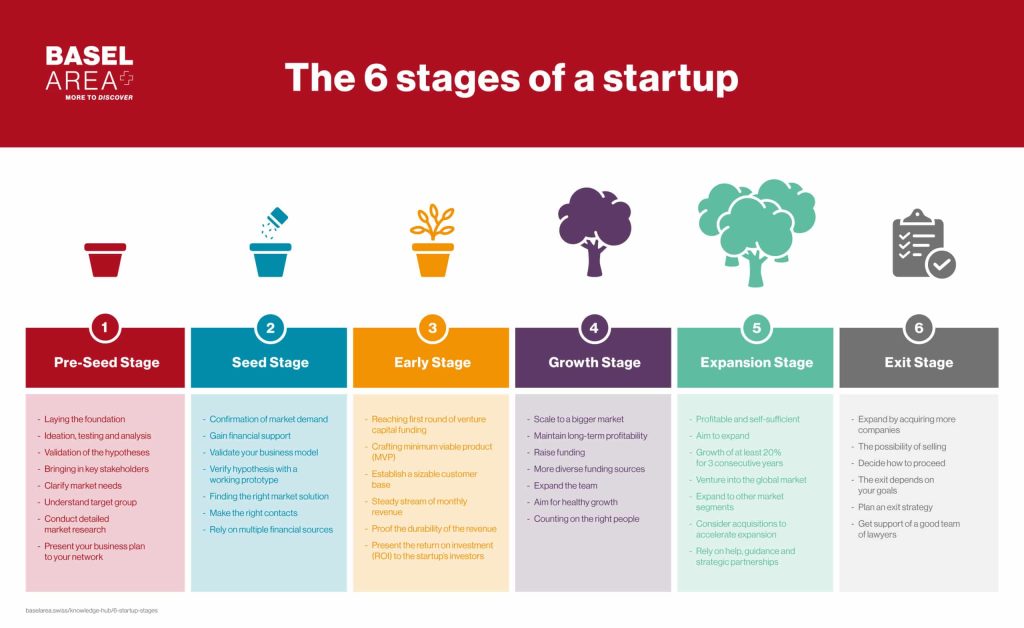
Startup funding is a critical journey that transforms innovative ideas into thriving businesses. This process involves multiple stages, each designed to support a startup’s growth and development. From the initial seed stage, where founders secure their first capital, to later rounds like Series A, B, and beyond, each phase serves a unique purpose. Investors play a pivotal role, providing not only financial resources but also mentorship and strategic guidance. Understanding these stages is essential for entrepreneurs navigating the complex landscape of startup financing. This article explores the key funding stages, their significance, and how they contribute to building successful, scalable companies.
What Are the Different Stages in Startup Funding?
Startup funding is a critical process that enables new businesses to grow and scale. It typically involves several stages, each with its own purpose, challenges, and opportunities. Understanding these stages can help entrepreneurs navigate the complex world of startup financing and make informed decisions about their business's future.
See Also Do Financial Marketers Like Michael Robinsons Strategic Tech Investor or Money Map Report Actually Live Up to Their Hype
1. Pre-Seed Funding
Pre-seed funding is the earliest stage of startup financing. At this stage, entrepreneurs often rely on personal savings, family, and friends to get their idea off the ground. The goal is to develop a minimum viable product (MVP) and validate the business concept. This stage is crucial for laying the foundation and attracting future investors.
| Key Aspects | Details |
|---|---|
| Purpose | Develop MVP and validate the idea |
| Sources | Personal savings, family, friends |
| Amount | Typically under $500,000 |
2. Seed Funding
Seed funding is the first official equity funding stage. Startups use this capital to conduct market research, build a team, and refine their product. Investors at this stage include angel investors and early-stage venture capital firms. The focus is on proving the business model and achieving early traction.
See Also Should I Quit Venture Capital to Join Real Estate Private Equity?
| Key Aspects | Details |
|---|---|
| Purpose | Refine product and achieve early traction |
| Sources | Angel investors, early-stage VCs |
| Amount | Typically $500,000 to $2 million |
3. Series A Funding
Series A funding is aimed at startups that have demonstrated potential and are ready to scale. At this stage, the focus shifts to optimizing the business model and expanding the customer base. Investors expect a clear plan for generating revenue and achieving long-term growth.
| Key Aspects | Details |
|---|---|
| Purpose | Scale operations and optimize the business model |
| Sources | Venture capital firms |
| Amount | Typically $2 million to $15 million |
4. Series B Funding
Series B funding is for startups that have achieved significant growth and are looking to expand further. The focus is on scaling operations, entering new markets, and improving infrastructure. Investors at this stage are usually more established venture capital firms.
See Also How Do You Go About Switching From Hedge Fund Investing Into Venture Capital
| Key Aspects | Details |
|---|---|
| Purpose | Expand market reach and scale operations |
| Sources | Established venture capital firms |
| Amount | Typically $15 million to $50 million |
5. Series C Funding and Beyond
Series C funding and later stages are for mature startups that are preparing for an IPO or acquisition. The focus is on global expansion, acquisitions, and further scaling. Investors at this stage include private equity firms, hedge funds, and large venture capital firms.
| Key Aspects | Details |
|---|---|
| Purpose | Global expansion, acquisitions, and IPO preparation |
| Sources | Private equity firms, hedge funds, large VCs |
| Amount | Typically $50 million and above |
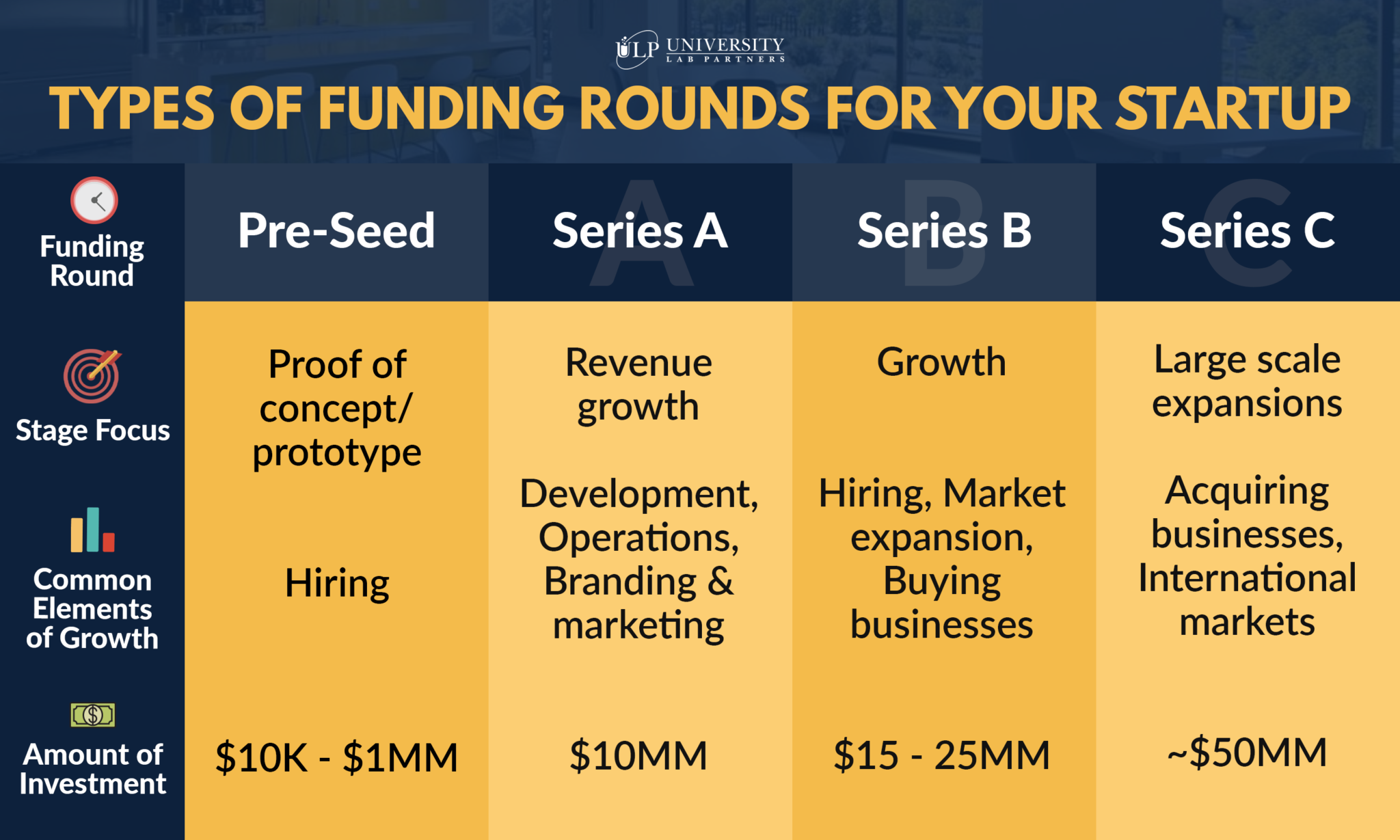
What are the rounds of funding for a startup?
What is Pre-Seed Funding?
Pre-seed funding is the earliest stage of startup financing, often used to validate an idea or develop a prototype. This round typically involves small amounts of capital from founders, friends, family, or angel investors. The focus is on proving the concept and building a minimum viable product (MVP).
- Purpose: To validate the business idea and create an MVP.
- Investors: Founders, friends, family, or angel investors.
- Amount: Usually ranges from $10,000 to $250,000.
What is Seed Funding?
Seed funding is the first official equity funding stage. It helps startups conduct market research, build a team, and develop the product further. Investors in this round include angel investors, early-stage venture capital firms, and accelerators.
- Purpose: To fund initial operations and product development.
- Investors: Angel investors, early-stage VCs, and accelerators.
- Amount: Typically between $500,000 and $2 million.
What is Series A Funding?
Series A funding is aimed at startups that have demonstrated market potential and are ready to scale. This round focuses on optimizing the product, expanding the team, and increasing market share. Venture capital firms are the primary investors.
- Purpose: To scale operations and grow the business.
- Investors: Venture capital firms.
- Amount: Usually between $2 million and $15 million.
What is Series B Funding?
Series B funding is for startups that have achieved significant growth and need capital to expand further. This round is often used to enter new markets, enhance technology, and scale operations. Investors include venture capital firms and private equity investors.
- Purpose: To expand market reach and improve infrastructure.
- Investors: Venture capital firms and private equity investors.
- Amount: Typically ranges from $10 million to $50 million.
What is Series C Funding and Beyond?
Series C funding and later rounds are for mature startups looking to scale globally, acquire other companies, or prepare for an IPO. Investors in these rounds include late-stage venture capital firms, hedge funds, and investment banks.
- Purpose: To scale globally, acquire competitors, or prepare for an IPO.
- Investors: Late-stage VCs, hedge funds, and investment banks.
- Amount: Can exceed $50 million, depending on the startup's needs.
What are the different rounds of funding?
Pre-Seed Funding
Pre-seed funding is the earliest stage of financing, typically used to validate a business idea or develop a prototype. This round often involves small amounts of capital from founders, friends, family, or angel investors. The focus is on proving the concept and laying the groundwork for future growth.
- Purpose: To validate the business idea and build a prototype.
- Investors: Founders, friends, family, or angel investors.
- Amount: Usually ranges from $10,000 to $250,000.
Seed Funding
Seed funding is the first official equity funding stage. It aims to support market research, product development, and initial business operations. Investors in this round often include angel investors, early-stage venture capital firms, and accelerators.
- Purpose: To fund market research, product development, and initial operations.
- Investors: Angel investors, early-stage VCs, and accelerators.
- Amount: Typically ranges from $500,000 to $2 million.
Series A Funding
Series A funding is the first significant round of venture capital financing. Companies at this stage have a developed product and some market traction. The funds are used to optimize the product, scale operations, and expand the team.
- Purpose: To optimize the product, scale operations, and expand the team.
- Investors: Venture capital firms and sometimes angel investors.
- Amount: Generally ranges from $2 million to $15 million.
Series B Funding
Series B funding is focused on scaling the business, expanding market reach, and increasing market share. Companies at this stage have proven their business model and are looking to grow rapidly. Investors typically include venture capital firms and private equity firms.
- Purpose: To scale the business, expand market reach, and increase market share.
- Investors: Venture capital firms and private equity firms.
- Amount: Usually ranges from $7 million to $30 million.
Series C Funding and Beyond
Series C funding and subsequent rounds are aimed at further scaling the company, entering new markets, or preparing for an IPO. Companies at this stage are often well-established and profitable. Investors include late-stage venture capital firms, private equity firms, and sometimes hedge funds.
- Purpose: To further scale the company, enter new markets, or prepare for an IPO.
- Investors: Late-stage VCs, private equity firms, and hedge funds.
- Amount: Can range from $30 million to hundreds of millions.
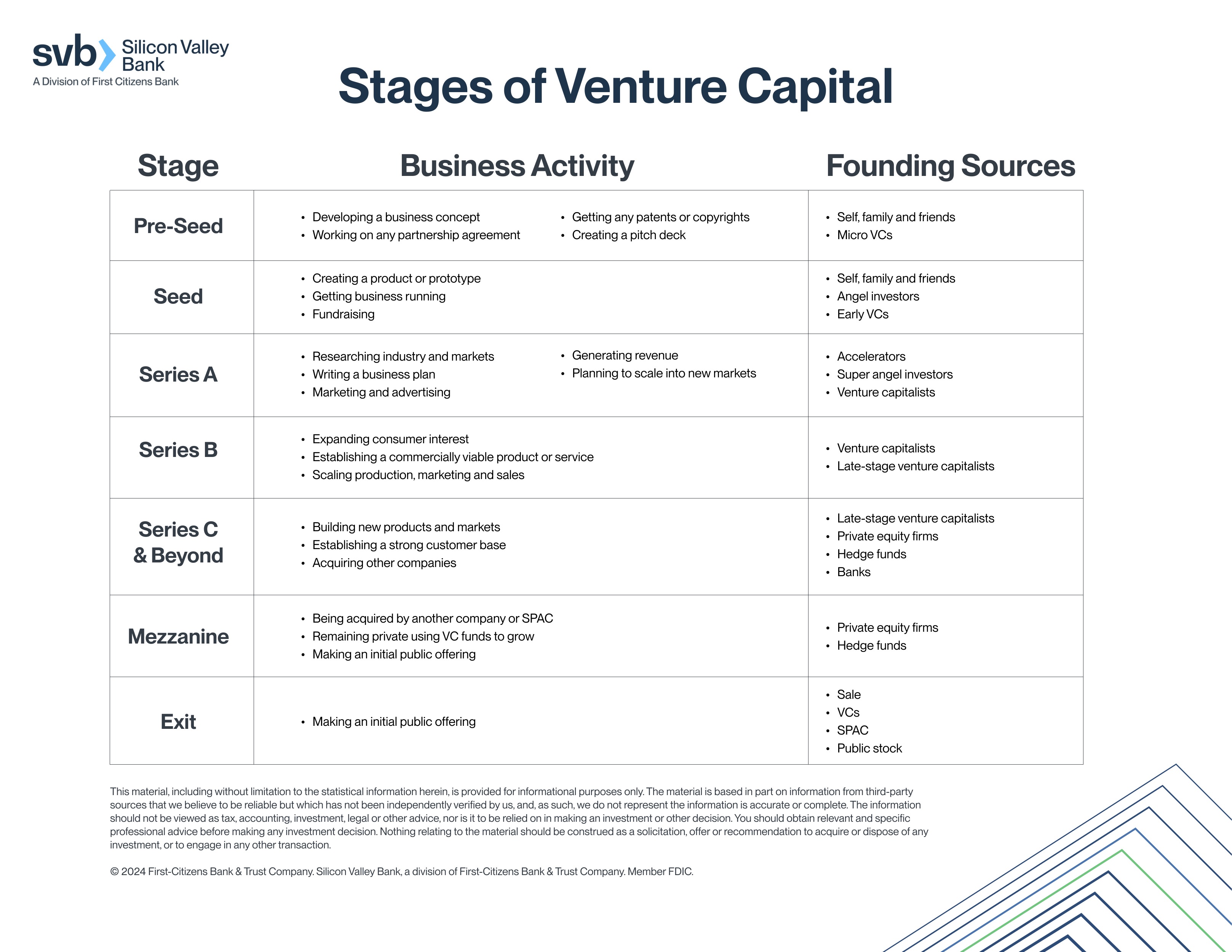
What are the stages of VC funding?
What is Pre-Seed Funding?
Pre-seed funding is the earliest stage of venture capital financing, typically used to validate a business idea and build a prototype. This stage often involves:
- Idea validation: Testing the feasibility of the concept.
- Prototype development: Creating a basic version of the product or service.
- Initial team formation: Assembling a small team to execute the vision.
What is Seed Funding?
Seed funding is the first official equity funding stage, aimed at supporting product development and market research. Key aspects include:
- Product development: Finalizing the product for market launch.
- Market research: Understanding the target audience and competition.
- Early traction: Gaining initial customers or users.
What is Series A Funding?
Series A funding focuses on scaling the business after demonstrating some market traction. This stage involves:
- Business model optimization: Refining the revenue model.
- Team expansion: Hiring key personnel for growth.
- Market expansion: Entering new markets or segments.
What is Series B Funding?
Series B funding is aimed at scaling the business further, often to meet increasing demand. Key activities include:
- Operational scaling: Expanding infrastructure and operations.
- Product diversification: Adding new features or products.
- Geographic expansion: Entering international markets.
What is Series C Funding and Beyond?
Series C funding and later stages are focused on preparing for an exit or further scaling. This stage includes:
- Acquisitions: Buying other companies to accelerate growth.
- IPO preparation: Getting ready for a public offering.
- Global dominance: Establishing a strong presence in multiple markets.
Frequently Asked Questions (FAQs)
What is the Pre-Seed Funding Stage?
The pre-seed funding stage is the earliest phase of startup financing, where founders typically use their personal savings or funds from friends and family to develop their business idea. At this stage, the focus is on validating the concept, conducting market research, and building a minimum viable product (MVP). Investors at this stage are often angel investors or incubators who provide small amounts of capital in exchange for equity. This stage is crucial for laying the foundation for future funding rounds.
What Happens During the Seed Funding Stage?
The seed funding stage is when a startup begins to attract more formal investment to scale its operations. Funds raised during this stage are typically used for product development, hiring key team members, and initial marketing efforts. Investors in this stage may include venture capital firms, angel investors, or crowdfunding platforms. The goal is to achieve significant milestones that demonstrate the startup's potential, making it more attractive for larger investments in subsequent rounds.
What is Series A Funding?
Series A funding is the first major round of venture capital financing. At this stage, startups have usually developed a proven business model and are generating consistent revenue. The funds raised are used to scale operations, expand into new markets, and refine the product or service. Investors in Series A rounds are typically venture capital firms that focus on high-growth companies. This stage is critical for startups aiming to establish themselves as leaders in their industry.
What Are Series B and Beyond Funding Rounds?
Series B and beyond funding rounds are for startups that have already achieved significant growth and are looking to expand further. Series B funding is often used to scale the business to meet increasing demand, while Series C and later rounds focus on global expansion, acquisitions, or preparing for an IPO. Investors in these rounds include private equity firms, hedge funds, and late-stage venture capitalists. These stages are about maximizing the startup's value and achieving long-term sustainability.
Leave a Reply
Our Recommended Articles