
LLC Operating Agreement: Montana

When forming a limited liability company (LLC) in Montana, drafting a comprehensive operating agreement is a critical step to establish clarity, structure, and legal protection for your business. While Montana state law does not legally require LLCs to adopt an operating agreement, creating one ensures that members define their roles, responsibilities, profit-sharing arrangements, and decision-making processes. This document serves as a customizable blueprint for managing internal operations, resolving disputes, and safeguarding members’ limited liability status. Tailoring the agreement to comply with Montana’s statutes and addressing state-specific considerations—such as dissolution procedures or tax requirements—can further strengthen the LLC’s foundation and long-term success.
- Understanding the Montana LLC Operating Agreement
- What are the pitfalls of an LLC operating agreement?
-
Does an LLC always have an operating agreement?
- Is an Operating Agreement Legally Required for an LLC?
- Why Should an LLC Have an Operating Agreement Even If Not Required?
- What Are the Benefits of Drafting an Operating Agreement?
- What Happens If an LLC Operates Without an Operating Agreement?
- What Key Provisions Should an Operating Agreement Include?
- Does an LLC operating agreement need to be notarized?
- Frequently Asked Questions About LLCs (FAQs)
Understanding the Montana LLC Operating Agreement
Key Components of a Montana LLC Operating Agreement
A Montana LLC Operating Agreement outlines the structure and rules governing a limited liability company. Key components include member roles, profit distribution, management structure, voting rights, and dissolution procedures. This document ensures clarity, minimizes disputes, and aligns operations with Montana state laws.
See Also How to Raise Venture Capital
| Component | Description |
|---|---|
| Member Roles | Defines ownership percentages and responsibilities |
| Profit Distribution | Specifies how profits/losses are allocated |
| Management Structure | Identifies if the LLC is member-managed or manager-managed |
| Voting Rights | Outlines decision-making processes |
| Dissolution | Details steps for closing the LLC |
Montana-Specific Requirements for LLC Operating Agreements
Montana law does not mandate an Operating Agreement, but drafting one is strongly advised. The state requires LLCs to follow Title 35, Chapter 8 of the Montana Code. Key state-specific provisions include adherence to registered agent requirements, annual report filings, and compliance with state tax obligations.
| Requirement | Montana Law Reference |
|---|---|
| Registered Agent | Must have a physical Montana address |
| Annual Reports | Due by April 15 yearly |
| State Taxes | Includes income tax and potential sales tax |
Tax Implications in a Montana LLC Operating Agreement
Montana LLCs benefit from pass-through taxation by default, but the Operating Agreement can specify alternative tax structures. Members must address state income tax (6.75%), federal self-employment tax, and potential sales tax obligations.
See AlsoBuying a Book of Business Insurance| Tax Type | Details |
|---|---|
| Pass-Through Taxation | Profits taxed on members' personal returns |
| State Income Tax | Flat rate applied to taxable income |
| Sales Tax | Montana has no general sales tax |
Amending a Montana LLC Operating Agreement
Amendments require member approval as outlined in the original agreement. Common reasons include adding/removing members, changing profit-sharing ratios, or updating management procedures. Montana law allows flexibility, provided amendments comply with state statutes.
| Amendment Step | Process |
|---|---|
| Proposal | Formal submission of changes |
| Voting | Approval per agreed-upon majority |
| Filing | Update internal records; no state filing required |
Legal Protections Offered by a Montana LLC Operating Agreement
A well-drafted agreement strengthens liability protection by separating personal and business assets. It enforces compliance with state laws, reduces litigation risks, and clarifies member obligations. Courts generally uphold these agreements if they are detailed and lawful.
See AlsoHow to Get a Loan From Usa to Start a Small Business?| Protection | Benefit |
|---|---|
| Asset Separation | Shields personal finances |
| Dispute Resolution | Defines processes for conflicts |
| Legal Compliance | Ensures adherence to Montana LLC laws |
What are the pitfalls of an LLC operating agreement?
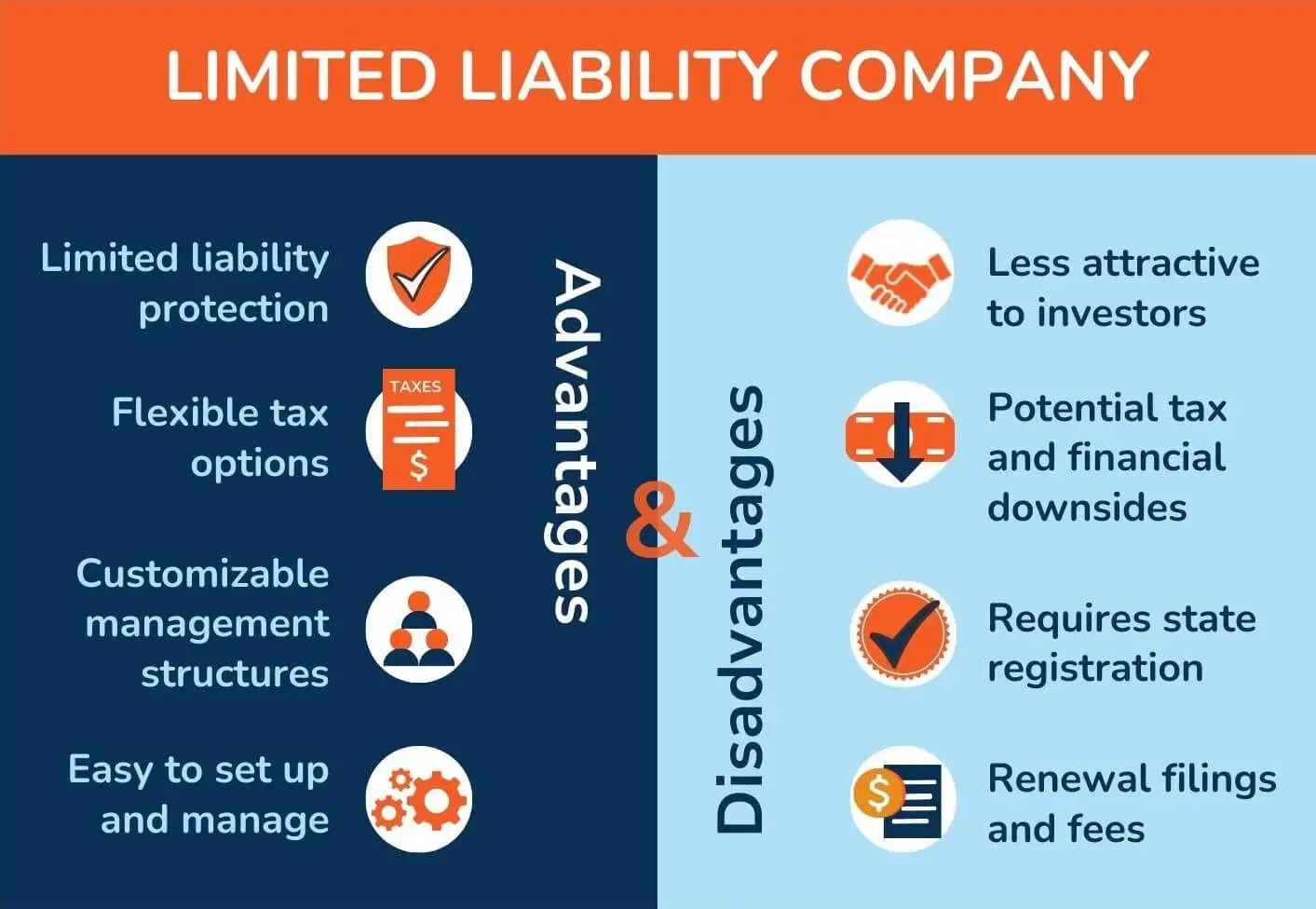
1. Ambiguity in Roles and Responsibilities
A common pitfall in LLC operating agreements is vague language defining members' roles and obligations. Without explicit clarity, disputes can arise over decision-making authority, management duties, or financial contributions. For example:
- Unclear managerial roles may lead to power struggles between members.
- Failure to outline voting rights can stall critical business decisions.
- Absence of duty descriptions might result in uneven workloads or accountability gaps.
2. Inadequate Financial and Profit Distribution Terms
Poorly defined financial provisions often cause conflict, especially regarding profit allocation and capital contributions. Ambiguities here can trigger legal battles or tax complications. Key issues include:
- Unequal profit splits not aligned with initial capital investments.
- Lack of guidelines for capital calls during financial shortfalls.
- Failure to address tax implications of distributions, risking IRS disputes.
3. Failure to Address Dispute Resolution Mechanisms
Many operating agreements neglect to include dispute resolution protocols, leaving members unprepared for conflicts. This omission can escalate disagreements into costly litigation. Critical oversights involve:
- No mediation or arbitration clauses to resolve issues out of court.
- Unclear procedures for buyout terms if a member wants to exit.
- Absence of deadlock-breaking mechanisms for tied votes.
4. Overlooking Member Exit or Succession Plans
Ignoring member withdrawal, death, or disability scenarios can destabilize the LLC. Without predefined exit strategies, transitions become chaotic. Common gaps include:
- No buy-sell agreements to regulate ownership transfers.
- Failure to outline valuation methods for a departing member’s stake.
- Lack of succession planning for leadership roles.
5. Noncompliance with State-Specific Regulations
LLC laws vary by state, and operating agreements that ignore local requirements risk invalidation. For example:
- Omitting state-mandated clauses, such as dissolution procedures.
- Using generic templates that bypass filing or reporting rules.
- Misaligning profit distributions with state tax structures.
Does an LLC always have an operating agreement?
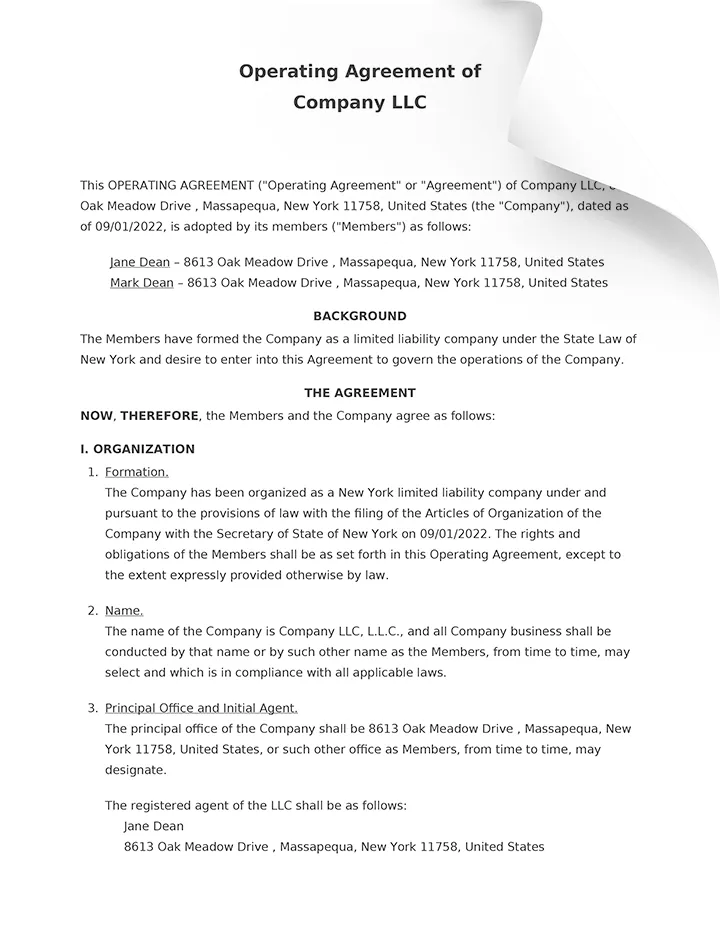
Is an Operating Agreement Legally Required for an LLC?
An operating agreement is not universally mandated by law for LLCs in all U.S. states. However, some states, such as California, New York, and Missouri, legally require LLCs to have one. Even in states where it isn’t mandatory, having an operating agreement is strongly recommended to avoid relying on default state rules, which may not align with the members’ intentions.
- State laws vary: Check your state’s specific LLC requirements.
- Mandatory states: Some states legally enforce operating agreements.
- Default rules: Without an agreement, state statutes govern LLC operations.
Why Should an LLC Have an Operating Agreement Even If Not Required?
An operating agreement provides clarity, prevents disputes, and ensures the LLC operates under customized rules rather than generic state guidelines. It establishes ownership percentages, profit-sharing arrangements, and management roles, which are critical for legal protection and operational efficiency.
- Member protection: Shields personal assets from business liabilities.
- Dispute resolution: Outlines procedures for handling disagreements.
- Credibility: Enhances professionalism when dealing with banks or investors.
What Are the Benefits of Drafting an Operating Agreement?
A well-drafted operating agreement offers flexibility, tax advantages, and structural clarity. It allows members to define voting rights, profit distribution, and procedures for adding or removing members, ensuring the LLC operates smoothly under all circumstances.
- Tax flexibility: Enables members to choose between pass-through taxation or corporate taxation.
- Management structure: Clarifies whether the LLC is member-managed or manager-managed.
- Continuity: Addresses scenarios like member death or withdrawal.
What Happens If an LLC Operates Without an Operating Agreement?
Without an operating agreement, the LLC defaults to state laws, which may impose unfavorable rules. For example, states might require equal profit distribution regardless of ownership percentages or complicate decision-making processes, leading to potential conflicts.
- State control: Default statutes override member preferences.
- Dispute risks: Unclear roles may lead to litigation.
- Financial vulnerabilities: Personal assets could be at risk without liability safeguards.
What Key Provisions Should an Operating Agreement Include?
A comprehensive operating agreement should cover membership details, management structure, financial arrangements, and dissolution procedures. Including buyout clauses, dispute resolution mechanisms, and amendment processes ensures adaptability and long-term stability.
- Membership interests: Ownership percentages and capital contributions.
- Profit allocation: Rules for distributing profits and losses.
- Dissolution terms: Steps for winding down the LLC.
Does an LLC operating agreement need to be notarized?
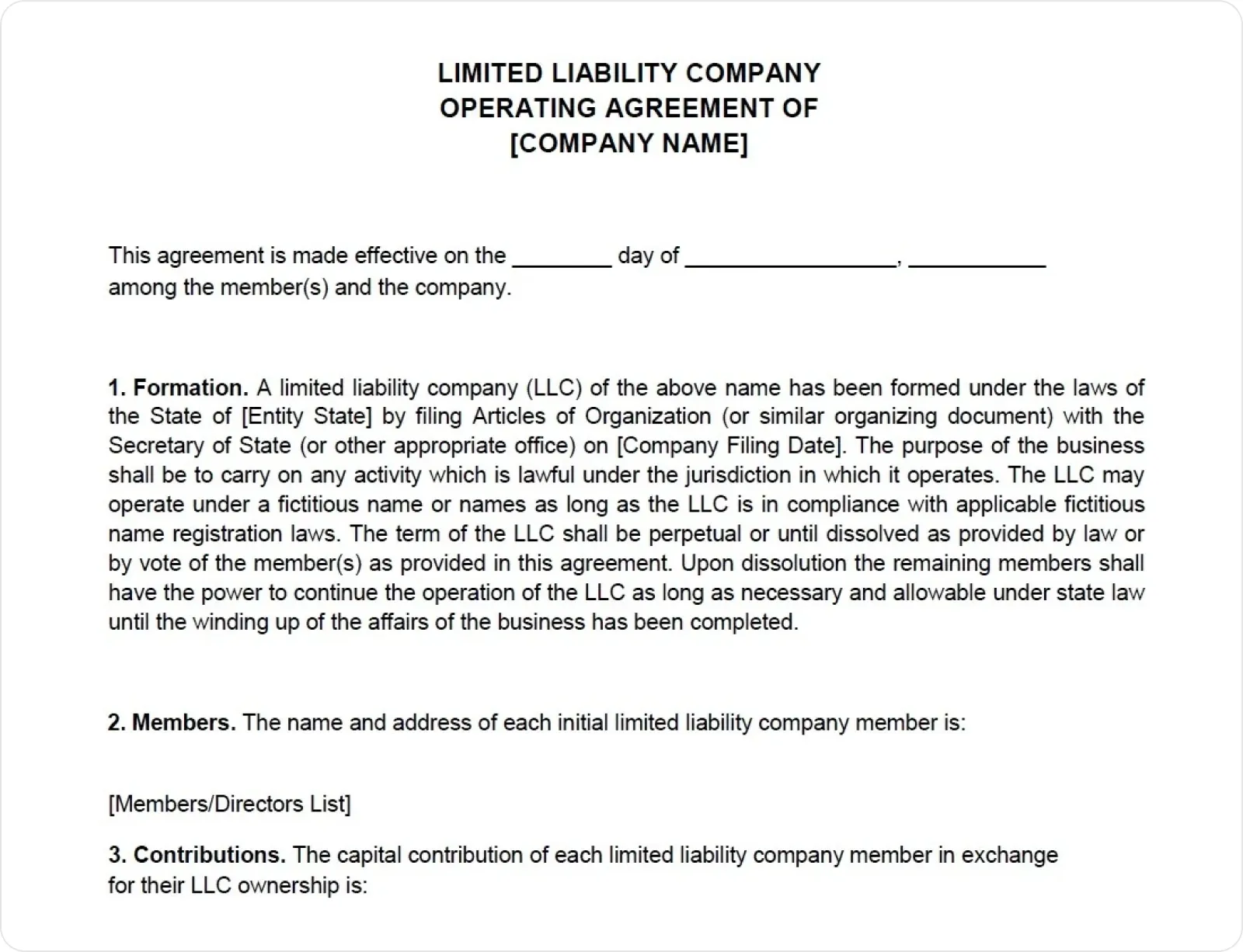
Is Notarization Legally Required for an LLC Operating Agreement?
No, an LLC operating agreement does not typically need to be notarized to be legally valid in most U.S. states. However, state laws govern LLCs, and requirements may vary slightly.
- Most states only require the agreement to be signed by all members.
- Notarization is optional unless explicitly mandated by state law.
- Even without notarization, the agreement remains enforceable if properly executed.
Why Consider Notarizing an LLC Operating Agreement?
While not legally required, notarization can add a layer of legal credibility and deter disputes.
- Provides third-party verification of member signatures, reducing fraud claims.
- Strengthens the document’s validity in court if challenged.
- May simplify processes like opening business bank accounts or securing loans.
State-Specific Rules for LLC Operating Agreements
A few states have unique requirements for LLC operating agreements, though none mandate notarization.
- In Louisiana, notarization is required for certain contracts but not specifically for LLC agreements.
- Florida recommends notarization for documents filed with the state, but internal agreements are exempt.
- Always confirm with your state’s Secretary of State office for local regulations.
Steps to Properly Execute an LLC Operating Agreement
Follow these steps to ensure your LLC operating agreement is legally enforceable:
- Draft the agreement with clear terms for management, profit-sharing, and dissolution.
- Have all members sign and date the document.
- Optionally, use a notary public to witness signatures.
- Store the agreement securely and provide copies to all members.
Alternatives to Notarization for Strengthening Validity
If notarization isn’t feasible, consider these alternatives:
- Include witness signatures to confirm authenticity.
- Use digital signatures compliant with state e-signature laws.
- File the agreement with your state’s business registry, if allowed.
Frequently Asked Questions About LLCs (FAQs)
What are the key legal requirements for an LLC Operating Agreement in Montana?
Montana law does not require LLCs to file their Operating Agreement with the state, but having one is critical for defining internal operations. The agreement must outline member roles, profit-sharing ratios, voting rights, and management structure. While Montana’s LLC Act (Title 35, Chapter 8) provides default rules, a well-drafted agreement overrides these defaults and ensures compliance with state-specific provisions, such as dissolution procedures and annual reporting obligations.
Is an Operating Agreement mandatory for Montana LLCs?
Although Montana does not legally require an Operating Agreement, it is highly advisable to create one. Without it, your LLC will default to the state’s generic regulations, which may not align with your business goals. An agreement helps prevent disputes by clarifying member responsibilities, capital contributions, and decision-making processes, while also strengthening your LLC’s limited liability protection in legal challenges.
How do I amend an LLC Operating Agreement in Montana?
Amending an Operating Agreement in Montana typically requires a vote or unanimous consent from members, as outlined in the original document. The process should be documented in writing, specifying the changes and effective date. Ensure amendments comply with Montana Revised Statutes § 35-8-204, which governs LLC operating rules. File any structural changes (e.g., management shifts) with the Montana Secretary of State if they impact public records.
Can a single-member LLC in Montana benefit from an Operating Agreement?
Yes, even single-member LLCs in Montana should have an Operating Agreement. It reinforces the separation between personal and business assets, which is crucial for maintaining limited liability protection. The agreement can also outline procedures for adding members, dissolving the LLC, or handling unforeseen events. Courts may view a single-member LLC without an agreement as a sole proprietorship, risking personal liability in lawsuits.
Leave a Reply
Our Recommended Articles