
How to Dissolve an LLC in Georgia

Dissolving a limited liability company (LLC) in Georgia involves a structured process to ensure legal compliance and avoid future liabilities. Whether due to shifting business priorities, financial challenges, or retirement, closing an LLC requires careful attention to state-specific regulations. Georgia law mandates steps such as obtaining member approval, settling outstanding debts, filing dissolution documents with the Secretary of State, and addressing tax obligations. Failure to properly terminate an LLC can result in continued fees, penalties, or legal complications. This guide outlines the essential actions, from initiating a formal vote to submitting final paperwork, to help business owners navigate Georgia’s dissolution requirements efficiently and protect their personal and professional interests.
Steps to Dissolve an LLC in Georgia
Understanding Voluntary Dissolution in Georgia
To dissolve an LLC in Georgia, members must agree to voluntarily dissolve the business. This process begins with reviewing the LLC’s operating agreement for dissolution clauses, which may outline voting requirements or procedural steps. If no agreement exists, Georgia state law (O.C.G.A. § 14-11-601) requires approval by a majority of members or as specified in the LLC’s formation documents. Dissolution becomes effective only after filing the proper paperwork with the state.
See AlsoNew Mexico Single Member LLC Filing Requirements| Key Term | Details |
| Voluntary Dissolution | Initiated by members, not court-ordered. |
| Operating Agreement | Guides dissolution steps if provisions exist. |
| State Law Compliance | Follow O.C.G.A. § 14-11-601 for defaults. |
Member Voting and Approval Requirements
Georgia requires LLC members to vote on dissolution according to the operating agreement. If the agreement is silent, majority approval suffices. Document the vote via meeting minutes or a written consent form signed by members. Retain records as proof of compliance.
| Requirement | Description |
| Voting Majority | Typically >50% of membership interests. |
| Documentation | Minutes or written consent required. |
| Legal Proof | Retain records for 3+ years. |
Filing Articles of Dissolution with the Georgia Secretary of State
Submit Articles of Dissolution (Form CD 030) to the Georgia Secretary of State. Include the LLC’s name, dissolution date, and member approval details. Pay a $10 filing fee online or by mail. Processing takes 7-10 business days. Expedited service is available for extra fees.
See AlsoHow to Dissolve an LLC in Missouri| Component | Details |
| Form Name | CD 030 (Articles of Dissolution) |
| Filing Fee | $10 (standard processing). |
| Processing Time | 7-10 business days. |
Settling Debts and Liquidating Assets
Before dissolution, Georgia requires LLCs to settle all debts and liquidate assets. Notify creditors in writing and pay outstanding obligations. Distribute remaining assets to members according to ownership percentages or the operating agreement. Failure to clear debts may result in personal liability for members.
| Step | Action |
| Debt Settlement | Pay creditors and resolve claims. |
| Asset Liquidation | Convert assets to cash for distribution. |
| Distribution | Follow operating agreement terms. |
Notifying Creditors and Handling Outstanding Obligations
Georgia law mandates written notice to all known creditors during dissolution. Publish a dissolution notice in a local newspaper if required by the operating agreement. Maintain records of communications to avoid future disputes. Address unresolved claims by setting aside funds or negotiating settlements.
See AlsoWyoming LLC Filing Fee| Notification Method | Requirement |
| Direct Notice | Mail/email to known creditors. |
| Public Notice | Newspaper publication (if applicable). |
| Dispute Resolution | Resolve claims before final dissolution. |
Should I dissolve my LLC or leave it as inactive?

Legal and Financial Obligations of Inactive vs. Dissolved LLCs
When deciding whether to dissolve your LLC or leave it inactive, consider ongoing legal and financial responsibilities. An inactive LLC may still require annual report filings, state fees, or taxes, depending on local laws. Dissolving the LLC terminates these obligations permanently.
- Ongoing costs: Inactive LLCs may incur annual fees or penalties if filings are missed.
- Compliance risks: Failure to maintain an inactive LLC could lead to administrative dissolution or fines.
- State-specific rules: Research your state’s requirements for inactive entities, as some mandate minimal activity to avoid dissolution.
Future Business Plans and Reactivation Potential
If you anticipate restarting the business, keeping the LLC inactive might be advantageous. Reactivating a dormant LLC is often simpler and cheaper than forming a new one. Dissolution, however, requires starting from scratch.
- Reactivation ease: Many states allow reinstatement of inactive LLCs with minimal paperwork.
- Brand preservation: Retaining the LLC name avoids losing it to competitors.
- Time and cost: Forming a new LLC later involves registration fees and processing delays.
Liability Protection and Asset Management
An inactive LLC may still provide limited liability protection for past activities, while dissolution ends this shield. Weigh the risks of retaining liability exposure versus closing the entity entirely.
- Past liabilities: Inactive LLCs might face lawsuits related to prior operations.
- Asset separation: Dissolving the LLC formally severs ties between business and personal assets.
- Debt obligations: Dissolution often requires settling outstanding debts, reducing future legal risks.
Tax Implications of Dissolution vs. Inactive Status
Tax obligations vary between inactive and dissolved LLCs. Inactive entities might still need to file federal or state returns, whereas dissolution terminates most tax responsibilities.
- State taxes: Some states impose franchise or minimum taxes on inactive LLCs.
- Federal filings: The IRS may require final tax returns upon dissolution.
- Penalties: Unpaid taxes for inactive LLCs can accumulate interest and penalties over time.
Administrative Burden and Long-Term Convenience
Maintaining an inactive LLC involves ongoing administrative tasks, while dissolution eliminates these duties. Consider your capacity to manage filings versus the desire for a clean exit.
- Recordkeeping: Inactive LLCs may still need to maintain records or hold annual meetings.
- Compliance tracking: Staying updated on changing state laws for inactive entities can be time-consuming.
- Peace of mind: Dissolution provides closure, reducing mental or logistical burdens.
What happens if you make an LLC and don't use it?
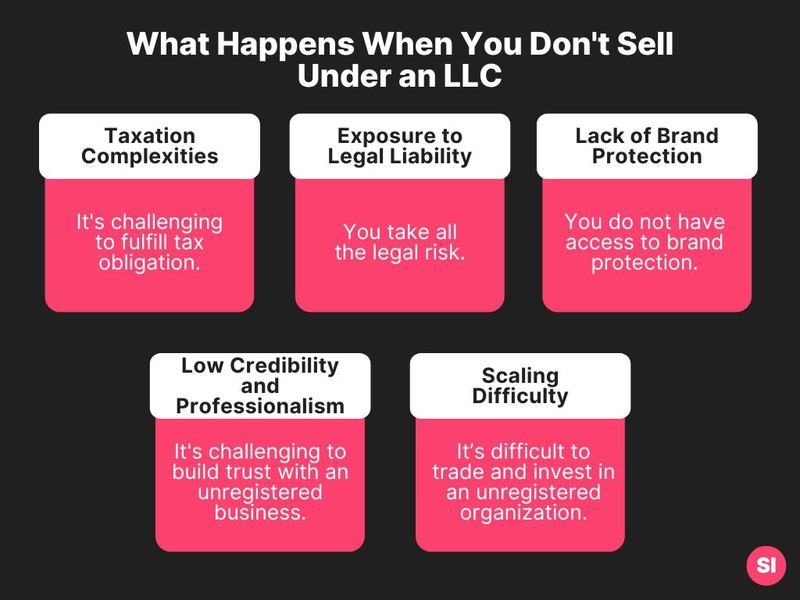
1. Continued Legal and Financial Obligations
Even if you don’t actively use your LLC, you’re still legally required to meet ongoing obligations. Most states mandate annual reports and fees to maintain good standing. Failure to comply can lead to penalties, fines, or administrative dissolution.
- Annual fees and franchise taxes may still apply, regardless of business activity.
- States may impose late fees or penalties for missed filings.
- Inactive LLCs must still maintain a registered agent.
2. Tax Implications for an Inactive LLC
An unused LLC may still trigger tax filing requirements. The IRS and state agencies often require returns even if the LLC generated no income. Depending on the tax classification, you may face unnecessary complexities.
- Federal taxes: File Form 1065 (partnerships) or Form 1120 (corporations) if the LLC is taxed as such.
- States like California charge a minimum annual tax for LLCs, even with no revenue.
- Inactivity doesn’t exempt the LLC from potential audits or penalties for unfiled returns.
3. Risk to Personal Liability Protection
One key benefit of an LLC—personal asset protection—can be jeopardized if the entity is inactive. Courts may pierce the corporate veil if the LLC isn’t maintained as a separate entity, exposing owners to liabilities.
- Commingling personal and LLC finances weakens legal separation.
- Failure to hold meetings or document decisions undermines the LLC’s legitimacy.
- Creditors may target personal assets if the LLC appears to be a sham.
4. Administrative Burdens and Costs
Maintaining an unused LLC involves ongoing administrative work and expenses. These costs add up over time, making it financially impractical to keep the entity dormant.
- Registered agent fees typically range from $50 to $300 annually.
- State-specific compliance requirements, like publishing notices in some jurisdictions.
- Time spent managing filings or resolving compliance issues.
5. Potential for Involuntary Dissolution
States may administratively dissolve an LLC that fails to meet requirements or remains inactive. This process can harm the owner’s ability to revive the business later and damage credibility.
- Dissolution strips the LLC of its legal status, voiding liability protection.
- Reinstating a dissolved LLC often involves back fees, penalties, and paperwork.
- A dissolved LLC cannot legally conduct business until reinstated.
Do I have to pay taxes if I dissolve my LLC?

Do You Owe Taxes When Dissolving an LLC?
Yes, you may still owe taxes when dissolving your LLC. Even after dissolution, the IRS and state agencies require settling any outstanding tax liabilities. These can include:
- Final income taxes on revenue earned up to the dissolution date.
- Unpaid payroll taxes if the LLC had employees.
- Sales taxes collected but not yet remitted to state authorities.
What Are Final Tax Returns for a Dissolved LLC?
Filing a final tax return is mandatory. This return covers the period from the start of the tax year to the LLC’s dissolution date. Key steps include:
- Marking the return as Final to inform the IRS/state of the closure.
- Reporting all income, deductions, and credits up to the dissolution date.
- Resolving any outstanding tax debts to avoid penalties.
How Does Asset Distribution Affect Taxes?
Distributing assets during dissolution can trigger tax consequences. For example:
- Selling assets may lead to capital gains taxes if their value increased.
- Transferring assets to members could be treated as a taxable event, depending on their basis.
- Members must report distributions exceeding their tax basis as income.
Are State Taxes Required After Dissolving an LLC?
State tax obligations vary but often include:
- Final franchise or annual taxes owed before dissolution.
- Fees for filing articles of dissolution or termination forms.
- Outstanding sales or use taxes owed to the state.
What Happens to Unpaid Debts and Liabilities?
Unsettled debts may impact taxes during dissolution:
- Canceled debts could be considered taxable income to the LLC or members.
- If the LLC cannot pay debts, members might face personal tax liabilities in certain cases.
- Creditors may claim assets, affecting the LLC’s final tax calculations.
Frequently Asked Questions About LLCs (FAQs)
What are the steps to dissolve an LLC in Georgia?
To dissolve an LLC in Georgia, you must follow a formal process outlined by the state. First, members or managers must approve the dissolution, typically through a vote as specified in the LLC’s operating agreement. Next, file Articles of Dissolution with the Georgia Secretary of State, either online or by mail, along with the required filing fee. Ensure all state taxes and annual reports are up to date, and settle outstanding debts or liabilities. Finally, notify creditors, distribute remaining assets to members, and maintain records for at least three years post-dissolution.
Is a tax clearance certificate required to dissolve an LLC in Georgia?
Yes, Georgia requires LLCs to obtain a Tax Clearance Certificate from the Georgia Department of Revenue (DOR) before dissolving. This certifies that the LLC has no outstanding tax obligations. To request it, submit Form CD-14 or apply online through the DOR’s e-Services portal. Failure to obtain this clearance may delay dissolution or result in penalties. Note that even after dissolution, the LLC must file final tax returns for both state and federal purposes.
What happens if an LLC in Georgia doesn’t formally dissolve?
If an LLC in Georgia does not file Articles of Dissolution, it remains legally active and must continue filing annual reports and paying fees. The state may administratively dissolve the LLC for noncompliance, which can harm the owners’ personal liability protection and credit. Additionally, unpaid taxes or fees may accrue penalties, and members could face legal action from creditors. Proper dissolution ensures legal and financial closure.
Can a dissolved LLC in Georgia be reinstated?
Yes, a dissolved LLC in Georgia can be reinstated under certain conditions. If the LLC was administratively dissolved by the state, you must file an Application for Reinstatement with the Secretary of State, resolve all compliance issues (e.g., unpaid fees or overdue annual reports), and pay reinstatement fees. If the LLC voluntarily dissolved but wishes to resume operations, you may need to refile formation documents or seek legal guidance, depending on the circumstances.
Leave a Reply
Our Recommended Articles