
How to Dissolve an LLC in New Mexico

Dissolving a limited liability company (LLC) in New Mexico involves a structured legal process to ensure compliance with state regulations and avoid potential liabilities. Whether due to shifting business goals, financial challenges, or member disagreements, properly winding down an LLC requires attention to detail. Key steps include obtaining member approval, settling outstanding debts, filing formal dissolution documents with the New Mexico Secretary of State, and addressing tax obligations with the Taxation and Revenue Department. Failing to complete these steps correctly may result in penalties or continued legal responsibilities. This guide outlines the essential procedures to dissolve an LLC in New Mexico efficiently and lawfully.
How to Dissolve an LLC in New Mexico: A Step-by-Step Guide
Understanding the Reasons for Dissolving an LLC
Dissolving an LLC in New Mexico may occur due to voluntary dissolution (member agreement) or involuntary dissolution (state action for non-compliance). Common reasons include business closure, financial challenges, or member disputes. Before proceeding, ensure all members consent to the dissolution, review the LLC’s operating agreement for specific termination clauses, and confirm there are no pending legal or tax obligations. This step prevents future liabilities and ensures compliance with state laws.
See AlsoHow to Dissolve an LLC in New Jersey| Voluntary Dissolution | Initiated by members via formal vote or agreement. |
| Involuntary Dissolution | Forced by the state due to non-filing of reports or unpaid fees. |
| Operating Agreement | Guides dissolution procedures and member obligations. |
Filing Articles of Dissolution with the New Mexico Secretary of State
To legally dissolve an LLC, file Articles of Dissolution with the New Mexico Secretary of State. This document formally terminates the LLC’s existence. Include the LLC’s name, date of dissolution, and a statement confirming member approval. Submit it online, by mail, or in person with the $25 filing fee. Retain a copy for your records and ensure compliance with state requirements to avoid delays.
| Articles of Dissolution | Mandatory form to terminate the LLC legally. |
| Filing Fee | $25, payable to the New Mexico Secretary of State. |
| Processing Time | Typically 5-7 business days for online submissions. |
Settling Debts and Tax Obligations
Before dissolution, resolve all outstanding debts and tax liabilities. Notify creditors, settle invoices, and file final state and federal tax returns. In New Mexico, obtain a Tax Clearance Certificate from the Taxation and Revenue Department to confirm all taxes are paid. Failure to clear obligations may result in personal liability for members or legal disputes post-dissolution.
See AlsoHow to Dissolve an LLC in New York| Tax Clearance Certificate | Proof that all state taxes are settled. |
| Final Tax Returns | File federal (IRS Form 1065) and state tax forms. |
| Creditor Notifications | Legally required to inform creditors of dissolution. |
Notifying Stakeholders and Distributing Assets
Inform employees, clients, and vendors about the LLC’s dissolution. Follow the operating agreement’s guidelines for asset distribution, which may include dividing remaining funds or property among members. Document all transactions to prevent disputes. If the LLC has remaining assets after debts, distribute them according to member ownership percentages or prior agreements.
| Asset Distribution | Allocate remaining assets per operating agreement terms. |
| Stakeholder Communication | Formally notify all parties tied to the LLC. |
| Documentation | Keep records of notifications and distributions. |
Canceling Licenses and Closing Accounts
Cancel all business licenses, permits, and registrations tied to the LLC. Close bank accounts, cancel insurance policies, and terminate leases or contracts. Notify the IRS by filing Form 966 if applicable. This ensures no future fees or penalties accrue and protects members from residual liabilities.
See AlsoHow to Dissolve an LLC in Colorado| Business Licenses | Cancel local, state, and federal permits. |
| IRS Form 966 | File within 30 days of dissolution if required. |
| Bank Accounts | Close accounts to prevent unauthorized use. |
How much does it cost to dissolve an LLC in New Mexico?

Filing Fees for Dissolving an LLC in New Mexico
The primary cost to dissolve an LLC in New Mexico is the state filing fee for submitting the Articles of Dissolution. As of 2023, the fee is $25 for domestic LLCs. Additional costs may arise if you use a registered agent service or require expedited processing.
See AlsoNew Mexico Single Member LLC Filing Requirements- State filing fee: $25 for submitting Articles of Dissolution.
- Registered agent fees: Optional, but may cost $50–$300 annually if used during dissolution.
- Expedited processing: $25–$100 for faster approval, depending on urgency.
Tax Obligations When Dissolving an LLC in New Mexico
Before dissolving, LLCs must settle outstanding tax liabilities, including gross receipts tax and corporate income tax (if applicable). Failure to do so may result in penalties.
- Gross receipts tax: File final returns and pay owed amounts.
- Corporate income tax: Required if the LLC elected corporate taxation.
- Penalties: Late fees or interest for unresolved taxes.
Professional Service Costs for LLC Dissolution
Hiring attorneys or business dissolution services can add to expenses. These professionals handle paperwork, tax compliance, and legal requirements.
- Legal fees: $500–$1,500+ for attorney assistance.
- Dissolution service fees: $200–$500 for filing and compliance support.
- Registered agent termination: Fees may apply if canceling a third-party agent.
Steps to Dissolve an LLC in New Mexico
The dissolution process involves multiple steps, each potentially incurring costs.
- Member approval: Vote to dissolve per the LLC operating agreement.
- Tax clearance: Obtain confirmation from the NM Taxation & Revenue Department.
- File Articles of Dissolution: Submit form with the $25 fee.
Unplanned expenses may arise, such as outstanding debts, contract termination fees, or notification costs to creditors.
- Debt settlement: Pay off remaining business loans or liabilities.
- Contract penalties: Fees for ending leases or agreements early.
- Creditor notifications: Costs for certified mail or legal notices.
How to terminate LLC in New Mexico?

Steps to Dissolve an LLC in New Mexico
To terminate an LLC in New Mexico, follow the state’s legal dissolution process. First, members must vote to dissolve the LLC as outlined in the operating agreement. Next, file Articles of Dissolution with the New Mexico Secretary of State, either online or by mail. Ensure all fees and taxes are paid, and submit a Certificate of Good Standing if required. Finally, notify creditors, settle debts, and distribute remaining assets.
- Vote for dissolution per the LLC operating agreement.
- File Articles of Dissolution (Form LLC-4) with the Secretary of State.
- Pay outstanding taxes and fees, including a $25 filing fee.
- Provide written notice to creditors and resolve liabilities.
- Distribute remaining assets to members.
Tax Obligations When Closing an LLC in New Mexico
Before terminating an LLC, settle all state and federal tax obligations. File final tax returns with the New Mexico Taxation and Revenue Department, including gross receipts tax and payroll taxes. Cancel the LLC’s EIN with the IRS and close any tax accounts.
- Submit final Gross Receipts Tax return (CRS-1).
- File federal Form 966 for corporate dissolution (if applicable).
- Cancel EIN via IRS notice or final tax return.
- Close unemployment insurance accounts with the New Mexico Workforce Solutions.
Notifying Creditors and Settling Debts
Legally, LLCs must inform creditors of dissolution and settle outstanding debts. Publish a notice of dissolution in a local newspaper and send written notices to known creditors. Use remaining assets to pay liabilities before distributing funds to members.
- Draft a written notice to all known creditors.
- Publish a dissolution notice in a newspaper near the LLC’s principal office.
- Liquidate assets to pay debts if necessary.
- Follow the debt repayment hierarchy outlined in the operating agreement.
Canceling Business Licenses and Permits
Terminate all licenses, permits, and registrations tied to the LLC. Contact local and state agencies to cancel business licenses, health permits, or industry-specific certifications. Failure to do so may result in ongoing fees or penalties.
- Cancel local business licenses with municipal offices.
- Notify the New Mexico Taxation Department to close tax accounts.
- Terminate industry-specific permits (e.g., liquor licenses).
- Close fictitious business names (DBAs) if registered.
Filing the Final Annual Report
New Mexico requires LLCs to file an Annual Report each year. Before dissolving, submit a final report to confirm compliance. The report can be filed online via the Secretary of State’s portal, along with any outstanding fees.
- Check for pending Annual Report filings.
- Submit the final report with the $25 fee.
- Confirm compliance with state requirements to avoid penalties.
- Retain a copy of the Certificate of Dissolution for records.
Should I dissolve my LLC or leave it as inactive?

Financial Implications of Dissolving vs. Inactivating an LLC
Deciding whether to dissolve or leave your LLC inactive depends on ongoing costs. An inactive LLC may still require annual fees, taxes, or compliance filings, depending on your state. Dissolving the LLC eliminates future fees but may involve upfront costs like dissolution fees or final tax payments.
- Annual fees: Inactive LLCs often owe state registration fees, even with no activity.
- Dissolution costs: Filing dissolution paperwork may incur state fees or legal expenses.
- Tax obligations: Both active and inactive LLCs may need to file annual tax returns, depending on state rules.
Legal Liability and Compliance Risks
An inactive LLC may still expose you to legal liabilities if not properly maintained. Failure to file annual reports or pay fees could result in penalties, while dissolving the LLC formally ends legal responsibilities.
- Ongoing compliance: States may penalize inactive LLCs for missed filings or fees.
- Liability protection: Dissolving the LLC terminates its legal existence, reducing liability risks.
- Debt obligations: Creditors may pursue inactive LLCs for unresolved debts, even if operations have ceased.
Administrative Burden of Maintaining an Inactive LLC
Keeping an LLC inactive requires administrative upkeep, such as filing annual reports or updating registered agent details. Dissolving the LLC removes these obligations entirely.
- Annual reports: Most states mandate yearly filings, even for inactive businesses.
- Registered agent fees: Inactive LLCs must maintain a registered agent, incurring annual costs.
- Recordkeeping: Legal and financial records must still be retained for inactive entities.
Tax Considerations for Inactive vs. Dissolved LLCs
Tax obligations vary based on your LLC’s status. An inactive LLC may still need to file federal and state returns, while dissolution triggers final tax filings.
- Federal taxes: Inactive LLCs with no income may still need to file Form 1065 or Schedule C.
- State taxes: Some states impose minimum franchise taxes, regardless of activity.
- Final tax returns: Dissolution requires submitting final federal and state tax returns.
Future Business Plans and Reactivation Potential
If you plan to restart the business, keeping the LLC inactive might simplify reactivation. Dissolving the LLC requires re-registering the entity, which can be time-consuming.
- Reactivation costs: Resuming an inactive LLC may involve paying back fees or penalties.
- Brand preservation: An inactive LLC retains your business name, preventing others from claiming it.
- Time savings: Reactivating is often faster than forming a new LLC from scratch.
What happens if you make an LLC and don't use it?
Ongoing Compliance and Maintenance Requirements
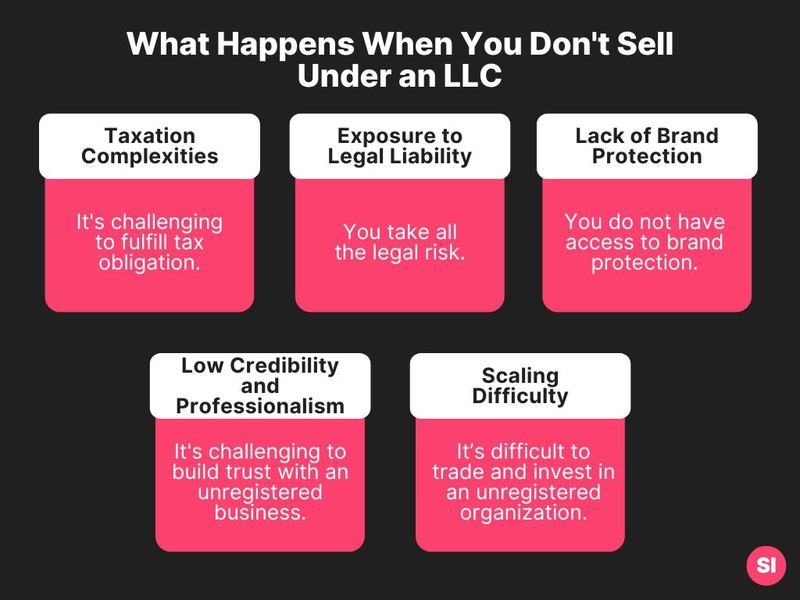
Even if an LLC remains inactive, owners must still fulfill annual compliance obligations. Most states require LLCs to file annual reports, pay franchise taxes, or maintain a registered agent. Failure to meet these requirements can result in penalties or loss of good standing.
- Annual report filings may still be mandatory, even with no business activity.
- Registered agent fees must be paid annually to keep the LLC legally recognized.
- State-specific fees or taxes may apply regardless of revenue generation.
Tax Obligations Regardless of Business Activity
An inactive LLC may still incur tax filing requirements. Depending on the state and federal regulations, owners might need to file returns even if the LLC generated no income.
- Federal tax filings: The IRS may require a Form 1065 or Schedule C if the LLC is taxed as a partnership or sole proprietorship.
- State taxes: Some states impose minimum franchise taxes or annual fees on LLCs.
- Penalties for non-compliance: Late filings can lead to fines or audits.
Risk of Administrative Dissolution
States may dissolve an LLC administratively if compliance obligations are ignored. This can damage the business’s legal standing and reputation.
- Loss of liability protection: Dissolution removes the legal separation between personal and business assets.
- Reinstatement fees: Reviving a dissolved LLC often involves costly paperwork and penalties.
- Name forfeiture: Another entity might claim the LLC’s name during dissolution.
Potential Legal and Financial Liabilities
An unused LLC could still expose owners to unexpected liabilities, especially if proper dissolution procedures are not followed.
- Debt obligations: Unresolved contracts or leases might still bind the LLC legally.
- Legal disputes: Third parties could sue the LLC for perceived obligations, even if inactive.
- Personal liability risks: Courts may pierce the corporate veil if the LLC is deemed a sham.
Impact on Future Business Opportunities
An inactive LLC might complicate future entrepreneurial efforts due to lingering legal or financial entanglements.
- Credit implications: Unresolved fees or taxes could harm the owner’s credit score.
- Difficulty securing loans: Lenders may question the owner’s track record with inactive entities.
- Reputational risks: A dormant LLC might raise red flags for potential partners or investors.
Frequently Asked Questions About LLCs (FAQs)
What are the steps to dissolve an LLC in New Mexico?
To dissolve an LLC in New Mexico, you must follow a formal process. First, review your LLC’s operating agreement for dissolution guidelines, such as member voting requirements. Next, file Articles of Dissolution with the New Mexico Secretary of State, either online, by mail, or in person. Ensure all state taxes and fees are paid, including submitting a final tax return to the New Mexico Taxation and Revenue Department. Notify creditors, settle debts, and distribute remaining assets to members as outlined in your operating agreement. Keep records of dissolution for at least three years.
Are there fees or taxes to pay when dissolving an LLC in New Mexico?
Yes, dissolving an LLC in New Mexico involves specific fees and tax obligations. The filing fee for Articles of Dissolution is $25. You must also pay any outstanding taxes, including gross receipts tax, payroll taxes, and franchise taxes (if applicable). File a final tax return with the New Mexico Taxation and Revenue Department and request a Tax Clearance Certificate to confirm no liabilities remain. Failure to settle taxes may result in penalties or legal issues.
How long does it take to dissolve an LLC in New Mexico?
The timeline to dissolve an LLC in New Mexico depends on several factors. Filing Articles of Dissolution typically takes 1-2 business days if submitted online, or up to 2-3 weeks by mail. However, delays may occur if the state requires additional documentation or if unresolved debts or taxes exist. Completing internal steps, such as settling debts and distributing assets, may extend the process. Plan for at least 4-6 weeks to ensure all requirements are met.
Can I dissolve a New Mexico LLC if it has outstanding debts?
Yes, but you must address outstanding debts during the dissolution process. Notify creditors in writing, settle valid claims, and set aside funds for unresolved debts. If debts exceed assets, follow New Mexico’s laws for insolvent LLCs. Failure to properly handle debts may expose members to personal liability or legal action. Consult an attorney if complex debt issues arise. Once obligations are resolved, file dissolution documents to formally terminate the LLC’s existence.
Leave a Reply
Our Recommended Articles