
Tennessee LLC Operating Agreement

A Tennessee LLC Operating Agreement is a foundational document that outlines the structure, management, and operational guidelines for a limited liability company (LLC) within the state. While Tennessee law does not legally require LLCs to adopt an operating agreement, creating one is a critical step in establishing clear expectations among members and protecting the business’s legal integrity. This agreement defines roles, profit-sharing arrangements, decision-making processes, and procedures for resolving disputes or adding/removing members. It also reinforces the separation between personal and business assets, safeguarding limited liability protections. Tailored to meet the unique needs of the LLC, a well-drafted operating agreement ensures compliance with state regulations while providing a roadmap for long-term stability and success.
- Understanding the Tennessee LLC Operating Agreement: Key Components and Legal Requirements
- Does TN require an operating agreement for LLC?
-
Can I write my own operating agreement for my LLC?
- Can I Legally Draft My Own Operating Agreement for an LLC?
- What Are the Benefits of Writing Your Own Operating Agreement?
- What Key Elements Must an Operating Agreement Include?
- What Risks Are Involved in Self-Drafting an Operating Agreement?
- When Should You Consult a Lawyer Instead of Self-Drafting?
- How to Ensure Your Self-Drafted Operating Agreement Is Effective?
- Does an LLC always have an operating agreement?
- Does an LLC operating agreement need to be notarized?
- Frequently Asked Questions About LLCs (FAQs)
Understanding the Tennessee LLC Operating Agreement: Key Components and Legal Requirements
What is a Tennessee LLC Operating Agreement?
A Tennessee LLC Operating Agreement is a legally binding document that outlines the ownership structure, management practices, and operational rules for a limited liability company (LLC) in Tennessee. While the state does not legally require LLCs to have an operating agreement, creating one ensures clarity among members, protects liability status, and establishes procedures for resolving disputes. It typically includes provisions for profit distribution, voting rights, and protocols for adding or removing members.
See AlsoHow to Start a Business in Dubai| Key Element | Description |
| Member Information | Names, ownership percentages, and roles of all members. |
| Management Structure | Specifies member-managed or manager-managed operations. |
| Capital Contributions | Details initial investments and future funding obligations. |
| Profit Distribution | Outlines how profits/losses are allocated among members. |
| Dissolution Terms | Procedures for winding down the LLC. |
Why Customize Your Tennessee LLC Operating Agreement?
A generic operating agreement may not address the unique needs of your LLC. Customizing the document allows you to tailor rules for decision-making, dispute resolution, and financial management. For example, multi-member LLCs often include buyout clauses to handle member departures, while single-member LLCs may focus on asset protection.
| Customization Area | Purpose |
| Voting Thresholds | Defines majority requirements for major decisions. |
| Transfer Restrictions | Limits selling or transferring membership interests. |
| Non-Compete Clauses | Prevents members from competing with the LLC. |
| Dispute Resolution | Specifies mediation or arbitration processes. |
Roles of Members and Managers in a Tennessee LLC
In a member-managed LLC, all owners participate in daily operations, whereas a manager-managed LLC delegates authority to appointed managers. The operating agreement must clearly define these roles to avoid conflicts. Members typically hold voting rights proportional to their ownership stakes, while managers handle operational execution.
See AlsoTennessee LLC Filing Fee| Role | Responsibilities |
| Members | Approve major decisions, contribute capital, and share profits. |
| Managers | Oversee daily operations, sign contracts, and manage staff. |
| Registered Agent | Receives legal documents on behalf of the LLC. |
Amending a Tennessee LLC Operating Agreement
To amend the agreement, members must follow the procedures outlined in the original document. Most LLCs require a majority or supermajority vote to approve changes. Amendments should be documented in writing and kept with the company’s records. Common reasons for amendments include adding members or adjusting profit-sharing ratios.
| Amendment Step | Details |
| Proposal | A member submits the proposed change in writing. |
| Vote | Members vote according to the agreement's rules. |
| Documentation | Revised agreement is signed and archived. |
| State Filing | Not required unless altering the Articles of Organization. |
Consequences of Not Having a Tennessee LLC Operating Agreement
Without an operating agreement, your LLC defaults to Tennessee’s default LLC laws, which may not align with your business goals. This could lead to disputes over profit splits, management authority, or dissolution processes. Additionally, courts may disregard the LLC’s liability protection if operations appear unstructured.
See AlsoCost of an LLC in Ohio| Risk | Implication |
| State Default Rules | Profits split equally, regardless of capital contributions. |
| Dispute Vulnerability | No clear process for resolving member conflicts. |
| Liability Exposure | Personal assets at risk if LLC structure is challenged. |
Does TN require an operating agreement for LLC?
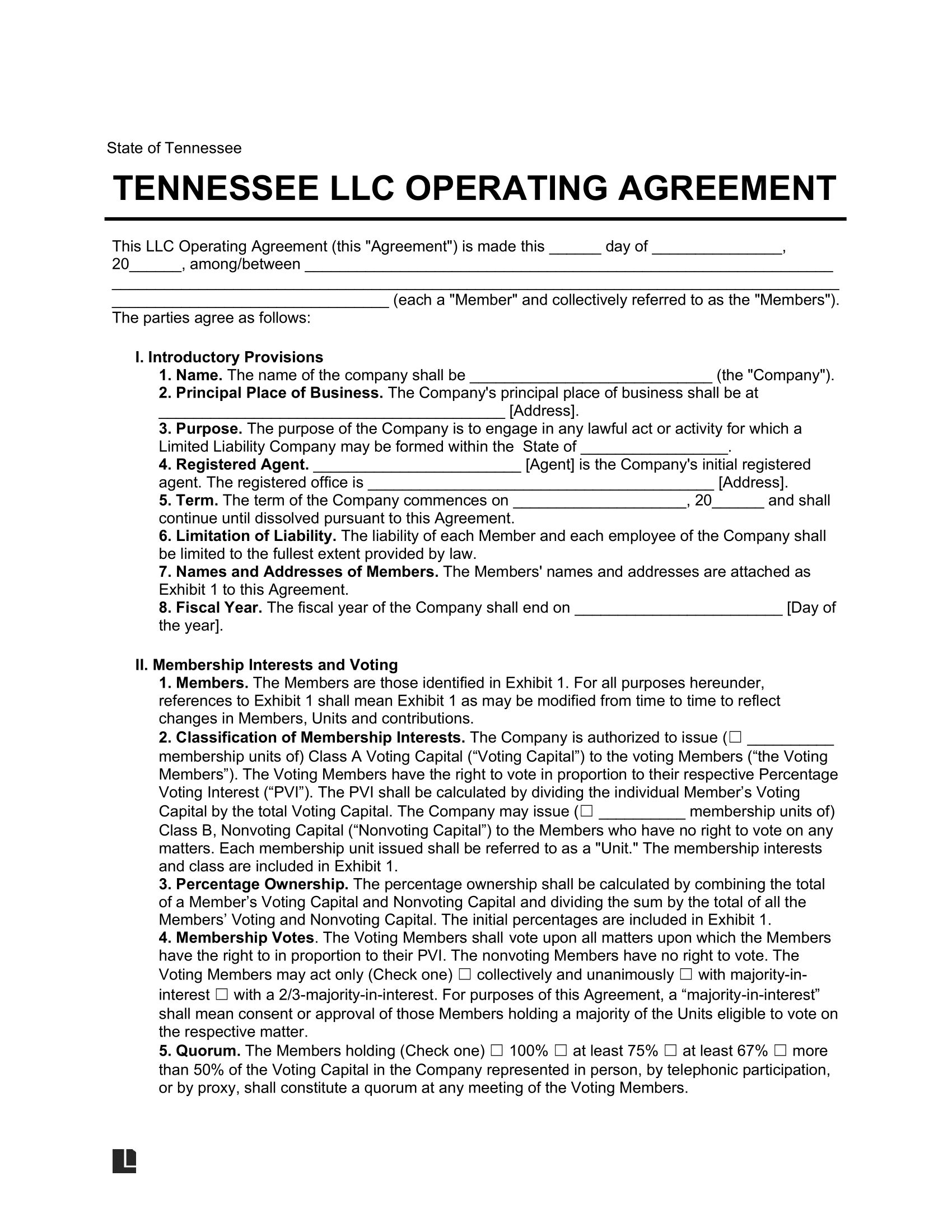
Is an Operating Agreement Legally Required for Tennessee LLCs?
Tennessee does not legally require LLCs to have an operating agreement. However, while the state does not mandate it, creating one is highly recommended to establish clear guidelines for business operations, member roles, and dispute resolution.
- No statutory requirement: Tennessee law (Title 48, Chapter 249) does not enforce operating agreements for LLC formation.
- Flexibility: Members can customize agreements to suit their business needs.
- Legal protection: An operating agreement helps shield personal assets by reinforcing the LLC’s legitimacy.
Benefits of Creating an Operating Agreement for a Tennessee LLC
Even though Tennessee does not require an operating agreement, drafting one provides critical advantages for governance, liability protection, and member relations.
- Defines ownership structure: Clarifies member ownership percentages and profit-sharing.
- Dispute resolution: Outlines processes for handling conflicts between members.
- Credibility with banks: Financial institutions often request operating agreements to open business accounts.
Key Components of a Tennessee LLC Operating Agreement
A well-drafted operating agreement for a Tennessee LLC should include essential provisions to ensure smooth operations and legal clarity.
- Management structure: Specifies whether the LLC is member-managed or manager-managed.
- Voting rights: Details how decisions are made and member voting power.
- Dissolution terms: Explains procedures for winding down the LLC if needed.
Risks of Not Having an Operating Agreement in Tennessee
Operating without an agreement exposes Tennessee LLCs to potential legal and financial risks, even though it is not mandatory.
- State default rules apply: Tennessee’s default LLC laws govern operations, which may not align with member intentions.
- Member disputes: Lack of clear guidelines can lead to unresolved conflicts.
- Asset vulnerability: Courts may disregard the LLC’s liability protection without documented structure.
Steps to Create an Operating Agreement for a Tennessee LLC
Drafting an operating agreement involves careful planning and alignment with Tennessee’s LLC regulations.
- Consult legal counsel: Ensure compliance with state laws and address unique business needs.
- Define member roles: Outline responsibilities, contributions, and decision-making authority.
- Sign and store securely: All members should sign the agreement, and copies should be retained for records.
Can I write my own operating agreement for my LLC?
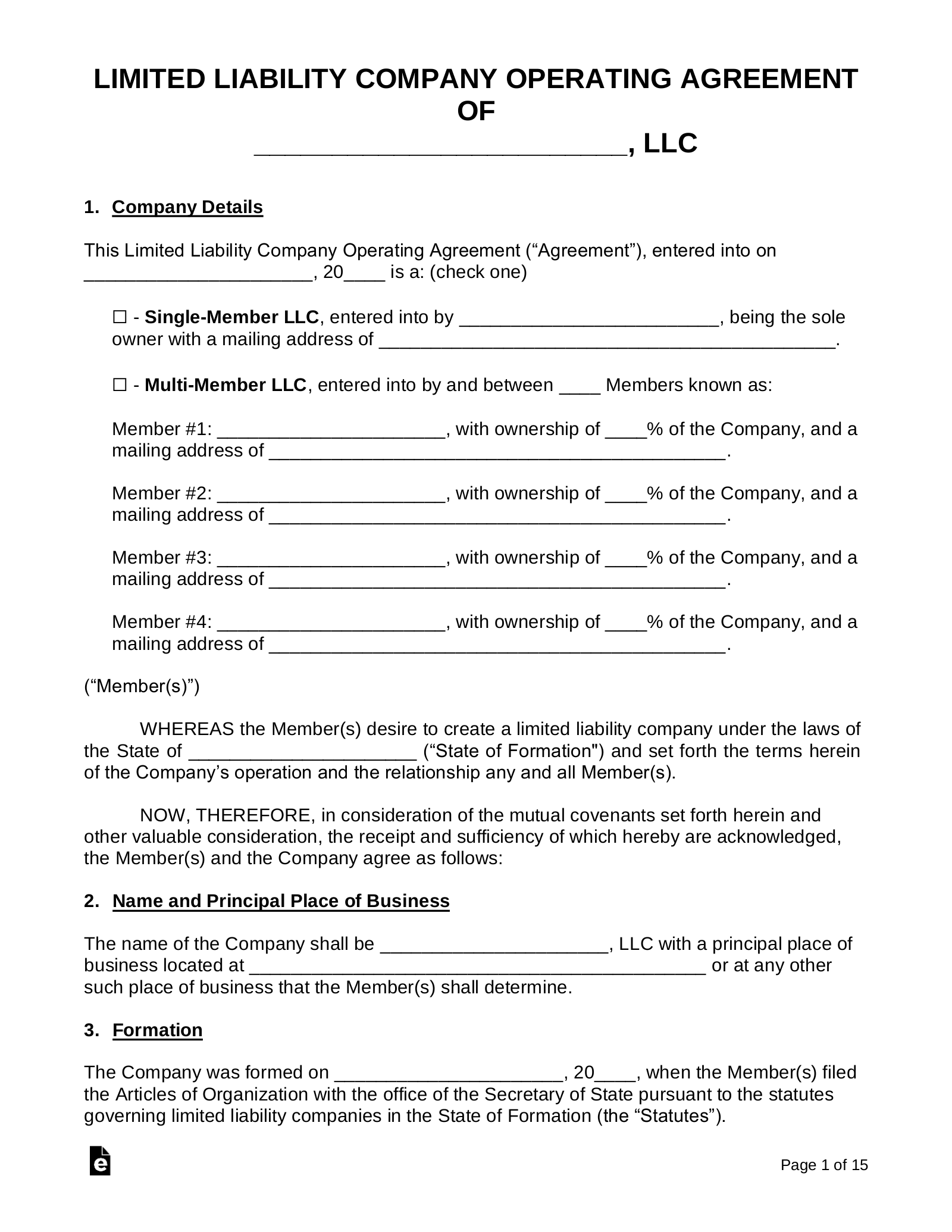
Can I Legally Draft My Own Operating Agreement for an LLC?
Yes, you can legally draft your own operating agreement for an LLC in most U.S. states. While some states do not legally require an operating agreement, creating one is highly recommended to define member roles, profit distribution, and dispute resolution. However, ensure it complies with your state’s LLC laws and covers essential clauses.
- State-specific requirements: Research your state’s regulations to avoid non-compliance.
- Flexibility: Customize terms to fit your business structure and goals.
- Legal validity: Even self-drafted agreements are enforceable if properly executed and signed.
What Are the Benefits of Writing Your Own Operating Agreement?
Writing your own operating agreement allows cost savings and customization tailored to your LLC’s unique needs. It empowers you to establish clear rules without relying on generic templates.
- Cost-effective: Avoid attorney fees for simple LLC structures.
- Control: Define voting rights, profit splits, and management roles explicitly.
- Simplicity: Ideal for single-member LLCs or straightforward partnerships.
What Key Elements Must an Operating Agreement Include?
A valid operating agreement must outline ownership percentages, management structure, and dissolution procedures to protect members’ interests. Missing critical clauses could lead to disputes or legal vulnerabilities.
- Ownership details: Member contributions and profit/loss allocation.
- Management roles: Specify if the LLC is member-managed or manager-managed.
- Dispute resolution: Include mediation or buyout processes.
What Risks Are Involved in Self-Drafting an Operating Agreement?
Self-drafting carries risks like unintended loopholes, non-compliance, or ambiguous terms, which could invalidate parts of the agreement or lead to member conflicts.
- Legal oversights: Missing mandatory clauses required by your state.
- Ambiguity: Vague language may complicate enforcement.
- Complex scenarios: Inadequate provisions for mergers, acquisitions, or member exits.
When Should You Consult a Lawyer Instead of Self-Drafting?
Consult a lawyer if your LLC has complex ownership structures, multi-state operations, or high-value assets. Professional guidance ensures compliance and minimizes risk.
- Multi-member disputes: Lawyers can mediate and draft neutral terms.
- Regulatory complexity: Necessary for heavily regulated industries (e.g., healthcare, finance).
- Future-proofing: Attorneys anticipate scenarios like member death or business expansion.
How to Ensure Your Self-Drafted Operating Agreement Is Effective?
To ensure effectiveness, research state laws, use reliable templates, and review with a professional before finalizing. Clarity and completeness are critical.
- State compliance: Cross-check with your Secretary of State’s guidelines.
- Peer review: Have a business partner or attorney review the draft.
- Updates: Revise the agreement as your LLC evolves.
Does an LLC always have an operating agreement?
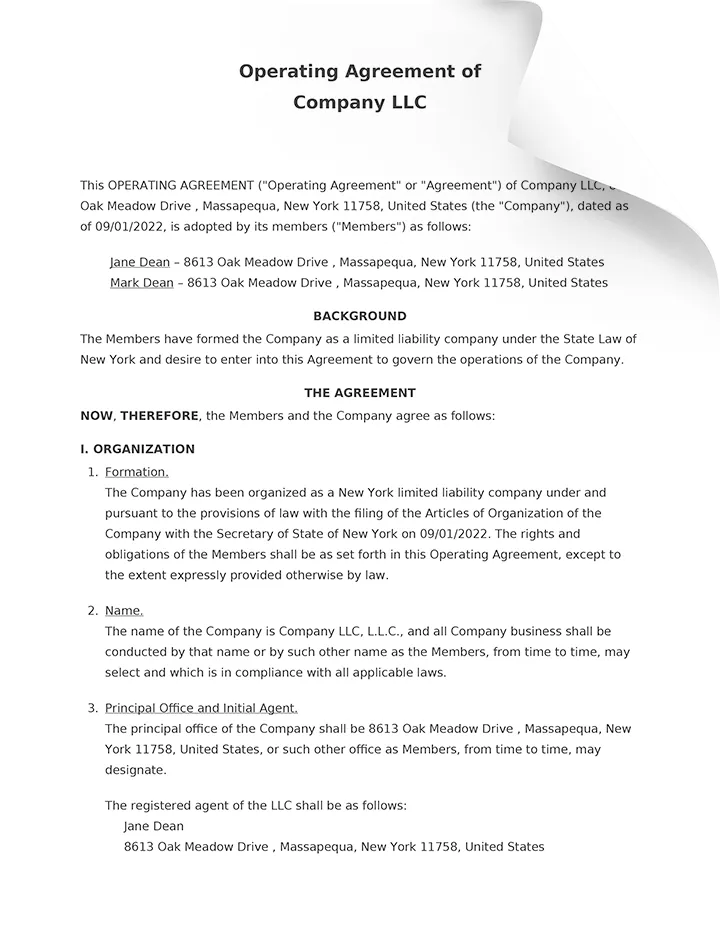
Is an Operating Agreement Legally Required for an LLC?
While state laws governing LLCs vary, most states do not legally require an LLC to have an operating agreement. However, certain states, such as California, New York, and Missouri, mandate that LLCs either create one or maintain internal records resembling its provisions. Even when not required, an operating agreement is strongly recommended to:
- Clarify member roles and responsibilities.
- Protect the LLC’s limited liability status by demonstrating a formal structure.
- Avoid defaulting to state-governed rules that may not align with the members’ intentions.
What Are the Risks of Not Having an Operating Agreement?
Operating without an agreement exposes the LLC to potential conflicts and legal vulnerabilities, including:
- State default rules controlling profit distribution, management, and dissolution.
- Ambiguity in decision-making processes, leading to member disputes.
- Risk of personal liability if the LLC’s structure is challenged in court.
Can a Single-Member LLC Operate Without an Operating Agreement?
A single-member LLC is not legally obligated to have an operating agreement in most states. However, creating one offers critical advantages:
- Reinforces legal separation between personal and business assets.
- Provides clarity on business operations for lenders, investors, or auditors.
- Prepares for potential future membership changes if the LLC expands.
How Does an Operating Agreement Protect Multi-Member LLCs?
For multi-member LLCs, an operating agreement is vital to:
- Define profit-sharing ratios and capital contributions.
- Outline procedures for adding or removing members.
- Establish dispute resolution mechanisms to avoid litigation.
What Should Be Included in an LLC Operating Agreement?
A comprehensive operating agreement typically covers:
- Management structure (member-managed vs. manager-managed).
- Voting rights and decision-making protocols.
- Provisions for dissolution or buyout scenarios.
Does an LLC operating agreement need to be notarized?
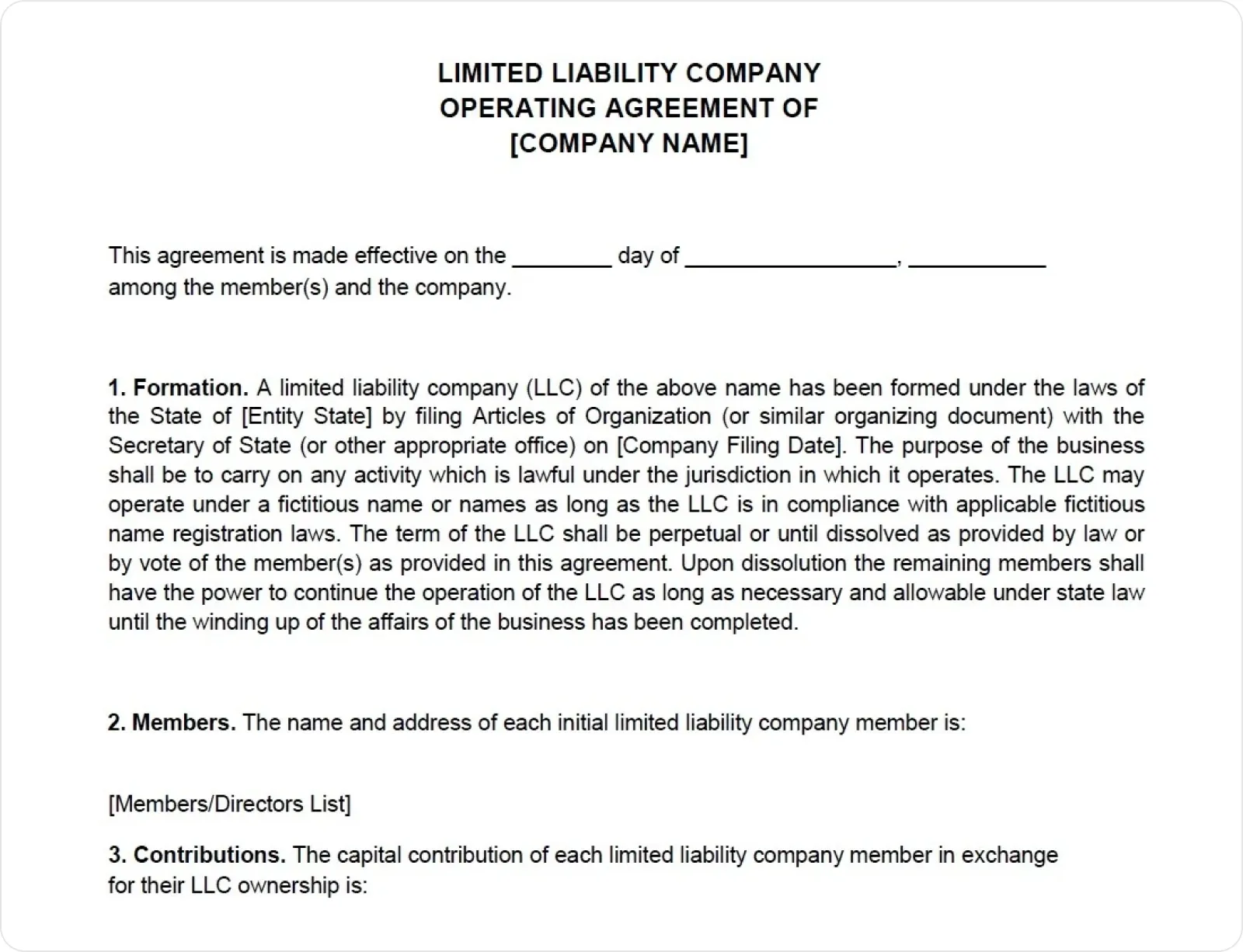
Is Notarization Required for an LLC Operating Agreement?
Generally, an LLC operating agreement does not need to be notarized to be legally valid in most U.S. states. The primary requirement is that all members sign the document. However, some states may recommend or require notarization for additional enforceability or to comply with specific local regulations.
- Legal validity typically depends on member signatures, not notarization.
- Notarization may help prevent disputes by verifying signatures.
- Check state-specific rules (e.g., New York or Florida) for exceptions.
Benefits of Notarizing an LLC Operating Agreement
While not mandatory, notarizing an LLC operating agreement can offer legal advantages. It adds a layer of authentication, making the document harder to challenge in court.
- Proof of identity: A notary confirms signers are who they claim to be.
- Deterrent against fraud: Reduces risk of forged signatures.
- Enhanced credibility: Useful if the agreement is presented to banks or courts.
State-Specific Requirements for LLC Operating Agreements
State laws vary regarding LLC operating agreements. For example, states like New York require a publication process for LLC formation but do not mandate notarization for operating agreements.
- Research state statutes (e.g., California’s Corporations Code).
- Some states may require witnesses instead of notarization.
- Local filing offices can clarify additional formalities.
How to Properly Execute an LLC Operating Agreement
Proper execution involves ensuring all members sign the document, even if notarization is optional. Follow these steps:
- Draft the agreement with clear terms for management and profit-sharing.
- Sign in the presence of a notary (if desired or required by state).
- Store copies securely and provide them to all members.
Notarization vs. Other Legal Formalities for LLCs
Notarization is distinct from other legal steps, such as filing with the state or obtaining an EIN. Focus on mandatory requirements first.
- Articles of Organization must be filed with the state to form the LLC.
- An EIN from the IRS is required for tax purposes.
- Notarization is often an optional precaution.
Frequently Asked Questions About LLCs (FAQs)
What is a Tennessee LLC Operating Agreement, and Why is It Important?
A Tennessee LLC Operating Agreement is a legal document outlining the ownership structure, management, and operational rules for a limited liability company (LLC) in Tennessee. While not legally required by the state, it is critical for defining member roles, profit-sharing arrangements, voting rights, and procedures for resolving disputes. This agreement protects the LLC’s limited liability status, ensures compliance with Tennessee laws, and prevents the state’s default rules from governing your business unintentionally.
Is an Operating Agreement Legally Required for an LLC in Tennessee?
No, Tennessee does not legally require LLCs to have an Operating Agreement. However, creating one is strongly recommended to avoid ambiguity and ensure the business operates under terms set by its members. Without this agreement, the LLC defaults to Tennessee’s statutory rules, which may not align with the members’ intentions. An Operating Agreement also adds credibility to the LLC’s legal separation from its owners, which is vital for liability protection.
What Happens If a Tennessee LLC Does Not Have an Operating Agreement?
Without an Operating Agreement, a Tennessee LLC is governed by the state’s default laws under the Tennessee Revised Limited Liability Company Act. This can lead to unintended outcomes, such as equal profit distribution regardless of ownership percentages or member voting power. Disputes over management decisions, member exits, or dissolution may become contentious due to the lack of predefined rules. Additionally, courts may pierce the LLC’s liability protection if the business appears unstructured.
How Do You Amend a Tennessee LLC Operating Agreement?
To amend a Tennessee LLC Operating Agreement, review the amendment provisions outlined in the original document. Most agreements require a member vote (e.g., majority or unanimous consent) to approve changes. Once agreed upon, amendments should be documented in writing, signed by all members, and attached to the original agreement. For amendments affecting publicly filed details (e.g., LLC name or registered agent), file a Certificate of Amendment with the Tennessee Secretary of State and pay the required fee.
Leave a Reply
Our Recommended Articles