
Can a 16 Year Old Get Backed by a Venture Capitalist?


The world of venture capital is often associated with seasoned entrepreneurs and established startups, but what about younger innovators? At just 16 years old, can a teenager secure backing from a venture capitalist? While age may seem like a barrier, history has shown that youth is no obstacle to groundbreaking ideas. From tech prodigies to young founders with disruptive visions, the startup ecosystem has seen its share of teenage success stories. This article explores the possibilities, challenges, and real-world examples of 16-year-olds who have successfully attracted venture capital, shedding light on what it takes for young entrepreneurs to turn their dreams into funded realities.
- Can a 16 Year Old Get Backed by a Venture Capitalist?
-
Who is eligible for venture capital financing?
- What Types of Businesses Are Eligible for Venture Capital Financing?
- What Stage Should a Business Be In to Qualify for Venture Capital?
- What Are the Key Criteria Venture Capitalists Look For?
- How Does Revenue and Traction Impact Eligibility?
- What Role Does the Industry Play in Venture Capital Eligibility?
- What is venture capital kids?
- What is a venture capitalist for kids?
- How do you get funded by venture capital?
-
Frequently Asked Questions (FAQs)
- Can a 16-year-old legally receive funding from a venture capitalist?
- What do venture capitalists look for when considering a young entrepreneur?
- Are there examples of successful teenage entrepreneurs backed by venture capitalists?
- What challenges might a 16-year-old face when seeking venture capital?
Can a 16 Year Old Get Backed by a Venture Capitalist?
Yes, a 16-year-old can get backed by a venture capitalist, but it is rare and comes with unique challenges. Venture capitalists (VCs) primarily invest in businesses with high growth potential, regardless of the founder's age. However, being a minor introduces legal and practical complexities that can make the process more difficult. Below, we explore the key aspects of this topic.
See Also What Are Some of the Films Financed by Silicon Valley Vcs?
1. Legal Considerations for Underage Founders
One of the biggest hurdles for a 16-year-old seeking venture capital is the legal framework. Minors cannot enter into binding contracts, which means they would need a legal guardian or a trusted adult to sign agreements on their behalf. Additionally, some jurisdictions may require special permissions or court approvals for minors to run businesses. These legal barriers can deter some VCs from investing in underage entrepreneurs.
2. Building Credibility as a Young Entrepreneur
Age can be a double-edged sword. While being young and innovative can attract attention, it can also raise doubts about experience and maturity. To overcome this, a 16-year-old must demonstrate a strong business plan, a clear vision, and a track record of execution. Building a prototype, gaining traction, or showcasing early success can help establish credibility.
See Also Is It Possible From Someone Who is Working in Private Equity to Switch to Venture Capital and Vice Versa
3. The Role of Mentorship and Support
Having a mentor or a supportive network is crucial for young entrepreneurs. Mentors can provide guidance, help navigate the complexities of the business world, and even introduce the founder to potential investors. Many VCs are more willing to back young founders if they see a strong support system in place.
4. Examples of Successful Teen Entrepreneurs
There are inspiring examples of teenagers who have successfully secured venture capital. For instance, Moziah Bridges, the founder of Mo's Bows, started his bow tie business at age 9 and later secured investments and partnerships. These success stories highlight that age is not always a barrier if the idea is compelling and the execution is solid.
See Also If Techstars takes a 6% equity stake for $18,000, is it fair to say a Techstars quality idea/prototype is worth $300,000 when raising seed money?
5. How to Approach Venture Capitalists as a Teen
When approaching VCs, a 16-year-old should focus on preparation and professionalism. This includes having a polished pitch deck, understanding the market, and being ready to answer tough questions. Networking through startup events, incubators, or online platforms can also increase the chances of getting noticed.
| Key Factor | Description |
|---|---|
| Legal Guardian | Required to sign contracts and agreements on behalf of the minor. |
| Business Plan | Must be detailed, realistic, and demonstrate high growth potential. |
| Mentorship | Provides guidance and increases credibility with investors. |
| Prototype/Traction | Shows proof of concept and reduces perceived risk for VCs. |
| Networking | Helps build connections and access to potential investors. |
Who is eligible for venture capital financing?
 How much does a corporation pay to have TechStars power a custom accelerator program?
What Types of Businesses Are Eligible for Venture Capital Financing?
Venture capital financing is typically available for businesses that demonstrate high growth potential and scalability. These businesses often operate in industries such as technology, biotechnology, clean energy, and other innovative sectors. Below are the key characteristics of businesses that are eligible:
- High-growth potential: The business must show the ability to grow rapidly and generate significant returns.
- Innovative products or services: Companies with unique, disruptive, or proprietary technology are more likely to attract venture capital.
- Scalable business model: The business should have the potential to expand quickly with minimal incremental costs.
What Stage Should a Business Be In to Qualify for Venture Capital?
Venture capital is often targeted at businesses in specific stages of development. While some venture capitalists invest in early-stage startups, others focus on more mature companies. Here are the common stages:
- Seed stage: Early-stage companies with a prototype or minimum viable product (MVP) but limited revenue.
- Early-stage: Companies that have launched their product and are beginning to generate revenue but need funding to scale.
- Growth stage: Established companies with proven revenue streams seeking capital to expand operations or enter new markets.
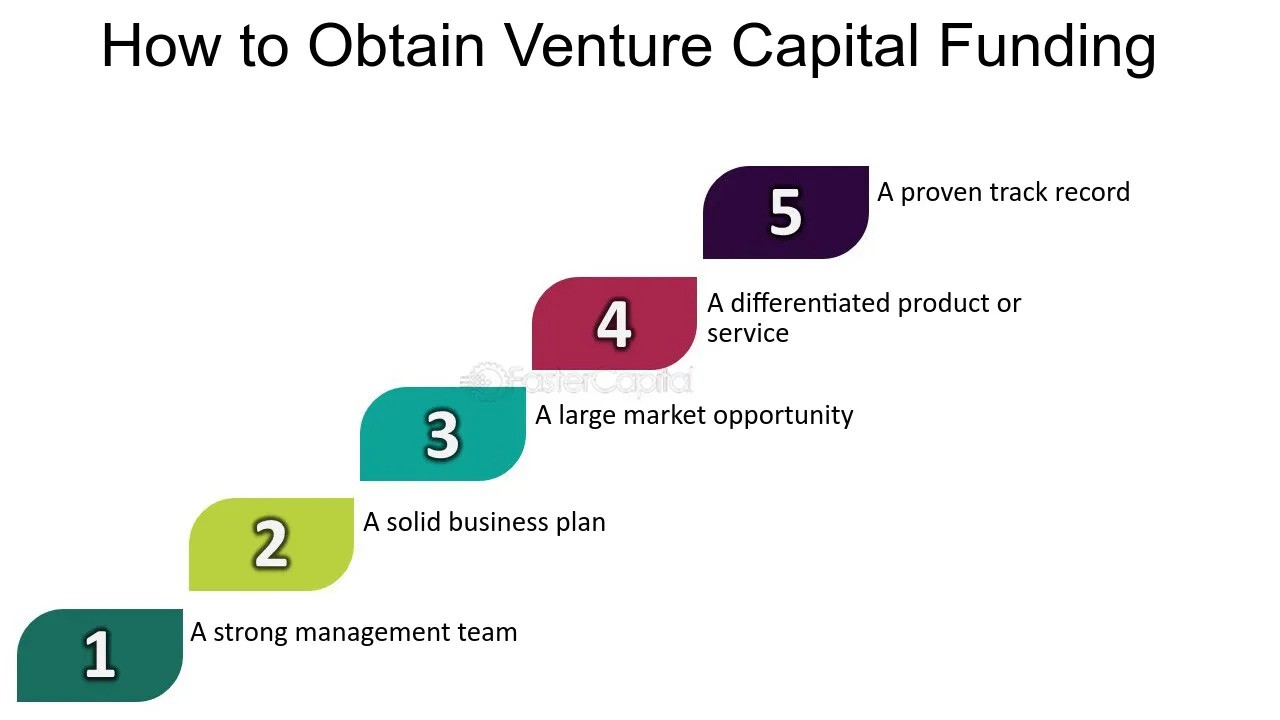
What Are the Key Criteria Venture Capitalists Look For?
Venture capitalists evaluate businesses based on several criteria to determine eligibility. These criteria help them assess the potential for high returns. Key factors include:
- Strong management team: A capable and experienced team is critical for executing the business plan.
- Market opportunity: The business should address a large or rapidly growing market.
- Competitive advantage: The company must have a unique value proposition or barrier to entry.
How Does Revenue and Traction Impact Eligibility?
Revenue and traction are important indicators of a business's potential and are often considered by venture capitalists. Here’s how they influence eligibility:
- Early revenue: Even minimal revenue can demonstrate market validation and customer interest.
- Customer traction: A growing customer base or high user engagement can signal demand for the product or service.
- Revenue growth rate: Rapidly increasing revenue is a strong indicator of scalability and market fit.
What Role Does the Industry Play in Venture Capital Eligibility?
The industry in which a business operates significantly impacts its eligibility for venture capital. Certain industries are more attractive to venture capitalists due to their growth potential and innovation. Key considerations include:
- Technology: Software, AI, and hardware companies are highly sought after due to their scalability.
- Biotechnology and healthcare: Innovations in these fields often attract venture capital due to their high impact and profitability.
- Clean energy and sustainability: Businesses addressing environmental challenges are increasingly appealing to investors.
What is venture capital kids?

What is Venture Capital for Kids?
Venture capital for kids refers to the concept of introducing young individuals to the world of investing, entrepreneurship, and financial literacy. It is not about kids directly investing in startups but rather about teaching them the principles of venture capital, such as risk-taking, innovation, and funding new ideas. This educational approach helps children understand how businesses grow and how investors support innovative projects.
- Financial Literacy: Teaching kids the basics of money management and investment.
- Entrepreneurial Mindset: Encouraging creativity and problem-solving skills.
- Understanding Risk: Explaining the concept of risk and reward in business.
Why Teach Kids About Venture Capital?
Teaching kids about venture capital helps them develop critical thinking and decision-making skills. It prepares them for future financial responsibilities and fosters an understanding of how businesses operate. By learning about venture capital, kids can appreciate the importance of innovation and the role of investors in bringing ideas to life.
- Future Preparedness: Equipping kids with skills for future financial decisions.
- Innovation Awareness: Helping them understand the value of new ideas and technologies.
- Career Exploration: Introducing potential career paths in finance and entrepreneurship.
How to Explain Venture Capital to Kids
Explaining venture capital to kids requires simplifying complex concepts. Use relatable examples, such as funding a lemonade stand, to illustrate how investors provide money to help businesses grow. Emphasize the importance of teamwork, creativity, and calculated risk-taking in the process.
- Simple Analogies: Use everyday examples like starting a small business.
- Interactive Activities: Engage kids with games or simulations.
- Visual Aids: Use charts or videos to explain investment concepts.
Benefits of Learning Venture Capital Early
Learning about venture capital at a young age can have long-term benefits. It builds confidence in handling money, encourages entrepreneurial thinking, and provides a foundation for understanding the economy. Kids who grasp these concepts early are more likely to make informed financial decisions in the future.
- Confidence Building: Kids feel more capable of managing finances.
- Entrepreneurial Skills: Encourages innovative thinking and problem-solving.
- Economic Awareness: Helps kids understand how businesses impact the economy.
Tools and Resources for Teaching Venture Capital to Kids
There are various tools and resources available to teach kids about venture capital. Books, online courses, and educational games can make learning engaging and fun. Parents and educators can also use real-world examples, such as successful startups, to illustrate the concepts effectively.
- Educational Books: Age-appropriate books on finance and entrepreneurship.
- Online Platforms: Websites offering interactive lessons on investing.
- Real-World Examples: Discussing successful companies and their funding journeys.
What is a venture capitalist for kids?
What is a Venture Capitalist?
A venture capitalist is an individual or firm that invests money in small or new businesses with high growth potential. These investors provide funding in exchange for a share of ownership in the company. For kids, this concept can be simplified as someone who helps turn big ideas into real businesses by providing the money needed to get started.
- Venture capitalists take risks by investing in startups that might fail but could also become very successful.
- They often provide not just money but also advice and connections to help the business grow.
- In return, they get a part of the company, which means they earn money if the business does well.
How Do Venture Capitalists Help Startups?
Venture capitalists play a crucial role in helping startups grow by providing the necessary resources and expertise. For kids, this can be compared to a coach who helps a team win by giving them the tools and guidance they need.
- They provide funding to cover expenses like hiring employees, buying equipment, and marketing.
- They offer mentorship and advice based on their experience in the business world.
- They connect startups with other professionals, such as lawyers, accountants, and other investors.
What Do Venture Capitalists Look For in a Business?
Venture capitalists are very selective about the businesses they invest in. They look for certain qualities that indicate a business has the potential to grow and succeed. For kids, this can be explained as choosing the best players for a team.
- A strong and innovative idea that solves a real problem.
- A capable and passionate team that can execute the idea effectively.
- Evidence of market demand and the potential for high returns on investment.
What Are the Risks of Being a Venture Capitalist?
Investing in startups is risky because many new businesses fail. For kids, this can be compared to betting on a horse race where not all horses finish the race.
- Many startups fail, and the investment can be lost entirely.
- It can take years before the business becomes profitable, if it ever does.
- Venture capitalists need to carefully research and choose the right businesses to invest in to minimize risks.
How Can Kids Learn About Venture Capitalism?
Kids can learn about venture capitalism through simple activities and lessons that explain the basics of investing and business. This can be a fun way to introduce them to the world of finance and entrepreneurship.
- Playing business simulation games that involve investing and managing money.
- Reading books or watching videos that explain how businesses and investments work.
- Participating in school projects or competitions that involve creating and pitching business ideas.
How do you get funded by venture capital?
Understanding Venture Capital Funding
Venture capital (VC) funding is a form of private equity financing provided by investors to startups and small businesses with high growth potential. To secure VC funding, entrepreneurs must demonstrate a compelling business model, a scalable product or service, and a strong team. Here are the key steps to understand how venture capital funding works:
- Identify the right VC firms: Research and target VC firms that specialize in your industry or stage of business.
- Prepare a pitch deck: Create a detailed presentation outlining your business plan, market opportunity, and financial projections.
- Network with investors: Attend industry events, leverage personal connections, and use platforms like LinkedIn to connect with potential investors.
Crafting a Winning Pitch Deck
A pitch deck is a critical tool for attracting venture capital. It should clearly communicate your business vision, market potential, and growth strategy. Below are the essential components of a winning pitch deck:
- Problem and solution: Clearly define the problem your product or service solves and how it addresses market needs.
- Market size: Provide data on the total addressable market (TAM) and your target audience.
- Business model: Explain how your company will generate revenue and achieve profitability.
Building a Strong Team
Venture capitalists invest in people as much as they invest in ideas. A strong, experienced team increases your chances of securing funding. Here’s how to build a team that appeals to investors:
- Highlight expertise: Showcase the skills and experience of your team members, especially in your industry.
- Demonstrate leadership: Emphasize the leadership qualities of your founders and key executives.
- Show commitment: Prove that your team is dedicated to the long-term success of the business.
Negotiating Terms with Investors
Negotiating the terms of a venture capital deal is a crucial step in the funding process. It involves agreeing on valuation, equity stakes, and other key terms. Here’s what to consider during negotiations:
- Valuation: Determine a fair valuation for your company based on market trends and financial projections.
- Equity stake: Decide how much equity you are willing to give up in exchange for funding.
- Control and governance: Clarify the level of control investors will have over business decisions.
Post-Funding Responsibilities
After securing venture capital funding, entrepreneurs must meet certain expectations and responsibilities to maintain investor confidence. Below are the key post-funding responsibilities:
- Regular updates: Provide investors with regular progress reports and financial updates.
- Milestone achievement: Focus on achieving the milestones outlined in your business plan.
- Transparency: Maintain open communication with investors about challenges and opportunities.
Frequently Asked Questions (FAQs)
Can a 16-year-old legally receive funding from a venture capitalist?
Yes, a 16-year-old can legally receive funding from a venture capitalist, but there are legal complexities involved. In most jurisdictions, minors (under 18) cannot enter into binding contracts without a parent or guardian's consent. This means that while a 16-year-old can pitch their idea and receive funding, the legal agreements would likely need to be signed by a parent or guardian. Additionally, venture capitalists may require the minor to have a trusted adult or legal entity, such as a parent or a company, to manage the funds and responsibilities.
What do venture capitalists look for when considering a young entrepreneur?
Venture capitalists primarily focus on the potential of the idea, the market opportunity, and the entrepreneur's ability to execute the plan, regardless of age. For a 16-year-old, they may also consider factors like maturity, commitment, and support systems (e.g., mentors, parents, or advisors). A strong business plan, a clear vision, and evidence of traction (such as a prototype, early customers, or partnerships) can significantly increase the chances of securing funding.
Are there examples of successful teenage entrepreneurs backed by venture capitalists?
Yes, there are notable examples of teenage entrepreneurs who have successfully secured venture capital funding. For instance, Ben Pasternak, the founder of Flogg, and Fraser Doherty, who started SuperJam, both received funding as teenagers. These cases highlight that age is not a barrier if the entrepreneur demonstrates innovation, determination, and a viable business model. However, such success stories often involve strong mentorship and a supportive network to navigate the challenges of entrepreneurship at a young age.
What challenges might a 16-year-old face when seeking venture capital?
A 16-year-old seeking venture capital may face several challenges, including legal restrictions, credibility concerns, and limited experience. Venture capitalists may be hesitant to invest in someone so young due to perceived risks, such as the ability to manage a business or handle pressure. Additionally, the lack of a track record or industry connections can make it harder to gain trust. To overcome these challenges, young entrepreneurs should focus on building a strong team, showcasing their passion, and providing evidence of their capabilities through tangible results.
Leave a Reply
Our Recommended Articles