
How Do the Different Types of Partners in a Venture Capital Firm Differ General Partner Operating Partner Investment Partner Etc


Venture capital firms are structured with various types of partners, each playing a distinct role in the investment process and overall success of the firm. General Partners (GPs) are typically the decision-makers, responsible for fund management, deal sourcing, and portfolio oversight. Operating Partners bring operational expertise, often working closely with portfolio companies to drive growth and efficiency. Investment Partners focus on identifying and evaluating potential investments, leveraging their financial acumen and market insights. Understanding the differences between these roles is crucial for grasping how venture capital firms operate and how each partner contributes to the firm’s strategic goals and investment outcomes.
-
How Do the Different Types of Partners in a Venture Capital Firm Differ: General Partner, Operating Partner, Investment Partner, Etc.
- What is a General Partner (GP) in a Venture Capital Firm?
- What is an Operating Partner in a Venture Capital Firm?
- What is an Investment Partner in a Venture Capital Firm?
- What is the Role of a Venture Partner in a Venture Capital Firm?
- What is the Difference Between a Limited Partner (LP) and a General Partner (GP)?
- What is the difference between a general partner and a partner in venture capital?
- What is the difference between a Venture Partner and an operating partner?
- What is the difference between GP and LP in VC?
- What is the difference between an operating partner and a general partner?
-
Frequently Asked Questions (FAQs)
- What is the role of a General Partner (GP) in a venture capital firm?
- How does an Operating Partner differ from a General Partner?
- What is the primary function of an Investment Partner in a venture capital firm?
- What distinguishes a Venture Partner from other types of partners in a venture capital firm?
How Do the Different Types of Partners in a Venture Capital Firm Differ: General Partner, Operating Partner, Investment Partner, Etc.
What is a General Partner (GP) in a Venture Capital Firm?
A General Partner (GP) is a key figure in a venture capital firm, responsible for managing the fund and making investment decisions. GPs are typically the ones who raise capital from Limited Partners (LPs), such as institutional investors or high-net-worth individuals. They have a fiduciary duty to act in the best interest of the fund and its investors. GPs are also heavily involved in sourcing deals, conducting due diligence, and providing strategic guidance to portfolio companies. In return, they earn management fees and a share of the carried interest, which is a percentage of the profits generated by the fund.
See Also What Does It Mean to Be a Partner in a Venture Capital Firm?
What is an Operating Partner in a Venture Capital Firm?
An Operating Partner plays a more hands-on role within a venture capital firm, focusing on the operational aspects of portfolio companies. Unlike GPs, who are primarily involved in investment decisions, Operating Partners leverage their industry expertise to help startups scale efficiently. They often assist with recruitment, business development, product strategy, and operational improvements. Their goal is to add value to the portfolio companies by ensuring they meet their growth targets and operational milestones. Operating Partners are usually former executives or entrepreneurs with deep experience in specific industries.
What is an Investment Partner in a Venture Capital Firm?
An Investment Partner is primarily focused on identifying and executing investment opportunities. They work closely with GPs to evaluate potential deals, conduct due diligence, and negotiate terms with startups. Investment Partners often have a strong background in finance, strategy, or a specific industry, enabling them to assess the viability and growth potential of startups. They may also take board seats in portfolio companies to monitor progress and provide strategic advice. Unlike Operating Partners, their role is more transactional and centered around the investment lifecycle.
See Also What is the Typical Gp Contribution to a Venture Capital Fund?
What is the Role of a Venture Partner in a Venture Capital Firm?
A Venture Partner is typically a part-time or temporary role within a venture capital firm. These individuals are often seasoned entrepreneurs or industry experts who assist the firm on a project basis. Their responsibilities may include sourcing deals, mentoring portfolio companies, or providing industry-specific insights. Venture Partners are not usually involved in the day-to-day operations of the firm but contribute their expertise to enhance the firm's investment strategy. They may also receive carried interest or other forms of compensation based on their contributions.
What is the Difference Between a Limited Partner (LP) and a General Partner (GP)?
A Limited Partner (LP) is an investor who provides capital to a venture capital fund but does not participate in its management. LPs can include pension funds, endowments, family offices, or high-net-worth individuals. In contrast, a General Partner (GP) manages the fund, makes investment decisions, and oversees its operations. While LPs have a financial stake in the fund, they have limited liability and are not involved in the day-to-day activities. GPs, on the other hand, assume full responsibility for the fund's performance and are compensated through management fees and carried interest.
See Also How Do I Become an Lp in a Vc Fund?
| Role | Primary Responsibilities | Compensation |
|---|---|---|
| General Partner (GP) | Fund management, investment decisions, fiduciary duties | Management fees, carried interest |
| Operating Partner | Operational support, scaling portfolio companies | Salary, bonuses, equity |
| Investment Partner | Deal sourcing, due diligence, portfolio management | Salary, carried interest |
| Venture Partner | Deal sourcing, mentoring, industry expertise | Carried interest, project-based fees |
| Limited Partner (LP) | Capital provider, no operational involvement | Returns on investment |
What is the difference between a general partner and a partner in venture capital?
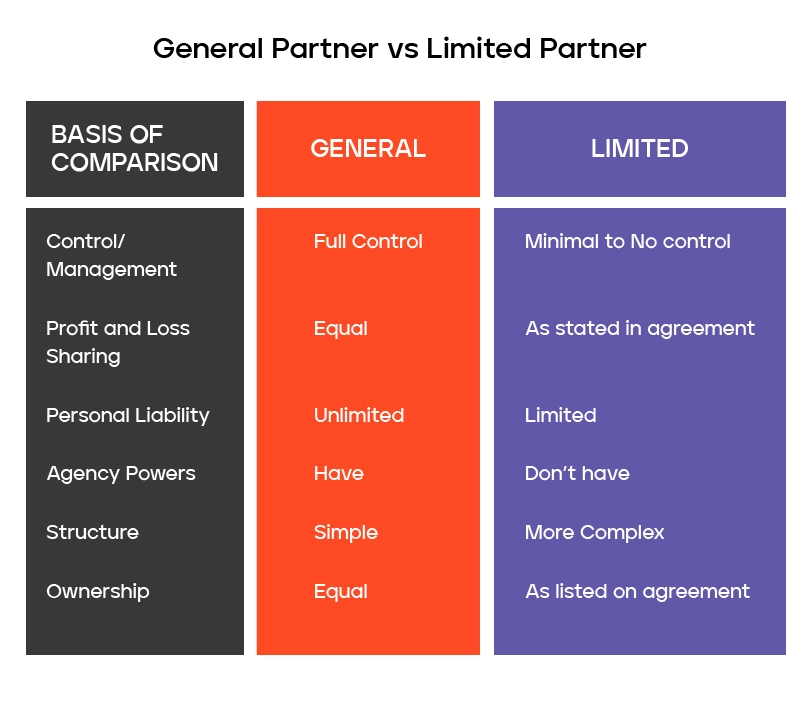
What is a General Partner in Venture Capital?
A General Partner (GP) in venture capital is an individual or entity that manages the day-to-day operations of a venture capital fund. They are responsible for making investment decisions, managing portfolio companies, and ensuring the fund's success. Key responsibilities include:
- Investment Decisions: GPs identify and evaluate potential investment opportunities.
- Fund Management: They oversee the fund's operations, including capital allocation and investor relations.
- Risk Management: GPs assess and mitigate risks associated with investments.
What is a Partner in Venture Capital?
A Partner in venture capital typically refers to a senior member of the firm who may or may not be a General Partner. Partners often have significant experience and influence but may not have the same level of operational responsibility as GPs. Their roles include:
- Strategic Guidance: Partners provide strategic advice and mentorship to portfolio companies.
- Deal Sourcing: They help identify and source new investment opportunities.
- Networking: Partners leverage their networks to benefit the firm and its investments.
Key Differences in Responsibilities
The primary difference between a General Partner and a Partner lies in their responsibilities. While GPs are deeply involved in the operational aspects of the fund, Partners may focus more on strategic and advisory roles. Key distinctions include:
- Operational Involvement: GPs handle daily operations, whereas Partners may not.
- Decision-Making Authority: GPs have final say in investment decisions, while Partners may provide input.
- Investor Relations: GPs often manage relationships with limited partners, while Partners may not.
Legal and Financial Liabilities
Another significant difference is the legal and financial liabilities associated with each role. GPs typically bear more liability compared to Partners. This includes:
- Legal Obligations: GPs are legally bound to act in the best interest of the fund and its investors.
- Financial Risk: GPs may have personal financial exposure if the fund underperforms.
- Fiduciary Duties: GPs have fiduciary responsibilities to the limited partners, whereas Partners may not.
Career Path and Progression
The career path to becoming a General Partner or a Partner can differ significantly. GPs often have a more structured path, while Partners may come from diverse backgrounds. Key points include:
- Experience: GPs usually have extensive experience in venture capital or related fields.
- Promotion: Becoming a GP often requires a track record of successful investments and fund management.
- Diversity: Partners may join the firm from various industries, bringing unique expertise.
What is the difference between a Venture Partner and an operating partner?
Role and Responsibilities
The primary difference between a Venture Partner and an Operating Partner lies in their roles and responsibilities within a venture capital firm or private equity firm. A Venture Partner typically focuses on:
- Deal sourcing: Identifying and evaluating potential investment opportunities.
- Due diligence: Conducting in-depth analysis of startups or companies before investment.
- Strategic guidance: Providing high-level advice to portfolio companies.
In contrast, an Operating Partner is more involved in:
- Operational execution: Assisting portfolio companies with day-to-day operations.
- Performance improvement: Implementing strategies to enhance business performance.
- Management support: Working closely with the management teams of portfolio companies.
Engagement with Portfolio Companies
Venture Partners and Operating Partners differ in how they engage with portfolio companies. A Venture Partner is often:
- Advisory: Offering strategic insights and connections.
- Part-time: Typically not fully embedded in the company.
- Investment-focused: Primarily concerned with the financial success of the investment.
An Operating Partner, on the other hand, is usually:
- Hands-on: Directly involved in operational activities.
- Full-time or deeply embedded: Often working within the company for extended periods.
- Execution-focused: Concentrating on achieving operational milestones.
Background and Expertise
The backgrounds of Venture Partners and Operating Partners also differ significantly. A Venture Partner typically has:
- Investment experience: Often comes from a finance or venture capital background.
- Network: Extensive connections within the startup ecosystem.
- Strategic mindset: Skilled in identifying high-potential opportunities.
An Operating Partner, however, usually possesses:
- Operational experience: Background in managing or scaling businesses.
- Industry expertise: Deep knowledge of specific sectors or markets.
- Problem-solving skills: Ability to address operational challenges effectively.
Compensation Structure
The compensation models for Venture Partners and Operating Partners vary based on their roles. A Venture Partner often receives:
- Carried interest: A share of the profits from successful investments.
- Deal-based fees: Compensation tied to specific transactions.
- Retainer or consulting fees: For part-time advisory roles.
An Operating Partner, in contrast, typically earns:
- Salary: A fixed income for full-time involvement.
- Performance bonuses: Tied to operational improvements or company growth.
- Equity stakes: Often granted to align interests with the company's success.
Time Commitment and Flexibility
The time commitment and flexibility of Venture Partners and Operating Partners differ significantly. A Venture Partner usually has:
- Flexible schedule: Often works on a part-time or project basis.
- Multiple engagements: May work with several firms or startups simultaneously.
- Focus on high-impact activities: Prioritizes strategic decisions over daily operations.
An Operating Partner, however, typically has:
- Full-time commitment: Dedicated to one or a few portfolio companies.
- Hands-on involvement: Requires significant time on-site or in operational meetings.
- Long-term focus: Often stays with a company until specific goals are achieved.
What is the difference between GP and LP in VC?
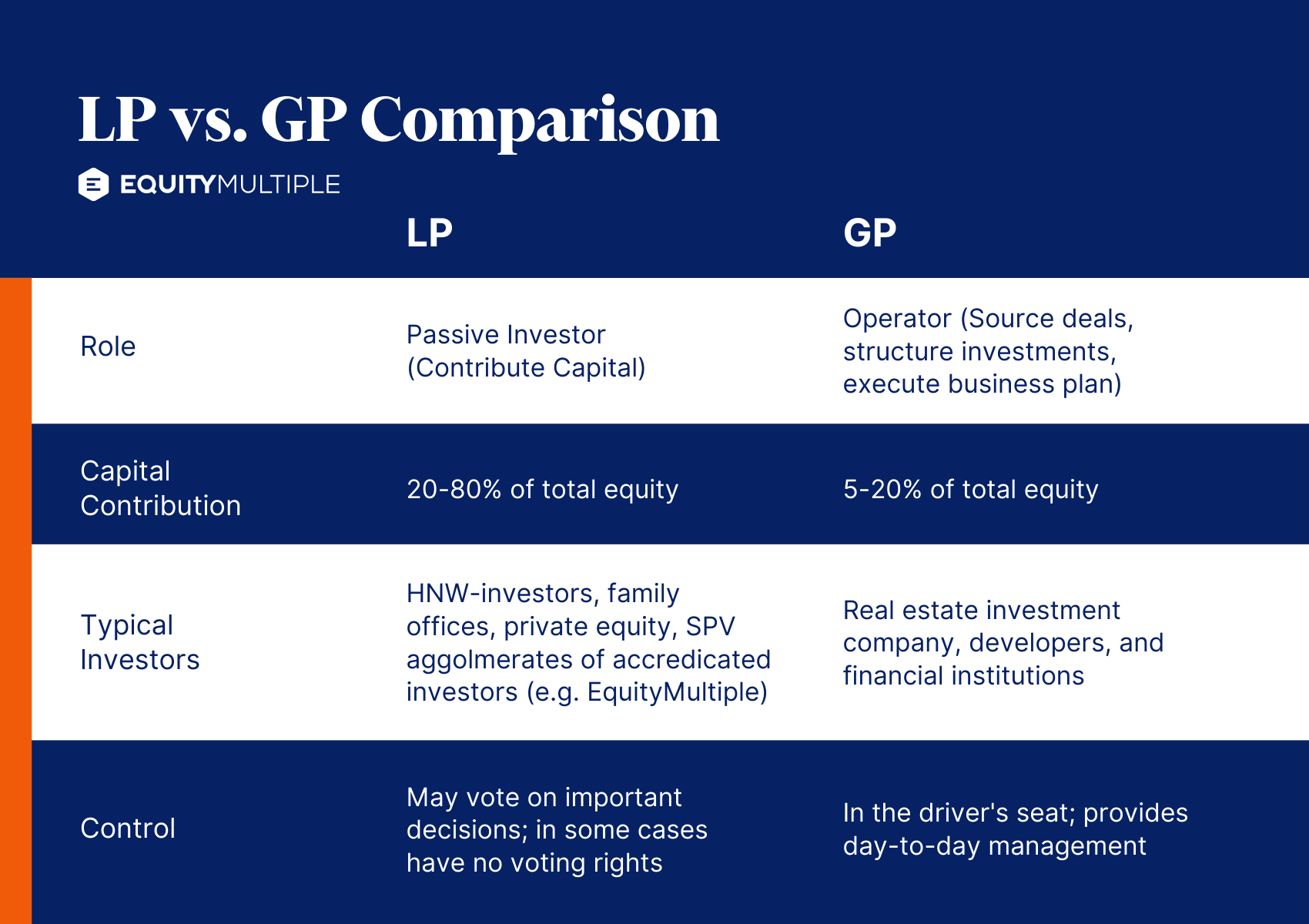
What is the Role of a General Partner (GP) in Venture Capital?
In venture capital, the General Partner (GP) is responsible for managing the venture capital fund and making investment decisions. The GP plays a critical role in identifying promising startups, negotiating deals, and providing strategic guidance to portfolio companies. Key responsibilities include:
- Fund Management: GPs oversee the day-to-day operations of the fund, including fundraising and compliance.
- Investment Decisions: They evaluate potential investments and decide where to allocate capital.
- Portfolio Support: GPs often provide mentorship and resources to help startups grow.
What is the Role of a Limited Partner (LP) in Venture Capital?
The Limited Partner (LP) is an investor who provides capital to the venture capital fund but does not participate in its management. LPs are typically institutional investors, such as pension funds, endowments, or high-net-worth individuals. Their primary role includes:
- Capital Contribution: LPs supply the funds that GPs use to invest in startups.
- Passive Involvement: They do not engage in the fund's daily operations or investment decisions.
- Profit Sharing: LPs receive a portion of the returns generated by the fund, usually after the GP takes a management fee and carried interest.
Profit-sharing between GPs and LPs is structured through a combination of management fees and carried interest. The typical arrangement includes:
- Management Fees: GPs charge an annual fee (usually 2% of committed capital) to cover operational costs.
- Carried Interest: GPs receive a percentage (typically 20%) of the fund's profits after returning the initial capital to LPs.
- Hurdle Rate: Some agreements include a minimum return threshold that must be met before carried interest is paid.
What Are the Risks for GPs and LPs in Venture Capital?
Both GPs and LPs face risks in venture capital, but their exposure differs due to their roles. Key risks include:
- For GPs: Reputation risk, as poor performance can affect future fundraising efforts.
- For LPs: Capital loss risk, as investments in startups are inherently high-risk and illiquid.
- Market Risk: Both parties are exposed to economic downturns that can impact startup valuations.
How Do GPs and LPs Align Their Interests in Venture Capital?
Alignment of interests between GPs and LPs is crucial for the success of a venture capital fund. Common mechanisms to ensure alignment include:
- Performance-Based Compensation: GPs earn carried interest only after achieving returns for LPs.
- Transparency: Regular reporting and communication keep LPs informed about fund performance.
- Co-Investment Opportunities: Some agreements allow LPs to invest directly in portfolio companies alongside the fund.
What is the difference between an operating partner and a general partner?
What is the Role of a General Partner?
A general partner in a business or investment firm typically holds significant decision-making authority and is actively involved in the management and operations of the partnership. They are responsible for overseeing the overall strategy and ensuring the partnership's success. Key responsibilities include:
- Strategic decision-making: General partners set the long-term goals and direction of the partnership.
- Financial oversight: They manage budgets, investments, and financial reporting.
- Legal liability: General partners are personally liable for the debts and obligations of the partnership.
What is the Role of an Operating Partner?
An operating partner focuses on the day-to-day operations and execution of the partnership's strategies. They work closely with portfolio companies or business units to improve performance and achieve operational goals. Key responsibilities include:
- Operational management: They oversee daily activities and ensure efficient processes.
- Performance improvement: Operating partners identify and implement strategies to enhance productivity and profitability.
- Collaboration with management: They work directly with company executives to execute plans effectively.
Key Differences in Responsibilities
The primary difference between a general partner and an operating partner lies in their scope of responsibilities. While general partners focus on high-level strategy and governance, operating partners are more hands-on with execution and operational improvements. Key distinctions include:
- Strategic vs. operational focus: General partners handle strategy, while operating partners manage execution.
- Decision-making authority: General partners have broader decision-making power compared to operating partners.
- Level of involvement: Operating partners are more involved in day-to-day activities than general partners.
Legal and Financial Implications
The legal and financial implications for general partners and operating partners differ significantly. General partners often bear more liability, while operating partners may have limited liability depending on their role. Key points include:
- Liability: General partners are personally liable for partnership debts, whereas operating partners may have limited liability.
- Profit sharing: General partners typically receive a larger share of profits due to their higher risk and responsibility.
- Contractual agreements: Operating partners often have specific contracts outlining their scope and limitations.
How They Collaborate in a Partnership
In a partnership, general partners and operating partners work together to achieve common goals. Their collaboration is essential for balancing strategy and execution. Key aspects of their collaboration include:
- Communication: Regular communication ensures alignment between strategic goals and operational execution.
- Complementary skills: General partners provide vision and leadership, while operating partners bring operational expertise.
- Shared accountability: Both roles contribute to the partnership's success, though their areas of focus differ.
Frequently Asked Questions (FAQs)
What is the role of a General Partner (GP) in a venture capital firm?
A General Partner (GP) in a venture capital firm is primarily responsible for managing the fund and making investment decisions. They are the key decision-makers who identify potential investment opportunities, negotiate deals, and oversee the portfolio companies. GPs also play a crucial role in raising capital from Limited Partners (LPs) and ensuring the fund's overall success. They often have a significant financial stake in the fund and are legally liable for its operations. Their expertise and network are vital for sourcing deals and providing strategic guidance to portfolio companies.
How does an Operating Partner differ from a General Partner?
An Operating Partner typically focuses on the operational aspects of portfolio companies rather than making investment decisions. Unlike a General Partner, who is more involved in the financial and strategic side of the fund, an Operating Partner works closely with the management teams of portfolio companies to improve their operations, scale their businesses, and achieve growth targets. They often have extensive industry experience and provide hands-on support in areas like product development, marketing, and organizational structure. While they may not have the same level of decision-making authority as GPs, their contributions are critical to the success of the investments.
What is the primary function of an Investment Partner in a venture capital firm?
An Investment Partner is primarily focused on sourcing, evaluating, and executing investment opportunities. They work closely with General Partners to identify promising startups and conduct due diligence to assess their potential. Investment Partners often have a deep understanding of specific industries or markets, which allows them to spot trends and opportunities that others might miss. They also play a key role in structuring deals, negotiating terms, and monitoring the performance of portfolio companies. While they may not have the same level of operational involvement as an Operating Partner, their expertise in financial analysis and market dynamics is invaluable to the firm.
What distinguishes a Venture Partner from other types of partners in a venture capital firm?
A Venture Partner is typically a part-time or temporary role within a venture capital firm, often brought in for their specific expertise or network. Unlike General Partners or Investment Partners, who are full-time employees, Venture Partners may work on a project basis or focus on a particular sector. They assist in deal sourcing, due diligence, and providing strategic advice to portfolio companies. Venture Partners are often seasoned entrepreneurs or industry veterans who bring unique insights and connections to the firm. While they may not have the same level of ongoing involvement as other partners, their contributions can be highly impactful during critical phases of the investment process.
Leave a Reply
Our Recommended Articles