
What Does It Mean to Be a Partner in a Venture Capital Firm?


Being a partner in a venture capital (VC) firm is a role that combines strategic decision-making, financial acumen, and a deep understanding of innovation and entrepreneurship. Partners are at the helm of identifying promising startups, securing investments, and guiding portfolio companies toward growth and success. Beyond managing funds, they build relationships with founders, investors, and industry leaders, shaping the future of emerging technologies and markets. This position demands a unique blend of expertise, vision, and leadership, as partners not only drive the firm’s success but also play a pivotal role in shaping the broader entrepreneurial ecosystem.
- What Does It Mean to Be a Partner in a Venture Capital Firm?
- What does it mean to be a partner at a VC firm?
- How much does a partner at a venture capital firm make?
- How do VC partners get paid?
- How hard is it to become a VC partner?
-
Frequently Asked Questions by our Community
- What are the primary responsibilities of a partner in a venture capital firm?
- What skills and qualifications are required to become a partner in a venture capital firm?
- How do partners in venture capital firms generate returns for their investors?
- What is the difference between a general partner and a limited partner in a venture capital firm?
What Does It Mean to Be a Partner in a Venture Capital Firm?
Being a partner in a venture capital (VC) firm is a prestigious and influential role within the investment ecosystem. Partners are responsible for making critical decisions, managing investments, and guiding startups toward success. They play a pivotal role in shaping the future of innovative companies and, by extension, entire industries. Below, we explore the key aspects of this role through five informative subtopics.
See Also Whats the Best Portfolio Management Software for Venture Capital Why
1. The Role of a Venture Capital Partner
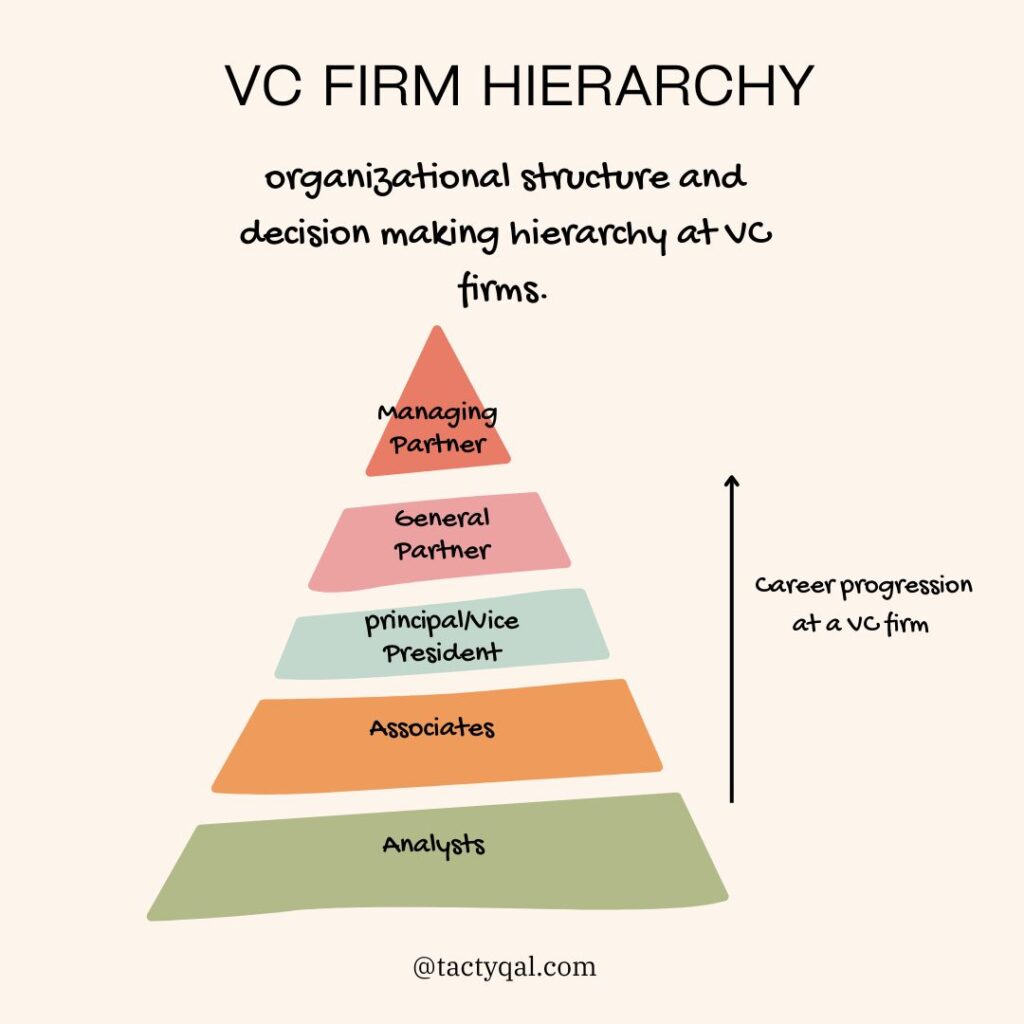
A venture capital partner is a senior member of a VC firm who oversees investment strategies, evaluates potential startups, and manages portfolio companies. They are often involved in deal sourcing, due diligence, and negotiating terms with founders. Partners also provide mentorship and strategic guidance to startups, helping them scale and achieve their goals. Their expertise and network are invaluable assets to both the firm and the companies they invest in.
2. Types of Partners in a VC Firm
VC firms typically have different types of partners, each with distinct responsibilities. These include:
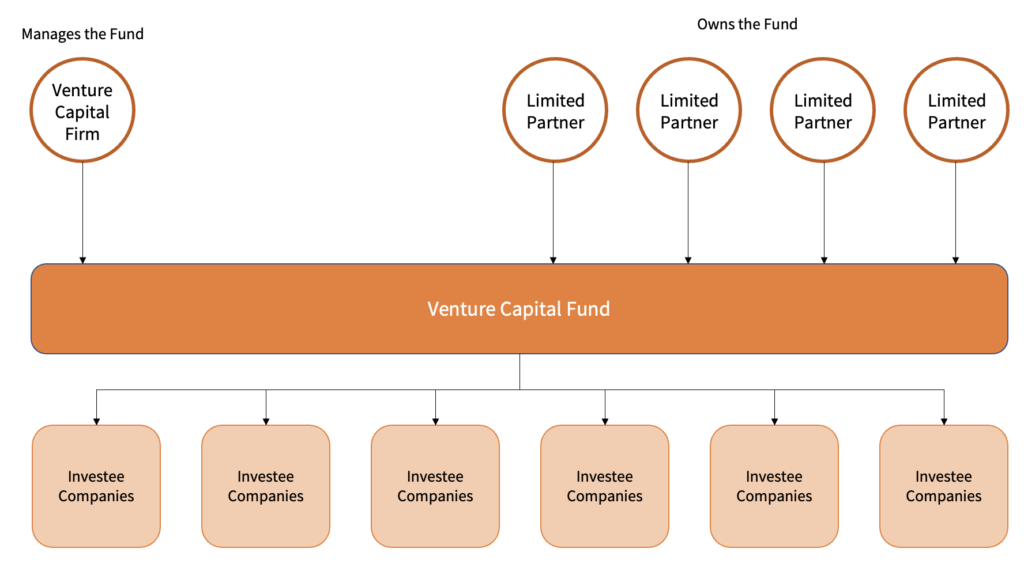
- General Partners (GPs): They are the decision-makers and actively manage the fund's investments.
- Limited Partners (LPs): They provide the capital but do not participate in day-to-day operations.
- Operating Partners: They focus on supporting portfolio companies with operational expertise.
- Venture Partners: They assist with deal flow and due diligence but are not full-time employees.
 Where Do Venture Capital Firms Get Their Money?
3. Key Responsibilities of a VC Partner
The responsibilities of a VC partner are multifaceted and include:
- Deal Sourcing: Identifying promising startups and investment opportunities.
- Due Diligence: Conducting thorough research and analysis before investing.
- Fundraising: Securing capital from limited partners to fuel the fund.
- Portfolio Management: Monitoring and supporting the growth of portfolio companies.
- Exit Strategies: Planning and executing exits through IPOs, acquisitions, or mergers.
4. Skills and Qualifications Needed
To become a successful VC partner, one must possess a combination of skills and qualifications, such as:
- Industry Expertise: Deep knowledge of specific sectors or markets.
- Analytical Skills: Ability to evaluate business models and financial projections.
- Networking: Strong connections within the startup and investment communities.
- Leadership: Experience in managing teams and making high-stakes decisions.
- Financial Acumen: Understanding of fundraising, valuations, and investment structures.
 How Many Pitch Decks Does a Venture Capital Firm Usually Get Within a Year
5. Challenges Faced by VC Partners
Being a VC partner comes with its own set of challenges, including:
- High Risk: Many startups fail, leading to potential losses.
- Intense Competition: Securing the best deals requires outmaneuvering other investors.
- Time Commitment: Managing multiple investments and responsibilities can be demanding.
- Pressure to Deliver: Limited partners expect strong returns on their investments.
- Market Volatility: Economic downturns can impact the performance of portfolio companies.
| Aspect | Description |
|---|---|
| Role | Overseeing investments and guiding startups. |
| Types | General Partners, Limited Partners, Operating Partners, Venture Partners. |
| Responsibilities | Deal sourcing, due diligence, fundraising, portfolio management, exit strategies. |
| Skills | Industry expertise, analytical skills, networking, leadership, financial acumen. |
| Challenges | High risk, competition, time commitment, pressure to deliver, market volatility. |
What does it mean to be a partner at a VC firm?
 Why is Ltv Supposed to Be at Least 3x of Cac Wouldnt Ltv of 1 5x Cac Mean 50 Irr for the Investor Assuming Lifetime is 12 Months
Roles and Responsibilities of a VC Partner
Being a partner at a venture capital (VC) firm involves a multifaceted role that combines investment decision-making, portfolio management, and strategic leadership. Partners are responsible for identifying and evaluating potential investment opportunities, often working closely with startups to assess their viability and growth potential. Additionally, they play a critical role in guiding portfolio companies, providing mentorship, and leveraging their networks to help these companies succeed.
- Deal sourcing: Identifying and sourcing promising startups for investment.
- Due diligence: Conducting thorough evaluations of potential investments.
- Portfolio management: Overseeing and supporting the growth of portfolio companies.
- Fundraising: Assisting in raising capital for the VC firm's funds.
- Strategic decision-making: Contributing to the firm's overall investment strategy and vision.
Partners at a VC firm hold significant decision-making authority when it comes to investments. They are often part of an investment committee that evaluates and approves deals. This responsibility requires a deep understanding of market trends, financial analysis, and the ability to assess the potential of early-stage companies. Partners must balance risk and reward, ensuring that the firm's capital is deployed effectively to generate returns.
- Voting power: Partners typically have a say in which deals the firm pursues.
- Risk assessment: Evaluating the potential risks and rewards of each investment.
- Negotiation: Structuring deals and negotiating terms with founders.
- Alignment with fund goals: Ensuring investments align with the firm's strategic objectives.
- Long-term vision: Focusing on investments that can deliver returns over time.
Mentorship and Support for Portfolio Companies
One of the key roles of a VC partner is to provide mentorship and support to portfolio companies. This involves offering strategic advice, helping with hiring, and connecting startups with industry experts or potential customers. Partners often act as a bridge between the startup and the broader ecosystem, leveraging their experience and network to drive growth.
- Strategic guidance: Advising startups on business strategy and scaling.
- Network access: Introducing founders to key contacts and resources.
- Operational support: Assisting with challenges like fundraising or product development.
- Board participation: Serving on the boards of portfolio companies to provide oversight.
- Exit planning: Helping companies prepare for acquisitions or IPOs.
Building and Maintaining Relationships
Partners at VC firms are heavily involved in building and maintaining relationships with various stakeholders, including founders, co-investors, and limited partners (LPs). Strong relationships are crucial for deal flow, co-investment opportunities, and fundraising. Partners must excel at communication and networking to foster trust and collaboration within the ecosystem.
- Founder relationships: Building trust and rapport with startup founders.
- Co-investor networks: Collaborating with other investors on deals.
- LP engagement: Communicating with limited partners to secure funding.
- Industry connections: Staying connected with key players in the industry.
- Reputation management: Upholding the firm's reputation in the market.
Contributing to the Firm's Growth and Strategy
As senior members of the firm, partners play a pivotal role in shaping its growth and strategy. This includes setting the firm's investment thesis, defining its focus areas, and ensuring alignment with market opportunities. Partners also contribute to the firm's internal culture and operational efficiency, ensuring it remains competitive in the fast-paced VC landscape.
- Investment thesis: Defining the firm's approach to investing.
- Market positioning: Identifying and capitalizing on emerging trends.
- Team development: Mentoring junior team members and fostering talent.
- Operational excellence: Streamlining processes to improve efficiency.
- Long-term vision: Ensuring the firm's strategy aligns with future opportunities.
How much does a partner at a venture capital firm make?

Base Salary of a Venture Capital Partner
The base salary for a partner at a venture capital firm typically ranges between $200,000 and $400,000 annually. This figure can vary depending on the size and prestige of the firm. For example:
- At smaller or mid-sized firms, the base salary might be closer to $200,000.
- At larger, more established firms, the base salary can exceed $400,000.
- Partners in top-tier firms in major financial hubs like Silicon Valley or New York often command higher salaries.
Carried Interest and Profit Sharing
In addition to the base salary, venture capital partners earn carried interest, which is a share of the profits from successful investments. This can significantly increase their total compensation. Key points include:
- Carried interest typically ranges from 20% to 30% of the fund's profits.
- This portion of earnings is often realized over several years as investments mature.
- In successful funds, carried interest can amount to millions of dollars annually.
Bonuses and Performance Incentives
Partners may also receive bonuses based on the firm's performance or their individual contributions. These bonuses can vary widely:
- Bonuses are often tied to the return on investment (ROI) of the fund.
- Top-performing partners might receive bonuses exceeding $1 million in exceptional years.
- Bonuses are more common in firms with a strong track record of successful exits.
Total Compensation Range
When combining base salary, carried interest, and bonuses, the total compensation for a venture capital partner can be substantial:
- At smaller firms, total compensation might range from $500,000 to $1 million annually.
- At mid-sized firms, partners can earn between $1 million and $3 million.
- Partners at top-tier firms may earn $5 million or more annually, especially in years with successful exits.
Factors Influencing Partner Earnings
Several factors influence how much a venture capital partner earns, including:
- The size and success of the firm's funds.
- The partner's experience and track record in the industry.
- The geographic location of the firm, with higher earnings in major financial centers.
How do VC partners get paid?
Management Fees
Venture capital (VC) partners typically earn management fees, which are calculated as a percentage of the total funds under management. These fees are used to cover the operational costs of the firm and compensate the partners for their work.
- Management fees are usually around 2% of the total fund size annually.
- These fees are paid by the limited partners (LPs) who invest in the fund.
- The fees are often reduced as the fund matures or after a certain period.
Carried Interest
Carried interest is the primary way VC partners generate significant income. It represents a share of the profits earned from successful investments, typically after returning the initial capital to the LPs.
- Carried interest is usually around 20% of the fund's profits.
- It is only distributed after the fund achieves a predetermined return threshold, known as the hurdle rate.
- This structure aligns the interests of the VC partners with those of the LPs.
Deal Fees
Some VC firms charge deal fees for their involvement in specific transactions, such as mergers, acquisitions, or IPOs of portfolio companies.
- Deal fees can include advisory fees or transaction fees.
- These fees are often negotiated separately and are not part of the standard management fee or carried interest.
- They are typically shared among the partners and the firm.
Monitoring Fees
VC partners may also earn monitoring fees for providing ongoing support and oversight to portfolio companies.
- Monitoring fees are charged for services like board participation or strategic guidance.
- These fees are usually paid by the portfolio companies themselves.
- They are often capped or structured to avoid overburdening the companies.
Co-Investment Opportunities
VC partners sometimes have the opportunity to co-invest in deals alongside the fund, allowing them to earn additional returns.
- Co-investments enable partners to invest their own capital in promising startups.
- These investments are typically made at the same terms as the fund.
- They provide an additional income stream beyond management fees and carried interest.
How hard is it to become a VC partner?

What Does It Take to Become a VC Partner?
Becoming a venture capital (VC) partner is a highly competitive and challenging process. It requires a unique combination of skills, experience, and networking abilities. Below are the key factors that contribute to the difficulty of achieving this role:
- Extensive Industry Experience: Most VC partners have years of experience in fields like investment banking, entrepreneurship, or consulting. This background helps them evaluate startups effectively.
- Proven Track Record: Demonstrating success in previous roles, such as leading profitable investments or founding a successful startup, is crucial.
- Strong Network: Building relationships with founders, investors, and industry leaders is essential for sourcing deals and gaining trust.
How Competitive Is the VC Industry?
The venture capital industry is notoriously competitive, with limited opportunities for partnership roles. Here’s why:
- Limited Positions: VC firms are typically small, with only a few partners managing significant funds.
- High Demand: Many professionals aspire to become VC partners, creating intense competition for available roles.
- Selective Criteria: Firms often look for candidates with exceptional credentials, making it difficult for even highly qualified individuals to secure a position.
What Skills Are Required to Become a VC Partner?
To become a VC partner, you need a diverse skill set that combines analytical, interpersonal, and strategic abilities. Key skills include:
- Financial Acumen: The ability to analyze financial statements, assess valuation, and understand market trends is critical.
- Deal Sourcing: Identifying and evaluating high-potential startups requires a keen eye for innovation and market fit.
- Negotiation Skills: Structuring deals and negotiating terms with founders is a core responsibility of a VC partner.
How Important Is Networking in Becoming a VC Partner?
Networking plays a pivotal role in the journey to becoming a VC partner. Here’s why it’s so important:
- Access to Deals: A strong network helps in sourcing high-quality investment opportunities that may not be publicly available.
- Reputation Building: Establishing a reputation as a trusted advisor or investor can open doors to partnership opportunities.
- Mentorship and Guidance: Building relationships with experienced VC partners can provide valuable insights and mentorship.
What Are the Common Career Paths to Becoming a VC Partner?
There is no single path to becoming a VC partner, but certain career trajectories are more common. These include:
- Entrepreneurship: Founders who have successfully exited their startups often transition into VC roles.
- Investment Banking or Consulting: Professionals with experience in these fields bring strong analytical and deal-making skills to VC.
- Operating Roles: Individuals with experience in scaling companies or managing teams are often sought after by VC firms.
Frequently Asked Questions by our Community
What are the primary responsibilities of a partner in a venture capital firm?
Being a partner in a venture capital firm involves a wide range of responsibilities. Primarily, partners are responsible for sourcing and evaluating investment opportunities. This includes identifying promising startups, conducting due diligence, and assessing their potential for growth and profitability. Additionally, partners play a crucial role in negotiating deals, structuring investments, and managing relationships with portfolio companies. They also provide strategic guidance to founders, helping them scale their businesses and navigate challenges. Furthermore, partners are often involved in fundraising efforts, working to secure capital from limited partners to fuel the firm's investment activities.
What skills and qualifications are required to become a partner in a venture capital firm?
To become a partner in a venture capital firm, individuals typically need a combination of industry experience, financial acumen, and networking skills. Many partners have a background in entrepreneurship, investment banking, or management consulting, which provides them with the necessary expertise to evaluate and support startups. Strong analytical skills are essential for assessing investment opportunities, while excellent communication and interpersonal skills are crucial for building relationships with founders and investors. Additionally, a deep understanding of specific industries or markets can be a significant advantage. Advanced degrees, such as an MBA, are common but not always required.
How do partners in venture capital firms generate returns for their investors?
Partners in venture capital firms generate returns for their investors by investing in high-potential startups and helping them grow. The process begins with identifying startups that have the potential to deliver significant returns, often through equity investments. Once invested, partners work closely with the portfolio companies to provide strategic guidance, operational support, and access to their networks. The goal is to increase the value of these companies over time, leading to successful exits through acquisitions or initial public offerings (IPOs). The returns generated from these exits are then distributed to the firm's investors, after deducting management fees and carried interest.
What is the difference between a general partner and a limited partner in a venture capital firm?
In a venture capital firm, the roles of general partners (GPs) and limited partners (LPs) are distinct. General partners are the active managers of the fund, responsible for making investment decisions, managing portfolio companies, and overseeing the firm's operations. They typically contribute a small percentage of the fund's capital and are entitled to a share of the profits, known as carried interest. On the other hand, limited partners are the investors who provide the majority of the capital for the fund. They have a more passive role, entrusting the general partners with the management of their investments and receiving returns based on the fund's performance. Limited partners are not involved in the day-to-day operations of the firm.
Leave a Reply
Our Recommended Articles