
Is Goldman Sachs or Venture Capital a Better Career Starter?

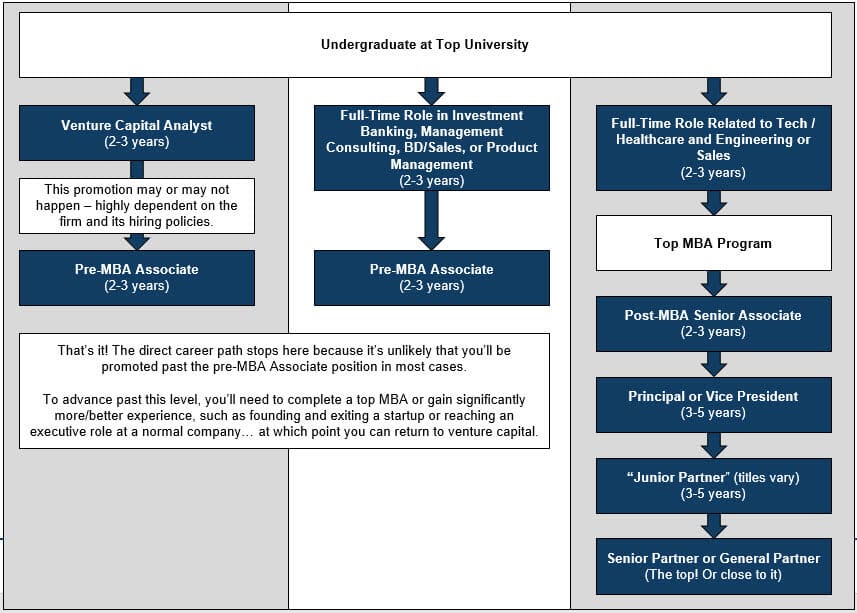
Choosing the right career path after graduation or early in one’s professional journey can be a pivotal decision. For many aspiring professionals in finance and business, two prominent options often stand out: working at a prestigious investment bank like Goldman Sachs or diving into the dynamic world of venture capital. Both paths offer unique opportunities, challenges, and learning experiences, but they cater to different skill sets, interests, and long-term goals. This article explores the key differences between starting a career at Goldman Sachs and entering the venture capital space, helping you determine which might be the better fit for your ambitions and aspirations.
- Is Goldman Sachs or Venture Capital a Better Career Starter?
- Is it harder to get into VC or PE?
- What is the hardest investment bank to get a job at?
-
How hard is it to get an entry level job at Goldman Sachs?
- What are the qualifications needed for an entry-level job at Goldman Sachs?
- How competitive is the application process for Goldman Sachs?
- What does Goldman Sachs look for in entry-level candidates?
- How important is networking for securing an entry-level job at Goldman Sachs?
- What are the challenges of working at Goldman Sachs as an entry-level employee?
- Is venture capital a good career path?
-
Frequently Asked Questions by our Community
- What are the key differences between starting a career at Goldman Sachs versus Venture Capital?
- Which career path offers better long-term growth opportunities: Goldman Sachs or Venture Capital?
- How does the work-life balance compare between Goldman Sachs and Venture Capital?
- Which career path is more suitable for someone interested in entrepreneurship: Goldman Sachs or Venture Capital?
Is Goldman Sachs or Venture Capital a Better Career Starter?
1. What Are the Key Differences Between Goldman Sachs and Venture Capital?
Goldman Sachs and Venture Capital (VC) are two distinct career paths in the finance industry. Goldman Sachs is a global investment bank that offers a structured career path with roles in investment banking, asset management, and trading. On the other hand, Venture Capital involves investing in early-stage startups, requiring a more entrepreneurial mindset and a focus on innovation. While Goldman Sachs provides a well-defined career trajectory, VC offers exposure to high-growth companies and the potential for significant financial rewards if investments succeed.
See Also Can I Make a Career in Venture Capital?
2. Which Career Path Offers Better Skill Development?
At Goldman Sachs, employees gain rigorous training in financial modeling, deal execution, and client management. The structured environment helps build a strong foundation in finance. In contrast, Venture Capital emphasizes skills like market analysis, due diligence, and strategic decision-making. VC professionals often develop a deep understanding of emerging industries and technologies. Both paths offer valuable skills, but the choice depends on whether you prefer a structured or entrepreneurial learning environment.
3. How Do Compensation Packages Compare?
Compensation at Goldman Sachs is typically higher in the early years, with competitive salaries, bonuses, and benefits. In Venture Capital, compensation can vary widely. While base salaries may be lower, there is potential for significant upside through carried interest if investments perform well. The table below summarizes the key differences:
See Also How Can One Get a Job at a Venture Capital Firm or Vc Firm?
| Aspect | Goldman Sachs | Venture Capital |
|---|---|---|
| Base Salary | High | Moderate |
| Bonus Potential | High | Variable |
| Long-Term Earnings | Stable | High (if investments succeed) |
4. What Are the Work-Life Balance Considerations?
Goldman Sachs is known for its demanding work hours, especially in roles like investment banking. Long hours and high-pressure environments are common. In Venture Capital, the workload can be more flexible, but it often involves constant networking, deal sourcing, and portfolio management. While VC may offer better work-life balance on paper, the need to stay ahead in a competitive industry can still lead to significant time commitments.
5. Which Path Provides Better Networking Opportunities?
Both Goldman Sachs and Venture Capital offer excellent networking opportunities, but they differ in scope. At Goldman Sachs, you interact with top-tier clients, executives, and industry leaders, which can open doors to future opportunities. In Venture Capital, networking is central to the role, as you connect with entrepreneurs, investors, and innovators. The choice depends on whether you prefer building relationships within established institutions or engaging with the startup ecosystem.
See Also How much does the recommendations from others factor into the Techstars application?
Is it harder to get into VC or PE?

Understanding the Differences Between VC and PE
Venture Capital (VC) and Private Equity (PE) are both competitive fields, but they differ significantly in their focus and requirements. VC firms typically invest in early-stage startups with high growth potential, while PE firms usually invest in established companies to improve their operations and profitability. The skills and experience required for each field also vary, with VC often valuing entrepreneurial experience and PE emphasizing financial modeling and deal structuring expertise.
See Also How Do I Write a Good Cover Letter for a Internship at a Venture Capital Firm
- VC focuses on high-risk, high-reward investments in startups.
- PE targets mature companies for buyouts and operational improvements.
- VC roles often require a strong understanding of emerging markets and innovation.
Entry Requirements for VC Roles
Breaking into VC is often considered more challenging due to the limited number of positions and the high demand for roles. Many VC firms prefer candidates with a background in entrepreneurship, startup experience, or a strong network in the tech industry. Additionally, having an MBA or a degree from a top-tier university can be advantageous. The competition is fierce, and candidates often need to demonstrate a deep understanding of market trends and investment strategies.
- VC firms prioritize candidates with startup experience or entrepreneurial backgrounds.
- An MBA or degree from a prestigious institution is often preferred.
- Strong networking skills and industry connections are crucial.
Entry Requirements for PE Roles
Private Equity roles are also highly competitive but tend to have more structured entry paths, often through investment banking or consulting backgrounds. PE firms look for candidates with strong analytical skills, experience in financial modeling, and a proven track record in deal execution. Unlike VC, PE roles often require a more formalized career progression, such as starting in analyst or associate positions at investment banks before transitioning to PE.
See Also Do Any Venture Capital Companies Offer Summer Internships for Undergraduates
- PE firms value candidates with investment banking or consulting experience.
- Strong financial modeling and analytical skills are essential.
- PE roles often follow a more structured career path compared to VC.
Competition and Networking in VC
In VC, networking plays a critical role in securing a position. Many VC roles are filled through referrals or personal connections rather than traditional job postings. Candidates must actively build relationships within the startup ecosystem and demonstrate a passion for innovation and technology. The competition is intense, and standing out often requires a unique combination of skills, experience, and a strong personal brand.
- Networking is crucial for breaking into VC.
- Many VC roles are filled through referrals or personal connections.
- Candidates must showcase a passion for innovation and technology.
Competition and Career Progression in PE
In PE, the competition is equally fierce, but the career progression is often more linear. Candidates typically start in analyst or associate roles at investment banks or consulting firms before transitioning to PE. PE firms value candidates with a strong foundation in financial analysis and deal execution. The structured nature of PE roles means that candidates often have a clearer path to advancement, but they must consistently demonstrate exceptional performance to move up the ranks.
- PE roles often follow a structured career progression.
- Candidates typically start in analyst or associate roles before moving to PE.
- Strong financial analysis and deal execution skills are highly valued.
What is the hardest investment bank to get a job at?
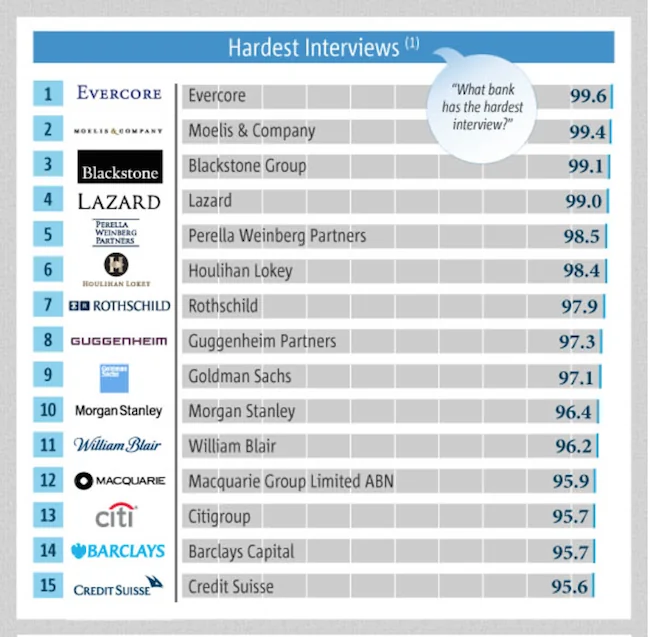
What Makes an Investment Bank Hard to Get Into?
Securing a job at a top-tier investment bank is notoriously difficult due to several factors. These banks are highly selective and prioritize candidates with exceptional academic backgrounds, relevant work experience, and strong networking skills. Below are the key reasons:
- Prestige and Reputation: Top investment banks like Goldman Sachs and J.P. Morgan are globally recognized, attracting the best talent worldwide.
- Competitive Applicant Pool: Thousands of highly qualified candidates apply for limited positions, making the selection process extremely rigorous.
- Stringent Hiring Criteria: Banks often require Ivy League or equivalent degrees, high GPAs, and prior internships in finance or related fields.
Which Investment Banks Are Considered the Most Exclusive?
Certain investment banks are known for their exclusivity and are often regarded as the hardest to break into. These include:
- Goldman Sachs: Known for its rigorous interview process and high standards, it is often considered the pinnacle of investment banking careers.
- J.P. Morgan: A global leader in finance, it attracts top-tier talent and has a highly competitive hiring process.
- Morgan Stanley: Renowned for its selective recruitment and focus on candidates with exceptional analytical and interpersonal skills.
What Are the Key Challenges in the Hiring Process?
The hiring process at elite investment banks is designed to identify the most capable and driven individuals. The challenges include:
- Technical Interviews: Candidates are tested on complex financial concepts, valuation methods, and market knowledge.
- Behavioral Interviews: Banks assess cultural fit, teamwork, and leadership potential through situational questions.
- Networking Requirements: Building relationships with current employees or alumni is often crucial to securing an interview.
How Does Academic Background Influence Hiring Decisions?
Academic credentials play a significant role in the hiring process at top investment banks. Key considerations include:
- University Reputation: Graduates from Ivy League or top-tier universities are often preferred.
- GPA and Academic Achievements: High academic performance is a strong indicator of a candidate's work ethic and intellectual ability.
- Relevant Coursework: Degrees in finance, economics, or business are highly valued, along with certifications like CFA or CPA.
What Role Do Internships Play in Securing a Job?
Internships are a critical stepping stone to landing a full-time position at a top investment bank. Their importance lies in:
- Gaining Practical Experience: Internships provide hands-on experience in financial modeling, deal execution, and client interactions.
- Building a Network: Interns often form connections with senior bankers, which can lead to referrals or job offers.
- Proving Commitment: Completing internships demonstrates a candidate's dedication to the finance industry and their ability to thrive in a demanding environment.
How hard is it to get an entry level job at Goldman Sachs?

What are the qualifications needed for an entry-level job at Goldman Sachs?
Securing an entry-level position at Goldman Sachs requires a strong academic background and relevant skills. The qualifications typically include:
- Educational Excellence: A bachelor's degree from a top-tier university, preferably in finance, economics, business, or a related field.
- Relevant Internships: Prior internships in finance, investment banking, or related industries are highly valued.
- Technical Skills: Proficiency in financial modeling, Excel, and other analytical tools is essential.
How competitive is the application process for Goldman Sachs?
The application process at Goldman Sachs is highly competitive due to the firm's prestigious reputation. Key aspects include:
- High Volume of Applicants: Thousands of candidates apply for a limited number of positions each year.
- Rigorous Screening: Applications go through multiple rounds of screening, including resume reviews and online assessments.
- Interview Process: Candidates face multiple rounds of interviews, including behavioral, technical, and case study questions.
What does Goldman Sachs look for in entry-level candidates?
Goldman Sachs seeks candidates who demonstrate a combination of technical expertise and soft skills. The firm values:
- Analytical Abilities: Strong problem-solving and quantitative skills are crucial.
- Teamwork and Communication: The ability to work collaboratively and communicate effectively is essential.
- Leadership Potential: Evidence of leadership roles in academic or extracurricular activities is a plus.
How important is networking for securing an entry-level job at Goldman Sachs?
Networking plays a significant role in the hiring process at Goldman Sachs. Important points include:
- Building Connections: Attending career fairs, networking events, and informational interviews can help candidates stand out.
- Referrals: Referrals from current employees or alumni can significantly enhance a candidate's chances.
- Online Presence: Maintaining a professional LinkedIn profile and engaging with the firm's content can also be beneficial.
What are the challenges of working at Goldman Sachs as an entry-level employee?
Working at Goldman Sachs as an entry-level employee comes with its own set of challenges. These include:
- High Expectations: The firm expects employees to deliver high-quality work under tight deadlines.
- Long Hours: Entry-level roles often require long working hours, especially in investment banking divisions.
- Continuous Learning: Employees must stay updated with industry trends and continuously improve their skills.
Is venture capital a good career path?

What Does a Career in Venture Capital Entail?
A career in venture capital involves investing in early-stage or high-growth companies with the potential for significant returns. Professionals in this field analyze market trends, evaluate business models, and provide strategic guidance to portfolio companies. Key responsibilities include:
- Deal sourcing: Identifying promising startups and entrepreneurs.
- Due diligence: Conducting thorough research on potential investments.
- Portfolio management: Supporting and monitoring the growth of invested companies.
- Networking: Building relationships with founders, investors, and industry experts.
What Skills Are Required for Venture Capital?
Success in venture capital demands a unique blend of skills, including financial acumen, strategic thinking, and interpersonal abilities. Essential skills include:
- Analytical thinking: Ability to assess business models and market opportunities.
- Negotiation: Securing favorable terms for investments.
- Communication: Clearly articulating investment theses and strategies.
- Adaptability: Navigating the fast-paced and ever-changing startup ecosystem.
What Are the Pros of a Venture Capital Career?
A career in venture capital offers numerous advantages, making it an attractive path for many professionals. Key benefits include:
- High earning potential: Significant financial rewards from successful investments.
- Influence and impact: Shaping the future of innovative companies and industries.
- Networking opportunities: Access to a wide network of entrepreneurs and investors.
- Intellectual stimulation: Engaging with cutting-edge technologies and business models.
What Are the Challenges of Venture Capital?
While venture capital can be rewarding, it also comes with its own set of challenges. Common obstacles include:
- High risk: Many investments may fail, leading to financial losses.
- Long hours: Extensive research and networking require significant time commitments.
- Pressure to perform: Delivering returns to investors can be stressful.
- Competition: Securing top deals in a crowded market is highly competitive.
How to Start a Career in Venture Capital?
Breaking into venture capital requires a strategic approach and relevant experience. Steps to consider include:
- Gain industry experience: Work in startups, consulting, or investment banking to build relevant skills.
- Build a network: Attend industry events and connect with venture capitalists.
- Develop expertise: Focus on a specific sector or technology to stand out.
- Pursue education: Consider advanced degrees or certifications in finance or business.
Frequently Asked Questions by our Community
What are the key differences between starting a career at Goldman Sachs versus Venture Capital?
Starting a career at Goldman Sachs typically involves working in a structured, hierarchical environment with a focus on investment banking, asset management, or sales and trading. The firm offers extensive training programs and exposure to large-scale financial transactions. On the other hand, Venture Capital (VC) is more entrepreneurial and involves investing in early-stage startups. VC roles often require a deep understanding of specific industries, strong networking skills, and the ability to identify high-growth potential companies. While Goldman Sachs provides a broad financial foundation, VC offers a more niche and hands-on experience in innovation and entrepreneurship.
Which career path offers better long-term growth opportunities: Goldman Sachs or Venture Capital?
Both Goldman Sachs and Venture Capital offer strong long-term growth opportunities, but they differ in nature. At Goldman Sachs, career progression is often linear, with clear milestones such as promotions to Associate, Vice President, and Managing Director. The firm’s global reputation can open doors to senior roles in finance, corporate leadership, or even government. In contrast, Venture Capital offers a more varied trajectory, with opportunities to become a Partner at a VC firm, start your own fund, or transition into entrepreneurial roles. The long-term growth in VC often depends on your ability to build a strong track record of successful investments and industry connections.
How does the work-life balance compare between Goldman Sachs and Venture Capital?
Work-life balance at Goldman Sachs is notoriously demanding, especially in roles like investment banking, where long hours and high-pressure deadlines are common. However, the firm provides structured support systems and competitive compensation to offset the intensity. In Venture Capital, the work-life balance can vary significantly depending on the firm and the stage of investments. Early-stage VC roles may involve irregular hours due to the need to evaluate startups and attend networking events, but the environment is generally less rigid than investment banking. Both paths require dedication, but VC may offer more flexibility in terms of schedule and autonomy.
Which career path is more suitable for someone interested in entrepreneurship: Goldman Sachs or Venture Capital?
If you’re passionate about entrepreneurship, Venture Capital is often the better fit. VC roles immerse you in the startup ecosystem, allowing you to work closely with founders, understand business models, and identify market trends. This experience can be invaluable if you plan to launch your own venture in the future. While Goldman Sachs provides a solid foundation in finance and corporate strategy, its focus is more on large-scale transactions and established companies. That said, the skills and network you build at Goldman Sachs can still be beneficial for entrepreneurship, particularly if you aim to scale a business or secure funding from institutional investors.
Leave a Reply
Our Recommended Articles