
If Techstars takes a 6% equity stake for $18,000, is it fair to say a Techstars quality idea/prototype is worth $300,000 when raising seed money?


When evaluating early-stage startups, determining the value of an idea or prototype can be challenging. Techstars, a renowned accelerator, offers $18,000 in funding in exchange for a 6% equity stake, implying a post-money valuation of $300,000. This raises the question: does this valuation accurately reflect the worth of a Techstars-quality idea or prototype during seed fundraising? While the figure may seem arbitrary, it reflects the accelerator's confidence in its ability to mentor and scale startups. However, founders must consider whether this valuation aligns with market standards and their long-term goals, as it sets a precedent for future funding rounds and investor expectations.
-
Is a Techstars Quality Idea/Prototype Worth 0,000 When Raising Seed Money?
- How Does Techstars Determine Equity Stake?
- What Factors Influence the 0,000 Valuation?
- Is the 0,000 Valuation Realistic for Seed Stage Startups?
- How Does Techstars’ Valuation Compare to Other Accelerators?
- What Are the Risks of Accepting a 6% Equity Stake?
- How Can Startups Maximize the Value of Techstars’ Investment?
- How much does Techstars take in equity?
- Does Techstars invest in ideas?
- How much ownership does Techstars take?
- How much equity should a startup give away?
-
Frequently Asked Questions (FAQs)
- Is it accurate to value a Techstars-quality idea or prototype at 0,000 based on their equity investment?
- Does Techstars' investment model reflect the true market value of a startup?
- How does Techstars' equity stake compare to other accelerators or seed investors?
- Should startups consider the 0,000 valuation as a starting point for seed funding negotiations?
Is a Techstars Quality Idea/Prototype Worth $300,000 When Raising Seed Money?
When Techstars takes a 6% equity stake for $18,000, it implies a pre-money valuation of $282,000 ($18,000 / 6% = $300,000 post-money valuation). This suggests that a Techstars-quality idea or prototype is valued at approximately $300,000 during the seed stage. However, this valuation is not solely based on the idea or prototype itself but also on the potential, team, and market opportunity. Let’s explore this further.
See Also How much does the recommendations from others factor into the Techstars application?
How Does Techstars Determine Equity Stake?
Techstars typically offers $20,000 in funding in exchange for 6% equity, along with access to their mentorship network and resources. This standardized deal is designed to support early-stage startups. The $300,000 valuation is derived from the $20,000 investment divided by the 6% equity stake, but it’s important to note that this is a generalized valuation and not a reflection of the startup’s market value or revenue potential.
| Investment | Equity Stake | Implied Valuation |
|---|---|---|
| $18,000 | 6% | $300,000 |
What Factors Influence the $300,000 Valuation?
The $300,000 valuation is influenced by several factors, including the stage of the startup, the quality of the team, the market size, and the potential for growth. Techstars invests in early-stage startups, often with just an idea or prototype, so the valuation is more about potential than current performance. This valuation also reflects the value of the Techstars program, which provides mentorship, networking opportunities, and access to investors.
See Also Are there any reasons why a startup would not want to go through TechStars?
Is the $300,000 Valuation Realistic for Seed Stage Startups?
For seed-stage startups, a $300,000 valuation can be realistic if the idea or prototype demonstrates high potential and the team has a strong track record. However, valuations at this stage are highly subjective and depend on investor confidence. While Techstars’ valuation serves as a benchmark, other investors may value the startup differently based on their own criteria and risk appetite.
How Does Techstars’ Valuation Compare to Other Accelerators?
Techstars’ $300,000 valuation is comparable to other top accelerators like Y Combinator, which offers $125,000 for 7% equity, implying a $1.6 million valuation. However, Y Combinator’s higher valuation reflects its reputation and track record of producing unicorn startups. In contrast, Techstars’ valuation is more accessible for early-stage startups with limited traction or revenue.
See Also How Do Venture Capitalists Make Money?
| Accelerator | Investment | Equity Stake | Implied Valuation |
|---|---|---|---|
| Techstars | $18,000 | 6% | $300,000 |
| Y Combinator | $125,000 | 7% | $1.6 million |
What Are the Risks of Accepting a 6% Equity Stake?
Accepting a 6% equity stake from Techstars can be beneficial for early-stage startups, but it also comes with risks. Startups must consider the dilution of ownership and whether the mentorship and resources provided by Techstars justify the equity given up. Additionally, future investors may view the $300,000 valuation as a benchmark, which could impact future fundraising efforts.
How Can Startups Maximize the Value of Techstars’ Investment?
To maximize the value of Techstars’ $18,000 investment and 6% equity stake, startups should focus on leveraging the program’s resources. This includes building relationships with mentors, refining their pitch, and networking with potential investors. By demonstrating progress and traction during the program, startups can increase their valuation and attract additional funding at better terms.
See Also How Do You Get in Touch With Venture Capitalists?
How much does Techstars take in equity?
What is Techstars' Equity Stake?
Techstars typically takes a 6% equity stake in the startups that participate in their accelerator programs. This equity is exchanged for the funding, mentorship, and resources provided during the program. The exact percentage can vary slightly depending on the specific program or location, but 6% is the standard.
- 6% equity is the standard stake taken by Techstars.
- This equity is in exchange for funding, mentorship, and resources.
- The percentage may vary slightly based on the program or location.
How Does Techstars' Equity Compare to Other Accelerators?
Compared to other accelerators, Techstars' 6% equity stake is relatively standard. For example, Y Combinator also takes around 7% equity. However, some accelerators may take more or less depending on the level of funding and support they provide.
- Techstars takes 6% equity, similar to Y Combinator's 7%.
- Other accelerators may take more or less equity based on their offerings.
- The equity stake reflects the value of resources and mentorship provided.
What Does Techstars Offer in Exchange for Equity?
In exchange for the 6% equity stake, Techstars provides startups with $120,000 in funding, access to a vast network of mentors, and resources such as office space, legal support, and investor connections. The program also includes intensive mentorship and demo day opportunities.
- $120,000 in funding is provided to participating startups.
- Access to a global network of mentors and investors.
- Resources like office space, legal support, and demo day opportunities.
Can Startups Negotiate the Equity Stake with Techstars?
Generally, the 6% equity stake is non-negotiable for Techstars' standard accelerator programs. However, in some cases, startups with exceptional traction or unique circumstances might have room for discussion, though this is rare.
- The 6% equity stake is typically non-negotiable.
- Exceptions may be made for startups with exceptional traction or unique circumstances.
- Negotiation is rare and not encouraged in most cases.
What Happens to the Equity After the Program?
After the program, the 6% equity stake remains with Techstars. This equity is part of the agreement and does not revert to the startup. However, Techstars often continues to support the startup through its network and resources, which can be invaluable for growth.
- The 6% equity stake remains with Techstars post-program.
- Techstars continues to provide support and resources to the startup.
- The equity is a long-term investment in the startup's success.
Does Techstars invest in ideas?

Does Techstars Invest in Ideas?
Techstars does not typically invest in ideas alone. Instead, they focus on investing in early-stage startups that have a minimum viable product (MVP), a founding team, and some level of traction. The program is designed to support startups that have already begun to validate their business model and are looking to scale.
What Does Techstars Look for in Startups?
Techstars evaluates startups based on several key factors:
- Team: The founding team's experience, skills, and ability to execute.
- Product: A functional MVP that solves a real problem.
- Market: A large and growing market opportunity.
- Traction: Early signs of customer interest or revenue.
- Scalability: Potential to grow and scale the business.
How Does Techstars Support Startups?
Techstars provides a comprehensive support system for startups, including:
- Funding: An initial investment of $20,000 in exchange for equity.
- Mentorship: Access to a network of experienced mentors.
- Workspace: Office space during the accelerator program.
- Demo Day: An opportunity to pitch to investors.
- Network: Connections to a global network of alumni and investors.
What Are the Benefits of Joining Techstars?
Joining Techstars offers several advantages for startups:
- Accelerated Growth: Intensive program to fast-track development.
- Access to Capital: Opportunities to secure additional funding.
- Expert Guidance: Mentorship from industry experts.
- Global Exposure: Increased visibility in the startup ecosystem.
- Alumni Network: Lifelong access to a supportive community.
What Are the Requirements to Apply to Techstars?
To apply to Techstars, startups must meet certain criteria:
- Team: A dedicated and capable founding team.
- Product: A working MVP or prototype.
- Market Fit: Evidence of a clear market need.
- Traction: Some level of customer or user engagement.
- Commitment: Full-time participation in the program.
How much ownership does Techstars take?

What Percentage of Equity Does Techstars Take?
Techstars typically takes 6% equity in the startups it accepts into its accelerator programs. This equity is exchanged for the funding, mentorship, and resources provided during the program. The exact percentage may vary slightly depending on the specific program or location, but 6% is the standard.
- 6% equity is the standard stake taken by Techstars.
- This percentage may vary slightly based on the program or region.
- The equity is exchanged for funding, mentorship, and access to resources.
How Does Techstars' Equity Stake Compare to Other Accelerators?
Compared to other accelerators, Techstars' 6% equity stake is relatively standard. For example, Y Combinator also takes around 7% equity, while other programs may take more or less depending on their offerings. Techstars' equity stake is considered fair given the extensive support and network it provides.
- Techstars' 6% equity stake is similar to Y Combinator's 7%.
- Other accelerators may take higher or lower equity stakes.
- The equity stake reflects the value of the mentorship and resources provided.
What Do Startups Receive in Exchange for Equity?
In exchange for the 6% equity, startups receive a range of benefits, including $120,000 in funding, access to a global network of mentors, and the opportunity to pitch to investors at Demo Day. Additionally, startups gain access to Techstars' extensive alumni network and resources.
- Startups receive $120,000 in funding.
- Access to a global network of mentors and industry experts.
- Opportunity to pitch at Demo Day and connect with investors.
Can Startups Negotiate the Equity Stake with Techstars?
Techstars' 6% equity stake is generally non-negotiable, as it is a standard term across all its programs. The equity stake is part of a structured agreement designed to ensure fairness and consistency for all participating startups. However, startups should carefully review the terms before committing.
- The 6% equity stake is typically non-negotiable.
- It is part of a structured agreement for consistency.
- Startups should review all terms before joining the program.
What Happens to the Equity if a Startup Fails?
If a startup fails after joining Techstars, the 6% equity stake remains with Techstars. This is a common practice in accelerator programs, as the equity is exchanged for the resources and support provided during the program, regardless of the startup's outcome.
- Techstars retains the 6% equity stake even if the startup fails.
- This is standard practice in accelerator programs.
- The equity is exchanged for resources and support, not future success.
How much equity should a startup give away?
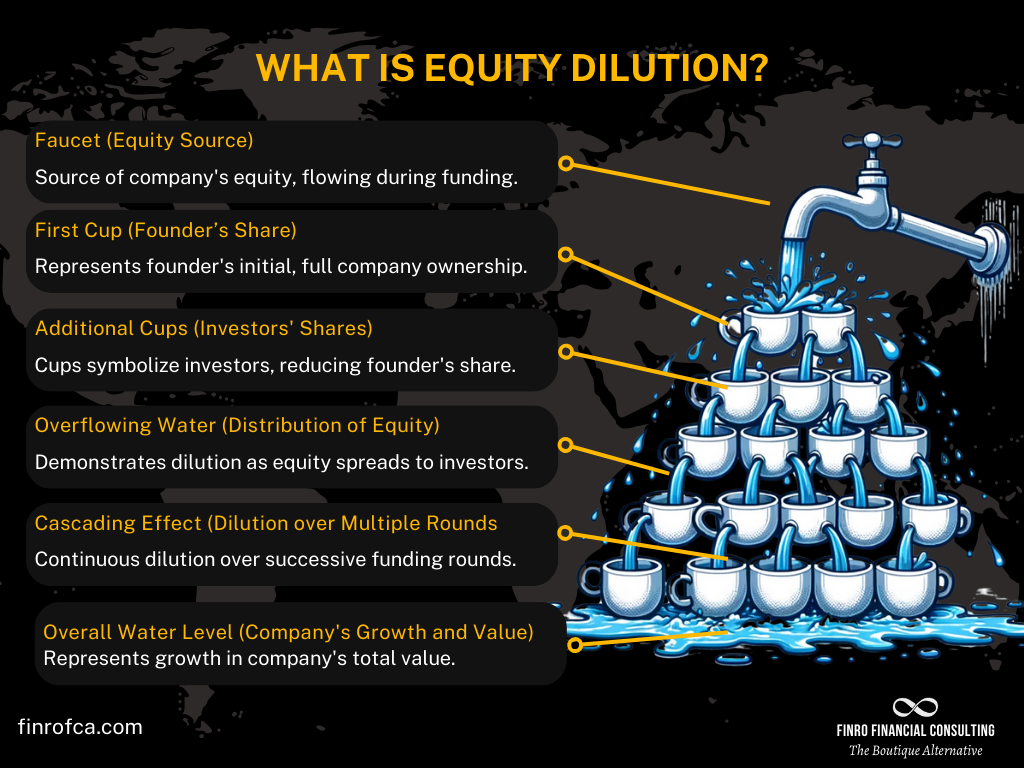
Factors Influencing Equity Distribution in Startups
Determining how much equity to give away in a startup depends on several key factors. These include the stage of the company, the value brought by investors or employees, and the long-term vision of the founders. Below are some critical considerations:
- Stage of the Company: Early-stage startups often give away more equity to attract investors and talent, as they lack significant revenue or traction.
- Investor Contributions: Angel investors or venture capitalists typically receive equity based on the amount of funding they provide and the perceived risk.
- Employee Roles: Key hires, such as co-founders or executives, may receive larger equity stakes to align their interests with the company's success.
Common Equity Allocation Models
Startups often follow specific models to allocate equity fairly and strategically. These models help balance the interests of founders, investors, and employees. Here are some widely used approaches:
- Founder Equity: Founders typically retain 50-70% of equity initially, depending on the number of co-founders and their contributions.
- Employee Stock Options: A pool of 10-20% is often reserved for employees, incentivizing them to contribute to the company's growth.
- Investor Shares: Investors may receive 10-30% of equity, depending on the funding round and valuation.
Risks of Over-Diluting Equity
Giving away too much equity early on can have long-term consequences for founders and the company. Over-dilution can reduce control and financial rewards for the founding team. Key risks include:
- Loss of Control: Excessive equity distribution can lead to founders losing decision-making power.
- Reduced Motivation: Founders may feel less incentivized if their ownership stake becomes too small.
- Future Funding Challenges: Over-dilution can make it harder to attract investors in later rounds, as they may perceive limited upside.
Equity for Advisors and Mentors
Advisors and mentors can provide valuable guidance to startups, but their equity stakes should be carefully considered. Here’s how to approach this:
- Advisor Equity: Typically ranges from 0.25% to 2%, depending on their level of involvement and expertise.
- Vesting Periods: Equity for advisors often comes with vesting schedules to ensure long-term commitment.
- Clear Agreements: Define roles and expectations in writing to avoid misunderstandings.
Balancing Equity and Cash Compensation
Startups often use a mix of equity and cash to compensate employees and partners. Striking the right balance is crucial for sustainability and motivation. Consider the following:
- Early-Stage Startups: May offer more equity and less cash due to limited resources.
- Later-Stage Startups: Can afford to provide higher cash compensation, reducing the need for large equity grants.
- Role-Specific Adjustments: Critical roles may warrant higher equity stakes, while others may prioritize cash.
Frequently Asked Questions (FAQs)
Is it accurate to value a Techstars-quality idea or prototype at $300,000 based on their equity investment?
When Techstars invests $18,000 for a 6% equity stake, it implies a post-money valuation of $300,000. However, this valuation is not solely based on the idea or prototype itself but also factors in the mentorship, network access, and resources provided by Techstars. While the $300,000 figure can serve as a benchmark, it’s important to note that valuations in early-stage startups are highly subjective and depend on factors like market potential, team experience, and traction.
Does Techstars' investment model reflect the true market value of a startup?
Techstars' investment model is designed to support early-stage startups by providing more than just capital. The $18,000 for 6% equity is part of a broader package that includes accelerator benefits, which are difficult to quantify in monetary terms. While the implied valuation of $300,000 is a useful reference, it may not reflect the true market value of the startup, as valuations at this stage are often influenced by negotiation, perceived potential, and competitive dynamics.
How does Techstars' equity stake compare to other accelerators or seed investors?
Techstars' standard deal of $18,000 for 6% equity is relatively consistent with other top-tier accelerators like Y Combinator and 500 Startups. However, the value proposition extends beyond the monetary investment. Techstars offers mentorship, access to a global network, and demo day exposure, which can significantly enhance a startup’s prospects. When comparing to seed investors, the terms may vary widely, as traditional investors often focus more on financial metrics and traction rather than the accelerator’s intangible benefits.
Should startups consider the $300,000 valuation as a starting point for seed funding negotiations?
The $300,000 valuation implied by Techstars' investment can serve as a baseline for startups when negotiating with other investors. However, it’s crucial to recognize that this figure is context-specific and may not apply universally. Startups should focus on building a strong business case, demonstrating traction, and highlighting their unique value proposition to justify higher valuations. Ultimately, the market and investor sentiment will play a significant role in determining the startup’s worth during seed funding rounds.
Leave a Reply
Our Recommended Articles