
What Are Good Examples of Questions One Should Ask the Interviewer at a Vc Associate Interview

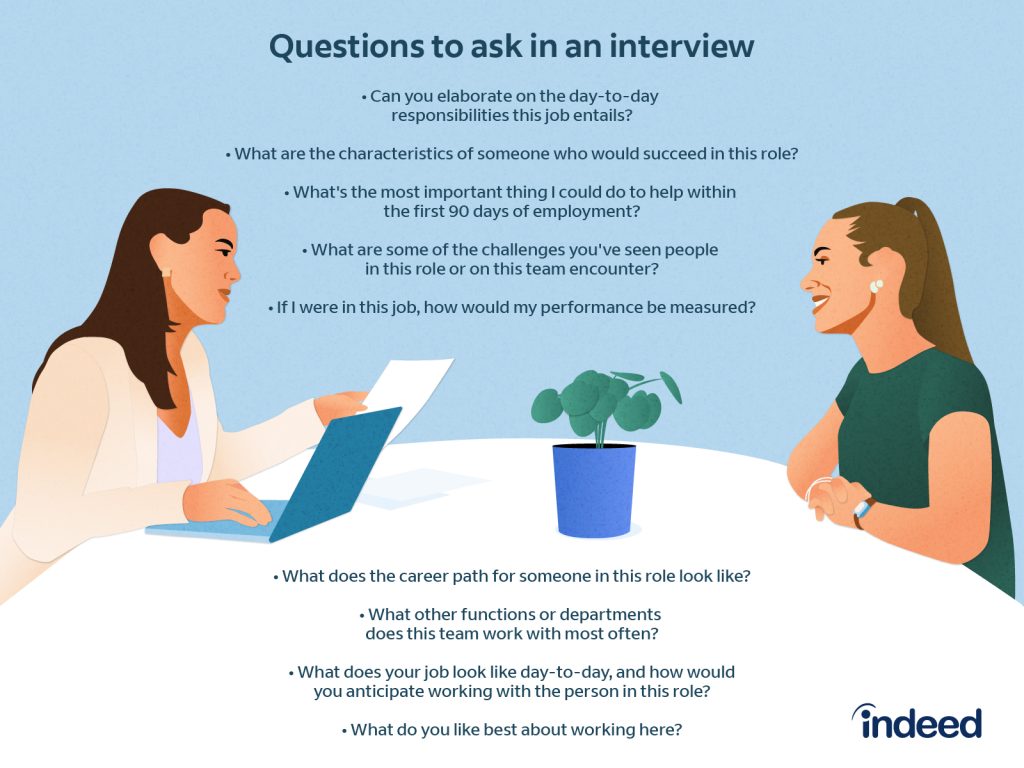
Preparing for a VC associate interview requires not only showcasing your skills and experience but also demonstrating curiosity and strategic thinking. One effective way to stand out is by asking insightful questions that reflect your understanding of the venture capital industry and the firm’s operations. Thoughtful questions can highlight your analytical mindset, genuine interest, and ability to think critically about investments and partnerships. This article explores examples of strong questions to ask during a VC associate interview, helping you engage meaningfully with the interviewer, gain valuable insights, and leave a lasting impression as a proactive and informed candidate.
-
What Are Good Examples of Questions One Should Ask the Interviewer at a VC Associate Interview?
- 1. What Does a Typical Day Look Like for a VC Associate at Your Firm?
- 2. How Does Your Firm Approach Investment Decisions?
- 3. What Kind of Support and Mentorship Can I Expect as a VC Associate?
- 4. How Does Your Firm Differentiate Itself from Other VC Firms?
- 5. What Are the Opportunities for Career Growth Within the Firm?
-
What questions should I ask my VP in an interview?
- What are the key priorities for the VP in the next 6-12 months?
- How does the VP measure success for their team or department?
- What is the VP's leadership style and approach to team management?
- What are the VP's views on industry trends and challenges?
- How does the VP approach decision-making and problem-solving?
- What does a VC want to hear?
- What is the first round interview for VC?
- Frequently Asked Questions by our Community
What Are Good Examples of Questions One Should Ask the Interviewer at a VC Associate Interview?
Asking thoughtful questions during a VC Associate interview not only demonstrates your interest in the role but also helps you assess whether the firm aligns with your career goals. Below are some key areas to explore through your questions.
See Also Who Came Up With the Startup Investing J Curve?
1. What Does a Typical Day Look Like for a VC Associate at Your Firm?
Understanding the daily responsibilities of a VC Associate can help you gauge if the role matches your expectations. This question shows your interest in the practical aspects of the job and helps you understand the balance between tasks like deal sourcing, due diligence, and portfolio management.
| Aspect | Details |
|---|---|
| Deal Sourcing | How much time is spent identifying potential investments? |
| Due Diligence | What is the process for evaluating startups? |
| Portfolio Management | How involved are Associates in supporting portfolio companies? |
2. How Does Your Firm Approach Investment Decisions?
This question helps you understand the firm’s decision-making process and whether it aligns with your values. It also shows that you are interested in the strategic side of venture capital.
See Also Who Are the Most Active Vcs in Dallas, Texas?
| Factor | Details |
|---|---|
| Team Involvement | Who is involved in the final decision-making process? |
| Criteria | What are the key factors considered when evaluating startups? |
| Risk Tolerance | How does the firm balance risk and reward? |
3. What Kind of Support and Mentorship Can I Expect as a VC Associate?
Mentorship and professional development are crucial in a VC role. This question highlights your desire to grow and learn within the firm.
| Support Type | Details |
|---|---|
| Mentorship | Are there formal mentorship programs? |
| Training | What resources are available for skill development? |
| Feedback | How often do Associates receive performance feedback? |
4. How Does Your Firm Differentiate Itself from Other VC Firms?
This question allows you to understand the firm’s unique value proposition and competitive edge. It also shows that you are thinking critically about the industry landscape.
See Also Are Cfa Programs Useful to Aspiring Vcs What Percentage of Their Curriculum Intersects With Venture Capital Body of Knowledge Vcbok My Term
| Differentiator | Details |
|---|---|
| Investment Focus | Does the firm specialize in specific industries or stages? |
| Culture | What makes the firm’s culture unique? |
| Track Record | What are some notable successes or exits? |
5. What Are the Opportunities for Career Growth Within the Firm?
Asking about career progression demonstrates your long-term interest in the firm and helps you understand if there is a clear path for advancement.
| Opportunity | Details |
|---|---|
| Promotions | How are promotions typically handled? |
| Leadership Roles | Are there opportunities to take on leadership positions? |
| Networking | Does the firm provide access to industry events and connections? |
What questions should I ask my VP in an interview?

What are the key priorities for the VP in the next 6-12 months?
Understanding the VP's immediate goals and priorities can help you align your work with their vision. Consider asking:
- What are the top three objectives you are focusing on this year?
- How do you see our team contributing to these priorities?
- Are there any specific challenges you anticipate in achieving these goals?
How does the VP measure success for their team or department?
This question helps you understand the VP's expectations and how they evaluate performance. You might ask:
- What metrics or KPIs do you use to measure success?
- How do you balance short-term results with long-term growth?
- What role does innovation play in achieving success?
What is the VP's leadership style and approach to team management?
Knowing how the VP leads can help you adapt to their management style. Consider asking:
- How would you describe your leadership style?
- How do you foster collaboration and communication within the team?
- What do you expect from your direct reports in terms of decision-making?
What are the VP's views on industry trends and challenges?
This question shows your interest in the broader industry and the VP's perspective. You could ask:
- What do you see as the biggest challenges facing our industry today?
- How is our company positioning itself to stay ahead of competitors?
- What emerging trends do you believe will impact our business in the next 5 years?
How does the VP approach decision-making and problem-solving?
Understanding their decision-making process can help you navigate complex situations. Ask:
- What is your process for making critical decisions?
- How do you handle conflicting opinions within the team?
- What role does data play in your problem-solving approach?
What does a VC want to hear?

What Problem Are You Solving?
Venture capitalists (VCs) want to hear about the specific problem your product or service addresses. They are interested in understanding the pain points of your target market and how your solution effectively resolves them. A clear explanation of the problem demonstrates market awareness and the potential for scalability.
- Identify the problem: Clearly define the issue your target audience faces.
- Market size: Highlight the scale of the problem and the number of people affected.
- Unique solution: Explain how your product or service uniquely solves this problem.
What Is Your Market Opportunity?
VCs are keen to understand the market opportunity your business is targeting. They want to see evidence of a large and growing market that can support significant returns on their investment. A well-defined market opportunity shows potential for long-term growth and profitability.
- Total Addressable Market (TAM): Provide data on the overall market size.
- Serviceable Available Market (SAM): Narrow it down to the portion of the market you can realistically capture.
- Growth potential: Highlight trends or factors that indicate market expansion.
What Is Your Competitive Advantage?
VCs want to know what sets your business apart from competitors. They are looking for a sustainable competitive advantage that ensures your company can maintain its position in the market and fend off competition.
- Unique Value Proposition (UVP): Explain what makes your product or service unique.
- Barriers to entry: Describe any intellectual property, technology, or partnerships that protect your business.
- Customer loyalty: Highlight metrics like retention rates or repeat purchases.
What Is Your Business Model?
VCs need to understand how your business generates revenue. A clear and scalable business model is critical to demonstrating how your company will achieve profitability and provide a return on investment.
- Revenue streams: Detail how your business makes money (e.g., subscriptions, ads, sales).
- Pricing strategy: Explain your pricing model and how it aligns with market expectations.
- Scalability: Show how your model can grow without proportional increases in costs.
What Is Your Traction So Far?
VCs want to see evidence of traction to validate that your business is gaining momentum. Traction can come in the form of sales, user growth, partnerships, or other measurable achievements.
- Key metrics: Share data like revenue, customer acquisition, or user engagement.
- Milestones achieved: Highlight significant accomplishments, such as product launches or funding rounds.
- Customer feedback: Provide testimonials or case studies that demonstrate market validation.
What is the first round interview for VC?

What is the Purpose of the First Round VC Interview?
The first round interview for a venture capital (VC) position is designed to assess the candidate's fit for the role and the firm. It typically focuses on evaluating the candidate's background, skills, and motivation for working in venture capital. The interviewer aims to understand the candidate's industry knowledge, analytical abilities, and cultural alignment with the firm.
- Assess fit: Determine if the candidate aligns with the firm's values and culture.
- Evaluate skills: Test the candidate's analytical, communication, and problem-solving abilities.
- Understand motivation: Gauge the candidate's passion and interest in venture capital.
What Types of Questions Are Asked in the First Round VC Interview?
In the first round VC interview, candidates can expect a mix of behavioral, technical, and industry-specific questions. These questions are designed to test the candidate's knowledge of the venture capital landscape, their ability to analyze startups, and their problem-solving skills.
- Behavioral questions: Why do you want to work in venture capital?
- Technical questions: How would you evaluate a startup's financial model?
- Industry-specific questions: What trends do you see in the SaaS industry?
How to Prepare for a First Round VC Interview?
Preparation for a first round VC interview involves researching the firm, understanding the industry, and practicing common interview questions. Candidates should also be ready to discuss their background, investment thesis, and relevant experiences.
- Research the firm: Understand the firm's portfolio, investment focus, and culture.
- Study the industry: Stay updated on market trends, emerging technologies, and competitive landscapes.
- Practice questions: Prepare answers for behavioral, technical, and case study questions.
What Are Common Mistakes to Avoid in a First Round VC Interview?
Candidates often make mistakes such as lack of preparation, poor communication, and misalignment with the firm's focus. Avoiding these pitfalls is crucial to making a strong impression during the first round interview.
- Lack of preparation: Failing to research the firm or industry.
- Poor communication: Inability to articulate thoughts clearly and concisely.
- Misalignment: Not demonstrating a clear understanding of the firm's investment strategy.
What Happens After the First Round VC Interview?
After the first round VC interview, candidates may be invited for additional rounds or case studies. The firm will evaluate the candidate's performance and decide whether they are a good fit for the next stage of the hiring process.
- Additional rounds: Second or third interviews with senior team members.
- Case studies: Practical assessments to test analytical and decision-making skills.
- Feedback: Candidates may receive feedback or be informed of the next steps.
Frequently Asked Questions by our Community
What types of questions demonstrate my understanding of the VC industry?
Asking about the investment thesis of the firm or how they evaluate market opportunities shows that you have a solid grasp of the venture capital landscape. For example, you could inquire about the firm's focus on specific industries, such as fintech or healthtech, and how they identify emerging trends. Additionally, asking about their approach to portfolio construction or how they balance risk across investments demonstrates your understanding of the strategic aspects of VC.
How can I show interest in the firm's culture and team dynamics?
Questions about the collaborative environment within the firm or how the team works together on deal sourcing and due diligence can highlight your interest in fitting into their culture. You might ask about the firm's approach to mentorship or how they foster professional growth among associates. This not only shows your curiosity about the team but also your desire to contribute meaningfully to their work culture.
What questions can I ask to understand the firm's decision-making process?
Inquiring about how the firm makes investment decisions or the role of associates in the deal evaluation process can provide insight into their workflow. For instance, you could ask about the criteria they use to prioritize deals or how they handle disagreements among partners. This type of question demonstrates your interest in the operational side of the firm and your ability to think critically about their processes.
How can I ask about the firm's long-term vision and growth strategy?
Questions about the firm's future goals or how they plan to adapt to changes in the venture capital ecosystem can showcase your forward-thinking mindset. You might ask about their plans for expanding into new markets or how they stay competitive in a rapidly evolving industry. This not only reflects your interest in the firm's strategic direction but also your ability to think about long-term growth and sustainability.
Leave a Reply
Our Recommended Articles