
What Are Some Good Questions That a Founder Should Ask a Vc Firm or an Angel Investor


When seeking funding for a startup, founders must approach venture capital (VC) firms or angel investors with a clear strategy and a set of thoughtful questions. These inquiries not only demonstrate preparedness but also help founders assess whether the investor aligns with their vision and goals. Asking the right questions can reveal crucial insights into the investor’s expertise, expectations, and long-term commitment. From understanding their investment thesis to evaluating their involvement in decision-making, founders must ensure a mutually beneficial partnership. This article explores key questions founders should ask to make informed decisions and foster successful collaborations with potential investors.
- What Are Some Good Questions That a Founder Should Ask a VC Firm or an Angel Investor?
- What questions to ask as an angel investor?
- What questions to ask a founder?
- What are 5 questions you should ask when investing?
- What should the entrepreneur ask the venture capitalist?
- Frequently Asked Questions (FAQs)
What Are Some Good Questions That a Founder Should Ask a VC Firm or an Angel Investor?
When engaging with a VC firm or an angel investor, founders must ask the right questions to ensure alignment and mutual understanding. These questions help clarify expectations, assess the investor's value beyond capital, and determine if the partnership is a good fit for the startup's long-term goals.
See AlsoWhat is Considered a Good Roi in Vc?1. What Is Your Investment Philosophy?
Understanding the investment philosophy of a VC firm or angel investor is crucial. This question helps founders gauge whether the investor aligns with their vision and growth strategy. For example, some investors focus on early-stage startups, while others prefer scaling businesses. Knowing this can prevent mismatched expectations.
| Aspect | Details |
|---|---|
| Focus Area | Early-stage, growth-stage, or late-stage investments |
| Risk Tolerance | High-risk, high-reward vs. conservative investments |
| Industry Preference | Tech, healthcare, consumer goods, etc. |
2. How Do You Typically Support Your Portfolio Companies?
Beyond funding, investors often provide strategic support, mentorship, and networking opportunities. This question helps founders understand the value-add the investor brings. For instance, some investors have strong connections in specific industries, while others offer hands-on operational guidance.
See Also Is There a Broker for Venture Capitalist?
| Type of Support | Examples |
|---|---|
| Mentorship | Guidance on scaling, hiring, or product development |
| Networking | Introductions to potential partners or customers |
| Operational Help | Assistance with financial planning or marketing strategies |
3. What Is Your Decision-Making Process for Investments?
This question sheds light on the timeline and criteria the investor uses to make decisions. Some investors make quick decisions, while others have a lengthy due diligence process. Knowing this helps founders manage their expectations and plan accordingly.
| Step | Details |
|---|---|
| Initial Review | How long does it take to review the pitch deck? |
| Due Diligence | What documents or metrics are required? |
| Final Decision | Who is involved in the approval process? |
4. What Are Your Expectations for Communication and Reporting?
Investors often require regular updates on the startup's progress. This question helps founders understand the frequency and format of reporting expected. Clear communication expectations prevent misunderstandings and ensure a smooth relationship.
See Also Can a 16 Year Old Get Backed by a Venture Capitalist?
| Expectation | Details |
|---|---|
| Frequency | Weekly, monthly, or quarterly updates |
| Format | Written reports, calls, or in-person meetings |
| Key Metrics | Revenue, user growth, or other KPIs |
5. How Do You Handle Conflicts or Challenges with Portfolio Companies?
Conflicts can arise in any business relationship. This question helps founders understand how the investor approaches problem-solving and conflict resolution. A transparent and collaborative approach is often a good sign of a healthy partnership.
| Conflict Type | Resolution Approach |
|---|---|
| Strategic Disagreements | Open discussions and compromise |
| Performance Issues | Supportive interventions or restructuring |
| Exit Strategy Conflicts | Alignment on timelines and methods |
What questions to ask as an angel investor?
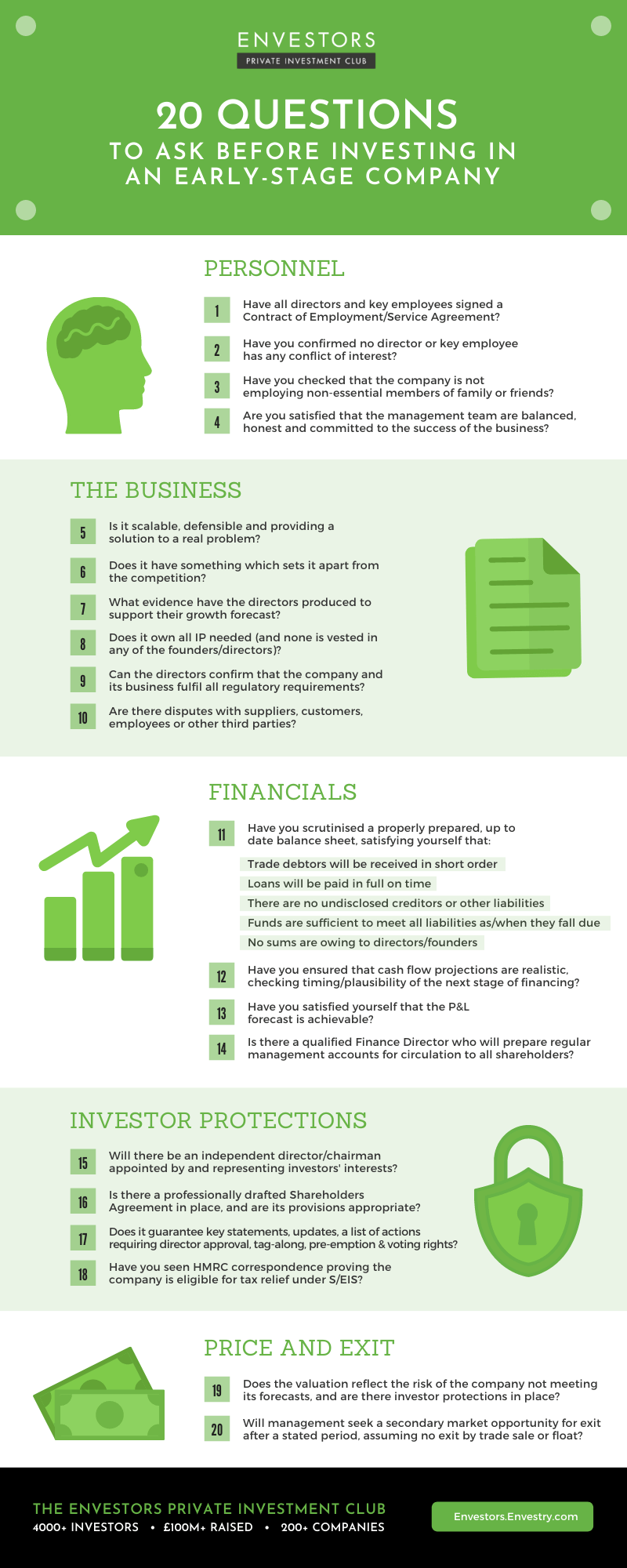
What is the Business Model?
Understanding the business model is crucial for an angel investor. It helps in assessing how the company plans to generate revenue and sustain itself in the long term. Key questions to ask include:
- How does the company plan to make money? This question helps in understanding the revenue streams.
- What is the pricing strategy? This will give insights into how the company positions itself in the market.
- Who are the target customers? Knowing the customer base helps in evaluating the market potential.
What is the Market Opportunity?
Assessing the market opportunity is essential to determine the potential for growth and scalability. Important questions to consider are:
- What is the size of the target market? This helps in understanding the potential reach of the product or service.
- What are the current market trends? This provides insights into whether the market is growing, stable, or declining.
- Who are the main competitors? Understanding the competitive landscape is crucial for assessing the company's position.
What is the Team's Background and Experience?
The team behind the startup is often a critical factor in its success. Key questions to ask about the team include:
- What is the experience of the founding team? This helps in assessing whether the team has the necessary skills and expertise.
- Have they worked together before? Team cohesion can be a significant factor in the startup's success.
- What are their roles and responsibilities? Understanding the division of labor can provide insights into the team's dynamics.
What is the Financial Projection?
Financial projections are vital for understanding the startup's future performance. Important questions to ask include:
- What are the revenue projections for the next 3-5 years? This helps in assessing the growth potential.
- What are the key assumptions behind these projections? Understanding the assumptions can provide insights into the realism of the projections.
- What are the major expenses? This helps in understanding the cost structure and potential profitability.
What is the Exit Strategy?
An exit strategy is crucial for understanding how the investor will realize returns. Key questions to ask include:
- What is the planned exit strategy? This could be an IPO, acquisition, or another form of exit.
- What is the expected timeline for the exit? This helps in understanding the investment horizon.
- Who are the potential acquirers or partners? Knowing potential exit partners can provide insights into the feasibility of the exit strategy.
What questions to ask a founder?
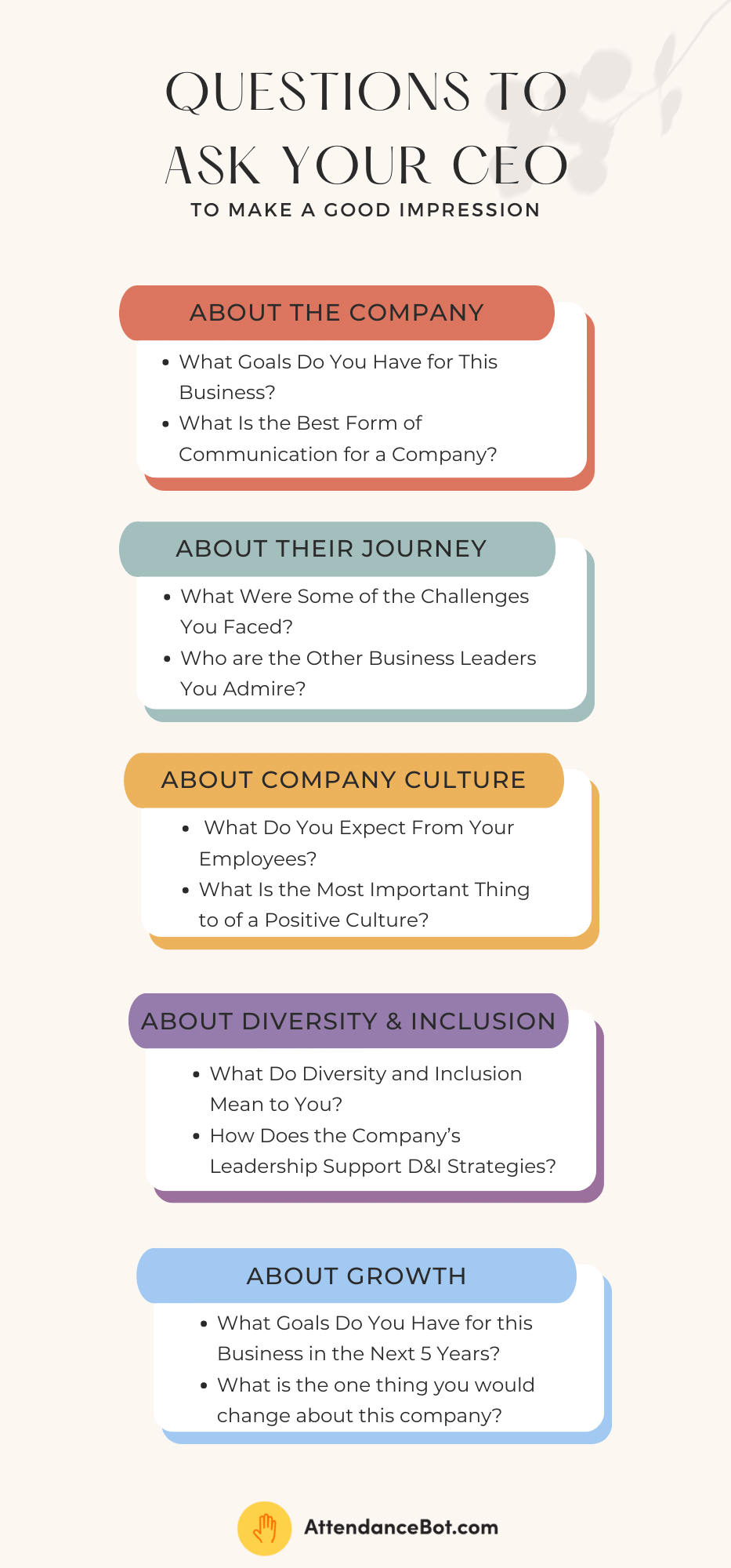
Understanding the Founder's Vision and Mission
When speaking with a founder, it's crucial to understand their vision and mission for the company. This helps in aligning your expectations and understanding the long-term goals. Consider asking:
- What inspired you to start this company?
- What is the core mission of your business?
- How do you see the company evolving in the next 5-10 years?
Exploring the Founder's Background and Experience
Understanding the founder's background and experience can provide insights into their capability to lead and grow the business. Key questions include:
- What is your professional background before starting this company?
- How has your previous experience prepared you for this venture?
- What challenges have you faced in your career, and how have you overcome them?
Assessing the Company's Current Position
To gauge the current state of the company, it's important to ask about its market position, growth, and challenges. Relevant questions are:
- What is the current market position of your company?
- What are the key milestones you have achieved so far?
- What are the biggest challenges your company is facing today?
Understanding the Product or Service
Delving into the specifics of the product or service offered by the company can provide a clearer picture of its value proposition. Consider asking:
- What problem does your product or service solve?
- What makes your product or service unique compared to competitors?
- How do you gather and implement customer feedback?
Discussing Future Plans and Strategies
Understanding the founder's future plans and strategies can help in assessing the potential for growth and innovation. Key questions include:
- What are your short-term and long-term goals for the company?
- What strategies are you implementing to achieve these goals?
- Are there any new products or services in the pipeline?
What are 5 questions you should ask when investing?

What is the Investment Objective?
Understanding the investment objective is crucial before committing any funds. This question helps you align your financial goals with the investment opportunity. Consider the following:
- What is the primary goal of the investment? (e.g., capital growth, income generation, or risk mitigation)
- How does this investment fit into your overall financial plan?
- What is the expected time horizon for achieving the objective?
What are the Risks Involved?
Every investment carries some level of risk. It’s essential to evaluate the potential downsides to make an informed decision. Key points to consider include:
- What are the specific risks associated with this investment? (e.g., market volatility, liquidity risk, or regulatory changes)
- How does the risk level compare to your risk tolerance?
- What measures are in place to mitigate these risks?
What is the Expected Return?
Understanding the expected return helps you assess whether the investment is worth pursuing. Focus on the following:
- What is the historical performance of the investment?
- What factors could influence future returns? (e.g., economic conditions, industry trends)
- How does the return compare to similar investment options?
What are the Costs and Fees?
Investments often come with costs and fees that can impact your overall returns. Be sure to ask:
- What are the upfront costs? (e.g., commissions, management fees)
- Are there ongoing fees? (e.g., maintenance fees, performance fees)
- How do these costs compare to industry standards?
What is the Liquidity of the Investment?
Liquidity refers to how easily you can convert your investment into cash without significant loss. Consider the following:
- How quickly can you access your funds if needed?
- Are there penalties or restrictions for early withdrawal?
- How does the liquidity of this investment align with your financial needs?
What should the entrepreneur ask the venture capitalist?

What is the VC's Investment Strategy?
An entrepreneur should inquire about the venture capitalist's investment strategy to ensure alignment with their business goals. Key questions to ask include:
- Stage of Investment: Does the VC focus on seed, early-stage, or growth-stage companies?
- Industry Focus: What industries or sectors does the VC specialize in?
- Geographic Preference: Does the VC invest locally, nationally, or internationally?
What is the VC's Track Record?
Understanding the VC's track record can provide insights into their experience and success rate. Important questions to consider are:
- Portfolio Companies: Can the VC provide examples of successful companies they have funded?
- Exit Strategy: How many exits (IPOs, acquisitions) has the VC facilitated?
- Failure Rate: What percentage of their investments have failed, and what lessons were learned?
What Level of Involvement Does the VC Expect?
It's crucial to understand the VC's level of involvement in the business to avoid potential conflicts. Key points to discuss include:
- Board Seats: Will the VC require a seat on the board of directors?
- Operational Support: What kind of operational or strategic support does the VC offer?
- Decision-Making: How much influence will the VC have in major business decisions?
What are the Terms of the Investment?
Understanding the terms of the investment is essential to avoid unfavorable conditions. Important questions to ask are:
- Valuation: How is the company being valued, and what is the equity stake being offered?
- Liquidation Preferences: What are the terms regarding payout in the event of a sale or liquidation?
- Vesting Schedule: Are there any vesting schedules for founders or key employees?
What is the VC's Network and Resources?
Leveraging the VC's network and resources can significantly benefit the entrepreneur. Key areas to explore include:
- Industry Connections: Does the VC have strong connections within the industry that can help with partnerships or customer acquisition?
- Mentorship: Can the VC provide access to experienced mentors or advisors?
- Additional Funding: Is the VC willing to assist in securing follow-on funding rounds?
Frequently Asked Questions (FAQs)
What should a founder ask about the VC firm's or angel investor's track record?
When engaging with a VC firm or angel investor, it's crucial to understand their track record. Ask about their previous investments, particularly in your industry or sector. Inquire about their success stories and any notable failures. This information will help you gauge their expertise and whether they have a history of supporting companies through similar growth stages. Additionally, understanding their investment philosophy and how they handle challenges can provide insight into how they might support your venture.
How does the VC firm or angel investor add value beyond funding?
Beyond the financial investment, it's important to know how the VC firm or angel investor can contribute to your company's growth. Ask about their involvement in strategic decision-making, their network, and any resources they provide, such as mentorship, industry connections, or operational support. A good investor should offer more than just capital; they should be a partner who can help navigate challenges and open doors to new opportunities.
What is the typical investment timeline and exit strategy?
Understanding the investment timeline and exit strategy is essential for aligning expectations. Ask the VC firm or angel investor about their typical investment horizon and how they envision exiting the investment. This could include details about their preferred exit routes, such as IPOs, acquisitions, or secondary sales. Knowing their expectations can help you plan your company's growth trajectory and ensure that both parties are aligned on long-term goals.
What are the terms and conditions of the investment?
It's critical to discuss the terms and conditions of the investment upfront. Ask about the valuation of your company, the equity stake they expect, and any control provisions they might require, such as board seats or veto rights. Additionally, inquire about any milestones or performance metrics tied to the funding. Understanding these details will help you assess the impact of the investment on your company's governance and ensure that the terms are fair and conducive to your growth objectives.
Leave a Reply
Our Recommended Articles