
What Are the Best Newsletters Related to Venture Capital?

Venture capital is a dynamic and fast-paced industry, where staying informed is crucial for success. With the constant flow of new startups, funding rounds, and market trends, professionals and enthusiasts alike need reliable sources of information. Newsletters have become an essential tool for keeping up with the latest developments, offering curated insights, expert analysis, and actionable intelligence. Whether you're an investor, founder, or simply curious about the startup ecosystem, finding the right newsletter can make all the difference. This article explores some of the best newsletters related to venture capital, helping you stay ahead in this competitive and ever-evolving field.
Venture capital newsletters are an excellent resource for staying updated on the latest trends, investments, and insights in the startup and venture capital ecosystem. These newsletters often provide curated content, including funding rounds, industry analysis, and expert opinions, making them invaluable for investors, entrepreneurs, and enthusiasts alike. Below, we explore some of the best newsletters in this space.
See AlsoWhat Types of Insurance Should a Saas Startup Have at Various Revenue Levels?The Information offers a premium newsletter that dives deep into the world of venture capital. It provides exclusive insights into funding rounds, startup valuations, and emerging trends. Subscribers gain access to in-depth articles and analysis that are not available elsewhere. This newsletter is ideal for those looking for high-quality, exclusive content in the venture capital space.
CB Insights is renowned for its data-driven approach to venture capital and startup analysis. Their newsletter delivers comprehensive reports on market trends, investment patterns, and emerging technologies. It also includes interactive charts and graphs, making complex data easy to understand. This is a must-read for anyone who values data-backed insights.
See Also What is the Hierarchy Like at a Venture Capital Firm and How Long Does It Take to Reach Each Level
3. StrictlyVC
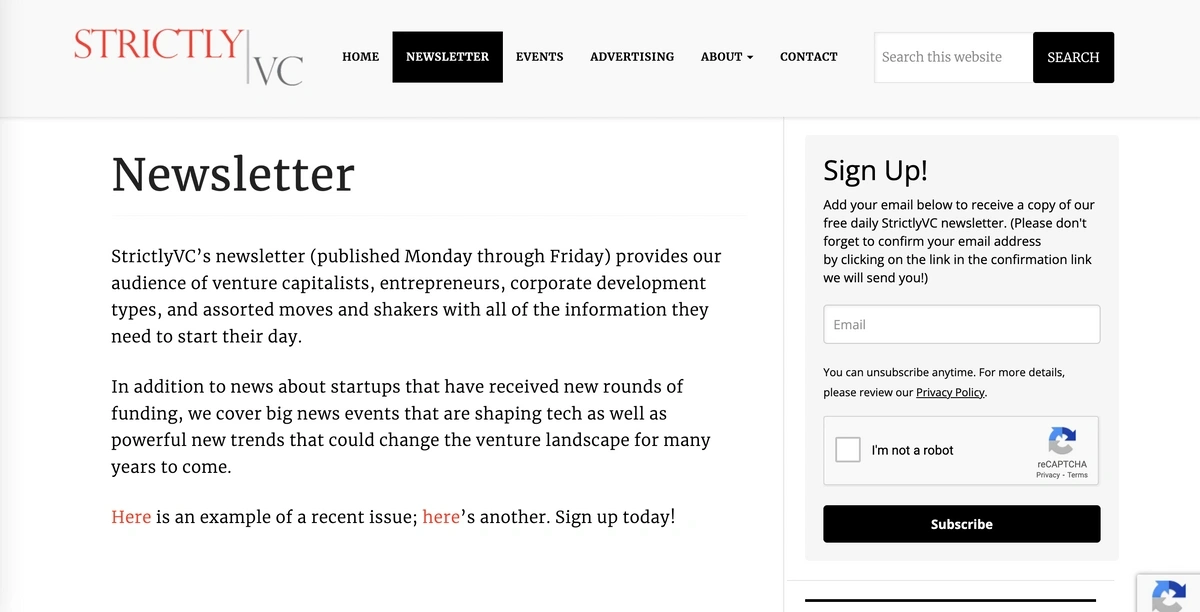
StrictlyVC is a daily newsletter that covers the latest happenings in the venture capital world. It includes updates on funding rounds, acquisitions, and IPOs, along with interviews with prominent investors and entrepreneurs. Its concise format makes it perfect for busy professionals who want to stay informed without spending too much time.
4. Term Sheet by Fortune
Term Sheet is a widely-read newsletter that provides a daily roundup of venture capital deals, mergers, and acquisitions. It also features commentary on the broader financial landscape and its impact on startups. Known for its timely updates and expert analysis, Term Sheet is a favorite among venture capitalists and entrepreneurs.
See Also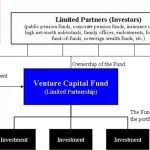 Whats a Better Way to Structure a Vc Fund Evergreen or Regular Vc
PitchBook's newsletter offers a mix of data-driven insights and industry news. It covers everything from early-stage investments to late-stage funding rounds, providing a holistic view of the venture capital ecosystem. The newsletter also includes exclusive research and market analysis, making it a valuable resource for investors.
| Newsletter | Key Features | Target Audience |
|---|---|---|
| The Information | Exclusive insights, in-depth analysis | Investors, Entrepreneurs |
| CB Insights | Data-driven reports, market trends | Analysts, Investors |
| StrictlyVC | Daily updates, interviews | Busy Professionals |
| Term Sheet | Deals, mergers, acquisitions | VCs, Entrepreneurs |
| PitchBook | Research, market analysis | Investors, Analysts |
What is the 100 10 1 rule in venture capital?

What is the 100 10 1 Rule in Venture Capital?
The 100 10 1 rule is a principle used by venture capitalists to manage their investment pipeline and decision-making process. It suggests that for every 100 investment opportunities reviewed, a venture capitalist will typically seriously consider 10, and ultimately invest in just 1. This rule helps investors focus on the most promising startups while managing risk and resource allocation effectively.
Why is the 100 10 1 Rule Important in Venture Capital?
The 100 10 1 rule is crucial because it provides a structured framework for venture capitalists to navigate the high-risk, high-reward nature of startup investments. Here’s why it matters:
- Efficient Resource Allocation: It ensures that time and capital are spent on the most viable opportunities.
- Risk Management: By narrowing down from 100 to 1, investors minimize exposure to potential failures.
- Focus on Quality: It encourages thorough due diligence, leading to better investment decisions.
How Does the 100 10 1 Rule Work in Practice?
In practice, the 100 10 1 rule involves a multi-step process to evaluate and select startups. Here’s how it typically works:
- Initial Screening: Review 100 startups based on pitch decks, market potential, and team credentials.
- Shortlisting: Narrow down to 10 startups for deeper analysis, including market research and financial projections.
- Final Decision: Conduct extensive due diligence on the top 10 and invest in the most promising 1.
What Are the Benefits of the 100 10 1 Rule for Investors?
The 100 10 1 rule offers several advantages to venture capitalists, including:
- Improved Decision-Making: A systematic approach reduces biases and enhances the quality of investments.
- Scalability: It allows investors to handle a large volume of opportunities without compromising on quality.
- Higher Success Rates: By focusing on the best opportunities, the likelihood of backing successful startups increases.
What Are the Challenges of Implementing the 100 10 1 Rule?
While the 100 10 1 rule is effective, it comes with its own set of challenges:
- Time-Consuming: Evaluating 100 startups requires significant time and effort.
- Subjectivity: The selection process can be influenced by personal biases or incomplete information.
- Missed Opportunities: Rigid adherence to the rule might lead to overlooking potentially successful startups that don’t fit the initial criteria.
What is the most prestigious VC firm?
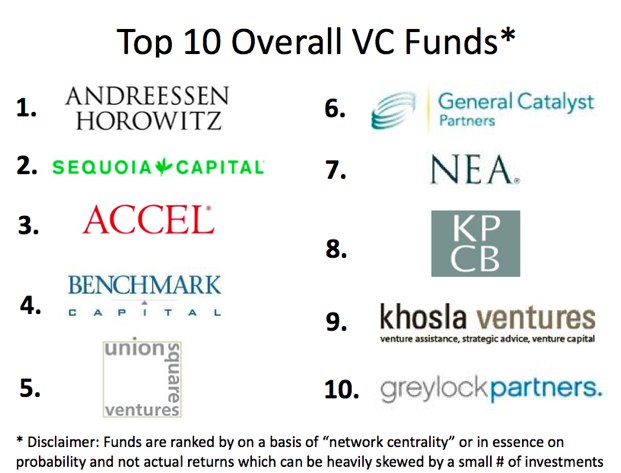
What Defines a Prestigious VC Firm?
A prestigious venture capital (VC) firm is typically defined by its track record of successful investments, the caliber of its portfolio companies, and its influence in the startup ecosystem. These firms often have a reputation for identifying and nurturing high-growth startups, leading to significant returns on investment. Key factors include:
- Historical Performance: Consistently high returns on investments over multiple funding cycles.
- Brand Recognition: A strong reputation among entrepreneurs, investors, and industry leaders.
- Network and Resources: Access to a vast network of industry experts, mentors, and follow-on funding sources.
Top Contenders for the Most Prestigious VC Firm
Several VC firms are often cited as the most prestigious due to their influence and success. These include:
- Sequoia Capital: Known for early investments in companies like Apple, Google, and Airbnb.
- Andreessen Horowitz (a16z): Renowned for its investments in tech giants like Facebook, Twitter, and GitHub.
- Accel: Famous for backing companies such as Slack, Dropbox, and Spotify.
Why Sequoia Capital Stands Out
Sequoia Capital is often regarded as the most prestigious VC firm due to its unparalleled track record and global influence. Key reasons include:
- Early-Stage Success: Consistently identifies and invests in startups during their formative stages.
- Global Presence: Operates in major tech hubs like Silicon Valley, China, and India.
- Long-Term Vision: Focuses on building companies that endure and dominate their industries.
The Role of Andreessen Horowitz in Shaping Tech
Andreessen Horowitz (a16z) has earned its prestige by not only investing in groundbreaking companies but also by actively shaping the tech ecosystem. Highlights include:
- Thought Leadership: Publishes influential research and hosts events that drive industry trends.
- Diverse Portfolio: Invests across sectors like fintech, crypto, and biotech.
- Operational Support: Provides extensive resources to help portfolio companies scale.
Accel's Impact on the Startup Ecosystem
Accel has cemented its reputation by backing some of the most transformative companies in recent decades. Its prestige is attributed to:
- Early Investments: Often the first institutional investor in high-growth startups.
- Global Reach: Strong presence in both the U.S. and international markets.
- Entrepreneurial Focus: Prioritizes founder-friendly terms and long-term partnerships.
What is the best way to reach out to a VC?
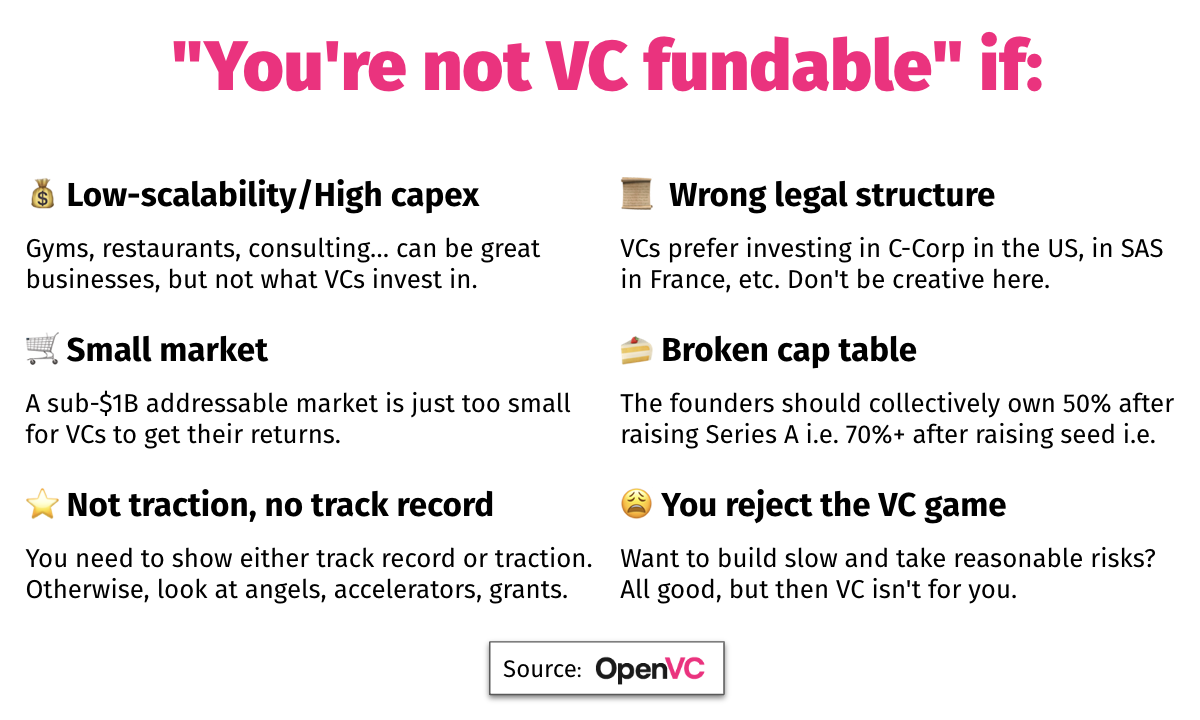
Research the Right VC Firm
Before reaching out to a venture capital (VC) firm, it is crucial to identify the ones that align with your startup's industry, stage, and vision. Conduct thorough research to ensure your business fits their investment thesis. Here’s how:
- Review their portfolio to see if they invest in similar companies.
- Check their investment stage (seed, Series A, etc.) to ensure compatibility.
- Look for shared values or focus areas, such as sustainability or technology.
Leverage Warm Introductions
A warm introduction from a mutual connection significantly increases your chances of getting noticed. VCs often prioritize referrals from trusted sources. Follow these steps:
- Identify mutual connections on LinkedIn or through your network.
- Ask your contact to introduce you via email or in person.
- Provide your contact with a brief pitch to make the introduction smoother.
Craft a Compelling Cold Email
If a warm introduction isn’t possible, a well-crafted cold email can still grab a VC’s attention. Keep it concise, professional, and impactful. Here’s what to include:
- Start with a strong subject line that highlights your unique value proposition.
- Introduce your startup and its mission in the first sentence.
- Include key metrics or achievements to demonstrate traction.
Prepare a Clear and Concise Pitch Deck
A pitch deck is essential for presenting your startup’s story and potential. It should be visually appealing and easy to understand. Focus on these elements:
- Start with the problem your product or service solves.
- Highlight your solution and its unique advantages.
- Include financial projections and growth metrics.
Follow Up Strategically
VCs are busy, so a follow-up is often necessary. However, it’s important to be persistent without being pushy. Here’s how to follow up effectively:
- Wait 7-10 days before sending a polite follow-up email.
- Reference your initial message and reiterate your value.
- Offer to provide additional information or schedule a meeting.
Where can I read venture capital news?
Top Websites for Venture Capital News
If you're looking to stay updated on venture capital news, several websites provide comprehensive coverage. Here are some of the best:
- TechCrunch: Offers breaking news on startups, funding rounds, and venture capital trends.
- Crunchbase: A database of companies and investors, with regular updates on funding and acquisitions.
- VentureBeat: Focuses on innovation and venture capital, with in-depth articles and analysis.
Subscribing to newsletters is an excellent way to receive venture capital news directly in your inbox. Consider these options:
- Term Sheet by Fortune: A daily newsletter covering deals, investors, and market trends.
- The Information: Provides exclusive insights into venture capital and tech industries.
- PitchBook News: Delivers data-driven analysis and updates on private markets.
Podcasts Covering Venture Capital
For those who prefer audio content, podcasts are a great way to stay informed about venture capital news. Here are some top picks:
- The Twenty Minute VC: Features interviews with venture capitalists and startup founders.
- Acquired: Explores the stories behind major acquisitions and funding rounds.
- Venture Stories by Village Global: Discusses trends and insights in the venture capital world.
Social media platforms are increasingly becoming a source for real-time venture capital news. Here’s where to look:
- Twitter: Follow venture capitalists, journalists, and firms for instant updates.
- LinkedIn: Join groups and follow pages dedicated to venture capital and startups.
- Reddit: Subreddits like r/venturecapital provide discussions and news links.
Industry Reports and Research Platforms
For in-depth analysis and data-driven insights into venture capital news, these platforms are invaluable:
- CB Insights: Offers reports and market intelligence on venture capital trends.
- PitchBook: Provides detailed data on private market transactions and investors.
- Preqin: Specializes in alternative assets, including venture capital data and research.
Frequently Asked Questions (FAQs)
There are several highly regarded newsletters that provide valuable insights into the venture capital industry. StrictlyVC is a popular choice, offering daily updates on funding rounds, industry trends, and notable investors. Another excellent option is The Information's Venture Capital Newsletter, which delivers in-depth analysis and exclusive stories about startups and venture capital firms. For those interested in global perspectives, CB Insights provides data-driven insights and trends in venture capital worldwide. Lastly, Term Sheet by Fortune is a must-read for its concise yet comprehensive coverage of deals and industry news.
Venture capital newsletters are invaluable resources for both investors and entrepreneurs. For investors, these newsletters provide timely updates on market trends, emerging startups, and investment opportunities, helping them make informed decisions. For entrepreneurs, they offer insights into what venture capitalists are looking for, funding strategies, and success stories that can inspire and guide their own ventures. Additionally, newsletters often highlight networking opportunities and events, enabling both parties to connect and collaborate effectively.
Yes, there are several free newsletters that offer substantial value to their readers. CB Insights provides a free version of their newsletter, which includes key insights and data on venture capital trends. AngelList's Weekly Newsletter is another free resource that covers startup funding, job opportunities, and industry news. Morning Brew's Emerging Tech Brew also offers a free newsletter that touches on venture capital, startups, and technology trends. While free newsletters may not have the depth of paid subscriptions, they are still excellent starting points for staying informed.
When choosing a venture capital newsletter, consider factors such as reliability, depth of analysis, and frequency of updates. A good newsletter should provide accurate and timely information from credible sources. Look for newsletters that offer in-depth analysis rather than just surface-level news, as this will help you gain a deeper understanding of the industry. Additionally, consider the frequency of the newsletter—daily, weekly, or monthly—to ensure it aligns with your information needs. Lastly, check if the newsletter covers topics relevant to your interests, such as early-stage investments, global trends, or specific sectors like tech or healthcare.
Leave a Reply
Our Recommended Articles