
What Are the Top Vc Funds for Societal Impact?


Venture capital (VC) funds focused on societal impact are reshaping the investment landscape by prioritizing both financial returns and positive social or environmental outcomes. These funds target startups and initiatives addressing critical global challenges, such as climate change, healthcare access, education, and economic inequality. As the demand for purpose-driven investments grows, identifying the top VC funds dedicated to societal impact becomes essential for entrepreneurs and investors alike. This article explores leading impact-focused VC funds, their investment strategies, and the transformative projects they support, offering insights into how capital can drive meaningful change while generating sustainable returns.
What Are the Top VC Funds for Societal Impact?
1. What Defines a VC Fund with Societal Impact?
A VC fund with societal impact focuses on investing in companies that aim to generate positive social or environmental change alongside financial returns. These funds prioritize startups addressing global challenges such as climate change, healthcare access, education, and poverty alleviation. Unlike traditional VC funds, they measure success not only by financial metrics but also by their impact metrics, such as carbon reduction or improved quality of life.
See Also What's the Reputation of Dcm Venture Capital?
2. Why Are Societal Impact VC Funds Important?
Societal impact VC funds play a critical role in driving innovation to solve pressing global issues. They provide capital and resources to startups that might otherwise struggle to secure funding due to their focus on long-term societal benefits rather than short-term profits. By supporting these ventures, impact VC funds help create a sustainable and equitable future.
3. What Are the Key Criteria for Evaluating Impact VC Funds?
When evaluating impact VC funds, consider the following criteria:
- Mission Alignment: Does the fund prioritize investments aligned with its stated social or environmental goals?
- Impact Measurement: Does the fund have a robust system for tracking and reporting impact metrics?
- Portfolio Diversity: Does the fund invest in a wide range of sectors and geographies?
- Track Record: What is the fund’s history of successful investments and measurable impact?
- Transparency: Does the fund openly share its impact and financial performance?
 Do Vcs Fund Nonprofits if Not How Else Could They Get Funded From Private Investors
4. Who Are the Leading VC Funds in Societal Impact?
Here are some of the top VC funds known for their focus on societal impact:
| VC Fund | Focus Area | Notable Investments |
|---|---|---|
| Acumen | Poverty Alleviation | d.light, Zola Electric |
| Obvious Ventures | Sustainability | Beyond Meat, Olio |
| Impact Engine | Education & Healthcare | CareMessage, Civis Analytics |
| DBL Partners | Clean Energy | Tesla, SolarCity |
| Village Capital | Inclusive Economy | Esusu, PayJoy |
5. How Do Impact VC Funds Measure Success?
Impact VC funds measure success through a combination of financial performance and impact outcomes. They often use frameworks like the Global Impact Investing Network (GIIN) metrics or the UN Sustainable Development Goals (SDGs) to track progress. For example, a fund might report on the number of jobs created, tons of CO2 reduced, or lives improved through its portfolio companies. This dual focus ensures that the fund delivers both economic and societal value.
See Also What is the Future of Venture Capital?
Social Impact Venture Capital refers to investments made into companies, startups, or projects that aim to generate both financial returns and measurable positive social or environmental impact. Unlike traditional venture capital, which focuses primarily on financial gains, social impact venture capital prioritizes addressing societal challenges such as poverty, climate change, education, and healthcare. Investors in this space seek to align their capital with their values, supporting businesses that contribute to the greater good while still achieving profitability.
See Also What Happened to Benchmark's Website?
Social impact venture capital operates by identifying and funding businesses that have a clear mission to solve social or environmental problems. Here’s how it typically works:
- Identification: Investors seek out companies with innovative solutions to pressing global issues.
- Due Diligence: They evaluate the potential for both financial returns and measurable social impact.
- Funding: Capital is provided to help these businesses scale their operations and achieve their goals.
- Monitoring: Investors track the company’s progress in delivering both financial and social outcomes.
Social impact venture capital is defined by several key characteristics that distinguish it from traditional investment models:
See Also Do Many Venture Capital Firms Sponsor H1 B Visas?
- Dual Objectives: It aims to achieve both financial returns and positive social or environmental impact.
- Measurable Impact: Investments are tied to specific, quantifiable outcomes, such as reducing carbon emissions or improving access to education.
- Long-Term Focus: Investors often take a patient approach, recognizing that solving complex social issues requires time.
Social impact venture capital funds a wide range of industries and initiatives. Some notable examples include:
- Renewable Energy: Companies developing solar, wind, or other clean energy solutions.
- Healthcare: Startups focused on affordable and accessible medical services or innovations.
- Education: Platforms that provide quality education to underserved communities.
While impactful, this investment approach faces several challenges:
- Balancing Returns: Achieving both financial profitability and social impact can be difficult.
- Measurement: Quantifying social impact requires robust frameworks and metrics.
- Scalability: Many social enterprises struggle to scale their solutions effectively.
Who are the Tier 1 VCs?
What Defines a Tier 1 VC?
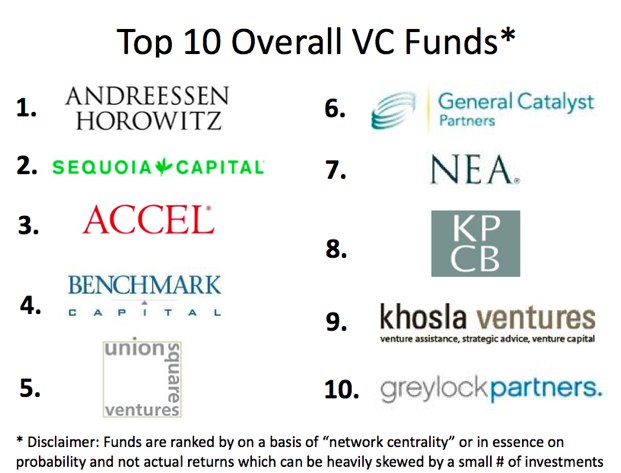
Tier 1 Venture Capital (VC) firms are the most prestigious and influential investors in the startup ecosystem. They are characterized by their ability to consistently identify and fund high-potential startups, often leading to significant exits such as IPOs or acquisitions. These firms typically have:
- Extensive track records of successful investments in unicorn companies.
- Large funds under management, often exceeding billions of dollars.
- Strong networks of industry experts, entrepreneurs, and co-investors.
Top Tier 1 VC Firms Globally
Some of the most renowned Tier 1 VC firms include:
- Sequoia Capital: Known for early investments in Apple, Google, and Airbnb.
- Andreessen Horowitz (a16z): A leader in tech investments, including Facebook and GitHub.
- Accel: Early backers of Facebook, Slack, and Dropbox.
Why Startups Seek Tier 1 VC Funding
Startups often prioritize securing funding from Tier 1 VCs because:
- Credibility: Association with top-tier investors enhances a startup's reputation.
- Access to networks: Tier 1 VCs provide connections to potential partners, customers, and talent.
- Follow-on funding: These firms often lead subsequent funding rounds, ensuring financial stability.
Investment Strategies of Tier 1 VCs
Tier 1 VCs employ unique strategies to maximize returns:
- Early-stage focus: Many invest in seed and Series A rounds to capture high growth potential.
- Sector specialization: Some focus on specific industries like tech, healthcare, or fintech.
- Global reach: They often invest across multiple geographies to diversify risk.
Challenges of Working with Tier 1 VCs
While beneficial, partnering with Tier 1 VCs comes with challenges:
- High expectations: They demand rapid growth and significant returns.
- Equity dilution: Startups may give up substantial ownership stakes.
- Competition: Securing funding from these firms is highly competitive.
What are the major impact funds?

What Are Impact Funds?
Impact funds are investment vehicles designed to generate positive social or environmental impact alongside financial returns. These funds focus on addressing global challenges such as poverty, climate change, and inequality by investing in projects, companies, or initiatives that align with their mission. They are often categorized under the broader umbrella of sustainable investing or ESG (Environmental, Social, and Governance) investing.
- Dual Objectives: Aim to achieve measurable social/environmental impact and financial returns.
- Diverse Sectors: Invest in areas like renewable energy, healthcare, education, and affordable housing.
- Investor Appeal: Attract socially conscious investors, including institutions and individuals.
Types of Major Impact Funds
There are several types of impact funds, each targeting specific areas of need. These include green energy funds, microfinance funds, and social impact bonds. Each type has a unique focus, such as reducing carbon emissions, empowering underserved communities, or improving public services.
- Green Energy Funds: Focus on renewable energy projects like solar and wind power.
- Microfinance Funds: Provide financial services to low-income individuals and small businesses.
- Social Impact Bonds: Fund initiatives that improve social outcomes, with returns tied to success metrics.
Key Players in the Impact Fund Space
Several organizations and institutions are leading the way in impact investing. These include BlackRock, Goldman Sachs, and The Rise Fund. These entities manage billions of dollars in assets and have established themselves as pioneers in the field.
- BlackRock: Offers a range of ESG-focused funds and has committed to sustainable investing.
- Goldman Sachs: Manages the GS Sustainable Impact Fund, targeting underserved markets.
- The Rise Fund: A global fund co-founded by Bono, focusing on measurable social and environmental impact.
Measuring the Impact of These Funds
Impact funds rely on rigorous metrics to evaluate their success. These metrics include Social Return on Investment (SROI), Environmental Impact Assessments, and Key Performance Indicators (KPIs). These tools help investors understand the tangible benefits of their contributions.
- SROI: Quantifies the social value created by an investment.
- Environmental Impact Assessments: Measure the ecological benefits of projects.
- KPIs: Track progress toward specific goals, such as reducing carbon emissions or improving literacy rates.
Challenges Faced by Impact Funds
Despite their potential, impact funds face several challenges. These include measuring impact accurately, balancing financial returns with social goals, and attracting mainstream investors. Overcoming these hurdles is critical for the growth and success of the impact investing sector.
- Impact Measurement: Difficulty in quantifying social and environmental outcomes.
- Financial Returns: Balancing profitability with mission-driven objectives.
- Investor Perception: Convincing traditional investors of the value of impact investing.
What is the most prestigious VC firm?
What Defines a Prestigious VC Firm?
A prestigious venture capital (VC) firm is typically characterized by its track record of successful investments, influential portfolio companies, and its ability to attract top-tier entrepreneurs. These firms often have a strong reputation in the industry, backed by decades of experience and a network of connections that can significantly benefit startups. Key factors include:
- High-profile exits: Successful IPOs or acquisitions of portfolio companies.
- Industry influence: The ability to shape trends and attract follow-on investments.
- Global reach: A presence in major tech hubs worldwide.
Top Contenders for the Most Prestigious VC Firm
Several VC firms are often cited as the most prestigious due to their history, success, and influence. These include:
- Sequoia Capital: Known for early investments in Apple, Google, and Airbnb.
- Andreessen Horowitz (a16z): Renowned for its investments in Facebook, Twitter, and Coinbase.
- Accel: Famous for backing companies like Facebook, Slack, and Dropbox.
Why Sequoia Capital Stands Out
Sequoia Capital is often regarded as the most prestigious VC firm due to its unparalleled track record. Key reasons include:
- Decades of success: Founded in 1972, it has consistently identified and nurtured groundbreaking companies.
- Global presence: Operates in the U.S., China, India, and Southeast Asia.
- Diverse portfolio: Investments span across tech, healthcare, and consumer sectors.
The Role of Andreessen Horowitz in Shaping Tech
Andreessen Horowitz (a16z) has redefined venture capital with its hands-on approach and deep industry expertise. Key highlights include:
- Founder-friendly reputation: Known for supporting entrepreneurs beyond just funding.
- Focus on emerging technologies: Investments in crypto, AI, and biotech.
- Thought leadership: Regularly publishes influential content and hosts industry events.
Accel’s Legacy in Venture Capital
Accel has cemented its place as a top-tier VC firm through its strategic investments and long-term vision. Notable aspects include:
- Early-stage focus: Specializes in identifying startups with high growth potential.
- Global partnerships: Collaborates with other leading firms to maximize impact.
- Proven track record: Backed some of the most successful tech companies in history.
Frequently Asked Questions by our Community
What are the top VC funds focused on societal impact?
Venture capital funds that prioritize societal impact are increasingly gaining attention as investors seek to align financial returns with positive social and environmental outcomes. Some of the top funds in this space include Andreessen Horowitz's a16z Impact Fund, which focuses on technology-driven solutions for global challenges, and Obvious Ventures, known for its world-positive investments in areas like sustainable food, health, and renewable energy. Another notable fund is DBL Partners, which emphasizes investments that generate both financial returns and measurable social or environmental benefits. These funds are leading the way in demonstrating that profitability and purpose can go hand in hand.
How do VC funds measure societal impact?
Measuring societal impact is a critical aspect of impact-focused VC funds. Many funds use frameworks like the United Nations Sustainable Development Goals (SDGs) to align their investments with global priorities. Additionally, metrics such as Environmental, Social, and Governance (ESG) scores, carbon footprint reduction, and social return on investment (SROI) are commonly employed. For example, funds like Bridges Fund Management and Generation Investment Management rigorously track the outcomes of their investments to ensure they are creating tangible positive change. This data-driven approach helps investors and stakeholders understand the real-world impact of their capital.
What industries do societal impact VC funds typically invest in?
Societal impact VC funds often target industries that have the potential to drive significant positive change. These include renewable energy, healthcare innovation, education technology, and sustainable agriculture. For instance, funds like The Rise Fund, co-founded by Bono, focus on sectors such as clean energy and affordable education. Similarly, Village Capital supports startups addressing challenges in areas like financial inclusion and climate resilience. By investing in these industries, impact funds aim to address pressing global issues while generating competitive financial returns.
Can societal impact VC funds deliver competitive financial returns?
Yes, societal impact VC funds can deliver competitive financial returns while achieving their mission-driven goals. Funds like TPG's Rise Fund and L Catterton's Impact Fund have demonstrated that it is possible to balance profitability with purpose. These funds often invest in scalable solutions to global problems, which can lead to significant market opportunities. For example, companies focused on renewable energy or healthtech are not only addressing critical needs but are also positioned for substantial growth. As a result, impact investing is increasingly seen as a viable strategy for investors seeking both financial gains and positive societal outcomes.
Leave a Reply
Our Recommended Articles