
What is the Best Vc Firm to Join as an Eir?

Choosing the right venture capital (VC) firm to join as an Entrepreneur in Residence (EIR) is a critical decision that can shape your career trajectory and entrepreneurial success. As an EIR, you gain access to resources, mentorship, and a network that can help you launch or scale your next venture. However, not all VC firms are created equal. Factors such as the firm’s investment focus, culture, track record, and support for EIRs play a significant role in determining the best fit. This article explores key considerations and highlights top VC firms that stand out for their EIR programs, helping you make an informed choice.
- What is the Best VC Firm to Join as an EIR?
- Who are the Tier 1 VCs?
- What is the role of EIR in venture capital?
- What is the most prestigious VC firm?
- Do eirs get paid?
-
Frequently Asked Questions (FAQs)
- What factors should I consider when choosing the best VC firm to join as an EIR?
- How does the size of a VC firm impact my experience as an EIR?
- What role does the VC firm's network play in my success as an EIR?
- Can I transition from being an EIR to launching my own startup with the VC firm's support?
What is the Best VC Firm to Join as an EIR?
Understanding the Role of an EIR in a VC Firm
An Entrepreneur-in-Residence (EIR) is a unique position within a venture capital (VC) firm where experienced entrepreneurs or executives work closely with the firm to identify, evaluate, and sometimes even build new startups. The role is highly collaborative, offering the EIR access to the firm’s resources, network, and expertise while allowing them to explore new business ideas or refine existing ones. The best VC firms for EIRs are those that provide a supportive environment, mentorship, and opportunities to transition into founding or leading a portfolio company.
See Also What Are the Top Tier Vc Firms for Enterprise Saas?
Key Factors to Consider When Choosing a VC Firm as an EIR
When selecting a VC firm to join as an EIR, consider the following factors:
- Reputation and Track Record: Look for firms with a history of successful investments and a strong reputation in the industry.
- Network and Resources: A firm with a vast network of mentors, advisors, and industry experts can significantly enhance your experience.
- Alignment with Your Interests: Choose a firm that invests in sectors or industries where you have expertise or interest.
- Support for EIRs: Some firms have structured EIR programs with clear pathways to founding or leading a startup.
- Cultural Fit: Ensure the firm’s culture aligns with your working style and values.
Top VC Firms Known for Their EIR Programs
Several VC firms are renowned for their EIR programs and supportive environments. Below is a table highlighting some of the top firms:
See Also What Are Some Tokyo Based Venture Capital Firms?
| VC Firm | Key Features |
|---|---|
| Andreessen Horowitz | Strong focus on tech startups, extensive network, and mentorship opportunities. |
| Sequoia Capital | Global presence, deep industry expertise, and a history of successful exits. |
| Kleiner Perkins | Known for its EIR program, with a focus on early-stage startups and innovation. |
| Greylock Partners | Strong emphasis on mentorship and building long-term relationships with EIRs. |
| Accel | Focus on high-growth startups, with a collaborative and supportive environment. |
Benefits of Joining a VC Firm as an EIR
Joining a VC firm as an EIR offers numerous benefits, including:
- Access to Capital: EIRs often have the opportunity to secure funding for their startup ideas.
- Mentorship and Guidance: Working with experienced investors and entrepreneurs can accelerate your learning curve.
- Networking Opportunities: Being part of a VC firm exposes you to a wide network of industry leaders and potential co-founders.
- Flexibility: The role allows you to explore multiple ideas before committing to a specific venture.
- Credibility: Association with a reputable VC firm can enhance your credibility in the startup ecosystem.
Challenges Faced by EIRs in VC Firms
While the EIR role is highly rewarding, it also comes with its challenges:
- Pressure to Perform: EIRs are expected to identify or build high-potential startups, which can be stressful.
- Uncertainty: The role often lacks a clear timeline, and success is not guaranteed.
- Competition: EIRs may compete with other entrepreneurs or internal teams for resources and attention.
- Balancing Act: Managing the expectations of the VC firm while pursuing your own vision can be challenging.
- Transition Risks: Moving from an EIR role to founding a startup involves significant risks and uncertainties.
 Venture Capital: Who Are the Recent New Vc Firms in Fintech?
Who are the Tier 1 VCs?
What Defines a Tier 1 Venture Capital Firm?
Tier 1 venture capital firms are distinguished by their ability to consistently identify and invest in high-growth startups that achieve significant exits, such as IPOs or acquisitions. These firms typically have:
- Proven track records of successful investments in unicorn companies.
- Extensive networks of industry experts, entrepreneurs, and co-investors.
- Large fund sizes, often exceeding billions of dollars, enabling them to lead funding rounds.
Top Tier 1 Venture Capital Firms in the Industry
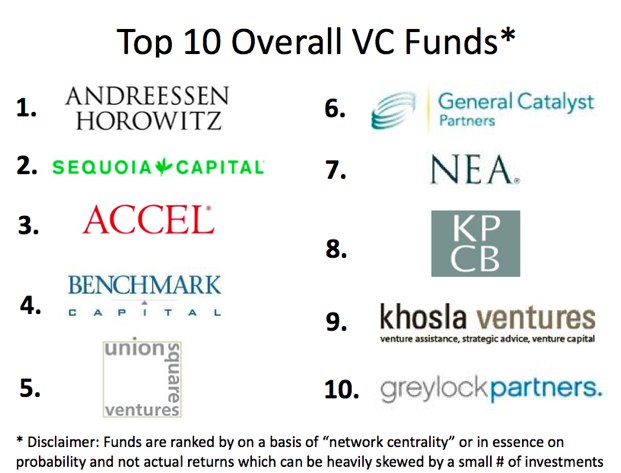
Some of the most renowned Tier 1 VCs include:
- Sequoia Capital: Known for early investments in Apple, Google, and Airbnb.
- Andreessen Horowitz (a16z): A leader in tech investments, including Facebook and Slack.
- Accel: Early backers of Facebook, Dropbox, and Slack.
- Kleiner Perkins: Pioneers in backing Amazon and Google.
- Benchmark: Notable for investments in Uber, Twitter, and eBay.
How Tier 1 VCs Differ from Other Venture Capital Firms
Tier 1 VCs stand out due to their:
- Exclusive access to top-tier deal flow, often securing investments in the most promising startups.
- Global presence, with offices and networks spanning multiple continents.
- Operational expertise, providing portfolio companies with strategic guidance and resources.
Key Characteristics of Tier 1 VC Investments
Investments by Tier 1 VCs are characterized by:
- High conviction bets on startups with disruptive potential.
- Large check sizes, often leading or co-leading funding rounds.
- Long-term partnerships, supporting companies through multiple growth stages.
The Role of Tier 1 VCs in the Startup Ecosystem
Tier 1 VCs play a critical role in the startup ecosystem by:
- Fueling innovation by providing capital to high-risk, high-reward ventures.
- Building ecosystems through mentorship, networking, and resource sharing.
- Driving economic growth by enabling startups to scale and create jobs.
What is the role of EIR in venture capital?

What is an EIR in Venture Capital?
An Entrepreneur-in-Residence (EIR) in venture capital is a seasoned entrepreneur or executive who works temporarily with a venture capital (VC) firm. Their primary role is to identify, evaluate, and develop new business opportunities or startups that align with the VC firm's investment strategy. EIRs often leverage their expertise to:
- Identify promising startups or industries with high growth potential.
- Mentor portfolio companies by providing strategic guidance and operational expertise.
- Develop new ventures from scratch, which the VC firm may later fund.
How Does an EIR Add Value to a VC Firm?
An EIR adds significant value to a VC firm by bringing operational experience, industry insights, and networks that can enhance the firm's investment decisions. Their contributions include:
- Evaluating investment opportunities with a founder's perspective, ensuring due diligence is thorough.
- Building relationships with entrepreneurs and other industry players to source deals.
- Providing hands-on support to portfolio companies, helping them scale effectively.
What Are the Key Responsibilities of an EIR?
The responsibilities of an EIR are diverse and tailored to the needs of the VC firm. Key tasks include:
- Conducting market research to identify emerging trends and opportunities.
- Developing business plans for potential startups or spin-offs.
- Assisting in fundraising efforts for new ventures or portfolio companies.
Why Do Venture Capital Firms Hire EIRs?
Venture capital firms hire EIRs to mitigate risks and enhance their investment portfolio. The reasons include:
- Access to expertise in specific industries or technologies.
- Increased deal flow through the EIR's network and reputation.
- Improved success rates for portfolio companies due to hands-on mentorship.
What Skills and Background Do EIRs Typically Have?
EIRs usually possess a combination of entrepreneurial experience, industry knowledge, and leadership skills. Their background often includes:
- Founding or leading successful startups in the past.
- Deep expertise in specific sectors like technology, healthcare, or fintech.
- Strong networks within the entrepreneurial and investment communities.
What is the most prestigious VC firm?
What Defines a Prestigious VC Firm?
A prestigious venture capital (VC) firm is typically defined by its track record of successful investments, the caliber of its portfolio companies, and its influence in the startup ecosystem. These firms often have a reputation for identifying and nurturing high-growth startups, which can lead to significant returns on investment. Key factors include:
- Historical Performance: Consistently high returns on investments.
- Brand Recognition: A well-known and respected name in the industry.
- Network and Resources: Access to top-tier talent, advisors, and follow-on funding.
Top Contenders for the Most Prestigious VC Firm
Several VC firms are often cited as the most prestigious due to their long-standing success and influence. These include:
- Sequoia Capital: Known for early investments in Apple, Google, and Airbnb.
- Andreessen Horowitz (a16z): Renowned for its investments in Facebook, Twitter, and Slack.
- Kleiner Perkins: Early backer of Amazon and Google.
Why Sequoia Capital Stands Out
Sequoia Capital is often considered the most prestigious VC firm due to its unparalleled track record and global presence. Key reasons include:
- Global Reach: Investments across the U.S., China, India, and Southeast Asia.
- Diverse Portfolio: Backing companies in tech, healthcare, and consumer sectors.
- Longevity: Over 50 years of successful venture capital investing.
The Role of Andreessen Horowitz in Shaping the Tech Landscape
Andreessen Horowitz (a16z) has played a pivotal role in shaping the modern tech landscape. Its prestige stems from:
- Early-Stage Investments: Identifying and funding startups before they become household names.
- Thought Leadership: Publishing influential research and insights on tech trends.
- Operational Support: Providing portfolio companies with extensive resources and mentorship.
Kleiner Perkins: A Legacy of Innovation
Kleiner Perkins has a storied history of backing groundbreaking companies. Its prestige is built on:
- Pioneering Investments: Early support for companies like Amazon and Google.
- Sustainability Focus: Leading investments in green tech and renewable energy.
- Influence in Silicon Valley: A key player in the development of the tech hub.
Do eirs get paid?

What Are EIRs and Their Role in Startups?
An Executive in Residence (EIR) is typically a seasoned professional who works with venture capital firms or startups to provide expertise and guidance. Their role often involves mentoring, strategic planning, and helping to identify investment opportunities. EIRs are not always paid a traditional salary, but their compensation can vary depending on the arrangement.
- EIRs are often experienced executives or entrepreneurs.
- They provide strategic advice and mentorship to startups.
- Their compensation may include equity or a stipend.
How Do EIRs Typically Get Compensated?
EIRs may receive compensation in various forms, depending on their agreement with the firm or startup. Some common forms of payment include:
- Equity stakes in the company or startups they assist.
- A monthly stipend or retainer fee.
- Performance-based bonuses tied to the success of the projects they work on.
Are EIRs Paid a Salary?
While some EIRs receive a fixed salary, this is not always the case. Many EIRs work on a contractual basis, and their payment structure is often tied to the value they bring to the organization. For example:
- Some EIRs are paid a base salary for their time and expertise.
- Others may receive equity instead of cash compensation.
- In some cases, EIRs may work on a pro bono basis to build relationships or gain experience.
What Factors Influence EIR Compensation?
The compensation for EIRs can vary widely based on several factors, including:
- The experience and reputation of the EIR.
- The size and stage of the startup or venture capital firm.
- The scope of responsibilities assigned to the EIR.
Can EIRs Negotiate Their Payment Terms?
Yes, EIRs often have the flexibility to negotiate their payment terms based on their expertise and the value they bring to the table. Key considerations include:
- Negotiating for a combination of cash and equity.
- Setting clear performance metrics for bonuses or additional compensation.
- Ensuring the agreement aligns with their long-term career goals.
Frequently Asked Questions (FAQs)
What factors should I consider when choosing the best VC firm to join as an EIR?
When selecting the best VC firm to join as an Entrepreneur in Residence (EIR), it's crucial to evaluate several factors. First, consider the firm's investment focus and whether it aligns with your expertise and interests. A firm specializing in your industry will provide better resources and networks. Second, assess the firm's reputation and track record. A well-established firm with successful exits can offer credibility and mentorship. Third, examine the firm's culture and how it supports EIRs. A collaborative environment with access to experienced partners can significantly enhance your experience. Lastly, consider the financial terms and support offered, such as stipends, office space, and funding for your future venture.
How does the size of a VC firm impact my experience as an EIR?
The size of a VC firm can greatly influence your experience as an EIR. Larger firms often have more resources, a broader network, and a diverse portfolio, which can provide you with extensive learning opportunities and connections. However, they may also have more structured programs and less personalized attention. On the other hand, smaller firms might offer a more hands-on experience and closer relationships with partners, but they may lack the same level of resources and brand recognition. It's essential to weigh these pros and cons based on your personal goals and working style.
What role does the VC firm's network play in my success as an EIR?
The network of a VC firm is one of the most valuable assets for an EIR. A strong network can provide you with access to potential co-founders, advisors, customers, and follow-on investors. It can also offer insights into market trends and emerging opportunities. When evaluating a VC firm, consider the depth and breadth of its connections within your target industry. A firm with a robust network can significantly accelerate your ability to build and scale your startup, making it a critical factor in your decision-making process.
Can I transition from being an EIR to launching my own startup with the VC firm's support?
Yes, many VC firms actively support EIRs in transitioning to launching their own startups. This support can come in various forms, including seed funding, mentorship, and access to the firm's network. Some firms even have formal programs designed to help EIRs develop their ideas into viable businesses. However, it's important to clarify the terms of this support upfront. Understand the firm's expectations, the level of equity they might take, and any other conditions attached to their backing. A transparent and supportive VC firm can be a powerful ally in your entrepreneurial journey.
Leave a Reply
Our Recommended Articles