
Venture Capital: Who Are the Recent New Vc Firms in Fintech?


The fintech sector continues to attract significant attention from venture capital (VC) firms, driven by rapid technological advancements and evolving consumer demands. As traditional financial services undergo digital transformation, new VC players are emerging to capitalize on this dynamic landscape. These firms are not only injecting capital but also bringing innovative strategies and expertise to support fintech startups. This article explores the recent entrants in the venture capital space, highlighting their unique approaches and the impact they are making in fintech. From specialized funds to global investors, these new VC firms are reshaping the ecosystem and fueling the next wave of financial innovation.
Venture Capital: Who Are the Recent New VC Firms in Fintech?
The fintech sector continues to attract significant attention from venture capital (VC) firms, with new players emerging to capitalize on the rapid innovation and growth in this space. These new VC firms are not only providing capital but also strategic support to startups, helping them navigate the complexities of the financial technology landscape. Below, we explore some of the recent entrants in the fintech VC space and their contributions to the industry.
See Also Which Are the Tier 1 Vc Firms in the Us?
1. The Rise of Specialized Fintech VC Firms
In recent years, there has been a noticeable rise in specialized fintech VC firms that focus exclusively on financial technology startups. These firms bring deep industry expertise and a network of connections that are invaluable to early-stage companies. For example, Fintech Collective and Anthemis Group have made significant strides by investing in innovative fintech solutions that address gaps in the market.
2. Geographic Expansion of Fintech VC Firms
The geographic footprint of fintech VC firms is expanding, with new players emerging in regions like Southeast Asia, Latin America, and Africa. Firms such as Quona Capital and Velocity Capital are actively investing in fintech startups in these regions, recognizing the untapped potential and the growing demand for digital financial services.
See Also Which Are the Top Venture Capital Firms in Vancouver?
3. Focus on Niche Fintech Segments
New VC firms are increasingly focusing on niche fintech segments such as blockchain, regtech, and insurtech. For instance, Blockchain Capital and Nyca Partners have been instrumental in funding startups that are leveraging blockchain technology to revolutionize financial transactions and compliance processes.
4. Corporate Venture Capital in Fintech
Corporate venture capital (CVC) arms of major financial institutions are also playing a pivotal role in the fintech ecosystem. Firms like Citi Ventures and Goldman Sachs Ventures are not only providing funding but also strategic partnerships and market access to fintech startups, thereby accelerating their growth and scalability.
See Also What Are the Top Tier Vc Firms for Enterprise Saas?
5. The Role of Female-Led VC Firms in Fintech
There is a growing presence of female-led VC firms in the fintech space, bringing diverse perspectives and inclusive investment strategies. Firms such as The Helm and Female Founders Fund are actively supporting fintech startups founded by women, thereby promoting gender diversity and innovation in the sector.
| VC Firm | Focus Area | Notable Investments |
|---|---|---|
| Fintech Collective | Specialized Fintech | Plaid, Stripe |
| Quona Capital | Geographic Expansion | Creditas, Kuda |
| Blockchain Capital | Niche Fintech (Blockchain) | Coinbase, Ripple |
| Citi Ventures | Corporate Venture Capital | Square, Betterment |
| The Helm | Female-Led VC | Ellevest, Tala |
Who are the Tier 1 VCs?
 What Are Some Tokyo Based Venture Capital Firms?
What Defines a Tier 1 Venture Capital Firm?
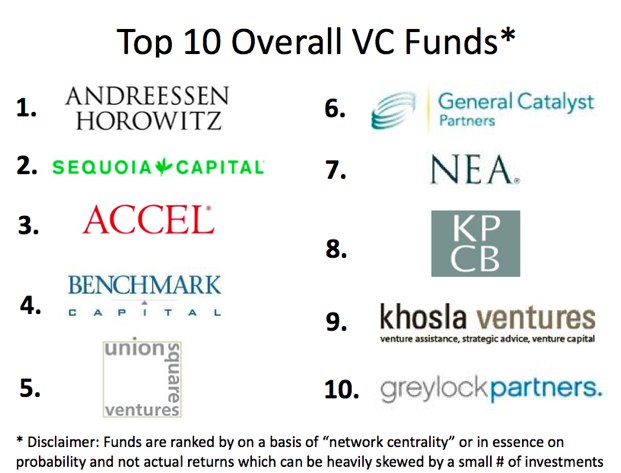
Tier 1 venture capital (VC) firms are distinguished by their reputation, track record, and influence in the startup ecosystem. These firms typically have:
- Proven success in backing high-growth companies that have achieved significant exits, such as IPOs or acquisitions.
- Extensive networks of industry experts, entrepreneurs, and other investors, which provide added value to their portfolio companies.
- Substantial capital under management, allowing them to lead large funding rounds and support startups through multiple stages of growth.
Top Tier 1 Venture Capital Firms Globally
Some of the most prominent Tier 1 VC firms include:
See Also What Are the Best Performing Venture Capital Funds of All Time
- Sequoia Capital: Known for early investments in companies like Apple, Google, and Airbnb.
- Andreessen Horowitz (a16z): A leader in tech investments, backing firms like Facebook, Twitter, and Coinbase.
- Accel: Famous for its early investment in Facebook and other tech giants.
- Kleiner Perkins: A pioneer in Silicon Valley, with investments in Amazon, Google, and Slack.
- Benchmark: Known for its early-stage investments in Uber, Twitter, and eBay.
Key Characteristics of Tier 1 VC Investments
Tier 1 VCs are known for their strategic approach to investing, which includes:
- Focus on high-growth sectors such as technology, biotech, and fintech.
- Active involvement in their portfolio companies, often providing mentorship and operational support.
- Long-term vision, with the ability to support startups through multiple funding rounds and growth phases.
How Tier 1 VCs Impact the Startup Ecosystem
Tier 1 VCs play a pivotal role in shaping the startup ecosystem by:
- Setting trends in innovation and investment, often identifying and backing the next big thing.
- Attracting talent to their portfolio companies, leveraging their reputation and networks.
- Driving economic growth by fostering the development of new industries and job creation.
Challenges Faced by Tier 1 VCs
Despite their success, Tier 1 VCs face several challenges, including:
- Increased competition from emerging VC firms and corporate investors.
- Market volatility, which can impact the performance of their investments.
- Maintaining high returns as the size of their funds grows, requiring them to identify and back increasingly larger opportunities.
Who is leading fintech?
Who Are the Key Players in Fintech Leadership?
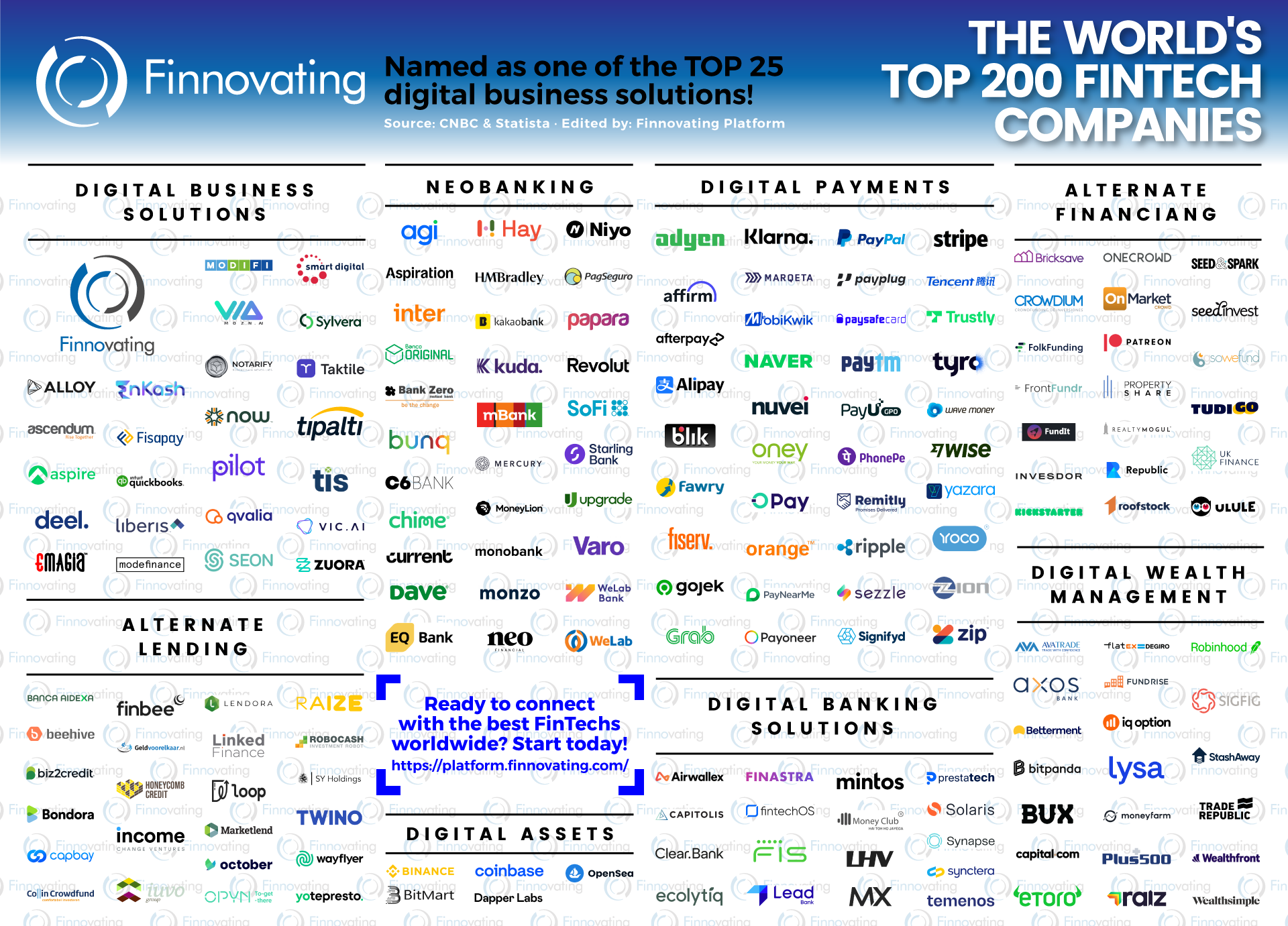
The fintech industry is led by a mix of established companies and innovative startups. Some of the most prominent leaders include:
- Stripe: A global payment processing platform that has revolutionized online transactions.
- Square: Known for its point-of-sale systems and Cash App, which has expanded into banking services.
- PayPal: A pioneer in digital payments, offering a wide range of financial services.
- Ant Group: A Chinese fintech giant specializing in digital payments and financial services.
- Revolut: A UK-based company offering digital banking, currency exchange, and cryptocurrency services.
What Makes Stripe a Leader in Fintech?
Stripe has emerged as a leader in fintech due to its innovative approach to payment processing and its ability to scale globally. Key factors include:
- Developer-Friendly APIs: Stripe provides easy-to-integrate APIs that allow businesses to accept payments seamlessly.
- Global Reach: The platform supports payments in over 135 currencies, making it a preferred choice for international businesses.
- Continuous Innovation: Stripe regularly introduces new features, such as Stripe Atlas for business incorporation and Stripe Capital for financing.
How Has Square Transformed Fintech?
Square has significantly impacted the fintech landscape by democratizing financial tools for small businesses and individuals. Its contributions include:
- Point-of-Sale Systems: Square's hardware and software solutions have made it easier for small businesses to accept card payments.
- Cash App: A peer-to-peer payment app that has expanded into stock and cryptocurrency trading.
- Banking Services: Square offers business loans and checking accounts, further integrating financial services.
Why Is PayPal a Dominant Force in Fintech?
PayPal remains a dominant player in fintech due to its early entry into the market and its extensive user base. Key reasons for its success are:
- User Trust: PayPal's long-standing reputation for security and reliability has earned it a loyal customer base.
- Diverse Services: The platform offers a wide range of services, including online payments, invoicing, and peer-to-peer transfers.
- Global Presence: PayPal operates in over 200 markets, making it a go-to solution for international transactions.
What Sets Ant Group Apart in Fintech?
Ant Group, an affiliate of Alibaba, has become a fintech leader by leveraging its ecosystem and technological expertise. Its unique strengths include:
- Alipay: A leading digital payment platform in China, offering services beyond payments, such as wealth management and insurance.
- Data-Driven Approach: Ant Group uses big data and AI to provide personalized financial services.
- Ecosystem Integration: The company integrates seamlessly with Alibaba's e-commerce platforms, creating a comprehensive financial ecosystem.
What is fintech venture capital?
What is Fintech Venture Capital?
Fintech venture capital refers to the investment of funds into early-stage or growth-stage financial technology companies by venture capital firms. These investments are aimed at supporting innovative startups that leverage technology to disrupt or enhance traditional financial services. Fintech venture capital plays a crucial role in fostering innovation, enabling startups to scale, and driving the evolution of the financial industry.
How Does Fintech Venture Capital Work?
Fintech venture capital operates through a structured process where venture capital firms identify, evaluate, and invest in promising fintech startups. The process typically involves:
- Deal Sourcing: Identifying potential fintech startups through networks, accelerators, or pitch events.
- Due Diligence: Conducting thorough research on the startup's business model, technology, team, and market potential.
- Investment: Providing capital in exchange for equity, often in multiple funding rounds (seed, Series A, B, etc.).
Why is Fintech Venture Capital Important?
Fintech venture capital is vital for the growth and innovation of the financial technology sector. It provides:
- Funding: Essential capital for startups to develop and scale their products.
- Mentorship: Access to experienced investors who offer strategic guidance.
- Networking: Connections to industry leaders, partners, and potential customers.
Key Players in Fintech Venture Capital
The fintech venture capital ecosystem comprises various stakeholders, including:
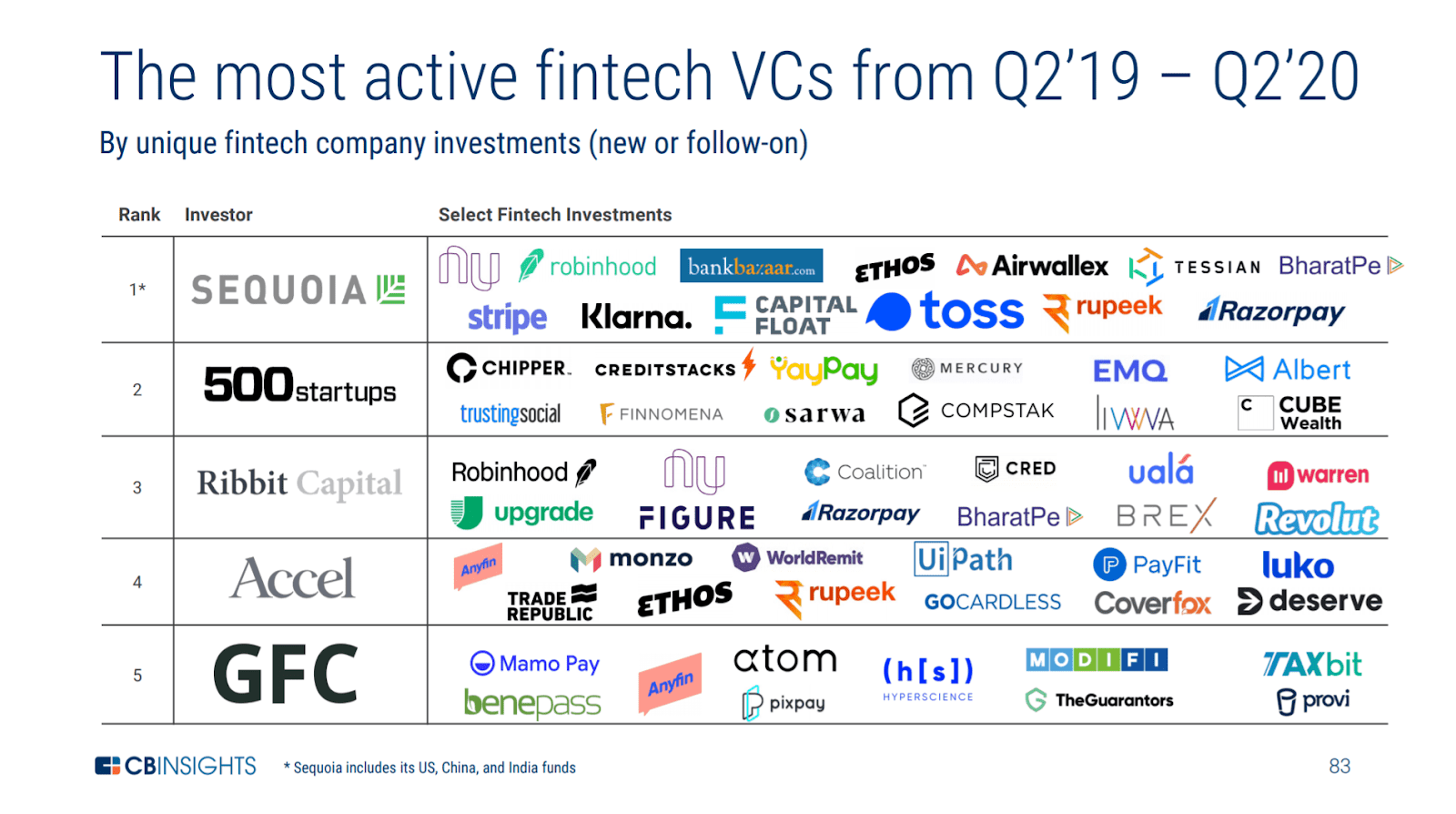
- Venture Capital Firms: Specialized firms like Sequoia Capital, Andreessen Horowitz, and Accel.
- Angel Investors: High-net-worth individuals who invest in early-stage startups.
- Corporate Venture Arms: Investment divisions of large financial institutions, such as Citi Ventures or Goldman Sachs.
Challenges in Fintech Venture Capital
Despite its benefits, fintech venture capital faces several challenges, such as:
- Regulatory Hurdles: Navigating complex financial regulations across different jurisdictions.
- Market Competition: High competition among startups for limited funding.
- Risk of Failure: Many fintech startups fail to achieve profitability or scale.
What is the most prestigious VC firm?
What Defines a Prestigious VC Firm?
A prestigious VC firm is typically characterized by its track record of successful investments, influential portfolio companies, and a strong reputation within the industry. These firms often have:
- High-profile exits: Such as IPOs or acquisitions of companies they backed.
- Top-tier talent: Including experienced partners and advisors.
- Global recognition: A presence in major tech hubs like Silicon Valley, New York, or London.
Top Contenders for the Most Prestigious VC Firm
Several firms are often cited as the most prestigious in the venture capital world. These include:
- Sequoia Capital: Known for early investments in Apple, Google, and Airbnb.
- Andreessen Horowitz (a16z): Renowned for backing companies like Facebook, Twitter, and Coinbase.
- Accel: Famous for its investment in Facebook and Slack.
Why Sequoia Capital Stands Out
Sequoia Capital is often considered the most prestigious due to its:
- Decades-long success: Consistently identifying and nurturing groundbreaking startups.
- Global reach: With offices in the U.S., China, India, and Israel.
- Diverse portfolio: Spanning industries like technology, healthcare, and consumer goods.
The Role of Andreessen Horowitz in Shaping Tech
Andreessen Horowitz has earned its prestige by:
- Pioneering trends: Investing early in crypto, AI, and fintech.
- Building ecosystems: Offering extensive support beyond funding, such as operational expertise.
- High-profile partnerships: Collaborating with industry leaders and governments.
Accel's Legacy in Venture Capital
Accel has solidified its reputation through:
- Landmark investments: Including Facebook, which became one of the most successful IPOs in history.
- Focus on innovation: Backing disruptive companies like Slack and Dropbox.
- Global influence: Expanding its footprint across Europe and Asia.
Frequently Asked Questions (FAQs)
What are some of the most notable new VC firms in fintech?
Fintech has seen a surge in interest from venture capital firms, with several new players emerging in recent years. Some of the most notable new VC firms in this space include Ribbit Capital, which focuses on early-stage fintech startups, and Andreessen Horowitz's a16z crypto fund, which targets blockchain and cryptocurrency innovations. Another significant player is QED Investors, known for its investments in disruptive financial technologies. These firms are actively shaping the future of financial services by backing innovative startups that challenge traditional banking and payment systems.
How do new VC firms differ from established ones in fintech investments?
New VC firms in fintech often bring fresh perspectives and a willingness to take risks on emerging technologies. Unlike established firms, which may have a more conservative approach, newer entrants like Anthemis Group and Nyca Partners are more agile and open to exploring niche areas such as regtech (regulatory technology) and insurtech (insurance technology). They also tend to focus on early-stage startups, providing not just capital but also mentorship and strategic guidance to help these companies scale rapidly.
What trends are new VC firms in fintech focusing on?
New VC firms in fintech are particularly interested in trends like decentralized finance (DeFi), digital wallets, and embedded finance. Firms such as Paradigm and Electric Capital are heavily investing in blockchain-based solutions that enable peer-to-peer financial transactions without intermediaries. Additionally, there is a growing focus on financial inclusion, with firms like Accion Venture Lab supporting startups that aim to provide financial services to underserved populations globally.
What challenges do new VC firms face in the fintech sector?
Despite their enthusiasm, new VC firms in fintech face several challenges. The sector is highly competitive, with established players like Sequoia Capital and Kleiner Perkins dominating the landscape. Additionally, regulatory hurdles can be significant, especially for startups operating in areas like cryptocurrency and cross-border payments. New VC firms must also navigate the complexities of scaling fintech startups, which often require substantial infrastructure and compliance investments. However, their ability to identify and support groundbreaking innovations gives them a unique edge in this dynamic industry.
Leave a Reply
Our Recommended Articles