
Why Do Venture Capitalists Prefer Preferred Stocks Over Common Stocks

Venture capitalists (VCs) play a pivotal role in funding startups and high-growth companies, often shaping the trajectory of innovation. When investing, VCs typically opt for preferred stocks over common stocks, a strategic choice rooted in risk mitigation and financial advantage. Preferred stocks offer unique benefits, such as priority in dividend payments, liquidation preferences, and protective provisions, which safeguard investors' interests in volatile markets. These features provide VCs with greater security and control, ensuring a higher likelihood of returns even if the company underperforms. Understanding why venture capitalists favor preferred stocks sheds light on the dynamics of startup financing and the mechanisms that drive investment decisions in high-risk environments.
-
Why Do Venture Capitalists Prefer Preferred Stocks Over Common Stocks?
- 1. What Are Preferred Stocks and How Do They Differ from Common Stocks?
- 2. Why Do Venture Capitalists Prioritize Liquidation Preferences?
- 3. How Do Preferred Stocks Provide Downside Protection?
- 4. What Role Do Dividends Play in Preferred Stocks?
- 5. How Do Preferred Stocks Align with Venture Capitalists’ Exit Strategies?
- Why investors choose to buy preferred stocks over common stocks?
- What is one advantage of preferred stock over common stock?
- Why do investors prefer preference shares?
- What is the primary reason investors are attracted to preferred stock?
- Frequently Asked Questions (FAQs)
Why Do Venture Capitalists Prefer Preferred Stocks Over Common Stocks?
Venture capitalists (VCs) often prefer preferred stocks over common stocks due to the additional rights and protections they offer. Preferred stocks provide VCs with a higher level of security and priority in the event of a company’s liquidation or sale. This preference is driven by the need to mitigate risks and ensure a higher return on investment (ROI) in high-risk startup environments.
See AlsoWhat is the Difference Between Vc Angel Investor and Acceleration Programs and How Do They Help a Start Up1. What Are Preferred Stocks and How Do They Differ from Common Stocks?
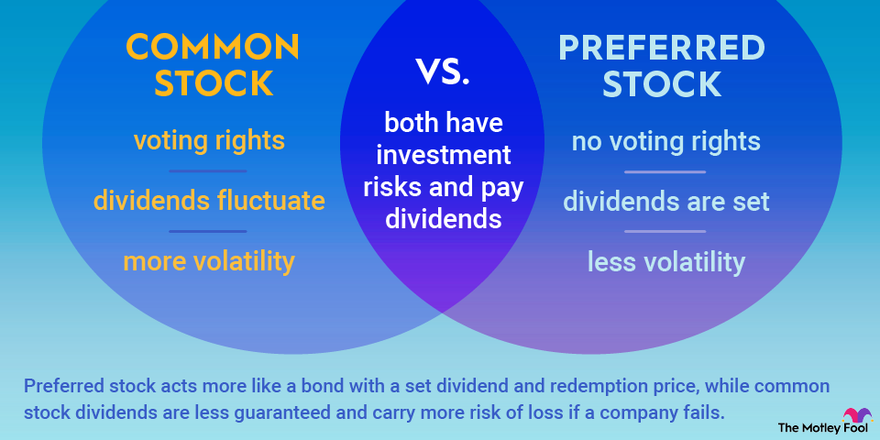
Preferred stocks are a type of equity that grants investors priority over common stockholders in terms of dividends and asset distribution during liquidation. Unlike common stocks, preferred stocks often come with fixed dividend rates and do not typically carry voting rights. This structure makes them more attractive to VCs, as it provides a balance between equity ownership and debt-like security.
2. Why Do Venture Capitalists Prioritize Liquidation Preferences?
Liquidation preferences are a key feature of preferred stocks that ensure VCs are paid first before common stockholders in the event of a company’s sale or liquidation. This provision protects VCs from losing their investment if the company does not perform as expected. For example, a 1x liquidation preference guarantees that VCs recover their initial investment before any proceeds are distributed to common stockholders.
See Also How Will Venture Capital Change in the Next Decade?
3. How Do Preferred Stocks Provide Downside Protection?
Preferred stocks offer downside protection by ensuring that VCs have a safety net in case the company fails. This is achieved through mechanisms like anti-dilution provisions, which protect investors from equity dilution if the company issues new shares at a lower valuation. Additionally, the priority in asset distribution minimizes potential losses, making preferred stocks a safer bet for VCs.
4. What Role Do Dividends Play in Preferred Stocks?
Preferred stocks often come with cumulative dividends, which accrue over time if the company cannot pay them immediately. This feature ensures that VCs receive a steady return on their investment, even if the company is not yet profitable. In contrast, common stockholders only receive dividends if the company decides to distribute them, making preferred stocks a more reliable option for VCs.
See Also What Are the Best Performing Venture Capital Funds of All Time
5. How Do Preferred Stocks Align with Venture Capitalists’ Exit Strategies?
VCs invest with the goal of achieving a lucrative exit, such as an IPO or acquisition. Preferred stocks align with this strategy by providing convertible options, allowing VCs to convert their preferred shares into common shares at a favorable rate during an exit event. This flexibility ensures that VCs can maximize their returns while maintaining downside protection throughout the investment lifecycle.
| Feature | Preferred Stocks | Common Stocks |
|---|---|---|
| Dividends | Fixed, cumulative | Variable, non-cumulative |
| Liquidation Priority | High (paid first) | Low (paid last) |
| Voting Rights | Typically none | Yes |
| Downside Protection | Strong (anti-dilution, liquidation preferences) | Minimal |
| Exit Strategy Alignment | Convertible options for higher returns | Dependent on market performance |
Why investors choose to buy preferred stocks over common stocks?
Higher Priority in Dividends
Investors often choose preferred stocks because they offer a higher priority in dividend payments compared to common stocks. This means that if a company faces financial difficulties, preferred shareholders are paid before common shareholders. The benefits include:
See Also What is Difference Between Angel Investor and Venture Capitalist
- Fixed dividend rates: Preferred stocks typically offer fixed dividends, providing predictable income.
- Priority in liquidation: In the event of bankruptcy, preferred shareholders are paid before common shareholders.
- Stable income: Preferred stocks are ideal for income-focused investors seeking consistent returns.
Lower Volatility Compared to Common Stocks
Preferred stocks are generally less volatile than common stocks, making them a safer investment option for risk-averse investors. Key reasons include:
- Price stability: Preferred stocks tend to fluctuate less in price compared to common stocks.
- Hybrid nature: They combine features of both stocks and bonds, offering a balance of growth and income.
- Reduced market sensitivity: Preferred stocks are less affected by market swings, providing a more stable investment.
Preferential Treatment in Bankruptcy
In the event of a company’s bankruptcy, preferred stockholders have a higher claim on assets than common stockholders. This advantage includes:
See AlsoWhere Do Venture Capitalists Eat in the Bay Area/silicon Valley?- Priority in asset distribution: Preferred shareholders are paid before common shareholders during liquidation.
- Reduced risk of total loss: The preferential treatment minimizes the risk of losing the entire investment.
- Legal protection: Preferred stocks often come with legal safeguards that protect investors’ interests.
Attractive Yields for Income Investors
Preferred stocks are known for offering attractive yields, making them a popular choice for income-focused investors. The benefits include:
- Higher dividend yields: Preferred stocks often provide higher yields than common stocks or bonds.
- Tax advantages: In some cases, dividends from preferred stocks may qualify for lower tax rates.
- Reliable income stream: The fixed dividends make preferred stocks a reliable source of passive income.
Convertible Features for Added Flexibility
Some preferred stocks come with convertible features, allowing investors to convert them into common stocks. This flexibility offers several advantages:
- Potential for capital appreciation: Converting to common stocks can provide higher returns if the company performs well.
- Diversification of investment strategy: Investors can switch between income and growth-focused investments.
- Hedging against market changes: Convertible preferred stocks allow investors to adapt to changing market conditions.
What is one advantage of preferred stock over common stock?
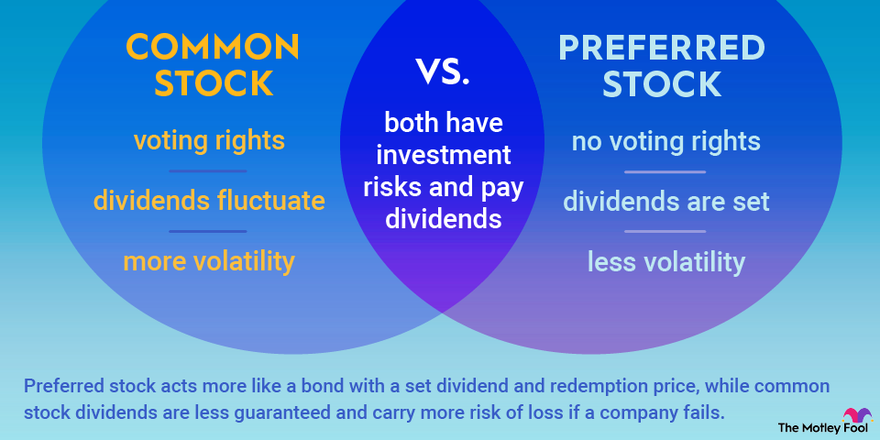
One advantage of preferred stock over common stock is that preferred stockholders typically receive dividends before common stockholders. This means that if a company decides to distribute profits, preferred shareholders are paid first, providing them with a more predictable income stream compared to common shareholders.
Priority in Dividend Payments
Preferred stockholders have a higher claim on dividends compared to common stockholders. This ensures that they receive their dividends before any payments are made to common shareholders.
- Preferred dividends are often fixed, providing a steady income.
- In cases of financial difficulty, preferred shareholders are prioritized over common shareholders.
- This priority reduces the risk of missing out on dividend payments.
Greater Stability in Income
Preferred stock offers more stability in terms of income due to its fixed dividend structure.
- Dividends are typically set at a fixed rate, unlike common stock dividends, which can fluctuate.
- This makes preferred stock more attractive to income-focused investors.
- Even during economic downturns, preferred shareholders are more likely to receive dividends.
Priority in Liquidation
In the event of a company's liquidation, preferred stockholders have a higher claim on assets than common stockholders.
- Preferred shareholders are paid after debtholders but before common shareholders.
- This provides an additional layer of financial security.
- It reduces the risk of losing the entire investment in case of bankruptcy.
Lower Volatility
Preferred stock tends to be less volatile than common stock, making it a safer investment option.
- Its price is more influenced by interest rates than market fluctuations.
- This makes it a more stable choice for risk-averse investors.
- Preferred stock often behaves more like a bond than a stock.
Potential for Convertible Features
Some preferred stocks come with convertible features, allowing shareholders to convert their shares into common stock.
- This provides the opportunity to benefit from capital appreciation if the company performs well.
- It offers flexibility to switch to common stock if market conditions are favorable.
- Convertible preferred stock combines the stability of preferred stock with the growth potential of common stock.
:max_bytes(150000):strip_icc()/Term-Definitions_preference-shares-718c73612ed149c181dd3a098ee9f438.jpg)
Priority in Dividend Payments
Investors prefer preference shares because they offer priority in dividend payments over common shares. This means that if a company declares dividends, preference shareholders are paid before common shareholders. This provides a more predictable income stream, which is particularly appealing to risk-averse investors.
- Preference shares guarantee dividends before common shares.
- Dividends are often fixed, providing stable returns.
- This priority reduces the risk of income volatility.
Higher Claim on Assets in Liquidation
In the event of a company's liquidation, preference shareholders have a higher claim on the company's assets compared to common shareholders. This makes preference shares a safer investment, especially in financially unstable companies.
- Preference shares rank above common shares in asset claims.
- This provides a safety net during bankruptcy or liquidation.
- Investors are more likely to recover their initial investment.
Fixed Dividend Rates
Preference shares often come with fixed dividend rates, which are attractive to investors seeking consistent income. Unlike common shares, where dividends can fluctuate based on company performance, preference shares offer a more predictable return.
- Dividends are usually set at a fixed percentage.
- This predictability helps in financial planning.
- Investors can rely on steady cash flow from these shares.
Preference shares tend to be less volatile than common shares, making them a more stable investment option. This lower volatility is due to their fixed dividend payments and higher claim on assets, which reduce the risk associated with market fluctuations.
- Preference shares experience less price fluctuation.
- This stability is ideal for conservative investors.
- Lower volatility means reduced market risk.
Potential for Convertibility
Some preference shares come with the option to convert into common shares, offering investors the potential for capital appreciation. This feature provides a balance between the safety of fixed dividends and the growth potential of common shares.
- Convertible preference shares can be exchanged for common shares.
- This offers the potential for capital gains.
- Investors can benefit from both income and growth opportunities.
What is the primary reason investors are attracted to preferred stock?

Higher Dividend Payments
One of the primary reasons investors are attracted to preferred stock is the potential for higher dividend payments compared to common stock. Preferred stockholders typically receive fixed dividends, which are often more substantial and predictable. This makes preferred stock an appealing option for income-focused investors. Key points include:
- Fixed dividend rates provide stability and predictability.
- Dividends are paid before any distributions to common stockholders.
- Preferred dividends are often higher than those offered by common stock.
Priority in Asset Distribution
Preferred stockholders enjoy priority in asset distribution in the event of a company's liquidation. This means they are paid before common stockholders, reducing the risk of losing their investment. This feature is particularly attractive to risk-averse investors. Key points include:
- Preferred stockholders are paid before common stockholders during liquidation.
- This priority reduces the risk of total loss of investment.
- It provides a layer of security for investors.
Lower Volatility Compared to Common Stock
Preferred stock tends to exhibit lower volatility compared to common stock, making it a more stable investment option. This stability is appealing to investors who prefer to avoid the high fluctuations often associated with common stock. Key points include:
- Preferred stock prices are less affected by market fluctuations.
- It offers a more stable investment for conservative investors.
- Lower volatility reduces the risk of significant price drops.
Potential for Capital Appreciation
While preferred stock is primarily known for its income-generating potential, it also offers the potential for capital appreciation. If the issuing company performs well, the value of preferred stock can increase, providing additional returns to investors. Key points include:
- Preferred stock can increase in value if the company performs well.
- Capital appreciation adds to the overall return on investment.
- It combines income generation with growth potential.
Convertible Features
Some preferred stocks come with convertible features, allowing investors to convert their shares into common stock at a predetermined ratio. This feature provides flexibility and the potential for higher returns if the company's common stock performs well. Key points include:
- Convertible preferred stock can be exchanged for common stock.
- This feature offers the potential for higher returns.
- It provides flexibility in investment strategy.
Frequently Asked Questions (FAQs)
Why do venture capitalists prefer preferred stocks over common stocks?
Venture capitalists prefer preferred stocks over common stocks because they offer greater protection and financial benefits. Preferred stocks typically come with liquidation preferences, which ensure that investors are paid before common stockholders in the event of a company sale or liquidation. This reduces the risk of losing their investment. Additionally, preferred stocks often include dividend rights and conversion options, allowing investors to convert their shares into common stock if the company performs well, providing potential upside.
What are the key advantages of preferred stocks for venture capitalists?
The key advantages of preferred stocks for venture capitalists include priority in payouts, dividend preferences, and voting rights. These features provide a safety net for investors, ensuring they recover their investment before common stockholders. Preferred stocks also often include anti-dilution provisions, which protect investors from equity dilution if the company issues more shares at a lower price. These advantages make preferred stocks a more secure and attractive option for venture capitalists.
How do liquidation preferences benefit venture capitalists?
Liquidation preferences are a critical feature of preferred stocks that benefit venture capitalists by ensuring they are paid first in the event of a company sale, merger, or liquidation. This means that if the company is sold, preferred stockholders receive their investment back (or a multiple of it) before any proceeds are distributed to common stockholders. This reduces the risk of losing money and provides a safety net for investors, making preferred stocks a more appealing investment option.
Can venture capitalists convert preferred stocks into common stocks?
Yes, venture capitalists can often convert their preferred stocks into common stocks through a feature known as conversion rights. This option is particularly valuable if the company experiences significant growth, as it allows investors to participate in the upside potential of the company. By converting their shares, venture capitalists can benefit from the increased value of common stocks, which may yield higher returns compared to the fixed benefits of preferred stocks.
Leave a Reply
Our Recommended Articles