
Why Do Venture Capitalists Replace Founders of Startups?


Venture capitalists (VCs) play a pivotal role in the growth and success of startups, often providing not only funding but also strategic guidance. However, one of the most controversial aspects of this relationship is the decision to replace founders with professional executives. While founders are typically the visionaries behind a startup, VCs may view them as lacking the experience or skills needed to scale the business effectively. This practice raises questions about the balance between innovation and operational expertise. Understanding why VCs make such decisions requires exploring the dynamics of startup growth, investor expectations, and the challenges of transitioning from a founder-led to a professionally managed company.
Why Do Venture Capitalists Replace Founders of Startups?
1. Lack of Scalability and Growth Expertise
Venture capitalists often replace founders when they believe the founder lacks the necessary skills to scale the business. Founders may excel at ideation and early-stage development but struggle with managing rapid growth, operational complexity, or market expansion. VCs prioritize scalability and growth, and if a founder cannot demonstrate these capabilities, they may bring in experienced executives to steer the company toward its next phase.
See Also If Techstars takes a 6% equity stake for $18,000, is it fair to say a Techstars quality idea/prototype is worth $300,000 when raising seed money?
2. Misalignment with Investor Vision
A common reason for replacing founders is a misalignment between the founder's vision and the investor's goals. VCs invest with specific return expectations and timelines. If a founder resists strategic changes, such as pivoting the business model or pursuing aggressive expansion, investors may replace them to ensure their financial objectives are met.
3. Poor Financial Management
Startups often face financial challenges, and VCs closely monitor how founders manage cash flow, budgets, and funding. If a founder demonstrates poor financial decision-making or fails to meet key milestones, investors may intervene. Replacing the founder with someone who has a strong financial background can help stabilize the company and improve its chances of success.
See Also How much does a corporation pay to have TechStars power a custom accelerator program?
4. Inability to Build and Lead a Strong Team
Building a successful startup requires a talented and cohesive team. If a founder struggles with leadership, hiring, or retaining top talent, VCs may step in. A strong leadership team is critical for executing the company's vision, and investors often prioritize bringing in experienced leaders who can foster a high-performing culture.
5. Failure to Adapt to Market Changes
The startup landscape is highly dynamic, and companies must adapt quickly to market shifts, competition, and customer needs. If a founder is resistant to change or fails to recognize emerging trends, VCs may replace them with someone more agile and responsive. Adaptability is key to long-term success, and investors want leaders who can navigate uncertainty effectively.
See AlsoShould I Include My Official Lsat Score on My Resume for Venture Capital Roles| Reason | Description |
|---|---|
| Lack of Scalability | Founder struggles with managing rapid growth and operational complexity. |
| Misalignment | Founder's vision conflicts with investor goals and expectations. |
| Poor Financial Management | Founder fails to manage cash flow, budgets, or meet milestones. |
| Weak Leadership | Founder struggles to build, lead, or retain a strong team. |
| Failure to Adapt | Founder is resistant to market changes or emerging trends. |
What is the difference between a startup and a founder?

What is a Startup?
A startup is a young company founded to develop a unique product or service, often in its early stages of operation. Startups are typically characterized by their innovative approach, scalability, and potential for rapid growth. They often operate in industries like technology, healthcare, or finance, where disruption and innovation are key drivers. Startups are usually focused on solving a specific problem or addressing a market gap, and they often rely on external funding to fuel their growth.
- Innovation: Startups are built around innovative ideas or technologies.
- Scalability: They aim to grow quickly and expand their market reach.
- Risk: Startups often face high levels of uncertainty and financial risk.
Who is a Founder?
A founder is an individual or group of individuals who establish a startup or company. Founders are responsible for the initial idea, vision, and execution of the business. They play a critical role in shaping the company's culture, strategy, and direction. Founders often wear multiple hats, handling tasks ranging from product development to fundraising, especially in the early stages of the startup.
- Visionary: Founders are the driving force behind the startup's mission and goals.
- Leadership: They provide leadership and guidance to the team.
- Responsibility: Founders bear the ultimate responsibility for the success or failure of the startup.
Key Differences Between a Startup and a Founder
The primary difference between a startup and a founder lies in their roles and definitions. A startup is the business entity itself, while a founder is the person or group behind its creation. The startup is the vehicle for innovation and growth, whereas the founder is the driver steering that vehicle toward its goals.
- Entity vs. Individual: A startup is an organization, while a founder is a person or group.
- Focus: The startup focuses on products, services, and market growth, while the founder focuses on strategy and execution.
- Evolution: Startups evolve over time, but founders remain constant as the original creators.
Roles and Responsibilities of a Founder in a Startup
The founder of a startup has a wide range of responsibilities, especially in the early stages. They are involved in everything from conceptualizing the business idea to securing funding and building a team. Founders must also adapt to challenges, make critical decisions, and ensure the startup stays aligned with its vision.
- Idea Generation: Founders are responsible for the initial concept and business model.
- Fundraising: They often lead efforts to secure investment or funding.
- Team Building: Founders recruit and manage the initial team to execute the vision.
How Startups and Founders Evolve Over Time
As a startup grows, its structure and operations become more complex, often requiring professional management and additional resources. The role of the founder may also evolve, shifting from hands-on involvement to a more strategic or advisory position. In some cases, founders may step back entirely, allowing professional executives to take over.
- Growth Stages: Startups transition from early-stage to scaling and maturity.
- Role Transition: Founders may move from operational roles to strategic oversight.
- Professionalization: Startups often bring in experienced leaders to manage growth.
Do VCs make good founders?
Do VCs Have the Right Skill Set to Be Founders?
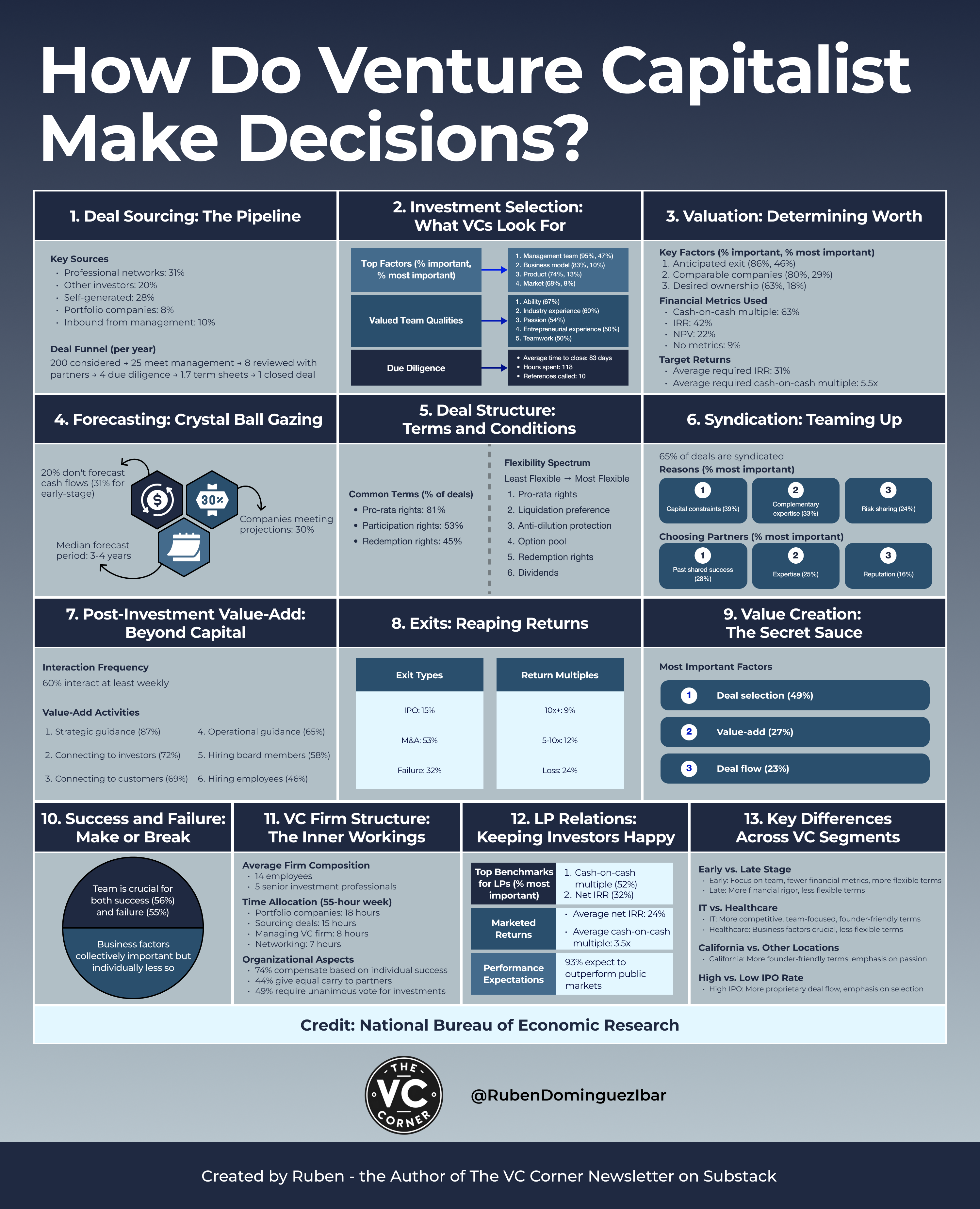
Venture capitalists (VCs) often possess a deep understanding of the startup ecosystem, which can be advantageous when transitioning to a founder role. However, their skill set may not always align with the hands-on demands of building a company from the ground up. Key considerations include:
- Analytical skills: VCs excel at evaluating business models and market opportunities, which can help in strategic decision-making.
- Networking: Their extensive connections can open doors to partnerships, funding, and talent acquisition.
- Risk assessment: VCs are trained to assess risks, but they may lack the operational experience to navigate day-to-day challenges.
Can VCs Adapt to the Founder Mindset?
Transitioning from a VC to a founder requires a significant shift in mindset. While VCs are accustomed to advising and investing, founders must be deeply involved in execution and problem-solving. Key points to consider:
- Execution vs. evaluation: VCs are skilled at evaluating ideas but may struggle with the hands-on execution required to build a product or service.
- Long-term commitment: Founders often need to commit to a vision for years, whereas VCs are used to shorter investment cycles.
- Resilience: The emotional and mental toll of being a founder can be vastly different from the VC role.
Do VCs Understand the Operational Challenges of Startups?
While VCs have a broad perspective on startups, they may lack firsthand experience in managing the operational challenges that founders face daily. Important aspects include:
- Resource constraints: Founders often operate with limited resources, a scenario VCs may not have directly experienced.
- Team building: VCs may not have the same level of experience in hiring, managing, and motivating a team.
- Customer focus: Founders must prioritize customer needs, which may not be a primary focus for VCs.
How Does a VC's Network Benefit Them as Founders?
One of the most significant advantages VCs have as founders is their extensive network. This can provide critical support in various areas:
- Fundraising: VCs are well-connected to other investors, making it easier to secure funding.
- Mentorship: Access to experienced entrepreneurs and advisors can accelerate growth.
- Partnerships: Strong relationships with other companies can lead to strategic collaborations.
Are VCs More Likely to Succeed as Founders?
While VCs bring unique strengths to the table, their success as founders depends on several factors. Key considerations include:
- Industry expertise: VCs with deep knowledge in a specific sector may have a higher chance of success.
- Adaptability: The ability to transition from an advisory role to a hands-on founder role is crucial.
- Vision alignment: A clear and compelling vision can help VCs rally a team and attract investors.
What percentage of venture capital goes to black founders?
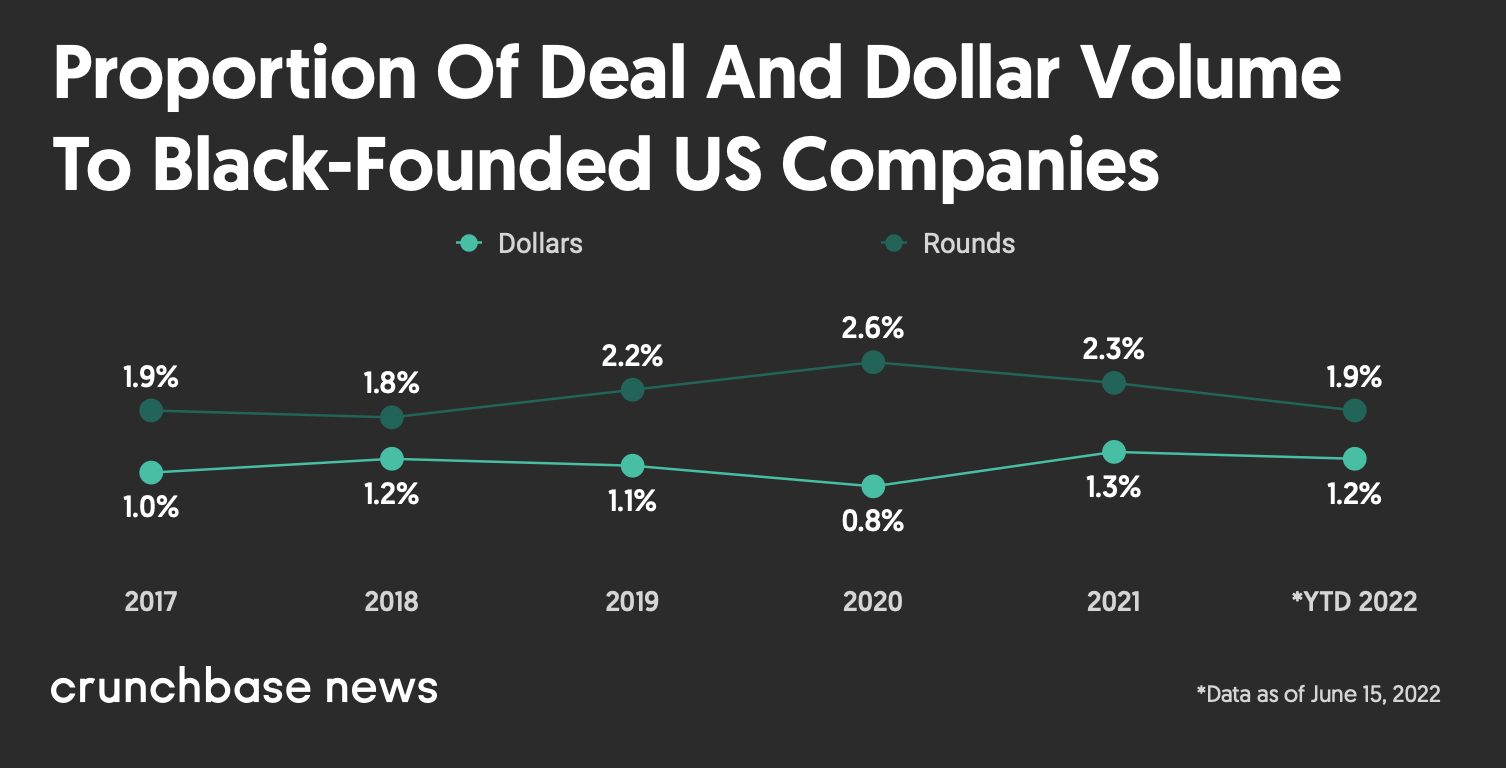
What Percentage of Venture Capital Goes to Black Founders?
The percentage of venture capital funding that goes to Black founders is alarmingly low. According to recent data, less than 1.5% of total venture capital funding in the United States is allocated to Black entrepreneurs. This disparity highlights systemic issues within the venture capital ecosystem, including unconscious bias, lack of diversity among investors, and limited access to networks for Black founders.
Why Is Venture Capital Funding for Black Founders So Low?
- Unconscious Bias: Many venture capitalists tend to invest in founders who resemble their own backgrounds, leading to a lack of diversity in funding decisions.
- Limited Networks: Black founders often lack access to the same networks and connections as their white counterparts, making it harder to secure introductions to investors.
- Risk Perception: Some investors perceive Black-led startups as higher risk, despite evidence showing that diverse teams often outperform homogeneous ones.
How Does This Funding Gap Impact Black Entrepreneurs?
- Stunted Growth: Without adequate funding, Black-owned startups struggle to scale, hire talent, or invest in innovation.
- Missed Opportunities: The lack of capital prevents Black entrepreneurs from fully realizing their potential and contributing to economic growth.
- Reinforced Inequality: The funding gap perpetuates systemic inequality, making it harder for future generations of Black founders to succeed.
What Are the Barriers Black Founders Face in Securing Venture Capital?
- Lack of Representation: Few Black investors and decision-makers in venture capital firms contribute to a lack of understanding and support for Black-led startups.
- Cultural Misalignment: Investors may not fully understand the markets or products that Black founders are targeting, leading to missed opportunities.
- Structural Inequities: Historical and systemic barriers, such as limited access to education and resources, create additional challenges for Black entrepreneurs.
What Initiatives Are Addressing the Funding Gap for Black Founders?
- Diversity-Focused Funds: Some venture capital firms are launching funds specifically aimed at supporting underrepresented founders, including Black entrepreneurs.
- Mentorship Programs: Initiatives like accelerators and incubators provide Black founders with mentorship, resources, and networking opportunities.
- Corporate Commitments: Large corporations are increasingly pledging to invest in diverse startups as part of their diversity, equity, and inclusion (DEI) strategies.
What Can Be Done to Increase Venture Capital Funding for Black Founders?
- Increase Diversity Among Investors: Hiring more Black investors and decision-makers can help bridge the gap and create a more inclusive funding environment.
- Expand Networks: Creating platforms and events that connect Black founders with investors can help level the playing field.
- Educate Investors: Raising awareness about the value of diverse teams and the potential of Black-led startups can shift perceptions and investment behaviors.
Why is venture capital good for startups?
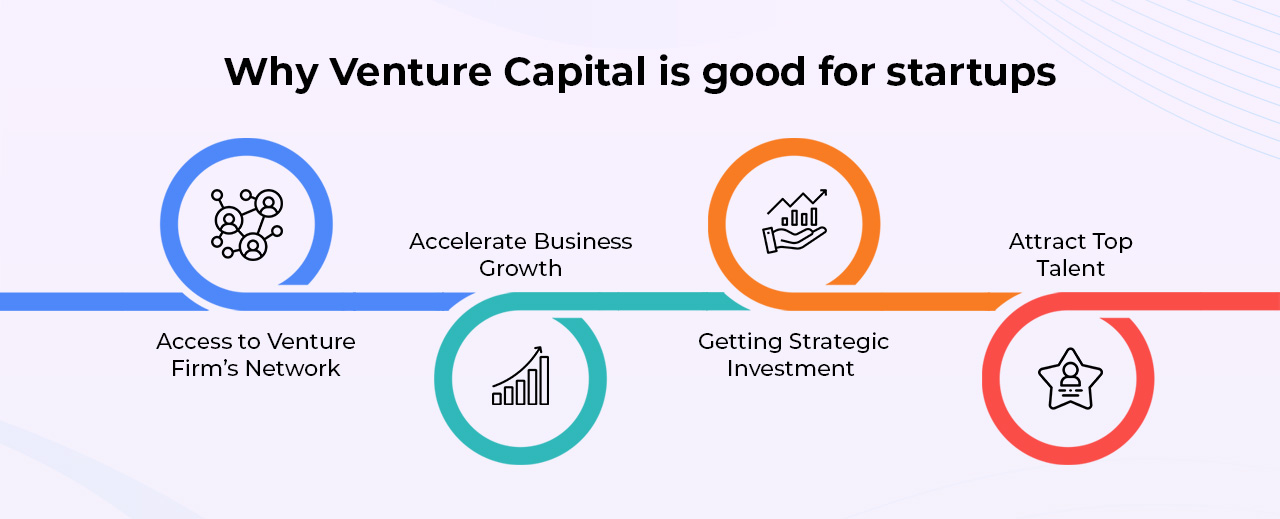
Access to Significant Funding
Venture capital provides startups with access to significant funding that is often not available through traditional financing methods. This influx of capital allows startups to scale quickly and achieve their growth objectives. Key benefits include:
- Large capital injections to fund product development, marketing, and expansion.
- Ability to hire top talent and build a strong team.
- Resources to invest in research and development for innovation.
Expertise and Mentorship
Venture capitalists bring more than just money; they offer expertise and mentorship to startups. This guidance can be invaluable for navigating the challenges of building a successful business. Key advantages include:
- Access to industry knowledge and strategic advice.
- Assistance in refining business models and strategies.
- Networking opportunities with other entrepreneurs and investors.
Accelerated Growth Opportunities
With venture capital, startups can achieve accelerated growth by leveraging the resources and networks provided by investors. This helps them gain a competitive edge in the market. Key points include:
- Faster scaling of operations and market reach.
- Opportunities to enter new markets or expand globally.
- Increased visibility and credibility in the industry.
Risk Mitigation
Venture capital helps startups mitigate risks by providing financial stability and strategic support during critical phases of growth. This reduces the likelihood of failure. Key benefits include:
- Financial cushion to weather economic downturns or unexpected challenges.
- Support in making informed decisions to avoid costly mistakes.
- Access to additional funding rounds if needed.
Validation and Credibility
Securing venture capital serves as a form of validation and credibility for startups, signaling to the market that the business has potential. This can attract further investment and partnerships. Key advantages include:
- Enhanced reputation among customers, partners, and other investors.
- Increased chances of securing follow-on funding.
- Recognition as a serious player in the industry.
Frequently Asked Questions (FAQs)
Why do venture capitalists sometimes replace founders in startups?
Venture capitalists (VCs) often replace founders in startups when they believe that the founder's skills or experience are not aligned with the company's current needs. As startups grow, the challenges they face evolve, requiring different leadership capabilities. For example, a founder who excels at innovation and product development might lack the expertise needed to scale operations or manage a large team. In such cases, VCs may bring in a more experienced CEO to ensure the company's long-term success.
What are the common reasons for replacing a founder with a professional CEO?
The most common reasons for replacing a founder with a professional CEO include the need for operational expertise, strategic vision, and investor confidence. Founders often have deep passion and creativity but may lack the experience to handle complex business operations or navigate high-stakes negotiations. VCs prioritize the company's growth and profitability, and if they believe a professional CEO can better achieve these goals, they may push for a leadership change.
How do venture capitalists decide when to replace a founder?
Venture capitalists decide to replace a founder based on a combination of factors, including the company's performance metrics, the founder's leadership capabilities, and the stage of the startup. If the company is struggling to meet milestones, facing operational inefficiencies, or losing market share, VCs may intervene. They also consider the founder's ability to adapt to new challenges and whether their vision aligns with the investors' goals. Ultimately, the decision is driven by the desire to maximize the startup's potential and ensure a strong return on investment.
Can founders retain any role after being replaced by venture capitalists?
Yes, founders can often retain a role within the company after being replaced, typically in a position that aligns with their strengths, such as Chief Innovation Officer or Board Member. This allows them to continue contributing to the company's vision and culture while leveraging their expertise in areas like product development or creative strategy. However, the extent of their involvement depends on the agreement with the VCs and the new leadership team. In some cases, founders may choose to step away entirely to pursue other ventures.
Leave a Reply
Our Recommended Articles