
Why is It So Hard to Find an Angel Investor for My Startup?

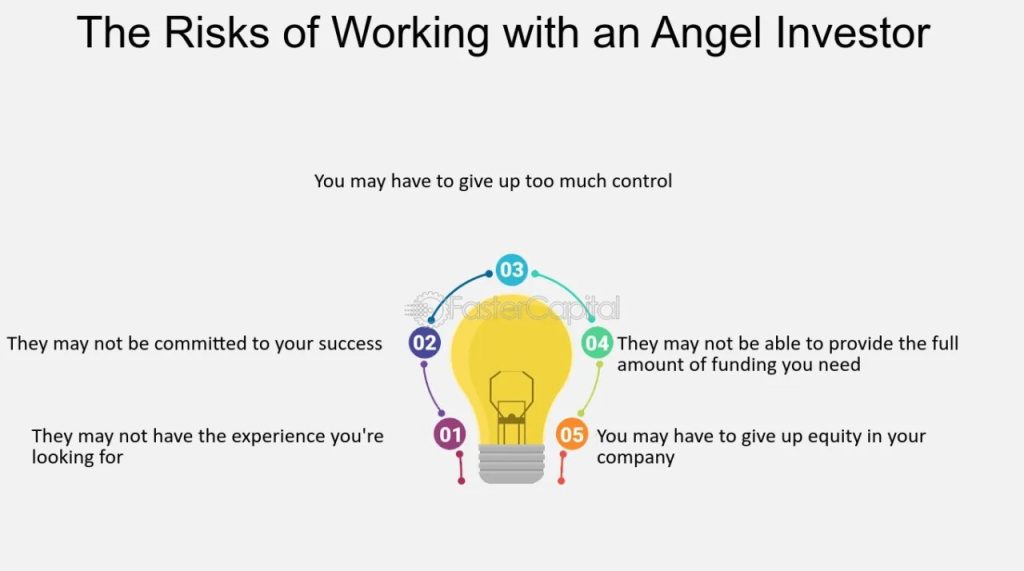
Securing funding is one of the most challenging hurdles for startups, and finding an angel investor can feel like searching for a needle in a haystack. Despite the growing number of high-net-worth individuals interested in early-stage ventures, the competition is fierce, and the criteria for investment are often stringent. Many entrepreneurs struggle to align their vision with the expectations of potential investors, who seek not only innovative ideas but also strong market potential, scalability, and a capable team. Understanding why this process is so difficult requires a closer look at the dynamics between startups and angel investors, as well as the common pitfalls that hinder successful connections.
- Why is It So Hard to Find an Angel Investor for My Startup?
- Is it hard to find angel investors?
- How to get angel investor for startup?
-
What is the minimum net worth for angel investor?
- What is the Minimum Net Worth Required to Be an Angel Investor?
- Why is Net Worth Important for Angel Investors?
- How Does Net Worth Impact Investment Opportunities?
- What Are the Alternatives if You Don’t Meet the Net Worth Requirement?
- What Are the Risks of Angel Investing Without Meeting Net Worth Requirements?
- How do I find an investor for my startup?
- Frequently Asked Questions (FAQs)
Why is It So Hard to Find an Angel Investor for My Startup?
Finding an angel investor for your startup can be a daunting task. Many entrepreneurs face significant challenges in securing funding, even when they have a promising business idea. Below, we explore the key reasons why this process is so difficult and provide insights into how you can improve your chances.
See Also How Can Startup Companies Raise Money Initial Stage?
1. High Competition Among Startups
The startup ecosystem is highly competitive. Thousands of new businesses are launched every year, each vying for the attention of a limited number of angel investors. This saturation means that only the most compelling and well-prepared startups stand out. Investors are selective and often look for unique value propositions, strong teams, and scalable business models.
2. Lack of a Clear Business Plan
Many startups fail to present a clear and detailed business plan, which is crucial for attracting investors. Angel investors need to see a well-thought-out strategy that includes market analysis, financial projections, and a roadmap for growth. Without this, your startup may appear risky or unprepared, making it harder to secure funding.
See Also What Are Some of the Top Vcs in the Travel and Tourism Space?
3. Limited Network and Connections
Networking plays a vital role in finding an angel investor. Many investors prefer to work with entrepreneurs who come recommended by trusted sources. If you lack a strong professional network or connections within the investment community, it can be challenging to get your foot in the door. Building relationships and leveraging platforms like LinkedIn can help bridge this gap.
4. Unrealistic Valuation Expectations
Startups often overestimate their valuation, which can deter potential investors. Angel investors are experienced in assessing the worth of a business and may be hesitant to invest if they feel the valuation is inflated. It's essential to conduct thorough research and seek professional advice to set a realistic and attractive valuation.
See Also What are the pros and cons of going through accelerator programs like TechStars and Y Combinator?
5. Insufficient Traction or Proof of Concept
Angel investors look for evidence that your startup has market traction or a proven concept. Without tangible results, such as a growing customer base, revenue, or a working prototype, it can be difficult to convince investors of your startup's potential. Demonstrating early success can significantly increase your chances of securing funding.
| Challenge | Solution |
|---|---|
| High Competition | Focus on a unique value proposition and strong team. |
| Lack of Business Plan | Develop a detailed and clear business strategy. |
| Limited Network | Build connections through networking and online platforms. |
| Unrealistic Valuation | Set a realistic valuation based on research and advice. |
| Insufficient Traction | Showcase early success and market validation. |
Is it hard to find angel investors?
 Which of the Following Statements is Not True About Entrepreneurship It Creates a New Business It Creates New Jobs or Its About Profit Maximization
What Makes Finding Angel Investors Challenging?
Finding angel investors can be challenging due to several factors. These investors are typically high-net-worth individuals who seek promising startups with high growth potential. The difficulty arises because:
- Limited availability: Angel investors are fewer in number compared to other funding sources like venture capitalists or banks.
- High expectations: They often look for startups with innovative ideas, strong teams, and scalable business models.
- Networking barriers: Accessing the right networks to connect with angel investors can be difficult for new entrepreneurs.
How to Identify the Right Angel Investors?
Identifying the right angel investors requires a strategic approach. Not all investors are a good fit for every startup. Consider the following steps:
See Also What Kind of Consultants Do Venture Capital Firms Use
- Research their portfolio: Look for investors who have previously funded businesses in your industry.
- Understand their investment criteria: Some investors focus on early-stage startups, while others prefer more established companies.
- Leverage networking platforms: Use platforms like LinkedIn or AngelList to connect with potential investors.
What Are the Common Mistakes When Approaching Angel Investors?
Many entrepreneurs make mistakes when approaching angel investors, which can reduce their chances of securing funding. Common errors include:
- Lack of preparation: Failing to present a clear and compelling business plan.
- Overvaluing the business: Asking for too much funding without justifying the valuation.
- Ignoring investor fit: Approaching investors who have no interest in your industry or stage of business.
What Are the Benefits of Securing Angel Investors?
Securing angel investors offers numerous advantages beyond just funding. These benefits include:
- Mentorship and guidance: Many angel investors bring valuable industry experience and connections.
- Flexible terms: Angel investors often offer more favorable terms compared to traditional lenders.
- Credibility: Having a reputable angel investor can enhance your startup's credibility in the market.
How to Prepare for a Meeting with Angel Investors?
Preparing for a meeting with angel investors is crucial to making a strong impression. Key steps include:
- Develop a clear pitch: Highlight your business idea, market potential, and growth strategy.
- Prepare financial projections: Show realistic and well-researched financial forecasts.
- Anticipate questions: Be ready to answer questions about risks, competition, and your team's expertise.
How to get angel investor for startup?

Understanding What Angel Investors Look For
Angel investors are typically high-net-worth individuals who provide capital for startups in exchange for equity or convertible debt. To attract them, you need to understand their priorities. Angel investors look for:
- Scalable business models: They want to see potential for high returns.
- Strong founding team: A capable and experienced team increases confidence.
- Market opportunity: A large and growing market is essential for success.
- Traction: Early signs of growth or customer interest can make your startup more appealing.
Building a Compelling Pitch Deck
A well-crafted pitch deck is crucial for capturing an angel investor's interest. Your pitch deck should include:
- Problem and solution: Clearly define the problem your startup solves and how it addresses it.
- Market size: Provide data to show the potential market and growth opportunities.
- Business model: Explain how your startup will generate revenue.
- Financial projections: Include realistic forecasts for revenue, expenses, and profitability.
- Team overview: Highlight the expertise and experience of your founding team.
Networking and Building Relationships
Angel investors often invest in people they know or trust. To build these relationships:
- Attend startup events: Participate in pitch competitions, conferences, and networking events.
- Leverage your network: Ask for introductions from mentors, advisors, or industry contacts.
- Engage on social media: Connect with potential investors on platforms like LinkedIn or Twitter.
- Join angel investor groups: Many cities have local angel investor networks you can join.
Preparing for Due Diligence
Angel investors will conduct thorough due diligence before committing funds. Be prepared by:
- Organizing financial records: Ensure your financial statements are accurate and up-to-date.
- Protecting intellectual property: Secure patents, trademarks, or copyrights if applicable.
- Documenting legal agreements: Have all contracts, partnerships, and agreements in order.
- Providing customer references: Be ready to share testimonials or case studies from satisfied customers.
Negotiating Terms and Closing the Deal
Once an angel investor shows interest, the negotiation phase begins. Key considerations include:
- Valuation: Agree on a fair valuation for your startup.
- Equity stake: Determine how much equity the investor will receive.
- Control and decision-making: Clarify the investor's role in decision-making processes.
- Exit strategy: Discuss potential exit options, such as an acquisition or IPO.
What is the minimum net worth for angel investor?

What is the Minimum Net Worth Required to Be an Angel Investor?
The minimum net worth required to be an angel investor varies depending on the country and its regulations. In the United States, the Securities and Exchange Commission (SEC) defines an accredited investor as someone with a net worth exceeding $1 million, excluding the value of their primary residence, or an annual income of at least $200,000 ($300,000 for joint income) for the last two years. This accreditation is often a prerequisite for participating in private equity investments, including angel investing.
- Net Worth Requirement: A minimum net worth of $1 million, excluding the primary residence, is typically required.
- Income Threshold: An annual income of $200,000 (or $300,000 jointly) for the past two years can also qualify an individual.
- Regulatory Compliance: Meeting these criteria ensures compliance with SEC regulations for accredited investors.
Why is Net Worth Important for Angel Investors?
Net worth is a critical factor for angel investors because it demonstrates their financial stability and ability to absorb potential losses. Angel investing is inherently risky, as many startups fail, and investors may lose their entire investment. A high net worth ensures that the investor can take on such risks without jeopardizing their financial well-being.
- Risk Tolerance: High net worth individuals are better equipped to handle the high-risk nature of startup investments.
- Financial Stability: A strong financial position allows investors to diversify their portfolio and mitigate risks.
- Credibility: A significant net worth often signals experience and credibility in the investment community.
How Does Net Worth Impact Investment Opportunities?
A higher net worth not only qualifies individuals as accredited investors but also opens doors to exclusive investment opportunities. Many startups and private equity firms prefer working with accredited investors because they meet regulatory standards and bring substantial financial resources to the table.
- Access to Deals: Accredited investors gain access to high-potential startups and private equity deals.
- Negotiation Power: A higher net worth can provide leverage in negotiating terms and equity stakes.
- Diversification: With more capital, investors can spread their investments across multiple startups to reduce risk.
What Are the Alternatives if You Don’t Meet the Net Worth Requirement?
If an individual does not meet the net worth or income requirements to become an accredited investor, there are still ways to participate in angel investing. Some platforms and funds allow non-accredited investors to invest smaller amounts, though these opportunities are often limited and come with higher restrictions.
- Crowdfunding Platforms: Platforms like SeedInvest or AngelList sometimes allow smaller investments from non-accredited investors.
- Syndicates: Joining an investment syndicate can enable participation with lower capital requirements.
- Regulation A+ Offerings: These allow non-accredited investors to invest in startups under specific regulatory conditions.
What Are the Risks of Angel Investing Without Meeting Net Worth Requirements?
Investing in startups without meeting the net worth requirements can be particularly risky. Non-accredited investors may lack the financial cushion to absorb potential losses, making them more vulnerable to financial hardship if the investment fails.
- Higher Financial Risk: Limited financial resources increase the impact of potential losses.
- Limited Access to Information: Non-accredited investors may not have access to the same level of due diligence and data.
- Regulatory Limitations: Non-accredited investors face stricter regulations, limiting their investment options.
How do I find an investor for my startup?

1. Define Your Business Model and Value Proposition
Before seeking an investor, it is crucial to have a clear understanding of your business model and value proposition. Investors need to see a well-defined plan that outlines how your startup will generate revenue and solve a specific problem in the market. Here are the steps to achieve this:
- Identify your target market: Understand who your customers are and what they need.
- Develop a unique value proposition: Clearly articulate what makes your product or service different from competitors.
- Create a financial plan: Outline your revenue streams, cost structure, and projected financials.
2. Build a Strong Pitch Deck
A compelling pitch deck is essential to attract investors. It should succinctly communicate your startup’s vision, mission, and potential for growth. Here’s what to include:
- Problem and solution: Clearly define the problem your startup solves and how it addresses it.
- Market opportunity: Provide data on the size and growth potential of your target market.
- Business model: Explain how your startup will make money.
- Traction: Show any early successes, such as user growth, revenue, or partnerships.
3. Network with Potential Investors
Building relationships with investors is key to securing funding. Attend industry events, join startup communities, and leverage your existing network to connect with potential backers. Here’s how to approach networking:
- Attend pitch events: Participate in startup competitions or demo days to showcase your business.
- Leverage LinkedIn: Use professional networks to connect with investors and industry experts.
- Seek warm introductions: Ask mentors, advisors, or colleagues to introduce you to investors they know.
4. Research and Target the Right Investors
Not all investors are the same. Focus on finding those who align with your startup’s industry, stage, and vision. Here’s how to identify the right investors:
- Check their portfolio: Look for investors who have funded similar startups or industries.
- Understand their investment criteria: Ensure your startup meets their funding stage and size requirements.
- Evaluate their reputation: Research their track record and reputation in the startup ecosystem.
5. Prepare for Due Diligence
Once an investor shows interest, they will conduct due diligence to assess your startup’s viability. Be prepared to provide detailed information and documentation. Here’s what to expect:
- Financial records: Provide accurate and up-to-date financial statements.
- Legal documents: Ensure all contracts, patents, and intellectual property are in order.
- Team background: Highlight the experience and expertise of your founding team.
Frequently Asked Questions (FAQs)
Why do angel investors hesitate to invest in early-stage startups?
Angel investors often hesitate to invest in early-stage startups because of the high level of uncertainty and risk involved. Unlike established businesses, startups typically lack a proven track record, making it difficult for investors to assess their potential for success. Additionally, early-stage startups may not have a fully developed product, a clear market strategy, or significant revenue, which further increases the perceived risk. Angel investors are also cautious about the liquidity of their investments, as startups can take years to generate returns, if at all.
What qualities do angel investors look for in a startup?
Angel investors prioritize startups with a strong founding team, a scalable business model, and a clear value proposition. They look for founders who demonstrate passion, expertise, and the ability to execute their vision. A well-defined market opportunity and a product or service that solves a significant problem are also critical. Additionally, investors seek startups with a competitive advantage, such as proprietary technology or a unique approach to the market. Demonstrating traction, such as early sales or user growth, can significantly increase a startup's appeal to angel investors.
How can I improve my chances of attracting an angel investor?
To improve your chances of attracting an angel investor, focus on building a compelling pitch that clearly communicates your startup's vision, market opportunity, and growth potential. Ensure your business plan is well-structured and includes realistic financial projections. Networking is crucial; attend industry events, join startup communities, and leverage personal connections to get introductions to potential investors. Additionally, consider joining an accelerator or incubator program, as these can provide mentorship, resources, and access to investor networks. Finally, be prepared to demonstrate traction, such as customer feedback, early revenue, or partnerships, to build credibility.
What are common mistakes startups make when seeking angel investment?
Common mistakes startups make when seeking angel investment include having an unrealistic valuation, failing to clearly articulate their unique selling proposition, and lacking a solid understanding of their target market. Many startups also underestimate the importance of a strong team and fail to highlight the expertise and experience of their founders. Additionally, some startups approach investors without a clear plan for how the funds will be used, which can raise concerns about financial management. Lastly, not being prepared for due diligence or failing to follow up with investors after initial meetings can hinder the chances of securing funding.
Leave a Reply
Our Recommended Articles