
What is the Typical Gp Contribution to a Venture Capital Fund?

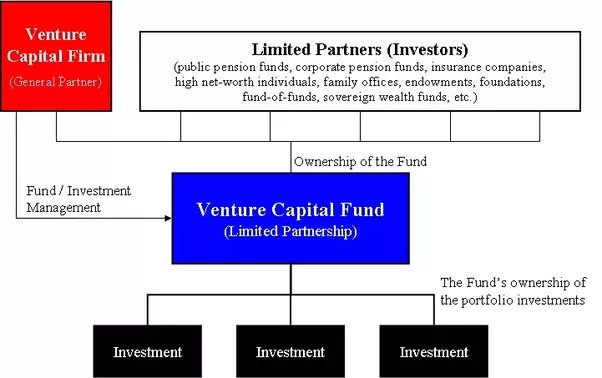
Venture capital funds play a pivotal role in fueling innovation and growth by providing capital to startups and high-potential companies. A critical aspect of these funds is the contribution made by general partners (GPs), who are responsible for managing the fund and making investment decisions. Typically, GPs contribute a small percentage of the total fund size, often ranging from 1% to 2%, as a demonstration of their commitment and alignment with limited partners (LPs). This contribution, known as the GP commitment, serves as a signal of confidence and ensures that GPs share in both the risks and rewards of the fund’s performance. Understanding the typical GP contribution is essential for investors and entrepreneurs navigating the venture capital landscape.
What is the Typical GP Contribution to a Venture Capital Fund?
In the world of venture capital, the General Partner (GP) plays a crucial role in managing and operating the fund. One of the key aspects of this role is the GP's financial contribution to the fund, which aligns their interests with those of the Limited Partners (LPs). Typically, the GP contributes 1% to 2% of the total fund size, although this can vary depending on the fund's structure and agreements. This contribution is often referred to as the GP commitment and serves as a demonstration of the GP's confidence in the fund's success.
See Also Can Startups Raise Capital From Both Vcs and Crowdfunding?
Why is the GP Contribution Important?
The GP contribution is essential because it aligns the interests of the GP with those of the LPs. By investing their own capital, GPs demonstrate a commitment to the fund's success, ensuring they are motivated to generate strong returns. This skin in the game approach fosters trust and accountability between the GP and LPs.
How is the GP Contribution Structured?
The GP's contribution is typically structured as a percentage of the total fund size. For example, if a fund raises $100 million, the GP might contribute $1 million to $2 million. This amount is often paid in cash, but in some cases, it may include in-kind contributions such as intellectual property or other assets.
See Also What Are Differences Between Venture Series a B C D and Seed Rounds
What Happens if the GP Cannot Meet the Contribution?
If a GP is unable to meet their contribution, it can raise concerns among LPs about the GP's financial stability or commitment. In such cases, the fund's Limited Partnership Agreement (LPA) may outline specific remedies, such as reducing the GP's management fees or requiring additional contributions from the GP.
How Does the GP Contribution Impact Fund Performance?
A higher GP contribution can signal stronger confidence in the fund's potential, which may attract more LPs. Additionally, it ensures that the GP is financially incentivized to make prudent investment decisions, potentially leading to better fund performance.
See Also Was the Moon Landing Actually a Waste of Money?
Are There Variations in GP Contributions Across Funds?
Yes, GP contributions can vary based on the fund's size, strategy, and the GP's financial capacity. For instance, larger funds may require a smaller percentage contribution from the GP, while smaller funds might demand a higher percentage to ensure alignment of interests.
| Aspect | Details |
|---|---|
| Typical GP Contribution | 1% to 2% of the total fund size |
| Purpose | Aligns GP and LP interests |
| Structure | Cash or in-kind contributions |
| Impact on Fund Performance | Higher contributions may signal confidence and attract LPs |
| Variations | Depends on fund size and strategy |
How much does a GP contribute to a fund?
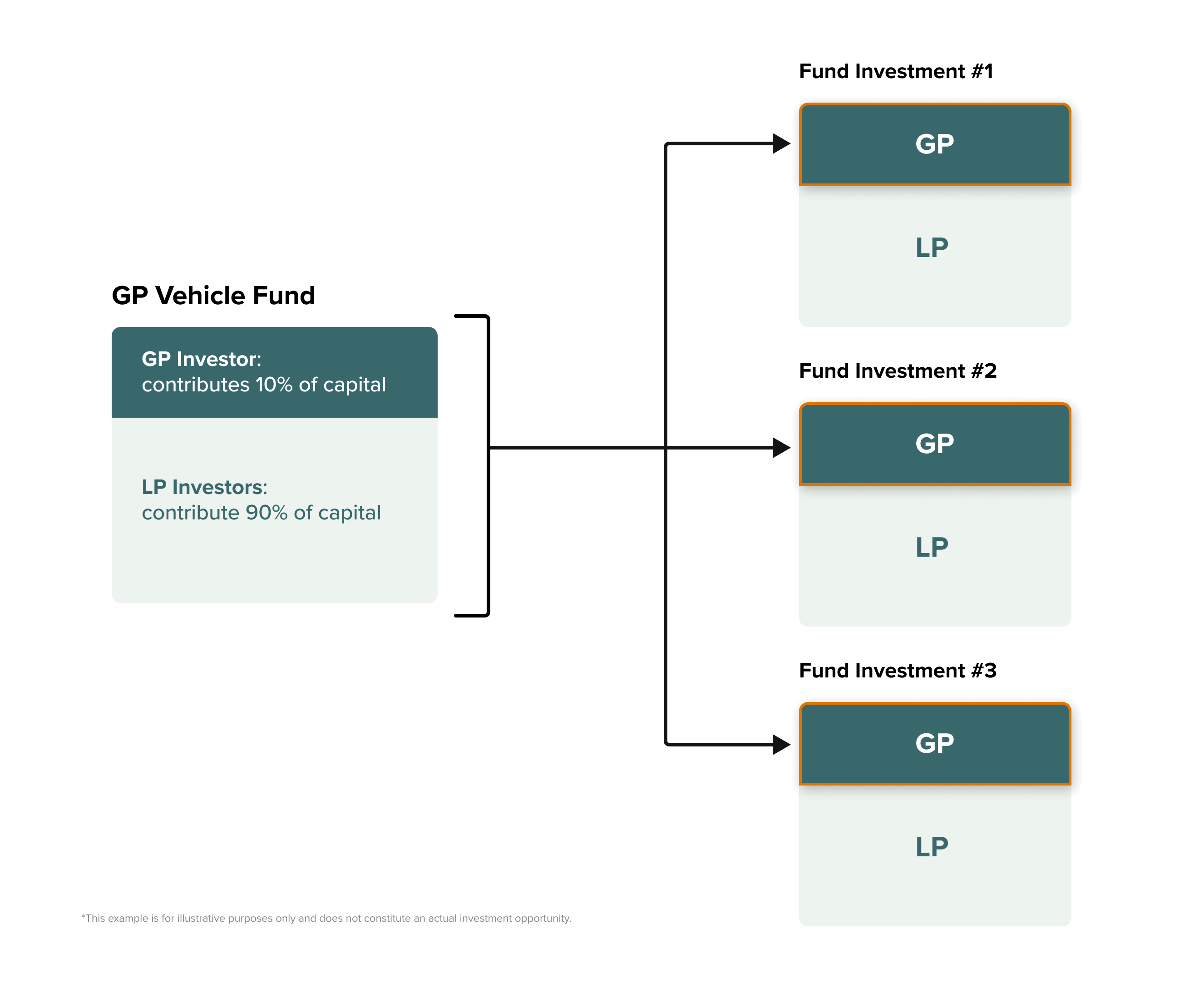
Understanding the General Partner's Contribution
The General Partner (GP) typically contributes a small percentage of the total fund size, often ranging from 1% to 5%. This contribution is crucial as it aligns the GP's interests with those of the Limited Partners (LPs). The GP's commitment demonstrates confidence in the fund's success and ensures that the GP has skin in the game.
- Alignment of Interests: The GP's contribution ensures that their financial interests are aligned with the LPs, fostering trust and commitment.
- Risk Sharing: By contributing capital, the GP shares in the risks and rewards of the fund, which can enhance the fund's credibility.
- Regulatory Requirements: In some jurisdictions, there are regulatory requirements that mandate a minimum GP contribution to ensure accountability.
Factors Influencing the GP's Contribution
Several factors can influence the amount a GP contributes to a fund. These include the fund's size, the GP's financial capacity, and the terms negotiated with LPs. Larger funds might see a smaller percentage contribution from the GP, while smaller funds might require a higher percentage to meet minimum thresholds.
- Fund Size: Larger funds may require a smaller percentage contribution from the GP due to the sheer scale of the capital involved.
- GP's Financial Capacity: The GP's ability to contribute is often limited by their financial resources, which can vary widely.
- Negotiation with LPs: The terms of the GP's contribution are often negotiated with LPs, who may push for a higher commitment to ensure alignment.
Impact of GP Contribution on Fund Performance
The GP's contribution can have a significant impact on the fund's performance. A higher contribution can lead to better alignment of interests, potentially resulting in more prudent investment decisions and better overall performance.
- Enhanced Alignment: A higher GP contribution can lead to better alignment of interests, which may result in more careful investment decisions.
- Investor Confidence: LPs may feel more confident in the fund's management if the GP has a substantial stake, potentially leading to higher commitments from LPs.
- Performance Incentives: The GP's contribution can serve as a performance incentive, motivating the GP to maximize returns for all stakeholders.
Legal and Regulatory Considerations
Legal and regulatory frameworks often dictate the minimum GP contribution to a fund. These requirements are designed to ensure that the GP has a vested interest in the fund's success and to protect the interests of LPs.
- Regulatory Minimums: Many jurisdictions have minimum GP contribution requirements to ensure accountability and alignment.
- Legal Agreements: The GP's contribution is often outlined in the fund's legal agreements, which detail the terms and conditions of the investment.
- Compliance: GPs must ensure that their contributions comply with all relevant legal and regulatory requirements to avoid penalties or legal issues.
Comparing GP Contributions Across Different Funds
The GP's contribution can vary significantly across different types of funds. For example, venture capital funds might have different GP contribution norms compared to private equity or real estate funds. Understanding these differences is crucial for LPs when evaluating potential investments.
- Venture Capital Funds: These funds often require a higher GP contribution due to the higher risk and potential for significant returns.
- Private Equity Funds: In private equity, the GP's contribution might be lower, reflecting the larger fund sizes and different risk profiles.
- Real Estate Funds: Real estate funds might have varying GP contribution requirements based on the type of properties and the investment strategy.
What is the GP commitment for a VC fund?
What is the General Partner (GP) Commitment in a VC Fund?
The General Partner (GP) commitment refers to the portion of the venture capital fund that the GP invests from their own capital. This commitment is a critical component of aligning the interests of the GP with those of the Limited Partners (LPs). Typically, the GP commitment ranges from 1% to 5% of the total fund size, depending on the fund's structure and agreements.
- Alignment of Interests: The GP commitment ensures that the GP has skin in the game, fostering trust and alignment with LPs.
- Fund Size Impact: The percentage of GP commitment may vary based on the total fund size, with larger funds often requiring a smaller percentage.
- Regulatory Requirements: In some jurisdictions, there are legal or regulatory minimums for GP commitment to ensure accountability.
Why is GP Commitment Important in Venture Capital?
The GP commitment is crucial because it demonstrates the GP's confidence in the fund's strategy and their willingness to share in both the risks and rewards. This commitment is a key factor for LPs when evaluating a fund's potential success.
- Trust Building: LPs are more likely to invest in a fund where the GP has a significant personal stake.
- Risk Sharing: The GP's financial involvement ensures they are equally exposed to the fund's performance.
- Performance Incentive: A strong GP commitment motivates the GP to maximize returns for all investors.
How is GP Commitment Structured in VC Funds?
The structure of the GP commitment can vary, but it typically involves a combination of cash contributions and other forms of capital. The terms are outlined in the fund's Limited Partnership Agreement (LPA).
- Cash Contributions: The GP often contributes cash upfront as part of their commitment.
- Deferred Contributions: In some cases, the GP may commit to contributing capital over time or as the fund makes investments.
- Non-Cash Contributions: Occasionally, the GP may include non-cash assets, such as intellectual property or equity in portfolio companies.
What Factors Influence the Size of GP Commitment?
The size of the GP commitment is influenced by several factors, including the fund's strategy, the GP's financial capacity, and market norms. Larger commitments are often seen as a positive signal to LPs.
- Fund Strategy: Early-stage funds may require a higher GP commitment due to higher risk.
- GP Financial Capacity: The GP's ability to contribute capital impacts the size of their commitment.
- Market Standards: Industry norms and LP expectations play a significant role in determining the commitment size.
What Happens if the GP Fails to Meet Their Commitment?
If the GP fails to meet their commitment, it can lead to serious consequences, including legal action, loss of credibility, and strained relationships with LPs. The LPA typically outlines the penalties for non-compliance.
- Legal Ramifications: LPs may have the right to take legal action if the GP does not fulfill their commitment.
- Reputation Damage: Failing to meet the commitment can harm the GP's reputation in the venture capital community.
- Fund Performance Impact: A lack of GP commitment may lead to reduced confidence from LPs and potential difficulties in raising future funds.
How much does a VC GP make?
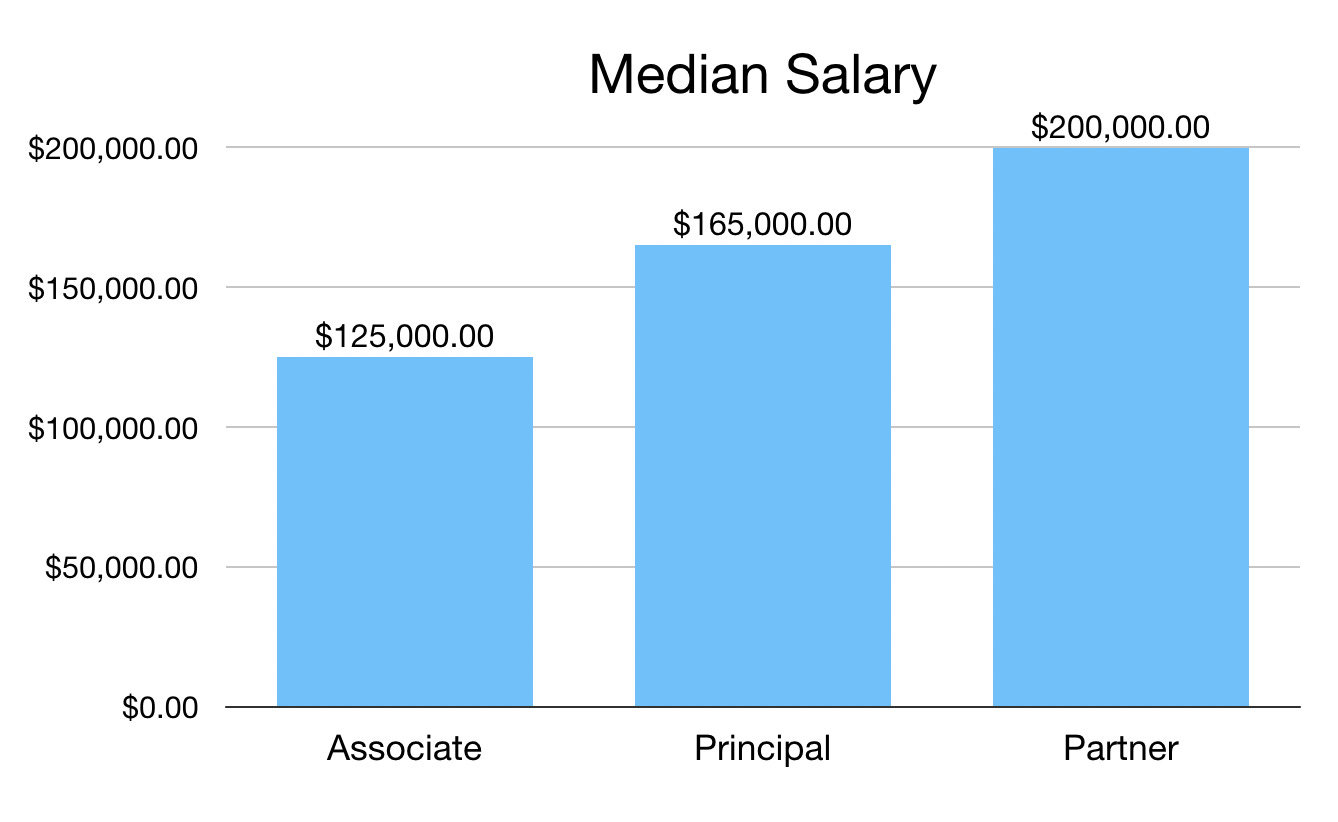
What is a Venture Capital General Partner (GP)?
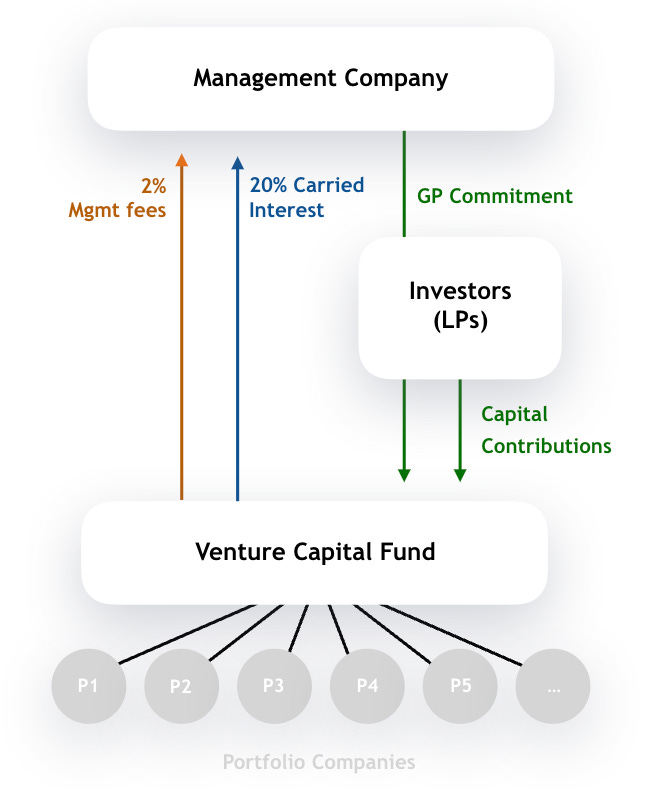
A Venture Capital General Partner (GP) is a key decision-maker in a venture capital firm, responsible for managing the fund, making investment decisions, and overseeing portfolio companies. GPs typically earn their income through a combination of management fees and carried interest. Here are the key components of their compensation:
- Management Fees: Typically 2% of the total fund size annually, used to cover operational costs and salaries.
- Carried Interest: A share of the profits, usually 20%, earned after the fund returns the initial capital to its investors.
- Additional Income: Some GPs may receive bonuses or other incentives based on fund performance.
How Much Do Venture Capital GPs Earn in Management Fees?
Management fees are a primary source of income for GPs and are calculated as a percentage of the total fund size. These fees are used to cover operational expenses and provide a steady income stream. Key details include:
- Standard Rate: Typically 2% of the fund's total assets under management (AUM).
- Fee Structure: May decrease over time as the fund matures or after a certain period.
- Usage: Covers salaries, office expenses, and other operational costs.
What is Carried Interest and How Does It Impact GP Earnings?
Carried interest is a significant portion of a GP's earnings, representing a share of the fund's profits. It is typically 20% of the profits after returning the initial capital to investors. Key points include:
- Profit Share: GPs receive 20% of the fund's profits after achieving a return threshold (hurdle rate).
- Long-Term Earnings: Carried interest is realized only after successful exits or liquidity events.
- Tax Implications: Often taxed at capital gains rates, which are lower than ordinary income rates.
How Do Fund Size and Performance Affect GP Compensation?
The size and performance of the venture capital fund directly impact a GP's earnings. Larger funds and higher returns lead to greater compensation. Key factors include:
- Fund Size: Larger funds generate higher management fees and potential carried interest.
- Performance: Strong fund performance increases carried interest payouts.
- Reputation: Successful GPs can raise larger funds in subsequent rounds, boosting earnings.
What Are the Additional Income Sources for Venture Capital GPs?
Beyond management fees and carried interest, GPs may have other income sources that contribute to their overall earnings. These include:
- Board Fees: GPs often sit on the boards of portfolio companies and may receive compensation for their roles.
- Co-Investments: GPs may invest their own money alongside the fund, earning additional returns.
- Consulting or Advisory Roles: Some GPs take on external roles that provide additional income.
What is a typical management fee for a VC fund?
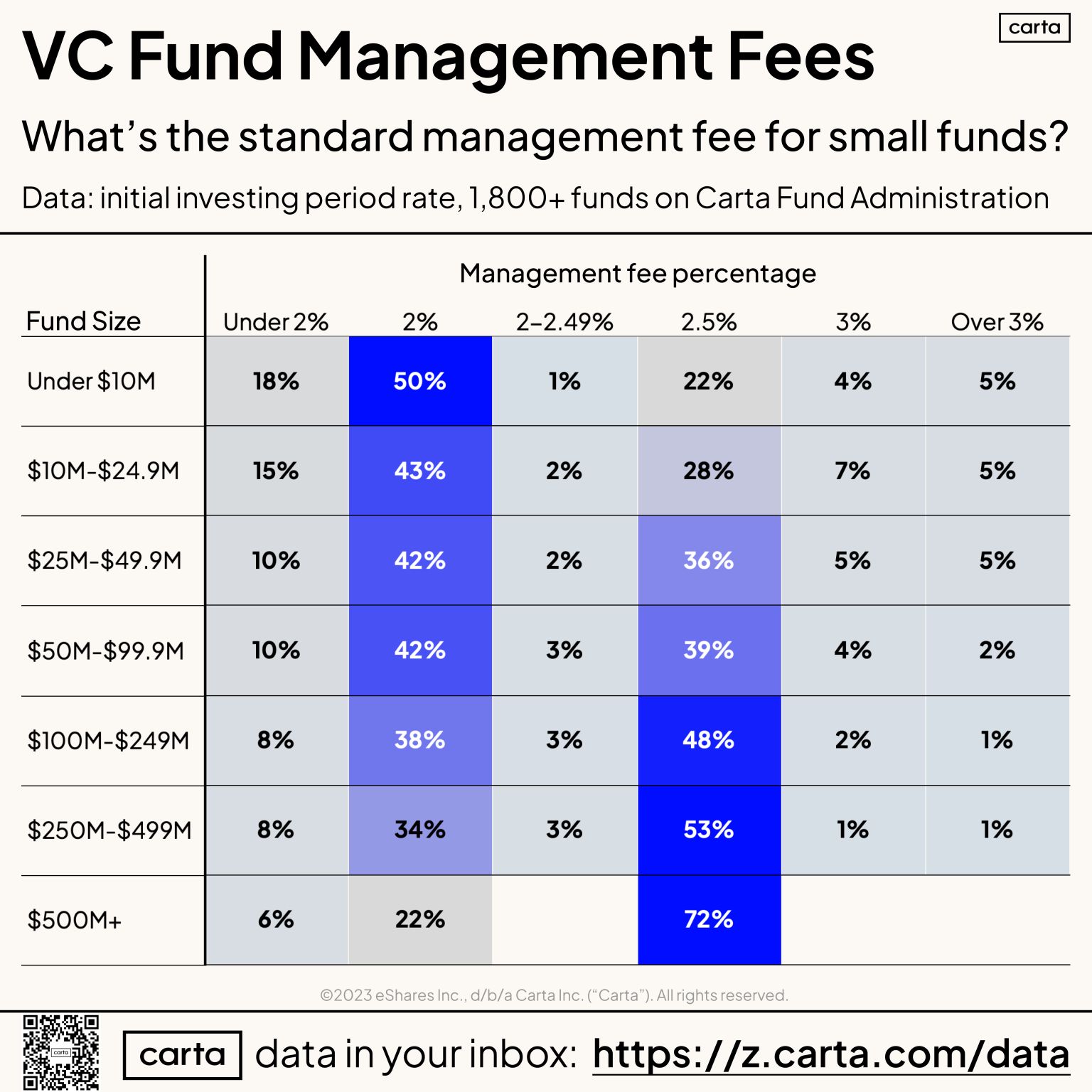
What is a Typical Management Fee for a VC Fund?
A typical management fee for a venture capital (VC) fund ranges between 1.5% to 2.5% of the total committed capital per year. This fee is charged by the VC firm to cover operational expenses, such as salaries, office costs, and due diligence activities. The percentage may vary depending on the fund size, stage of investment, and the reputation of the firm. For example:
- Early-stage funds often charge closer to 2.5% due to higher operational costs.
- Larger funds may charge closer to 1.5% as economies of scale reduce overhead costs.
- Some funds may reduce the fee percentage as the fund matures, often referred to as a step-down fee structure.
How Are Management Fees Calculated?
Management fees are calculated based on the total committed capital of the fund, not the deployed capital. This means investors pay fees on the entire amount they have pledged, regardless of whether the capital has been invested. Key points include:
- Fees are typically calculated annually and paid quarterly or semi-annually.
- The fee percentage may decrease over time, especially in later years of the fund's life.
- Some funds cap the total management fees to ensure alignment with investor interests.
What Factors Influence Management Fees?
Several factors can influence the management fee percentage charged by a VC fund. These include:
- Fund size: Larger funds often charge lower percentages due to economies of scale.
- Fund stage: Early-stage funds may charge higher fees due to increased operational complexity.
- Firm reputation: Established firms with a strong track record may command higher fees.
How Do Management Fees Compare to Carry?
Management fees and carried interest (carry) are two distinct components of VC compensation. While management fees cover operational costs, carry represents a share of the profits. Key differences include:
- Management fees are fixed and paid annually, while carry is performance-based.
- Carry is typically 20% of the fund's profits, whereas management fees are a smaller percentage of committed capital.
- Management fees ensure the firm's day-to-day operations, while carry aligns the firm's interests with investors' success.
Can Management Fees Be Negotiated?
In some cases, management fees can be negotiated, particularly for institutional investors or large limited partners (LPs). Factors that may influence negotiations include:
- The size of the investment: Larger commitments may warrant fee reductions.
- The investor's relationship with the VC firm: Long-standing relationships may lead to more favorable terms.
- Market conditions: Competitive fundraising environments may incentivize VCs to offer lower fees.
Frequently Asked Questions (FAQs)
What is the typical GP contribution to a venture capital fund?
The General Partner (GP) typically contributes a small percentage of the total fund size, often ranging between 1% to 5%. This contribution is known as the GP commitment and serves as a way to align the interests of the GP with those of the Limited Partners (LPs). By investing their own capital, GPs demonstrate confidence in the fund's strategy and commitment to achieving strong returns. The exact percentage can vary depending on the fund's size, the GP's financial capacity, and the terms negotiated with LPs.
Why do GPs contribute to venture capital funds?
GPs contribute to venture capital funds to align their interests with those of the LPs and to demonstrate their commitment to the fund's success. This skin in the game ensures that GPs are motivated to make prudent investment decisions and work diligently to generate returns. Additionally, a GP's contribution can enhance their credibility and trustworthiness, making it easier to attract LPs who want assurance that the GP is equally invested in the fund's performance.
How does the GP contribution affect fund management?
The GP's contribution plays a critical role in fund management by fostering a sense of shared responsibility and accountability. Since GPs have their own capital at stake, they are incentivized to carefully evaluate investment opportunities, manage risks, and maximize returns. This alignment of interests helps build trust with LPs and can lead to stronger long-term partnerships. Furthermore, the GP's commitment often influences the fund's overall strategy, as GPs are more likely to prioritize sustainable growth and prudent decision-making.
Can the GP contribution vary between venture capital funds?
Yes, the GP contribution can vary significantly between venture capital funds. Factors such as the fund size, the GP's financial resources, and the specific terms agreed upon with LPs can influence the percentage contributed. For example, smaller funds may require a higher GP commitment percentage, while larger funds might allow for a smaller percentage due to the substantial total capital involved. Additionally, some GPs may negotiate lower contributions in exchange for other concessions, such as reduced management fees or carried interest.
Leave a Reply
Our Recommended Articles