
What Are the Benefits of Venture Capital?

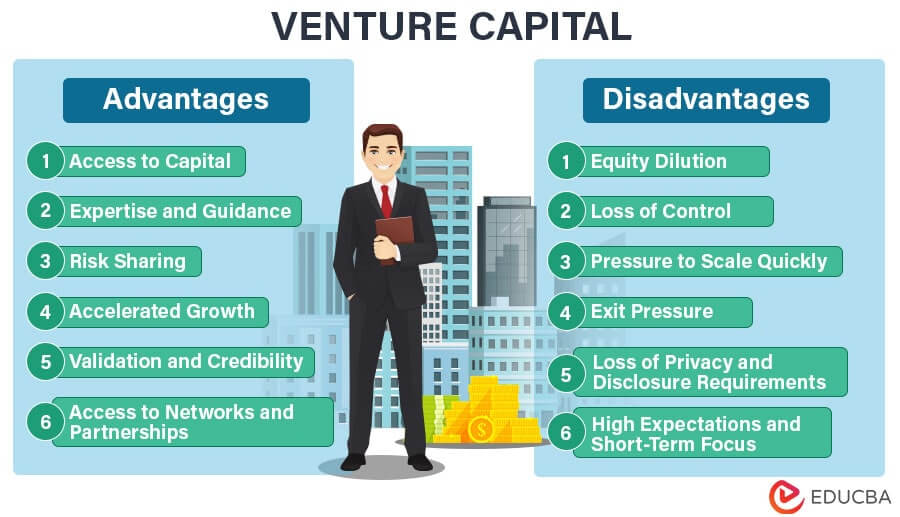
Venture capital (VC) is a form of private equity financing that provides funding to startups and small businesses with high growth potential. By investing in these companies, venture capitalists not only offer financial support but also bring valuable expertise, mentorship, and access to extensive networks. This type of funding is particularly crucial for innovative ventures that may struggle to secure traditional bank loans due to their unproven business models or lack of collateral. The benefits of venture capital extend beyond capital infusion, as it often accelerates growth, fosters innovation, and helps businesses scale rapidly. For entrepreneurs, VC funding can be a game-changer, enabling them to turn bold ideas into successful enterprises.
What Are the Benefits of Venture Capital?
Venture capital (VC) is a form of private equity financing that provides funding to startups and small businesses with high growth potential. This type of investment is crucial for companies that may not have access to traditional forms of financing, such as bank loans. Below, we explore the key benefits of venture capital and how it can propel businesses to success.
See Also What Are All Pros and Cons of Venture Capital?
1. Access to Significant Funding
One of the most significant benefits of venture capital is the access to substantial financial resources. Unlike traditional loans, venture capital investments do not require immediate repayment, allowing businesses to focus on growth rather than debt management. This funding can be used for product development, market expansion, hiring talent, and scaling operations.
2. Expertise and Mentorship
Venture capitalists often bring more than just money to the table. They provide valuable expertise, industry connections, and mentorship. This guidance can help startups navigate challenges, refine their business strategies, and avoid common pitfalls. The experience of seasoned investors can be instrumental in steering a company toward success.
See Also What Are the Advantages and Disadvantages of Using Each of the Top Venture Capital Firms for Founders
3. Networking Opportunities
Venture capital firms have extensive networks that can open doors for startups. These connections can lead to partnerships, collaborations, and even customer acquisition. Being associated with a reputable VC firm can also enhance a company's credibility, making it easier to attract additional investors, partners, and top talent.
4. Accelerated Growth
With the financial backing and strategic support of venture capitalists, startups can achieve accelerated growth. The infusion of capital allows companies to scale quickly, enter new markets, and outpace competitors. This rapid growth can lead to increased market share and a stronger position in the industry.
See Also What is the Difference Between Early and Late Stage Venture Capital
5. Risk Sharing
Venture capital allows startups to share the financial risk with investors. Since VCs invest in multiple companies, they spread their risk across a portfolio of businesses. This shared risk model can be particularly beneficial for startups, as it reduces the pressure on the founders and allows them to take calculated risks that can lead to significant rewards.
| Benefit | Description |
|---|---|
| Access to Significant Funding | Provides substantial financial resources without immediate repayment obligations. |
| Expertise and Mentorship | Offers valuable guidance, industry connections, and strategic advice. |
| Networking Opportunities | Opens doors to partnerships, collaborations, and customer acquisition. |
| Accelerated Growth | Enables rapid scaling, market entry, and competitive advantage. |
| Risk Sharing | Distributes financial risk across a portfolio of investments. |
Who benefits most from venture capital?

 What is the Difference Between Fundraising Venture Capital and Private Investments
Startups and Entrepreneurs
Startups and entrepreneurs are the primary beneficiaries of venture capital. This funding allows them to:
- Scale their operations quickly by investing in technology, talent, and infrastructure.
- Accelerate product development to bring innovative solutions to market faster.
- Gain credibility in the industry, attracting further investment and partnerships.
Venture Capital Firms
Venture capital firms benefit significantly from their investments by:
- Earning high returns on successful startups that go public or are acquired.
- Diversifying their portfolios across multiple industries and stages of growth.
- Building a reputation as key players in the innovation ecosystem.
Economy and Job Creation
The economy benefits from venture capital through:
- Job creation as startups expand and hire more employees.
- Increased innovation leading to new industries and market opportunities.
- Economic growth driven by successful companies contributing to GDP.
Investors and Limited Partners
Investors and limited partners gain from venture capital by:
- Accessing high-growth opportunities that are typically unavailable in traditional markets.
- Diversifying their investment portfolios to reduce risk and increase potential returns.
- Participating in the success of groundbreaking companies and technologies.
Society and Technological Advancement
Society benefits from venture capital through:
- Technological advancements that improve quality of life and solve global challenges.
- Increased competition leading to better products and services for consumers.
- Support for social impact initiatives that address critical issues like healthcare and sustainability.
What are the pros and cons of a venture capitalist?
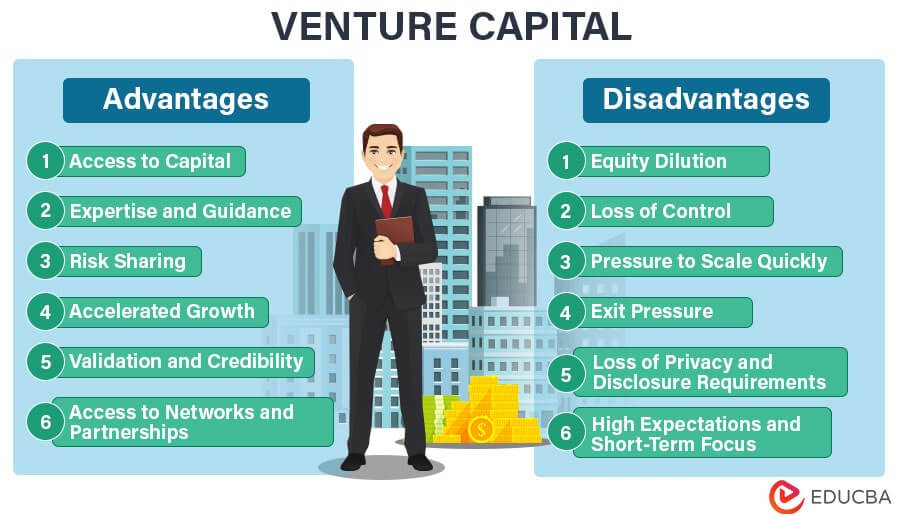
Advantages of Venture Capitalists
Venture capitalists provide significant benefits to startups and growing businesses. Here are the key advantages:
- Access to Capital: Venture capitalists offer substantial funding that can help businesses scale quickly and achieve their growth objectives.
- Expertise and Mentorship: They bring valuable industry knowledge, experience, and networks, which can guide startups in making strategic decisions.
- Credibility and Validation: Securing venture capital can enhance a company's reputation, making it easier to attract additional investors, partners, and customers.
Disadvantages of Venture Capitalists
While venture capitalists offer many benefits, there are also notable drawbacks to consider:
- Loss of Control: Venture capitalists often require equity and a say in business decisions, which can reduce the founder's autonomy.
- Pressure for High Returns: They expect significant returns on their investment, which can lead to aggressive growth strategies and potential burnout.
- Dilution of Ownership: Founders may have to give up a significant portion of their company's equity, reducing their stake and potential profits.
Impact on Business Growth
Venture capitalists can significantly influence the growth trajectory of a business. Here’s how:
- Accelerated Expansion: With access to capital, businesses can expand operations, enter new markets, and develop products faster.
- Strategic Guidance: Their expertise helps businesses avoid common pitfalls and make informed decisions.
- Resource Allocation: Venture capitalists often assist in optimizing resources to maximize efficiency and profitability.
Risks Associated with Venture Capital
Engaging with venture capitalists involves certain risks that businesses should be aware of:
- High Expectations: The pressure to deliver rapid growth and returns can strain the business and its team.
- Potential Conflicts: Differences in vision or strategy between founders and investors can lead to conflicts.
- Exit Strategy Demands: Venture capitalists often push for an exit strategy, such as an IPO or acquisition, which may not align with the founder's long-term goals.
Long-Term Implications for Founders
Working with venture capitalists can have lasting effects on founders and their businesses:
- Equity Dilution: Founders may lose a significant portion of their ownership, impacting their control and financial rewards.
- Increased Accountability: Regular reporting and performance reviews are often required, adding to the founder's responsibilities.
- Potential for Success: If the business succeeds, the rewards can be substantial, but failure can result in significant losses and reputational damage.
Why is venture capital so good?

Access to Significant Funding
Venture capital provides startups and growing companies with access to substantial financial resources that are often unavailable through traditional financing methods. This funding can be crucial for:
- Scaling operations quickly to meet market demand.
- Investing in research and development to innovate and stay competitive.
- Expanding into new markets or geographies.
Expert Guidance and Mentorship
Venture capitalists often bring more than just money to the table. They offer valuable expertise and mentorship, which can help businesses navigate challenges and grow effectively. Key benefits include:
- Strategic advice from experienced professionals.
- Access to a network of industry contacts and potential partners.
- Assistance in refining business models and strategies.
Accelerated Growth Opportunities
With venture capital, companies can achieve rapid growth that might otherwise take years. This acceleration is driven by:
- Increased marketing and sales efforts to capture market share.
- Investment in cutting-edge technology and infrastructure.
- Ability to attract top talent with competitive salaries and benefits.
Risk Mitigation for Startups
Venture capital helps mitigate the inherent risks of starting and growing a business. This is achieved through:
- Diversified funding sources reducing reliance on a single investor.
- Support during critical phases of business development.
- Providing a safety net for unforeseen challenges or market shifts.
Enhanced Credibility and Visibility
Securing venture capital can significantly boost a company's credibility and visibility in the market. This is because:
- Venture-backed companies are often perceived as more viable and promising by customers and partners.
- It attracts media attention and public interest, enhancing brand recognition.
- It can lead to further investment opportunities from other sources.
What are the benefits of working in venture capital?

Exposure to Cutting-Edge Innovations
Working in venture capital provides unparalleled access to cutting-edge technologies and innovative business models. Professionals in this field often interact with startups that are at the forefront of their industries, offering insights into emerging trends and future disruptions.
- Gain firsthand knowledge of disruptive technologies before they become mainstream.
- Collaborate with visionary entrepreneurs shaping the future of industries.
- Stay ahead of market trends by analyzing high-growth sectors.
Opportunity for High Financial Rewards
Venture capital is known for its potential to deliver significant financial returns. By investing in early-stage companies, professionals can benefit from substantial equity gains if the startups succeed.
- Earn carried interest from successful investments.
- Participate in lucrative exit events such as IPOs or acquisitions.
- Build a diversified portfolio with high-growth potential.
Networking with Industry Leaders
Venture capital professionals often interact with a wide range of stakeholders, including founders, investors, and industry experts. This networking can lead to valuable partnerships and career opportunities.
- Connect with influential figures in the startup ecosystem.
- Build relationships with serial entrepreneurs and seasoned investors.
- Access exclusive events and conferences to expand your professional network.
Skill Development and Career Growth
Working in venture capital hones a variety of skills, from financial analysis to strategic decision-making. This experience can accelerate career growth and open doors to leadership roles.
- Develop expertise in due diligence and investment evaluation.
- Enhance negotiation and deal structuring abilities.
- Gain experience in mentoring and advising startups.
Impact on Innovation and Society
Venture capital professionals play a crucial role in fostering innovation and driving economic growth. By supporting startups, they contribute to solving global challenges and creating jobs.
- Support mission-driven startups addressing societal issues.
- Contribute to the growth of emerging industries and technologies.
- Play a part in shaping the future of global economies.
Frequently Asked Questions (FAQs)
What is venture capital and how does it benefit startups?
Venture capital is a form of private equity financing provided to early-stage, high-potential startups with significant growth potential. The primary benefit of venture capital for startups is access to substantial funding that can help them scale their operations, develop innovative products, and enter new markets. Unlike traditional loans, venture capital does not require immediate repayment, reducing financial pressure on the business. Additionally, venture capitalists often bring valuable expertise, industry connections, and mentorship, which can significantly enhance a startup's chances of success.
How does venture capital help in accelerating business growth?
Venture capital plays a crucial role in accelerating business growth by providing the necessary financial resources to invest in research and development, marketing, and talent acquisition. With this funding, startups can quickly expand their operations and gain a competitive edge in the market. Moreover, venture capitalists often assist in strategic decision-making, helping businesses identify growth opportunities and avoid common pitfalls. This combination of funding and guidance enables startups to achieve milestones faster than they would through organic growth alone.
What are the long-term benefits of venture capital for a company?
The long-term benefits of venture capital extend beyond immediate financial support. Companies that secure venture capital often gain increased credibility in the eyes of customers, partners, and future investors. This credibility can open doors to additional funding rounds, partnerships, and even acquisition opportunities. Furthermore, the network and expertise provided by venture capitalists can help companies navigate challenges and sustain growth over time. In many cases, venture capital-backed companies are better positioned to achieve long-term success and profitability.
Can venture capital improve a company's chances of going public?
Yes, venture capital can significantly improve a company's chances of going public. Venture capitalists often prepare startups for an initial public offering (IPO) by helping them meet regulatory requirements, improve corporate governance, and build a strong financial foundation. The funding and resources provided by venture capitalists also enable companies to scale rapidly, making them more attractive to public market investors. Additionally, the reputation and connections of venture capitalists can enhance a company's visibility and credibility, increasing the likelihood of a successful IPO.
Leave a Reply
Our Recommended Articles