
What is the Difference Between Early and Late Stage Venture Capital


Venture capital (VC) plays a pivotal role in fueling the growth of startups and innovative businesses, but not all VC funding is the same. Understanding the distinction between early-stage and late-stage venture capital is crucial for entrepreneurs and investors alike. Early-stage venture capital typically supports startups in their initial phases, focusing on product development, market validation, and building a foundation for growth. In contrast, late-stage venture capital targets more established companies seeking to scale operations, expand market reach, or prepare for an exit. This article explores the key differences between these two stages, including risk profiles, investment sizes, and the strategic goals they serve.
- What is the Difference Between Early and Late Stage Venture Capital?
- What is the difference between early stage and late stage venture capital?
- Is series B early or late stage?
- What is the later stage of venture capital financing?
- What is the 2 6 2 rule of venture capital?
-
Frequently Asked Questions (FAQs)
- What is the main difference between early-stage and late-stage venture capital?
- How do the investment amounts differ between early-stage and late-stage venture capital?
- What are the typical goals of early-stage versus late-stage venture capital?
- How do the risks and returns compare between early-stage and late-stage venture capital?
What is the Difference Between Early and Late Stage Venture Capital?
Venture capital (VC) is a form of private equity financing that investors provide to startups and small businesses with high growth potential. The stage at which a company receives venture capital funding significantly impacts the terms, expectations, and risks involved. Early-stage and late-stage venture capital differ in terms of the company's maturity, funding amounts, risk levels, and investor expectations. Below, we explore these differences in detail.
See Also What is the Difference Between an Angel Series a and B Round of Funding
1. Definition of Early-Stage Venture Capital
Early-stage venture capital refers to funding provided to startups in their initial phases, typically during the seed or Series A rounds. At this stage, companies are often in the process of developing their product, building a team, or conducting market research. Investors in early-stage ventures take on higher risks, as the business model may not yet be proven, but they also have the potential for higher returns if the company succeeds.
2. Definition of Late-Stage Venture Capital
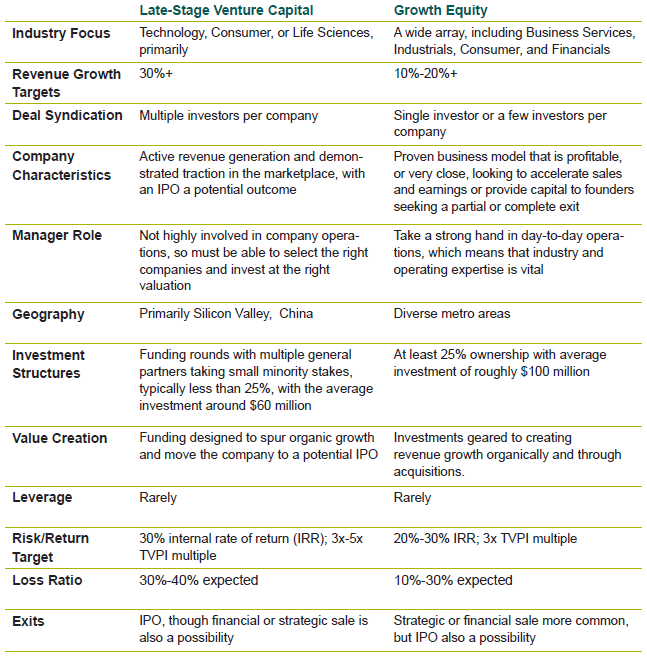
Late-stage venture capital is funding provided to more established companies that have demonstrated significant growth and market traction. These companies are usually in the Series B, C, or later rounds and are preparing for an IPO or acquisition. Late-stage investors face lower risks compared to early-stage investors, as the company has a proven track record, but the potential returns may also be lower due to the higher valuation of the company.
See Also What is the Difference Between Angel Investors Venture Capitalists and Silent Partner Investors
3. Key Differences in Funding Amounts
The amount of funding varies significantly between early and late-stage venture capital. Early-stage funding typically ranges from $500,000 to $5 million, depending on the startup's needs and the investors' confidence. In contrast, late-stage funding can range from $10 million to $100 million or more, as the company requires larger sums to scale operations, expand into new markets, or prepare for an IPO.
4. Risk and Return Profiles
Early-stage venture capital is inherently riskier due to the uncertainty surrounding the startup's success. However, investors who back the right companies at this stage can achieve exponential returns. Late-stage venture capital, on the other hand, involves lower risk since the company has already proven its business model and achieved significant milestones. The returns, while still substantial, are generally more predictable and less dramatic.
See Also What is the Best Software for Vc Fund Management?
5. Investor Expectations and Involvement
Early-stage investors often take a more hands-on approach, providing mentorship, strategic guidance, and networking opportunities to help the startup grow. They may also require a larger equity stake in the company. Late-stage investors, however, are more focused on financial returns and may have less involvement in day-to-day operations. Their primary goal is to ensure the company is well-positioned for a successful exit, such as an IPO or acquisition.
| Aspect | Early-Stage VC | Late-Stage VC |
|---|---|---|
| Funding Amount | $500,000 - $5 million | $10 million - $100 million+ |
| Risk Level | High | Low to Moderate |
| Return Potential | Exponential | Predictable |
| Investor Involvement | Hands-on | Less Involved |
| Company Stage | Seed/Series A | Series B, C, or Later |
What is the difference between early stage and late stage venture capital?
 What Are the Good Ways to Calculate Percentage of Equity Giving to Venture Capital When a Startup Gets Funded
What is Early Stage Venture Capital?
Early stage venture capital refers to investments made in startups during their initial phases of development. This stage typically includes seed funding and Series A rounds. Investors at this stage take on higher risks but also have the potential for significant returns if the startup succeeds. Key characteristics include:
- High risk: Startups are often unproven, with limited revenue or market traction.
- Focus on innovation: Investors look for groundbreaking ideas or disruptive technologies.
- Smaller funding amounts: Investments are typically smaller compared to late-stage funding.
What is Late Stage Venture Capital?
Late stage venture capital involves funding more established companies that have demonstrated market viability and are scaling their operations. This stage includes Series B, C, D, and beyond. Investors at this stage seek lower risk and more predictable returns. Key characteristics include:
See Also How to Best Educate Myself About the Venture Capital Industry
- Lower risk: Companies have proven business models and consistent revenue streams.
- Focus on scaling: Funds are used to expand operations, enter new markets, or prepare for an IPO.
- Larger funding amounts: Investments are significantly larger compared to early-stage funding.
Key Differences in Investment Focus
The focus of early stage and late stage venture capital differs significantly. Early-stage investors prioritize innovation and potential, while late-stage investors emphasize growth and profitability. Key differences include:
- Early stage: Focuses on product development, market validation, and building a customer base.
- Late stage: Concentrates on scaling operations, increasing market share, and optimizing profitability.
- Risk tolerance: Early-stage investors accept higher uncertainty, while late-stage investors prefer stability.
Risk and Return Profiles
The risk and return profiles of early and late-stage venture capital vary significantly. Early-stage investments are riskier but offer higher potential returns, while late-stage investments are more stable but with lower upside potential. Key points include:
- Early stage: High failure rates but exponential growth potential for successful startups.
- Late stage: Lower failure rates but limited growth potential compared to early-stage investments.
- Valuation: Early-stage valuations are lower, while late-stage valuations are higher due to proven success.
Investor Expectations and Involvement
Investor expectations and involvement differ between early stage and late stage venture capital. Early-stage investors often take a hands-on approach, while late-stage investors focus on strategic guidance. Key differences include:
- Early stage: Investors provide mentorship, networking, and operational support.
- Late stage: Investors focus on strategic partnerships, market expansion, and financial oversight.
- Exit strategies: Early-stage investors aim for long-term exits like IPOs, while late-stage investors may seek quicker exits through acquisitions.
Is series B early or late stage?

What is Series B Funding?
Series B funding is a stage in the venture capital financing process where a company has already demonstrated significant growth and is looking to scale further. At this stage, the company has typically moved beyond the initial product development and market entry phases. Key characteristics of Series B funding include:
- Established product-market fit: The company has proven that its product or service meets a strong market demand.
- Revenue generation: The company is generating consistent revenue, though it may not yet be profitable.
- Expansion focus: The primary goal is to scale operations, enter new markets, or develop new products.
Is Series B Early or Late Stage?
Series B is generally considered a mid-to-late stage in the venture capital lifecycle. It comes after Series A, where the company has already validated its business model, and before Series C or later rounds, which focus on large-scale growth or preparing for an IPO. Key points to consider:
- Not early stage: Series B companies are past the initial startup phase and have a proven track record.
- Not final stage: While advanced, Series B is not the last funding round before an exit or IPO.
- Growth-oriented: The focus is on scaling rather than experimentation.
How Does Series B Compare to Series A?
Series B funding differs from Series A in several key ways. While Series A is about proving the business model, Series B is about scaling it. Here are the main differences:
- Funding amount: Series B rounds typically involve larger investments than Series A.
- Investor expectations: Investors in Series B expect clearer metrics and a path to profitability.
- Company maturity: Series B companies are more established, with a larger customer base and more robust operations.
What Are the Goals of Series B Funding?
The primary goals of Series B funding revolve around scaling the business and achieving sustainable growth. These goals include:
- Market expansion: Entering new geographic regions or customer segments.
- Product development: Enhancing existing products or launching new ones.
- Operational scaling: Building infrastructure, hiring talent, and improving processes.
Who Invests in Series B Rounds?
Series B rounds attract a mix of investors, including venture capital firms, private equity firms, and sometimes corporate investors. Key players include:
- Venture capital firms: These are the most common investors, often leading the round.
- Private equity firms: They may participate if the company shows strong potential for profitability.
- Strategic investors: Corporations may invest to align with the company’s growth or technology.
What is the later stage of venture capital financing?
What is Later Stage Venture Capital Financing?
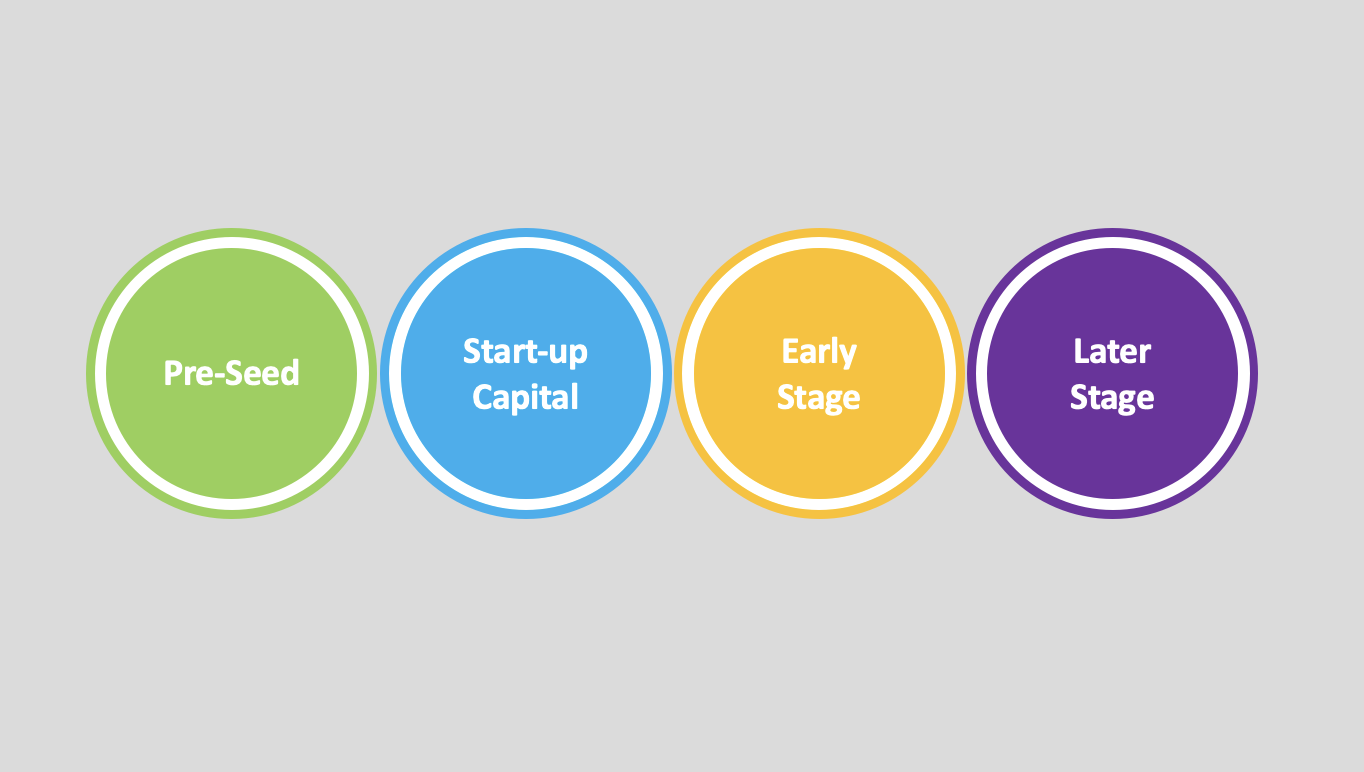
Later stage venture capital financing refers to the phase of funding where a startup has already demonstrated significant growth, achieved product-market fit, and is generating substantial revenue. At this stage, the company is typically preparing for an initial public offering (IPO) or a strategic acquisition. Investors in this phase focus on scaling operations, expanding market share, and optimizing profitability.
- Purpose: The primary goal is to provide capital for scaling operations, entering new markets, or preparing for an exit strategy.
- Investor Profile: Later stage investors often include private equity firms, hedge funds, and institutional investors.
- Risk Level: The risk is lower compared to early-stage investments, as the company has a proven track record.
Key Characteristics of Later Stage Financing
Later stage financing is characterized by larger funding rounds, often exceeding $50 million, and a focus on profitability and scalability. Companies at this stage are usually valued at hundreds of millions or even billions of dollars.
- Funding Size: Investments are significantly larger, reflecting the company's maturity and growth potential.
- Valuation: Valuations are based on financial metrics like revenue, EBITDA, and market share.
- Exit Strategy: Investors expect a clear path to an IPO or acquisition.
Types of Later Stage Financing Rounds
Later stage financing typically includes Series C, D, E, and beyond. These rounds are often used to fund global expansion, acquisitions, or product diversification.
- Series C and Beyond: These rounds focus on scaling the business and preparing for an exit.
- Bridge Financing: Short-term funding to support the company until the next major round or exit.
- Mezzanine Financing: A hybrid of debt and equity, often used to minimize dilution before an IPO.
Benefits of Later Stage Venture Capital
Later stage financing offers several advantages, including access to substantial capital, strategic partnerships, and increased credibility in the market.
- Capital for Growth: Enables companies to scale operations and enter new markets.
- Strategic Support: Investors often provide expertise and connections to facilitate growth.
- Market Credibility: Attracts additional investors and enhances the company's reputation.
Challenges in Later Stage Financing
Despite its benefits, later stage financing comes with challenges such as high valuations, investor expectations, and pressure to deliver rapid growth.
- High Valuations: Companies may face difficulty justifying their valuation to new investors.
- Investor Expectations: Investors demand strong financial performance and a clear exit strategy.
- Growth Pressure: The need to scale quickly can strain resources and management.
What is the 2 6 2 rule of venture capital?
Understanding the 2 6 2 Rule in Venture Capital
The 2 6 2 rule is a framework used in venture capital to describe the expected outcomes of a portfolio of investments. It suggests that out of every 10 investments:
- 2 investments will yield significant returns, often referred to as home runs.
- 6 investments will either break even or result in moderate returns, often described as singles or doubles.
- 2 investments will fail completely, resulting in a total loss of capital.
Why the 2 6 2 Rule Matters in Venture Capital
The 2 6 2 rule is crucial for venture capitalists because it helps them manage expectations and allocate resources effectively. By understanding this distribution, investors can:
- Diversify their portfolio to mitigate risks associated with high failure rates.
- Focus on high-potential startups that have the potential to become home runs.
- Prepare for losses by setting aside capital for investments that may not succeed.
How the 2 6 2 Rule Impacts Startup Funding
For startups, the 2 6 2 rule highlights the competitive nature of venture capital funding. It emphasizes that:
- Only a small percentage of startups will achieve extraordinary success.
- Most startups will need to demonstrate consistent growth and profitability to secure funding.
- Failure is a common outcome, and startups must be resilient and adaptable to survive.
Applying the 2 6 2 Rule to Portfolio Management
Venture capitalists use the 2 6 2 rule to guide their investment strategies. Key considerations include:
- Identifying high-growth sectors where home run investments are more likely.
- Balancing risk and reward by investing in a mix of high-risk and stable startups.
- Monitoring portfolio performance to ensure alignment with the 2 6 2 distribution.
Limitations of the 2 6 2 Rule in Venture Capital
While the 2 6 2 rule provides a useful framework, it has its limitations. These include:
- Market volatility can disrupt the expected distribution of outcomes.
- Over-reliance on the rule may lead to missed opportunities outside the typical 2 6 2 pattern.
- Changing industry dynamics can make it difficult to predict which startups will succeed or fail.
Frequently Asked Questions (FAQs)
What is the main difference between early-stage and late-stage venture capital?
Early-stage venture capital typically refers to investments made in startups during their initial phases, such as seed or Series A rounds. These investments are often riskier because the company is still developing its product, market fit, and business model. In contrast, late-stage venture capital is invested in more established companies that have demonstrated significant growth, revenue, and market traction. Late-stage funding is generally less risky as the company has a proven track record and is closer to profitability or an exit event like an IPO.
How do the investment amounts differ between early-stage and late-stage venture capital?
In early-stage venture capital, investment amounts are usually smaller, ranging from a few hundred thousand dollars to a few million, as the focus is on helping startups build their foundation. On the other hand, late-stage venture capital involves much larger sums, often tens or hundreds of millions of dollars, to help companies scale operations, expand into new markets, or prepare for an IPO. The larger amounts reflect the reduced risk and the need for significant capital to fuel rapid growth.
What are the typical goals of early-stage versus late-stage venture capital?
The primary goal of early-stage venture capital is to help startups achieve product-market fit, build a customer base, and establish a viable business model. Investors at this stage are focused on innovation and potential. In contrast, late-stage venture capital aims to accelerate growth, optimize operations, and position the company for a successful exit, such as an acquisition or IPO. The focus shifts from potential to performance and scalability.
How do the risks and returns compare between early-stage and late-stage venture capital?
Early-stage venture capital carries higher risks due to the uncertainty of the startup's success, but it also offers the potential for higher returns if the company becomes a market leader. Many early-stage investments fail, but the ones that succeed can yield exponential returns. Late-stage venture capital is less risky because the company has already proven its viability, but the returns are generally lower compared to early-stage investments. However, late-stage investments still offer attractive returns, especially if the company goes public or is acquired at a high valuation.
Leave a Reply
Our Recommended Articles