
How Can Startup Companies Raise Money Initial Stage?

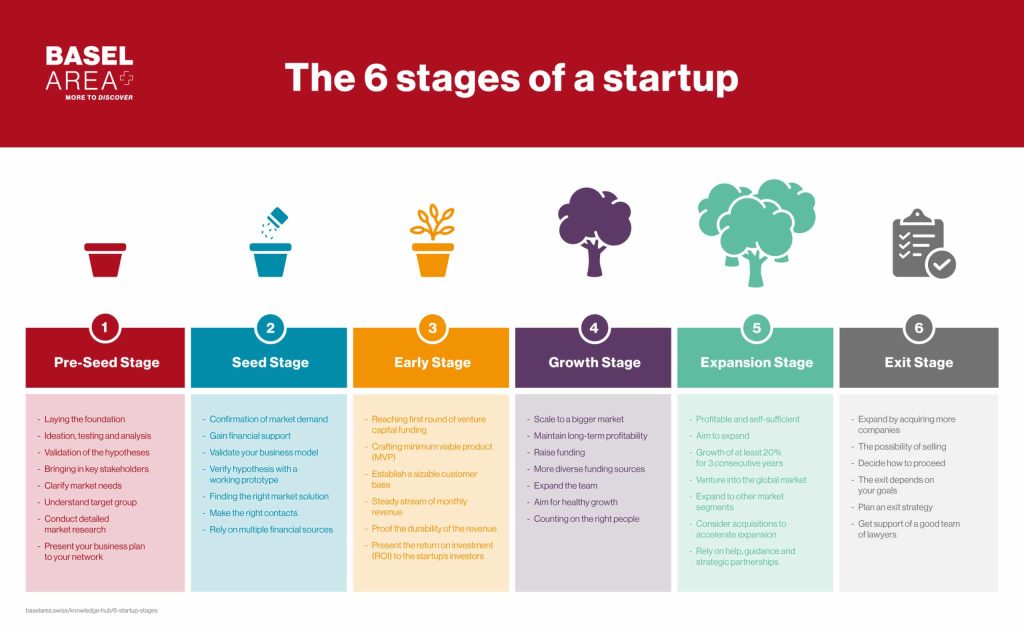
Raising funds in the initial stages is one of the most critical challenges faced by startup companies. Securing financial backing not only fuels product development and market entry but also builds credibility and attracts talent. Startups often rely on a mix of funding sources, including personal savings, family and friends, angel investors, venture capital, and crowdfunding platforms. Each option comes with its own advantages and risks, requiring founders to carefully evaluate their business model, growth potential, and long-term goals. Understanding the nuances of early-stage fundraising can significantly increase a startup’s chances of success, paving the way for sustainable growth and innovation in competitive markets.
How Can Startup Companies Raise Money at the Initial Stage?
Startup companies often face the challenge of securing funding during their initial stages. This phase is critical as it sets the foundation for growth and development. There are several strategies and methods that startups can employ to raise the necessary capital to get their business off the ground. Below, we explore five key approaches to raising money at the initial stage.
See Also Was the Moon Landing Actually a Waste of Money?
1. Bootstrapping: Self-Funding Your Startup
Bootstrapping involves using personal savings or revenue generated by the business to fund its operations. This method allows founders to maintain full control over their company without diluting equity. However, it requires careful financial management and may limit the speed of growth.
| Pros | Cons |
|---|---|
| Full ownership and control | Limited financial resources |
| No debt or equity dilution | Slower growth potential |
2. Angel Investors: Early-Stage Funding
Angel investors are individuals who provide capital to startups in exchange for equity or convertible debt. They often bring valuable industry experience and networks, which can be beneficial for the startup's growth. However, finding the right angel investor can be time-consuming.
See Also Can Startups Raise Capital From Both Vcs and Crowdfunding?
| Pros | Cons |
|---|---|
| Access to mentorship and networks | Equity dilution |
| Flexible terms | Time-intensive process |
3. Venture Capital: Scaling with Professional Investors
Venture capital (VC) firms invest in startups with high growth potential in exchange for equity. VCs typically provide larger amounts of funding compared to angel investors and can help startups scale quickly. However, they often require significant equity stakes and may influence business decisions.
| Pros | Cons |
|---|---|
| Substantial funding amounts | High equity dilution |
| Access to expertise and networks | Loss of control |
4. Crowdfunding: Engaging the Public
Crowdfunding platforms allow startups to raise small amounts of money from a large number of people, often in exchange for early access to products or other rewards. This method can also serve as a marketing tool, generating buzz around the startup. However, it requires a compelling pitch and marketing effort.
See Also Which Angels or Vcs Will Fund Hardware Startups?
| Pros | Cons |
|---|---|
| No equity dilution | Requires strong marketing |
| Market validation | Platform fees |
5. Government Grants and Subsidies: Non-Dilutive Funding
Government grants and subsidies provide non-repayable funds to startups, often targeting specific industries or innovations. This type of funding does not require equity dilution or repayment, making it an attractive option. However, the application process can be competitive and time-consuming.
| Pros | Cons |
|---|---|
| No equity or debt | Competitive application process |
| Focus on innovation | Restrictions on use of funds |
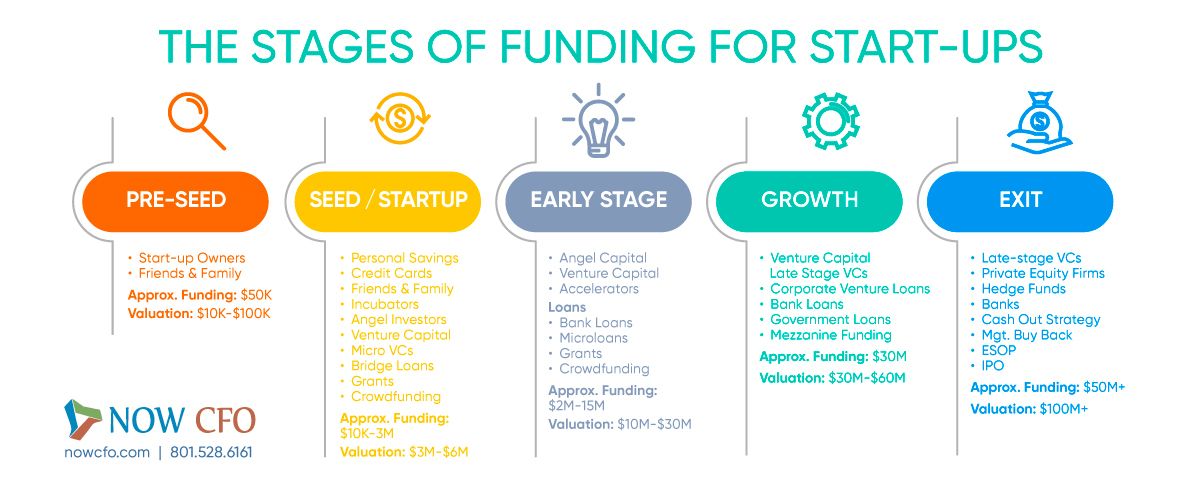
How do startups get initial funding?
 What is the Difference Between Venture and Non Venture Capital or in Other Words What is the Definition of Non Venture Capital
1. Bootstrapping: Self-Funding the Startup
Bootstrapping is one of the most common ways startups secure initial funding. This involves using personal savings, credit cards, or revenue generated from early sales to fund the business. Entrepreneurs who choose this path often do so to maintain full control over their company without relying on external investors. Key advantages of bootstrapping include:
- Full ownership: Founders retain 100% equity in the company.
- No debt: Avoiding loans or external funding reduces financial risk.
- Flexibility: Decisions can be made quickly without investor approval.
2. Friends and Family: Informal Funding Sources
Many startups turn to friends and family for initial funding. This is often the first external source of capital and is typically less formal than other funding methods. While this can be a quick way to raise funds, it’s important to approach it professionally to avoid straining personal relationships. Key considerations include:
- Clear agreements: Draft a formal agreement to outline repayment terms or equity stakes.
- Transparency: Be honest about the risks involved in investing in a startup.
- Communication: Keep investors updated on the company’s progress.
3. Angel Investors: Early-Stage Support
Angel investors are individuals who provide capital to startups in exchange for equity or convertible debt. They often invest in the early stages of a business and may also offer mentorship and industry connections. Startups seeking angel investors should focus on:
- Networking: Attend pitch events and industry conferences to connect with potential investors.
- Pitching: Prepare a compelling business plan and pitch deck to showcase the startup’s potential.
- Valuation: Be realistic about the company’s valuation to attract serious investors.
4. Venture Capital: Scaling with Professional Investors
Venture capital (VC) firms provide funding to startups with high growth potential in exchange for equity. This type of funding is typically reserved for businesses that have already demonstrated some level of success and are ready to scale. Key steps to secure venture capital include:
- Proven traction: Show evidence of market demand, revenue growth, or user acquisition.
- Strong team: Highlight the expertise and experience of the founding team.
- Exit strategy: Clearly outline how investors will achieve a return on their investment.
5. Crowdfunding: Engaging the Public for Support
Crowdfunding platforms like Kickstarter, Indiegogo, and GoFundMe allow startups to raise funds from a large number of people, often in exchange for early access to products or other rewards. This method is particularly effective for consumer-focused startups. To succeed in crowdfunding, startups should:
- Create a compelling campaign: Use videos, images, and storytelling to engage potential backers.
- Set realistic goals: Determine the minimum amount needed to achieve the project’s objectives.
- Promote actively: Leverage social media and other channels to drive traffic to the campaign.
How do you raise initial funding?

1. Bootstrapping Your Business
Bootstrapping is one of the most common ways to raise initial funding, especially for startups. This method involves using personal savings, credit cards, or revenue generated from early sales to fund the business. The advantage of bootstrapping is that it allows you to maintain full control over your business without giving up equity. Here are some key steps to bootstrap effectively:
- Start small: Focus on minimal viable products (MVPs) to reduce initial costs.
- Reinvest profits: Use early revenue to fund further growth and development.
- Leverage personal networks: Seek help from friends and family for low-interest loans or support.
2. Seeking Angel Investors
Angel investors are individuals who provide capital for startups in exchange for equity or convertible debt. They often bring not only funding but also valuable mentorship and industry connections. To attract angel investors, you need a compelling pitch and a clear business plan. Here’s how to approach them:
- Prepare a solid pitch deck: Highlight your business model, market potential, and growth strategy.
- Network actively: Attend startup events, pitch competitions, and industry conferences.
- Show traction: Demonstrate early customer interest or revenue to prove your concept.
3. Applying for Grants and Competitions
Grants and startup competitions are excellent sources of non-dilutive funding. Many organizations, governments, and corporations offer grants to support innovative ideas. Competitions often provide cash prizes, mentorship, and exposure. Here’s how to maximize your chances:
- Research opportunities: Look for grants and competitions aligned with your industry or mission.
- Tailor your application: Customize your proposal to meet the specific criteria of each opportunity.
- Highlight impact: Emphasize how your business solves a problem or creates value.
4. Crowdfunding Your Idea
Crowdfunding platforms like Kickstarter, Indiegogo, and GoFundMe allow you to raise funds from a large number of people. This method not only provides capital but also validates your idea by gauging public interest. To succeed in crowdfunding:
- Create a compelling campaign: Use videos, images, and storytelling to engage potential backers.
- Set realistic goals: Define clear funding targets and explain how the money will be used.
- Promote actively: Use social media, email marketing, and PR to reach a wider audience.
5. Approaching Venture Capitalists (VCs)
Venture capitalists invest in high-growth startups with the potential for significant returns. While VCs provide substantial funding, they often require equity and a say in business decisions. To attract VC funding:
- Build a scalable business model: Show how your business can grow rapidly and generate high returns.
- Demonstrate market potential: Provide data on market size, trends, and your competitive advantage.
- Assemble a strong team: Highlight the expertise and experience of your founding team.
What is a newly popular way of raising money to start a company?

Crowdfunding: A Modern Approach to Fundraising
Crowdfunding has emerged as a highly popular method for raising capital to start a company. This approach involves collecting small amounts of money from a large number of people, typically through online platforms. It allows entrepreneurs to showcase their ideas to a global audience and gain financial support without relying on traditional investors or loans. Key benefits include:
- Accessibility: Entrepreneurs can reach a wide audience, including potential customers and supporters.
- Validation: A successful campaign can validate the market demand for a product or service.
- No Equity Loss: Unlike venture capital, crowdfunding often doesn’t require giving up ownership stakes.
Equity Crowdfunding: Sharing Ownership for Capital
Equity crowdfunding is a variation where investors receive shares in the company in exchange for their contributions. This method is particularly appealing for startups looking to raise larger sums of money while offering backers a stake in the business. Key aspects include:
- Regulated Platforms: Platforms like SeedInvest and Crowdcube ensure compliance with financial regulations.
- Investor Engagement: Backers become stakeholders, often providing valuable feedback and support.
- Long-Term Relationships: Building a community of investors who are invested in the company’s success.
Revenue-Based Financing: Flexible Repayment Models
Revenue-based financing is gaining traction as an alternative to traditional loans. In this model, investors provide capital in exchange for a percentage of the company’s future revenue until a predetermined amount is repaid. This approach is ideal for businesses with steady cash flow. Key features include:
- No Fixed Payments: Repayments fluctuate based on revenue, reducing financial pressure.
- No Equity Dilution: Founders retain full ownership of their company.
- Alignment of Interests: Investors benefit as the company grows, fostering a partnership mindset.
Initial Coin Offerings (ICOs): Cryptocurrency-Based Funding
Initial Coin Offerings (ICOs) have become a revolutionary way for tech startups to raise funds. Companies issue their own cryptocurrency tokens, which investors purchase in exchange for established cryptocurrencies like Bitcoin or Ethereum. Key points include:
- Global Reach: ICOs attract investors from around the world, bypassing geographical limitations.
- High Risk, High Reward: While potentially lucrative, ICOs are subject to regulatory scrutiny and market volatility.
- Blockchain Integration: Ideal for startups focused on blockchain technology or decentralized applications.
Angel Syndicates: Collaborative Investment Networks
Angel syndicates are groups of individual investors who pool their resources to fund startups. Led by a lead angel investor, these networks provide startups with access to larger amounts of capital and expertise. Key advantages include:
- Diverse Expertise: Startups gain access to a network of experienced investors with varied skills.
- Streamlined Process: The lead investor handles due diligence and negotiations, simplifying the fundraising process.
- Increased Credibility: Backing from a reputable syndicate can enhance a startup’s reputation.
How do startups raise funds?

1. Bootstrapping
Bootstrapping is one of the most common ways for startups to raise funds, especially in the early stages. This method involves using personal savings, revenue from initial sales, or minimal external resources to fund the business. The key advantage of bootstrapping is that it allows founders to maintain full control over their company without diluting equity. Here are some key points about bootstrapping:
- Personal Savings: Founders often use their own money to cover initial expenses.
- Revenue Reinvestment: Profits from early sales are reinvested into the business to fuel growth.
- Minimal Debt: Bootstrapping avoids taking on significant debt, reducing financial risk.
2. Angel Investors
Angel investors are individuals who provide capital to startups in exchange for equity or convertible debt. These investors are often experienced entrepreneurs or business professionals who offer not only funding but also mentorship and industry connections. Here are some important aspects of working with angel investors:
- Early-Stage Funding: Angel investors typically invest during the seed or early stages of a startup.
- Equity Exchange: In return for their investment, they receive a share of the company.
- Networking Opportunities: Angel investors often provide valuable industry contacts and advice.
3. Venture Capital
Venture capital (VC) is a form of financing provided by firms or funds to startups with high growth potential. VCs invest in exchange for equity and often take an active role in guiding the company. This type of funding is typically sought after the startup has demonstrated some level of success. Key points about venture capital include:
- High-Growth Potential: VCs look for startups that can scale rapidly and generate significant returns.
- Equity Stake: Venture capitalists usually require a substantial equity stake in the company.
- Strategic Guidance: VCs often provide strategic advice and help with scaling operations.
4. Crowdfunding
Crowdfunding is a method of raising funds by collecting small amounts of money from a large number of people, typically via online platforms. This approach allows startups to validate their ideas and gain early adopters while securing funding. Here are some key features of crowdfunding:
- Platform-Based: Campaigns are hosted on platforms like Kickstarter, Indiegogo, or GoFundMe.
- Reward-Based: Backers often receive rewards or early access to products in exchange for their support.
- Market Validation: Successful campaigns can demonstrate market demand for the product or service.
5. Bank Loans and Debt Financing
Startups can also raise funds through traditional bank loans or other forms of debt financing. This method involves borrowing money that must be repaid with interest over time. While it doesn’t require giving up equity, it does come with financial obligations. Key points about debt financing include:
- Collateral Requirement: Banks often require collateral or a strong credit history to approve loans.
- Interest Payments: Startups must repay the principal amount along with interest, which can be a financial burden.
- No Equity Dilution: Unlike equity financing, debt financing allows founders to retain full ownership of their company.
Frequently Asked Questions (FAQs)
What are the most common funding options for startup companies at the initial stage?
Startup companies at the initial stage often rely on a variety of funding options to get off the ground. Bootstrapping is one of the most common methods, where founders use their personal savings or revenue from early sales to fund the business. Another popular option is friends and family funding, where entrepreneurs seek financial support from their close network. Additionally, angel investors and venture capitalists can provide significant capital in exchange for equity. Crowdfunding platforms like Kickstarter or Indiegogo are also increasingly popular, allowing startups to raise funds directly from the public.
How can startups attract investors during the initial stage?
Attracting investors during the initial stage requires a compelling pitch and a clear demonstration of the startup's potential. Startups should focus on creating a detailed business plan that outlines their vision, market opportunity, and revenue model. Building a strong minimum viable product (MVP) can also help showcase the startup's capabilities and attract investor interest. Networking is crucial; attending industry events, joining startup incubators, and leveraging platforms like LinkedIn can help founders connect with potential investors. Additionally, demonstrating traction, such as early sales or user growth, can significantly increase the chances of securing funding.
What role do startup accelerators and incubators play in raising initial funds?
Startup accelerators and incubators play a vital role in helping early-stage companies raise funds. These programs provide not only funding but also mentorship, resources, and access to a network of investors. Accelerators typically offer a structured program that culminates in a demo day, where startups pitch to a room full of investors. Incubators, on the other hand, offer a more long-term support system, helping startups refine their business models and prepare for fundraising. Participating in these programs can significantly increase a startup's visibility and credibility, making it easier to attract additional funding.
What are the risks associated with raising money at the initial stage?
Raising money at the initial stage comes with several risks that startups need to be aware of. One major risk is equity dilution, where founders give up a significant portion of ownership to investors. This can lead to a loss of control over the company's direction. Another risk is the pressure to deliver quick returns, which can lead to short-term decision-making and potentially harm the company's long-term prospects. Additionally, there is the risk of misaligned expectations between founders and investors, which can result in conflicts. Startups must carefully evaluate their funding options and ensure they align with their long-term goals and values.
Leave a Reply
Our Recommended Articles