
Business Insurance Leads for Agents

In the competitive landscape of insurance sales, generating high-quality business insurance leads is a cornerstone of success for agents. Whether you’re an independent broker or part of a larger agency, identifying and converting reliable leads can determine your ability to grow a sustainable client base. Business insurance demands a nuanced approach, as clients often seek tailored coverage for diverse industries, risk levels, and operational scales. For agents, this means leveraging strategic tools, targeted marketing, and data-driven insights to connect with decision-makers actively seeking protection. This article explores proven methods to acquire, nurture, and convert business insurance leads, empowering agents to thrive in a dynamic and demanding market.
Effective Strategies to Generate Quality Business Insurance Leads for Agents
Understanding the Types of Business Insurance Leads
Business insurance leads can be categorized into exclusive leads, shared leads, cold leads, and warm leads. Exclusive leads are sold to a single agent, ensuring no competition, while shared leads are distributed to multiple agents, often at a lower cost. Cold leads require proactive outreach, as they have not expressed immediate interest, whereas warm leads are pre-qualified and more likely to convert. Identifying the right type of lead depends on an agent’s budget, expertise, and sales strategy.
See AlsoHow to Start a Business in Dubai| Lead Type | Attributes | Best For |
|---|---|---|
| Exclusive Leads | High cost, no competition | Agents with higher budgets |
| Shared Leads | Low cost, high competition | New agents testing markets |
| Cold Leads | Require nurturing | Agents with strong outreach skills |
| Warm Leads | Pre-qualified intent | Agents seeking faster conversions |
Leveraging Digital Marketing for Lead Generation
Digital marketing offers scalable methods to attract business insurance leads. SEO-optimized content targeting keywords like “business insurance quotes” or “commercial liability coverage” can drive organic traffic. Paid advertising (e.g., Google Ads) allows precise targeting of industries or business sizes. Social media campaigns on LinkedIn or Facebook can engage decision-makers, while email marketing nurtures leads with tailored solutions. Combining these strategies maximizes reach and conversion potential.
| Channel | Strategy | Key Benefit |
|---|---|---|
| SEO | Content/blogging | Long-term organic growth |
| Paid Ads | PPC campaigns | Immediate lead generation |
| Social Media | LinkedIn outreach | Direct B2B engagement |
| Email Marketing | Drip campaigns | Cost-effective nurturing |
Networking and Referral Strategies for Agents
Building relationships with local business associations, CPAs, and financial advisors can generate high-quality referrals. Attending industry events or hosting webinars positions agents as experts. Offering referral incentives to existing clients encourages them to recommend your services. For example, a 10% discount on premiums for successful referrals can motivate participation. This approach emphasizes trust and credibility, critical in the insurance industry.
See AlsoCost of an LLC in Ohio| Strategy | Method | Outcome |
|---|---|---|
| Industry Events | Trade shows, seminars | Direct access to decision-makers |
| Partner Referrals | Collaborate with CPAs | Pre-qualified leads |
| Client Incentives | Discounts for referrals | Increased word-of-mouth leads |
Using Lead Generation Services Effectively
Third-party lead generation services like InsureMatch or QuoteWizard provide pre-screened leads. Agents should evaluate providers based on lead freshness, target industries, and validation processes. For example, a service specializing in small business leads might offer better alignment for agents focusing on startups. Regularly tracking cost-per-lead and conversion rates ensures ROI and helps refine vendor selection.
| Service Feature | Importance | Example Providers |
|---|---|---|
| Lead Freshness | Higher conversion likelihood | InsureMatch |
| Industry Targeting | Relevance to niche markets | NetQuote |
| Verified Contacts | Reduces wasted effort | QuoteWizard |
Measuring and Optimizing Lead Quality
Agents must track metrics like lead-to-client ratio, response time, and customer lifetime value to assess lead quality. Tools like CRM software (e.g., Salesforce) automate tracking and highlight patterns. For instance, leads from SEO might have a lower upfront cost but higher lifetime value compared to paid ads. Continuous A/B testing of outreach messages and follow-up strategies improves conversion rates over time.
See AlsoHow to Start a Technology Company| Metric | Tool | Optimization Tip |
|---|---|---|
| Lead Score | CRM analytics | Prioritize high-score leads |
| Conversion Rate | Google Analytics | Refine landing pages |
| ROI per Channel | Marketing dashboards | Reallocate budget to top performers |
Is there a high demand for insurance agents?
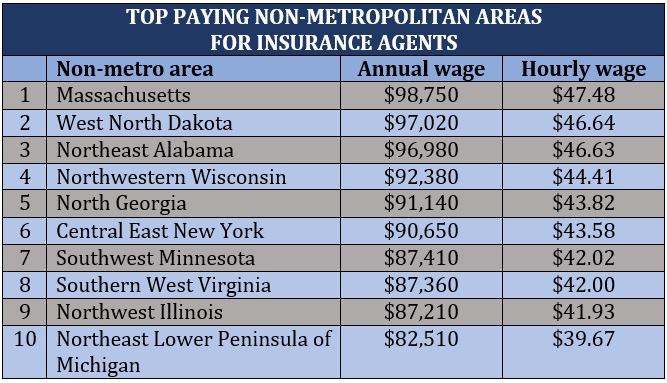
Factors Driving Demand for Insurance Agents
The demand for insurance agents remains steady due to evolving risks, regulatory changes, and the need for personalized financial planning. Industries like healthcare, automotive, and real estate rely heavily on insurance products, creating consistent opportunities. Additionally, an aging population and retirement of existing agents contribute to job openings.
- Economic uncertainty increases demand for life, health, and property insurance.
- Regulatory shifts (e.g., healthcare laws) require expert guidance.
- Growing awareness of niche insurance (e.g., cyber, pet) opens new markets.
Industry Growth and Employment Projections
The U.S. Bureau of Labor Statistics projects moderate growth for insurance agent roles, with around 52,400 openings annually through 2032. While automation impacts some tasks, agents remain critical for complex policies and client relationships.
- Health and life insurance sectors show higher demand due to demographic trends.
- Independent agents thrive in customizable markets like commercial insurance.
- Remote work options expand recruitment beyond traditional regions.
Role of Technology in Shaping Demand
Technology enhances efficiency but doesn’t eliminate the need for agents. Tools like AI-driven analytics and online platforms allow agents to focus on client acquisition and tailored solutions.
- Insurtech startups collaborate with agents for hybrid service models.
- CRM systems improve client retention through personalized follow-ups.
- Digital licensing and training reduce entry barriers for new agents.
Challenges Facing Insurance Agents
Despite demand, agents face competition from direct-to-consumer platforms and consumer skepticism about commission-based advice. Staying updated on products and regulations is essential.
- Price comparison websites pressure agents to justify fees.
- Balancing lead generation with client education requires time investment.
- Regulatory compliance demands ongoing training.
Opportunities for Specialization
Agents who specialize in high-growth niches (e.g., cybersecurity insurance, senior care) gain a competitive edge. Certifications like CPCU or CLU enhance credibility.
- Cyber insurance grows as businesses face digital threats.
- Senior market expansion due to aging populations boosts demand for Medicare/annuity advisors.
- Green insurance products align with sustainability trends.
Frequently Asked Questions (FAQs)
What Are Business Insurance Leads and Why Are They Important for Agents?
Business insurance leads are potential clients actively seeking or likely to need commercial insurance coverage. These leads provide agents with contact information, business details, and insights into specific insurance needs. For agents, they are critical because they streamline the prospecting process, allowing agents to focus on qualified businesses instead of cold outreach. High-quality leads improve conversion rates, reduce time wasted on unqualified prospects, and help agents build a robust pipeline of clients.
How Can Agents Generate High-Quality Business Insurance Leads?
Agents can generate high-quality business insurance leads through strategies like digital marketing (SEO, PPC ads), networking with local business groups, or partnering with industry-specific associations. Lead generation tools, such as targeted email campaigns or social media outreach, also help identify businesses in need of coverage. Additionally, purchasing leads from verified lead providers ensures access to pre-screened prospects. Consistency in follow-ups and leveraging CRM software to track interactions further enhances lead quality.
What Criteria Define a High-Quality Business Insurance Lead?
A high-quality lead typically includes accurate contact details, business size, industry type, and clear insurance needs (e.g., liability, property, or workers' compensation). The lead should also indicate purchasing intent, such as recent inquiries or policy renewals. Factors like budget transparency, decision-maker accessibility, and business location also matter. Agents should prioritize leads with verified data to avoid wasting resources on outdated or irrelevant information.
How Can Agents Effectively Follow Up on Business Insurance Leads?
Timely follow-up is crucial—contact leads within 24–48 hours to capitalize on their interest. Personalize communication by referencing the business’s specific risks or industry challenges. Use a mix of channels, such as phone calls, emails, and even direct mail, to stay top-of-mind. Automated tools, like email drip campaigns or CRM reminders, help maintain consistent engagement. Always provide value in follow-ups, such as sharing case studies or coverage tips, to build trust and position yourself as a knowledgeable advisor.
Leave a Reply
Our Recommended Articles