
Rv Storage Business Insurance Cost

Operating an RV storage business involves unique risks, from property damage to liability claims, making tailored insurance coverage essential. Understanding the cost of insurance for such a venture requires evaluating factors like facility size, location, security measures, and the value of stored vehicles. Policies typically include property insurance, general liability, and coverage for equipment or environmental hazards, with premiums influenced by deductibles, coverage limits, and local regulations. While costs vary widely, balancing affordability and comprehensive protection is key to safeguarding assets and maintaining customer trust. This article explores the variables impacting RV storage business insurance expenses and strategies to optimize coverage without compromising financial stability.
Understanding the Key Factors Affecting RV Storage Business Insurance Costs
Types of Insurance Coverage for RV Storage Businesses
RV storage businesses require specialized insurance to address risks like property damage, theft, and liability. Common policies include general liability insurance (covers accidents or injuries on-site), commercial property insurance (protects storage structures and equipment), and storage bailee insurance (covers customers’ RVs under your care). Additional options like business interruption insurance or cyber liability insurance may apply depending on operational scope. Costs vary based on coverage limits and risk exposure.
See AlsoWhat Types of Insurance Should a Saas Startup Have at Various Revenue Levels?| Coverage Type | What It Covers | Average Annual Cost |
|---|---|---|
| General Liability | Third-party injuries, property damage | $500–$1,500 |
| Commercial Property | Building, equipment, inventory | $1,000–$3,000 |
| Storage Bailee | Customers’ stored RVs | $800–$2,500 |
Insurance costs depend on variables like location (high-crime areas increase premiums), facility size (larger spaces mean higher coverage limits), and security measures (surveillance systems reduce risks). Insurers also evaluate claim history and storage unit construction quality. For example, climate-controlled units may lower premiums by minimizing weather-related damage risks.
| Factor | Impact on Cost |
|---|---|
| Location Risk | High-crime regions = +20–30% |
| Security Systems | Discounts up to 15% |
| Claims History | Frequent claims = +10–25% |
How to Reduce Insurance Costs for RV Storage Businesses
Lower premiums by implementing 24/7 surveillance, fire suppression systems, and employee training programs. Bundling policies (e.g., liability + property) often unlocks discounts. Regularly review coverage to eliminate redundancies and negotiate deductibles. Partnering with insurers specializing in storage businesses can also yield competitive rates.
See Also What Are the Best Mba Programs to Learn About Venture Capital
| Cost-Saving Strategy | Potential Savings |
|---|---|
| Multi-Policy Discounts | 10–20% off total premiums |
| Enhanced Security | Up to 25% reduction |
| Higher Deductibles | Lower annual premiums |
Understanding Coverage Limits and Deductibles
Coverage limits define the maximum payout per claim, while deductibles are out-of-pocket costs before insurance kicks in. Higher limits raise premiums but provide better protection. For example, a $1 million general liability policy may cost $1,200 annually, whereas a $2 million limit could cost $1,800. Balance affordability with adequate risk mitigation.
| Term | Definition | Impact on Cost |
|---|---|---|
| Coverage Limit | Max insurer payout per claim | Higher limit = +20–50% |
| Deductible | Your payment before coverage | Higher deductible = -10–25% |
Comparing Insurance Providers for RV Storage Businesses
Evaluate insurers based on industry expertise, financial stability, and customer service. Request quotes highlighting coverage specifics, exclusions, and add-ons. Providers like Progressive, Nationwide, and Storable cater to storage businesses. Read reviews and verify licensing to avoid unreliable vendors.
See Also Which Venture Capitalists Make Investments in Fashion Tech Ventures and Are Fashion Savvy Themselves
| Provider Feature | Importance |
|---|---|
| Specialized Policies | Tailored to storage risks |
| Claims Response Time | Critical for minimizing downtime |
| Flexible Payment Plans | Eases cash flow management |
How much is insurance for a storage business?

Factors Influencing Storage Business Insurance Costs
The cost of insurance for a storage business depends on variables like location, size, coverage types, and risk factors. Businesses in areas prone to natural disasters or high crime rates may face higher premiums. Similarly, larger facilities or those storing high-value items often require more extensive coverage.
See Also What Are the Top Vc Firms in Israel?
- Location: Higher premiums in flood-prone or high-crime areas.
- Facility Size: Larger spaces often mean higher liability risks.
- Coverage Limits: Comprehensive policies (e.g., property, liability, and climate control coverage) increase costs.
Types of Insurance Coverage for Storage Businesses
Storage businesses typically need a mix of policies, including commercial property insurance, general liability insurance, and business interruption insurance. Specialty coverage like tenant insurance or vehicle insurance (for moving trucks) may also apply.
- Property Insurance: Covers damage to buildings and stored goods.
- Liability Insurance: Protects against lawsuits from injuries or property damage.
- Environmental Coverage: Optional for climate-controlled units or hazardous materials.
Average Cost Range for Storage Business Insurance
Annual premiums for storage businesses typically range between $1,000 to $10,000+, depending on coverage scope. Small facilities might pay closer to $1,500 annually, while large operations with specialized needs can exceed $15,000.
See Also Where Are Most Venture Capital Firms Located?
- Basic Coverage: $1,000–$3,000/year for minimal property and liability.
- Mid-Tier: $3,000–$7,000/year with added flood or theft protection.
- Premium Coverage: $7,000+ for high-value items or full-risk policies.
Ways to Reduce Insurance Costs for a Storage Business
Lower premiums by implementing security measures, bundling policies, or increasing deductibles. Insurers often offer discounts for proactive risk management.
- Security Systems: Install cameras, alarms, and gated access for discounts.
- Policy Bundling: Combine property, liability, and vehicle insurance under one provider.
- Claims History: Maintain a clean record to negotiate lower rates.
Industry-Specific Insurance Considerations
Storage businesses face unique risks, such as tenant disputes, climate control failures, or regulatory compliance issues. Tailored policies address these challenges.
- Tenant Legal Liability: Coverage for damage caused by customers.
- Equipment Breakdown: Protects HVAC systems in climate-controlled units.
- Regulatory Fines: Optional coverage for compliance violations.
What kind of insurance does a storage facility need?
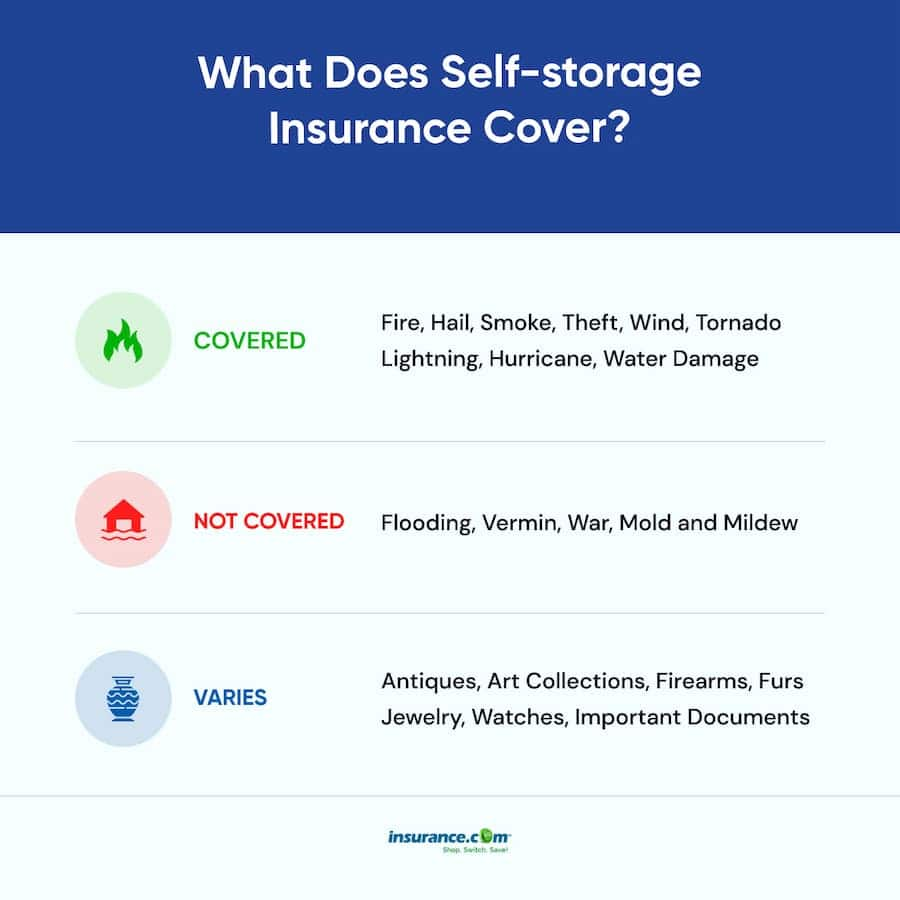
General Liability Insurance for Storage Facilities
Storage facilities require general liability insurance to protect against third-party claims of bodily injury, property damage, or personal injury. This coverage is critical for accidents like slips and falls on the premises or damage caused to a customer’s vehicle in the parking lot.
- Covers medical expenses and legal fees if a customer is injured on-site.
- Protects against claims of property damage caused by facility negligence.
- Includes coverage for advertising injuries, such as slander or copyright infringement.
Property Insurance for Storage Facility Structures
Property insurance safeguards the physical structures of the storage facility, including storage units, office buildings, and fencing, against risks like fire, vandalism, or severe weather.
- Reimburses repair or rebuilding costs for damaged structures.
- Covers equipment and tools used for facility maintenance.
- May include business interruption coverage for lost income during repairs.
Storage Bailee Insurance for Customer Belongings
Storage bailee insurance protects customers’ stored items from perils like theft, water damage, or pest infestations. Unlike standard property insurance, this addresses liability for goods under the facility’s care.
- Covers damage to customer property due to facility negligence.
- May include coverage for environmental hazards (e.g., mold).
- Often required in rental agreements to build tenant trust.
Workers’ Compensation Insurance for Employees
Workers’ compensation is mandatory in most regions if the facility has employees, covering medical bills and lost wages due to work-related injuries.
- Protects against claims from employee injuries (e.g., lifting accidents).
- Reduces legal risks if an employee sues over unsafe conditions.
- Covers rehabilitation costs and disability benefits.
Commercial Auto Insurance for Storage Facility Vehicles
If the facility uses vehicles for maintenance, deliveries, or tenant assistance, commercial auto insurance covers accidents, theft, or damage.
- Includes liability coverage for third-party injuries or property damage.
- Covers repairs or replacements for owned or leased vehicles.
- May offer coverage for rented or employee-owned vehicles used for business.
Cyber Liability Insurance for Data Protection
Storage facilities handling customer payments or personal data online need cyber liability insurance to address breaches, ransomware, or data theft.
- Covers costs of notifying customers after a breach.
- Funds legal fees and regulatory fines related to data leaks.
- Supports recovery of compromised systems and lost revenue.
How much does it cost to start an RV storage business?

Initial Investment and Startup Costs
Starting an RV storage business requires an initial investment ranging from $50,000 to $500,000+, depending on factors like location, size, and amenities. Key expenses include land acquisition, site preparation, permits, security systems, and insurance.
- Land purchase/lease: $100,000–$1,000,000+ (varies by region and lot size).
- Site preparation: $20,000–$100,000+ (grading, paving, fencing).
- Permits/licenses: $5,000–$20,000 (zoning, environmental, and business permits).
Land Acquisition and Site Preparation
Land costs are often the largest expense. Rural areas may offer cheaper land, while urban locations demand higher prices but attract more customers. Site preparation includes utilities, drainage, and accessibility features.
- Zoning compliance: $2,000–$15,000 (ensuring land meets local regulations).
- Utility installation: $10,000–$50,000 (electricity, water, sewage).
- Paving and fencing: $15,000–$75,000 (durable surfaces and security barriers).
Construction and Infrastructure Costs
Building storage facilities or covered spaces adds significant costs. Basic lots require minimal infrastructure, while premium options like climate-controlled units increase expenses.
- Basic open-air parking: $5,000–$30,000 (per 10–20 spaces).
- Covered/canopy storage: $20,000–$100,000+ (per structure).
- Security systems: $10,000–$50,000 (cameras, gates, lighting).
Ongoing Operational Expenses
Monthly operational costs include property maintenance, staffing, marketing, and utilities. Budgeting for these ensures smooth business operations.
- Property taxes: $500–$5,000+ annually (varies by location).
- Insurance: $3,000–$10,000 yearly (liability and property coverage).
- Marketing: $200–$2,000 monthly (digital ads, signage, local partnerships).
Financing and Funding Options
Most entrepreneurs use loans, investors, or personal savings. SBA loans and commercial real estate financing are common options.
- Small Business Administration (SBA) loans: Up to $5 million (7–25-year terms).
- Private investors: Equity-based funding (10–30% ROI expectations).
- Crowdfunding/partnerships: $50,000–$200,000 (niche platforms or joint ventures).
How much does RV insurance cost?

What Factors Influence RV Insurance Costs?
RV insurance costs depend on multiple variables, including the type of RV, its usage, and the coverage options selected. For example, a luxury motorhome will typically cost more to insure than a small camper trailer. Other factors include:
- Driving history: Clean records often lead to lower premiums.
- Storage location: Secure storage reduces theft or damage risks.
- Full-time vs. recreational use: Insurers may charge more for full-time living due to increased liability.
Average Cost Range for RV Insurance
On average, RV insurance costs between $1,000 and $2,500 annually, but prices vary widely. For instance:
- Class A motorhomes: Often $1,500–$3,000/year due to high value and size.
- Towable RVs: Typically $300–$1,000/year for basic coverage.
- Seasonal discounts: Partial-year policies may lower costs for occasional use.
How Coverage Options Affect RV Insurance Prices
Your chosen coverage level significantly impacts premiums. Common options include:
- Liability coverage: Mandatory in most states; covers third-party damages.
- Collision/comprehensive: Adds protection for accidents, theft, or natural disasters.
- Personal belongings coverage: Insures items inside the RV, increasing premiums slightly.
Discounts That Can Lower RV Insurance Costs
Many insurers offer discounts to reduce premiums. Examples include:
- Multi-policy bundles: Save by combining RV and auto/home insurance.
- Safety features: Discounts for anti-theft devices or emergency systems.
- Membership discounts: Affiliation with RV clubs like Good Sam may qualify for savings.
How to Compare RV Insurance Quotes Effectively
To find the best rates, compare quotes from multiple providers. Key steps include:
- Evaluate coverage limits: Ensure policies offer comparable protection levels.
- Check insurer reputation: Prioritize companies with strong RV-specific claims service.
- Adjust deductibles: Higher deductibles can lower premiums but increase out-of-pocket costs during claims.
Frequently Asked Questions (FAQs)
What factors influence the cost of RV storage business insurance?
Location, facility size, and coverage limits are primary factors affecting RV storage business insurance costs. Insurance providers assess risks based on geographic areas prone to natural disasters, crime rates, or extreme weather. Larger facilities with more storage units or higher-value RVs typically face higher premiums due to increased liability exposure. Additionally, the type of coverage—such as general liability, property insurance, or business interruption insurance—directly impacts pricing. Other variables include security measures (e.g., surveillance systems, fencing) and the business’s claims history.
How can I reduce insurance costs for my RV storage business?
Implementing robust security systems like cameras, gated access, and alarms can lower premiums by reducing theft or vandalism risks. Bundling policies (e.g., combining general liability and commercial property insurance) with one provider often unlocks discounts. Raising your deductible may also lower monthly costs, but ensure it remains affordable. Regularly reviewing and updating coverage to avoid over-insuring, along with maintaining a clean claims history, further helps reduce expenses.
What is the average cost of insurance for an RV storage facility?
The average annual cost ranges between $1,500 to $5,000, though this varies widely based on facility specifics. Smaller operations in low-risk areas might pay closer to $1,000, while larger facilities in high-risk zones could exceed $10,000. Key cost drivers include coverage scope, number of stored units, and local regulations. For precise estimates, request quotes tailored to your business’s square footage, location, and risk profile.
What types of insurance coverage are essential for an RV storage business?
General liability insurance is critical to cover customer injuries or property damage claims. Commercial property insurance protects physical assets like storage units, office buildings, and equipment. Business interruption insurance safeguards against income loss during unforeseen closures. Additionally, consider commercial auto insurance if you transport RVs and cyber liability insurance if storing customer data. Specialized policies like inland marine insurance may cover RVs in transit or temporary storage.
Leave a Reply
Our Recommended Articles