
Best Marketing Books for Startups

For startups navigating the competitive business landscape, effective marketing is not just an advantage—it’s a necessity. With limited budgets and the pressure to stand out, founders need actionable strategies to build brand awareness, engage audiences, and drive growth. The right marketing books can offer invaluable insights, blending timeless principles with modern tactics tailored to today’s dynamic markets. From mastering digital platforms to crafting compelling narratives, these resources provide frameworks tested by industry leaders and emerging innovators alike. Whether you’re refining your value proposition or scaling campaigns, this curated list highlights essential reads that equip startups with the knowledge to turn creative ideas into measurable success.
Essential Marketing Books Every Startup Should Read
Building a Strong Brand Identity
To establish a memorable brand, startups must focus on storytelling, customer psychology, and differentiation. Books like Building a StoryBrand by Donald Miller teach how to clarify messaging, while Positioning: The Battle for Your Mind by Al Ries and Jack Trout emphasizes standing out in crowded markets. These resources help startups craft a unique value proposition and connect emotionally with audiences.
See AlsoBest Books for Startup Entrepreneurs| Book Title | Author | Key Concepts |
|---|---|---|
| Building a StoryBrand | Donald Miller | Clarity, Customer-Centric Messaging |
| Positioning | Al Ries & Jack Trout | Market Differentiation, Mindshare |
Growth Hacking Strategies for Rapid Expansion
Startups often operate with limited budgets, making growth hacking critical. Books like Hooked by Nir Eyal explore habit-forming product design, while Traction by Gabriel Weinberg and Justin Mares outlines 19 channels to acquire users. These guides prioritize scalable tactics and data-driven experimentation to fuel growth.
| Book Title | Author | Key Concepts |
|---|---|---|
| Hooked | Nir Eyal | User Habits, Engagement Loops |
| Traction | Gabriel Weinberg & Justin Mares | Growth Channels, MVP Testing |
Mastering Digital Marketing Channels
Understanding SEO, social media, and content marketing is vital. Contagious by Jonah Berger explains why ideas go viral, while Digital Marketing for Dummies by Ryan Deiss and Russ Henneberry offers actionable frameworks. These books teach startups to optimize ROI across digital platforms.
See Also Venture Capital Investment Bootcamp Randall Reade's Posts
| Book Title | Author | Key Concepts |
|---|---|---|
| Contagious | Jonah Berger | Virality, Social Currency |
| Digital Marketing for Dummies | Ryan Deiss & Russ Henneberry | Funnel Optimization, Paid Ads |
Customer Acquisition and Retention Techniques
Balancing acquisition and retention ensures sustainable growth. The Lean Startup by Eric Ries advocates for MVP testing, while Customer Success by Nick Mehta highlights reducing churn. These works stress customer-centric strategies and feedback loops.
| Book Title | Author | Key Concepts |
|---|---|---|
| The Lean Startup | Eric Ries | MVP, Validated Learning |
| Customer Success | Nick Mehta | Churn Reduction, Lifetime Value |
Data-Driven Marketing for Informed Decisions
Leveraging analytics and A/B testing helps startups refine campaigns. Lean Analytics by Alistair Croll and Benjamin Yoskovitz ties metrics to business stages, while Predictably Irrational by Dan Ariely explores consumer behavior psychology. These books bridge data and creativity.
See Also Is 50 Million Enough Money to Start a Vc Firm and Become a Billionaire
| Book Title | Author | Key Concepts |
|---|---|---|
| Lean Analytics | Alistair Croll & Benjamin Yoskovitz | Key Metrics, Stage-Based Goals |
| Predictably Irrational | Dan Ariely | Behavioral Economics, Decision Biases |
Which book is best to start a startup?

Essential Books for Foundational Startup Knowledge
Starting a startup requires understanding core principles like lean methodology, customer validation, and scaling strategies. The Lean Startup by Eric Ries is a cornerstone, teaching entrepreneurs to build minimum viable products (MVPs) and iterate based on feedback. Zero to One by Peter Thiel emphasizes creating unique value in untapped markets, while The $100 Startup by Chris Guillebeau offers practical advice for launching with minimal resources.
See Also What Are Some Good Questions That a Founder Should Ask a Vc Firm or an Angel Investor
- The Lean Startup: Focuses on iterative development and validated learning.
- Zero to One: Highlights innovation and monopolistic advantages.
- The $100 Startup: Encourages low-risk experimentation and bootstrapping.
Practical Guides for Building a Business Model
Crafting a sustainable business model is critical. Business Model Generation by Alexander Osterwalder introduces the Business Model Canvas, a visual tool for mapping key components like revenue streams and customer segments. Traction by Gino Wickman outlines the Entrepreneurial Operating System (EOS) to align teams, and Running Lean by Ash Maurya adapts lean principles for refining business models.
- Business Model Generation: Provides frameworks for visualizing and testing business ideas.
- Traction: Focuses on operational discipline and goal-setting.
- Running Lean: Teaches systematic iteration to reduce waste.
Books for Scaling and Growth Strategies
Once a startup gains traction, scaling requires strategic planning. Scaling Up by Verne Harnish covers growth frameworks for teams and processes. Blitzscaling by Reid Hoffman advocates rapid scaling despite uncertainty, and Crossing the Chasm by Geoffrey Moore addresses transitioning from early adopters to mainstream markets.
- Scaling Up: Explores hiring, execution, and cash flow management.
- Blitzscaling: Prioritizes speed over efficiency in hyper-growth phases.
- Crossing the Chasm: Focuses on market penetration strategies.
Mindset and Leadership Books for Founders
Entrepreneurial success depends on resilience and leadership. The Hard Thing About Hard Things by Ben Horowitz shares candid insights on crisis management. Start with Why by Simon Sinek stresses purpose-driven leadership, while Grit by Angela Duckworth underscores perseverance.
- The Hard Thing About Hard Things: Tackles tough decisions and company-building challenges.
- Start with Why: Encourages aligning teams around a core mission.
- Grit: Emphasizes long-term dedication over talent.
Case Studies and Real-World Startup Examples
Learning from successful companies provides actionable insights. Shoe Dog by Phil Knight chronicles Nike’s journey, Elon Musk by Ashlee Vance explores SpaceX and Tesla, and The Everything Store by Brad Stone details Amazon’s rise.
- Shoe Dog: Reveals perseverance in building a global brand.
- Elon Musk: Highlights risk-taking and visionary leadership.
- The Everything Store: Examines disruptive innovation and scalability.
What are the best marketing books for beginners?

Top Marketing Books for Beginners to Build Foundational Knowledge
For those new to marketing, starting with foundational books that explain core principles is crucial. These books simplify complex concepts and provide actionable strategies.
- This Is Marketing by Seth Godin: Focuses on audience-centric strategies and ethical marketing practices.
- Contagious: How to Build Word of Mouth in the Digital Age by Jonah Berger: Explores virality and why ideas spread.
- Influence: The Psychology of Persuasion by Robert B. Cialdini: Breaks down psychological triggers behind consumer decisions.
Essential Digital Marketing Books for Modern Beginners
Digital marketing is a cornerstone of modern strategies. These books cover SEO, social media, and content marketing for beginners.
- Digital Marketing for Dummies by Ryan Deiss and Russ Henneberry: Offers a step-by-step guide to online marketing channels.
- Epic Content Marketing by Joe Pulizzi: Teaches how to create valuable content that attracts audiences.
- SEO 2023 by Adam Clarke: Simplifies search engine optimization basics for new marketers.
Books to Master Branding and Storytelling as a Beginner
Building a strong brand requires storytelling and consistency. These books highlight how to craft memorable brand identities.
- Building a StoryBrand by Donald Miller: Guides readers in clarifying brand messaging through storytelling.
- Start with Why by Simon Sinek: Emphasizes the importance of purpose-driven branding.
- Brand Gap by Marty Neumeier: Explains bridging the gap between strategy and creativity in branding.
Beginner-Friendly Books on Consumer Behavior and Psychology
Understanding consumer psychology is key to effective marketing. These books decode how customers think and act.
- Predictably Irrational by Dan Ariely: Examines irrational decision-making patterns in consumers.
- Hooked: How to Build Habit-Forming Products by Nir Eyal: Explores creating products that retain user engagement.
- Buyology by Martin Lindstrom: Reveals the subconscious influences behind purchasing decisions.
Practical Guides for Launching Marketing Campaigns
For hands-on learners, these books provide actionable frameworks to plan and execute campaigns.
- Guerrilla Marketing by Jay Conrad Levinson: Teaches low-cost, high-impact tactics for small businesses.
- One Million Followers by Brendan Kane: Shares strategies to grow social media audiences rapidly.
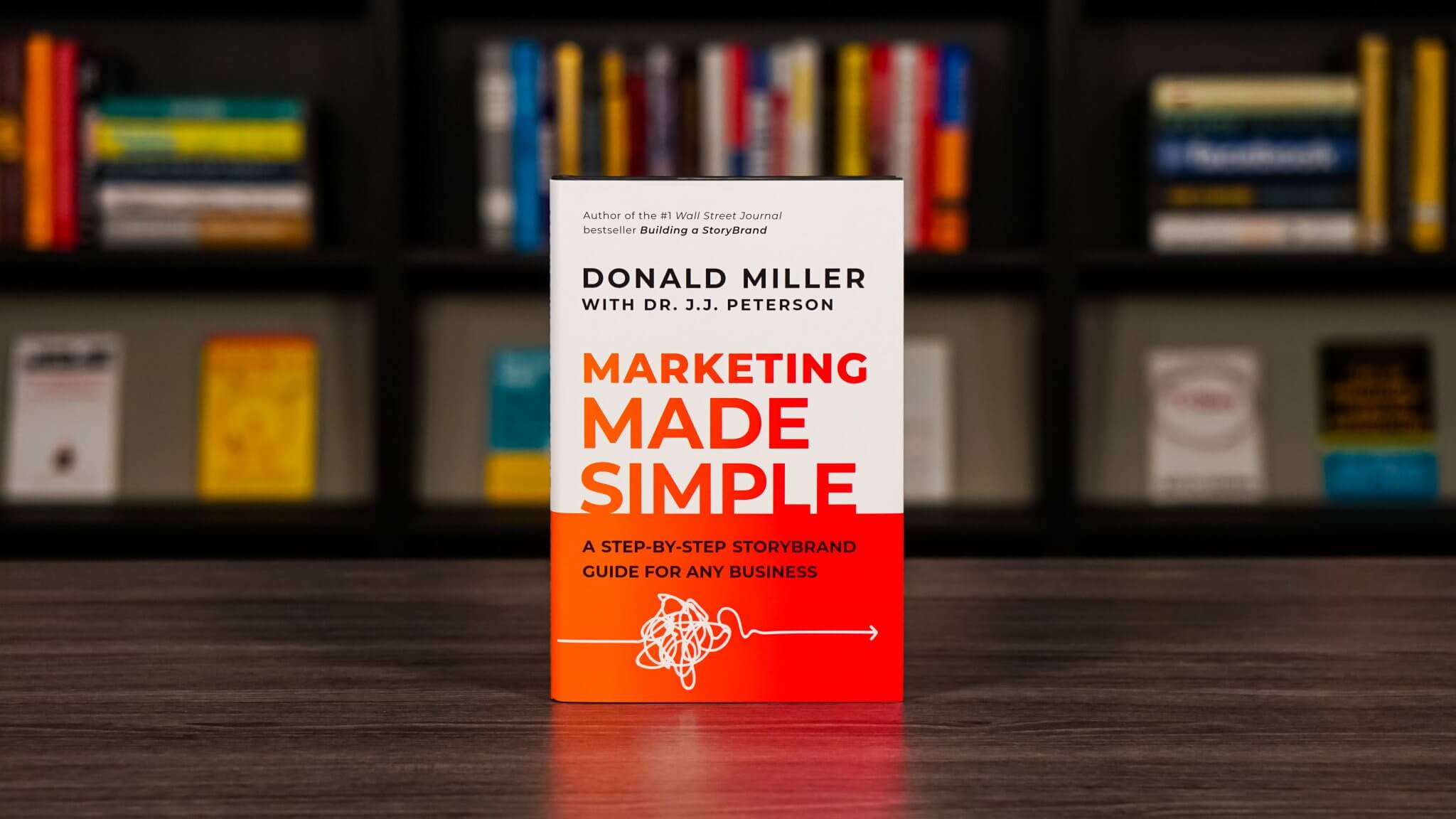
- Marketing Made Simple by Donald Miller and Dr. J.J. Peterson: Simplifies campaign creation with a step-by-step playbook.
What is the best book for marketing business?
The best book for marketing a business is Contagious: Why Things Catch On by Jonah Berger. This book delves into the science behind viral marketing and why certain ideas or products gain traction while others fade. Berger identifies six key principles—Social Currency, Triggers, Emotion, Public, Practical Value, and Stories (STEPPS)—that drive word-of-mouth success. It’s ideal for marketers seeking actionable strategies to create memorable campaigns and leverage organic audience engagement.
Key Elements of Effective Marketing Strategies
Effective marketing strategies rely on understanding audience needs, clear messaging, and measurable goals. Books like Building a StoryBrand by Donald Miller emphasize simplifying communication to resonate with customers.
- Clarity: Focus on a single, compelling message to avoid confusion.
- Consistency: Maintain uniform branding across all platforms.
- Adaptability: Adjust strategies based on market feedback and analytics.
Understanding Consumer Behavior in Marketing
To influence purchasing decisions, marketers must study psychological triggers and buying patterns. Influence: The Psychology of Persuasion by Robert Cialdini explores principles like reciprocity, scarcity, and social proof.
- Social Proof: Leverage testimonials and peer recommendations.
- Scarcity Tactics: Highlight limited availability to drive urgency.
- Emotional Appeal: Connect products to customers’ aspirations or fears.
Digital Marketing Tactics for Modern Businesses
Digital marketing requires mastery of SEO, content creation, and social media algorithms. Jab, Jab, Jab, Right Hook by Gary Vaynerchuk stresses balancing value-driven content with promotional efforts.
- SEO Optimization: Prioritize keywords and backlinks for visibility.
- Engagement Metrics: Track likes, shares, and comments to refine content.
- Paid Advertising: Use platforms like Google Ads and Meta for targeted campaigns.
Building Brand Loyalty Through Marketing
Brand loyalty stems from trust, consistency, and exceptional experiences. The Loyalty Effect by Frederick Reichheld explains how retaining customers boosts profitability.
- Personalization: Tailor offers to individual preferences.
- Reward Programs: Incentivize repeat purchases with points or discounts.
- Community Building: Foster connections through forums or events.
Data-Driven Marketing Decisions
Modern marketing thrives on analytics and performance tracking. Marketing Analytics by Wayne L. Winston demonstrates how data guides strategy adjustments.
- ROI Analysis: Measure campaign profitability.
- A/B Testing: Compare versions to optimize conversions.
- Customer Segmentation: Group audiences for personalized outreach.
What is the best book to read if you want to start a business?

Essential Business Principles for Aspiring Entrepreneurs
To build a strong foundation, The Lean Startup by Eric Ries is a must-read. It emphasizes rapid experimentation, customer feedback, and iterative product development to minimize risks. Key takeaways include:
- Build-Measure-Learn Loop: Prioritize creating a minimum viable product (MVP) to test ideas quickly.
- Validated Learning: Use data-driven decisions to pivot or persevere.
- Sustainable Growth: Focus on strategies that drive long-term scalability.
Strategic Insights for Market Disruption
Zero to One by Peter Thiel challenges entrepreneurs to create monopolies through innovation. It highlights:
- Unique Value Propositions: Avoid competition by solving unaddressed problems.
- Technology Leverage: Use tech advancements to scale exponentially.
- Long-Term Vision: Prioritize building a company that thrives over decades.
Building Scalable Systems and Processes
The E-Myth Revisited by Michael E. Gerber focuses on systematizing your business. Key lessons include:
- Franchise Model: Design workflows as if you’ll franchise the business.
- Delegate Effectively: Separate technical work from managerial roles.
- Documentation: Create manuals to ensure consistency and scalability.
Financial Mastery for Early-Stage Ventures
Profit First by Mike Michalowicz offers a revolutionary approach to financial management. Core ideas:
- Profit-Centric Accounting: Allocate profit first, then manage expenses.
- Small Habits: Implement incremental financial adjustments.
- Cash Flow Clarity: Use multiple bank accounts for better budgeting.
Marketing and Customer-Centric Strategies
This Is Marketing by Seth Godin redefines how businesses connect with audiences. Highlights include:
- Niche Targeting: Serve specific audiences instead of mass markets.
- Storytelling: Build emotional connections through narratives.
- Permission Marketing: Earn trust rather than interrupt consumers.
Frequently Asked Questions (FAQs)
What Are the Top Recommended Marketing Books for Startups?
Traction: How Any Startup Can Achieve Explosive Customer Growth by Gabriel Weinberg and Justin Mares is a must-read for startups, focusing on 19 channels to scale efficiently. Another essential is Contagious: How to Build Word of Mouth in the Digital Age by Jonah Berger, which explores why ideas go viral. Hooked: How to Build Habit-Forming Products by Nir Eyal dives into creating customer loyalty, while The Lean Startup by Eric Ries emphasizes iterative marketing strategies. These books provide actionable frameworks tailored to limited budgets and high-growth goals.
How Can Marketing Books Help Startups with Limited Budgets?
Books like Growth Hacker Marketing by Ryan Holiday teach low-cost, high-impact tactics, such as leveraging social media and viral loops. Building a StoryBrand by Donald Miller highlights crafting clear messaging to cut through noise without expensive ad spend. Authors often emphasize data-driven experimentation over traditional campaigns, helping startups prioritize strategies like A/B testing and customer feedback loops. These resources turn constraints into creative advantages.
Are There Marketing Books Focused Specifically on Startup Challenges?
Yes. This Is Marketing by Seth Godin addresses niche targeting and building trust—key for startups entering crowded markets. Crossing the Chasm by Geoffrey Moore tackles the unique hurdle of moving from early adopters to mainstream audiences. Many books also cover scaling pitfalls, such as maintaining brand consistency during rapid growth. These titles focus on agility, adaptability, and resilience, which define startup success.
What Marketing Book Is Best for First-Time Entrepreneurs?
The Lean Startup by Eric Ries is ideal for beginners, offering a foundation in validated learning and iterative marketing. For those struggling with customer acquisition, Traction provides a step-by-step guide to testing channels. Influence: The Psychology of Persuasion by Robert Cialdini teaches psychological principles to refine pitches and campaigns. These books balance theory with practical exercises, making complex concepts accessible to newcomers.
Leave a Reply
Our Recommended Articles