
Venture Capital Investment Bootcamp Randall Reade's Posts


Venture capital investment is a dynamic and competitive field, requiring both strategic insight and practical expertise. Randall Reade, a seasoned professional in the venture capital space, has shared invaluable insights through his posts on the Venture Capital Investment Bootcamp. These posts serve as a comprehensive guide for aspiring investors, offering actionable advice, industry trends, and real-world examples. From understanding deal structures to mastering due diligence, Reade’s content equips readers with the tools needed to navigate the complexities of venture capital. Whether you're a novice or an experienced investor, his posts provide a roadmap to success in this high-stakes arena.
Exploring Randall Reade's Insights on Venture Capital Investment Bootcamp
Randall Reade, a seasoned expert in the field of venture capital, has shared valuable insights through his posts on the Venture Capital Investment Bootcamp. His writings provide a comprehensive guide for aspiring investors and entrepreneurs looking to navigate the complex world of venture capital. Below, we delve into five key topics from his posts, each offering unique perspectives and actionable advice.
See Also How Did Benchmark Capital Come to Be?
1. Understanding the Basics of Venture Capital
Randall Reade emphasizes the importance of grasping the fundamentals of venture capital before diving into investments. He explains that venture capital is a form of private equity financing that investors provide to early-stage, high-potential companies. Reade outlines the key stages of venture capital funding, from seed rounds to Series A, B, and beyond. He also highlights the critical role of due diligence in assessing potential investments.
| Key Concept | Description |
|---|---|
| Seed Round | Initial funding to develop a business idea. |
| Series A | Funding for scaling operations and product development. |
| Due Diligence | Thorough investigation of a company's financials and potential. |
2. The Role of Networking in Venture Capital
Reade underscores the significance of networking in the venture capital ecosystem. He advises that building strong relationships with other investors, entrepreneurs, and industry experts can open doors to lucrative investment opportunities. Reade shares practical tips on attending industry conferences, leveraging social media platforms like LinkedIn, and participating in startup pitch events to expand one's network.
See Also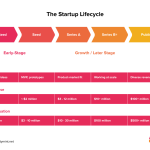 What is the Difference Between an Angel Series a and B Round of Funding
| Networking Strategy | Benefit |
|---|---|
| Industry Conferences | Opportunity to meet key players and stay updated on trends. |
| Platform for connecting with professionals and sharing insights. | |
| Pitch Events | Chance to discover promising startups and investment opportunities. |
3. Evaluating Startup Potential
In his posts, Reade provides a detailed framework for evaluating startup potential. He stresses the importance of assessing the founding team's expertise, the scalability of the business model, and the market demand for the product or service. Reade also discusses the significance of analyzing financial projections and understanding the competitive landscape.
| Evaluation Criteria | Description |
|---|---|
| Founding Team | Experience and capability of the startup's leadership. |
| Scalability | Potential for the business to grow and expand. |
| Market Demand | Need for the product or service in the target market. |
4. Risk Management in Venture Capital
Reade highlights the inherent risks in venture capital investments and offers strategies for effective risk management. He advises diversifying one's investment portfolio to mitigate potential losses and emphasizes the importance of setting clear investment criteria. Reade also discusses the role of exit strategies, such as IPOs and acquisitions, in realizing returns on investments.
See Also What Do Associates Do at Venture Capital Firms?
| Risk Management Strategy | Description |
|---|---|
| Diversification | Spreading investments across multiple startups to reduce risk. |
| Investment Criteria | Clear guidelines for selecting investment opportunities. |
| Exit Strategies | Plans for liquidating investments, such as IPOs or acquisitions. |
5. The Future of Venture Capital
In his forward-looking posts, Reade explores the future of venture capital, discussing emerging trends such as the rise of impact investing and the increasing role of artificial intelligence in investment decision-making. He also touches on the growing importance of environmental, social, and governance (ESG) criteria in evaluating potential investments.
| Emerging Trend | Description |
|---|---|
| Impact Investing | Investments aimed at generating social or environmental impact alongside financial returns. |
| Artificial Intelligence | Use of AI to analyze data and make informed investment decisions. |
| ESG Criteria | Environmental, social, and governance factors considered in investment evaluations. |
What is venture capital start up funding?
:max_bytes(150000):strip_icc()/Venturecapital-2f7ba3a27d0545f682a6238ea6b16cb9.png)
 What is the Difference Between Angel Investors Venture Capitalists and Silent Partner Investors
What is Venture Capital Start-Up Funding?
Venture capital start-up funding refers to the financial investment provided by venture capital firms or individual investors to early-stage companies with high growth potential. These investments are typically made in exchange for equity or ownership stakes in the company. Venture capital is a critical source of funding for start-ups that may not have access to traditional financing options like bank loans.
How Does Venture Capital Funding Work?
Venture capital funding operates through a structured process involving several key steps:
- Pitching: Start-ups present their business ideas and growth plans to venture capital firms.
- Due Diligence: Investors evaluate the start-up's potential, market, and team before committing funds.
- Investment: Funds are provided in exchange for equity, often in multiple rounds (e.g., Seed, Series A, B, etc.).
- Support: Venture capitalists often provide mentorship, networking, and strategic guidance to help the start-up grow.
- Exit: Investors aim to exit through an IPO or acquisition, realizing returns on their investment.
Why Do Start-Ups Seek Venture Capital?
Start-ups seek venture capital for several reasons:
- High Growth Potential: Venture capital enables rapid scaling and expansion.
- Access to Expertise: Investors bring industry knowledge and connections.
- Lack of Collateral: Start-ups often lack assets to secure traditional loans.
- Risk Sharing: Venture capitalists share the financial risk of the start-up's success or failure.
- Validation: Securing venture capital can validate the start-up's business model and attract further investment.
What Are the Stages of Venture Capital Funding?
Venture capital funding typically occurs in stages, each serving a specific purpose:
- Seed Stage: Initial funding to develop the product or service idea.
- Series A: Funding to scale operations and achieve market traction.
- Series B: Expansion funding to grow the business and enter new markets.
- Series C and Beyond: Later-stage funding for further scaling or preparing for an IPO.
- Exit Stage: Investors exit through an IPO, acquisition, or merger.
What Are the Risks of Venture Capital Funding?
While venture capital offers significant benefits, it also comes with risks:
- Equity Dilution: Founders may lose significant ownership stakes.
- High Expectations: Investors expect substantial returns, which can pressure start-ups.
- Loss of Control: Investors may influence business decisions.
- Failure Risk: Many start-ups fail, leading to a total loss of investment.
- Long-Term Commitment: The process of securing and managing venture capital can be time-consuming.
How do I get into venture capital after college?

Understanding the Venture Capital Industry
To get into venture capital after college, it's crucial to first understand the industry. Venture capital (VC) involves investing in early-stage companies with high growth potential. Here’s how you can build a foundational understanding:
- Research the VC ecosystem: Learn about key players, investment stages (seed, Series A, etc.), and how venture funds operate.
- Follow industry news: Read blogs, newsletters, and reports from sources like TechCrunch, PitchBook, or CB Insights.
- Understand financial modeling: Familiarize yourself with valuation methods, cap tables, and term sheets.
Building Relevant Skills and Experience
Venture capital firms look for candidates with a mix of analytical, financial, and interpersonal skills. Here’s how to develop these:
- Gain financial expertise: Take courses in finance, accounting, or economics to understand financial statements and investment analysis.
- Develop analytical skills: Learn to evaluate startups by analyzing market trends, competitive landscapes, and business models.
- Network effectively: Attend industry events, join VC-related communities, and connect with professionals on platforms like LinkedIn.
Pursuing Internships and Entry-Level Roles
Breaking into VC often starts with internships or entry-level positions. Here’s how to approach this:
- Apply for VC internships: Many firms offer internships for recent graduates to gain hands-on experience.
- Consider related roles: Work in investment banking, consulting, or at a startup to build transferable skills.
- Leverage your network: Use connections to secure informational interviews or referrals for VC roles.
Building a Strong Personal Brand
In the competitive VC world, standing out is essential. Here’s how to build a strong personal brand:
- Start a blog or newsletter: Share insights on startups, technology, or investment trends to showcase your expertise.
- Engage on social media: Participate in discussions on Twitter or LinkedIn to establish yourself as a thought leader.
- Contribute to open-source projects: If you have a technical background, contribute to projects that align with VC interests.
Leveraging Your College Experience
Your college years can provide a strong foundation for a VC career. Here’s how to make the most of it:
- Join entrepreneurship clubs: Participate in startup competitions or incubators to gain firsthand experience.
- Take relevant courses: Enroll in classes on entrepreneurship, venture capital, or technology innovation.
- Build a network: Connect with alumni, professors, or guest speakers who work in VC or related fields.
What is the outlook for venture capital funds?

Current Trends in Venture Capital Funding
The venture capital (VC) landscape is evolving rapidly, driven by technological advancements and shifting market dynamics. Key trends include:
- Increased focus on AI and machine learning startups, as these technologies continue to disrupt traditional industries.
- Growing interest in climate tech and sustainability, with investors prioritizing environmentally friendly innovations.
- Expansion of VC activity in emerging markets, particularly in regions like Southeast Asia and Africa.
Impact of Economic Conditions on Venture Capital
Economic factors play a significant role in shaping the VC outlook. Key considerations include:
- Rising interest rates, which may lead to tighter funding conditions and more selective investments.
- Inflationary pressures, potentially affecting startup valuations and investor returns.
- Global economic uncertainty, prompting VCs to diversify portfolios and focus on resilient sectors.
Emerging Sectors Attracting Venture Capital
Certain sectors are gaining traction among venture capitalists due to their growth potential. These include:
- Healthtech and biotech, driven by advancements in personalized medicine and digital health solutions.
- Fintech innovations, such as blockchain and decentralized finance (DeFi).
- Edtech platforms, as remote learning and upskilling become more prevalent.
Challenges Facing Venture Capital Funds
Despite opportunities, VC funds face several challenges that could impact their performance:
- Increased competition, leading to higher valuations and potential overinvestment in certain sectors.
- Regulatory scrutiny, particularly in areas like data privacy and antitrust concerns.
- Exit strategy uncertainties, as IPOs and acquisitions become more unpredictable.
Future Opportunities for Venture Capital
The future of venture capital is ripe with opportunities, particularly in:
- Deep tech innovations, including quantum computing and advanced robotics.
- Web3 and the metaverse, as these technologies redefine digital interactions.
- Cross-border investments, enabling VCs to tap into global talent and markets.
How do I get into a venture capital fund?

Understanding the Venture Capital Industry
To get into a venture capital fund, it is crucial to first understand the industry and how it operates. Venture capital (VC) involves investing in early-stage or high-growth companies with significant potential. Here’s how you can start:
- Research the VC ecosystem: Learn about key players, investment stages (seed, Series A, etc.), and the types of companies VCs typically fund.
- Follow industry trends: Stay updated on emerging sectors like tech, biotech, or clean energy, which often attract VC interest.
- Network with professionals: Attend industry events, webinars, and conferences to connect with VC professionals and gain insights.
Building Relevant Skills and Experience
To break into venture capital, you need to develop skills that align with the demands of the role. VC professionals often have backgrounds in finance, entrepreneurship, or consulting. Here’s how to build your expertise:
- Gain financial acumen: Learn about valuation methods, financial modeling, and deal structuring.
- Work in startups or consulting: Hands-on experience in startups or strategy consulting can provide valuable insights into business growth and operations.
- Develop analytical skills: Practice analyzing market trends, competitive landscapes, and investment opportunities.
Networking and Building Relationships
Networking is a critical component of entering the venture capital space. Building relationships with industry professionals can open doors to opportunities. Here’s how to approach it:
- Leverage LinkedIn: Connect with VC professionals, join relevant groups, and engage with their content.
- Attend VC events: Participate in pitch nights, demo days, and networking events to meet investors and founders.
- Seek mentorship: Find a mentor in the VC industry who can guide you and provide introductions.
Pursuing Education and Certifications
While not always mandatory, education and certifications can strengthen your candidacy for a venture capital role. Here’s what to consider:
- Earn a relevant degree: Degrees in finance, business, or technology can provide a strong foundation.
- Take VC-specific courses: Platforms like Coursera or Udemy offer courses on venture capital and private equity.
- Obtain certifications: Certifications like the Chartered Financial Analyst (CFA) can enhance your credibility.
Applying for Roles and Internships
To get into a venture capital fund, you’ll need to apply for roles or internships that provide entry points. Here’s how to approach the application process:
- Target junior roles: Look for positions like analyst or associate, which are common entry points in VC firms.
- Prepare a strong resume: Highlight relevant experience, skills, and achievements that align with VC requirements.
- Leverage your network: Use connections to get referrals or introductions to hiring managers at VC firms.
Frequently Asked Questions (FAQs)
What is the Venture Capital Investment Bootcamp by Randall Reade?
The Venture Capital Investment Bootcamp by Randall Reade is an intensive educational program designed to provide participants with a comprehensive understanding of the venture capital industry. The bootcamp covers key topics such as investment strategies, deal sourcing, due diligence, and portfolio management. It is tailored for individuals looking to break into the venture capital space or enhance their existing knowledge. Randall Reade, an experienced venture capitalist, shares his insights and practical advice through detailed posts and interactive sessions.
Who should attend the Venture Capital Investment Bootcamp?
The bootcamp is ideal for aspiring venture capitalists, entrepreneurs, angel investors, and finance professionals who want to deepen their understanding of venture capital. It is also beneficial for startup founders seeking to understand how venture capitalists evaluate and invest in businesses. Whether you are new to the industry or have some experience, the bootcamp offers valuable insights and tools to help you succeed in the competitive world of venture capital.
What topics are covered in Randall Reade's posts during the bootcamp?
Randall Reade's posts during the bootcamp cover a wide range of topics essential to venture capital. These include investment thesis development, market analysis, term sheet negotiation, valuation techniques, and exit strategies. Additionally, he provides insights into emerging trends in the venture capital industry and shares real-world case studies to illustrate key concepts. The posts are designed to be both informative and actionable, helping participants apply what they learn to their own investment decisions.
How can I access Randall Reade's posts from the Venture Capital Investment Bootcamp?
Randall Reade's posts are typically accessible through the bootcamp's online platform or learning management system. Participants receive login credentials upon enrollment, allowing them to view the posts, participate in discussions, and access additional resources. Some posts may also be shared via email newsletters or social media channels associated with the bootcamp. For those unable to attend live sessions, recordings and transcripts of the posts are often made available for later review.
Leave a Reply
Our Recommended Articles