
How to Find Investors for an App

In today’s competitive app market, securing the right investors is crucial for transforming an innovative idea into a successful product. However, navigating the investment landscape can be daunting, especially for first-time entrepreneurs. Investors seek more than just a functional app—they look for scalable business models, clear revenue strategies, and a dedicated team capable of executing the vision. To attract funding, developers must refine their pitch, identify the right funding sources, and build relationships within the industry. This article explores actionable steps to connect with potential investors, from crafting a compelling proposal to leveraging platforms and networks that align with your app’s goals.
How to Find Investors for an App
To secure investors for your app, start by refining your value proposition and understanding your target market. Investors look for scalability, a clear revenue model, and a strong team. Begin with angel investors or venture capitalists specializing in tech startups. Use pitch decks to highlight your app’s uniqueness, market potential, and traction. Attend networking events, join startup incubators, and leverage crowdfunding platforms to expand your reach. Always prepare for due diligence by organizing financial projections and legal documents.
See AlsoHow to Find Startup Partners1. Identifying the Right Type of Investors for Your App
Not all investors align with your app’s stage or industry. Angel investors often support early-stage startups, while venture capitalists (VCs) focus on scalable businesses with high growth potential. Corporate investors may seek strategic partnerships, and crowdfunding platforms allow community-backed funding. Research investors’ portfolios to ensure they have experience in your app’s niche.
| Investor Type | Focus | Investment Range |
| Angel Investors | Early-stage startups | $10k – $500k |
| Venture Capitalists | High-growth potential | $500k – $10M+ |
| Corporate Investors | Strategic partnerships | Varies widely |
| Crowdfunding | Community-driven support | $1k – $100k+ |
2. Building a Compelling Pitch Deck to Attract Investors
A pitch deck should concisely communicate your app’s problem-solution fit, market size, traction, and financial projections. Include slides on your unique selling proposition (USP), competitor analysis, and team expertise. Use visuals to simplify data and emphasize key metrics like user acquisition cost and monthly recurring revenue (MRR).
See Also How to Raise Venture Capital
| Key Slide | Purpose | Tip |
| Problem Statement | Highlight the pain point | Use relatable examples |
| Solution Demo | Showcase app functionality | Include a short video |
| Market Opportunity | Prove demand | Cite third-party research |
| Financials | Display revenue potential | Be realistic but optimistic |
3. Leveraging Networking Events and Startup Communities
Attend industry-specific events like tech conferences, demo days, and hackathons to meet investors. Join startup accelerators (e.g., Y Combinator) for mentorship and investor connections. Engage in online communities like LinkedIn groups or Slack channels focused on startups. Build relationships gradually—investors often fund founders they trust.
| Event Type | Platform | Goal |
| Tech Conferences | Web Summit, CES | Pitch to VCs |
| Pitch Competitions | Startup Grind | Gain visibility |
| Incubator Programs | Techstars | Access mentorship |
| Online Forums | AngelList | Connect remotely |
4. Utilizing Online Platforms and Crowdfunding for App Funding
Platforms like AngelList, Crunchbase, and Kickstarter streamline investor outreach. Create a profile detailing your app’s milestones and funding needs. For equity crowdfunding, use sites like SeedInvest to offer shares to non-traditional investors. Highlight user testimonials and early adopters to build credibility.
See AlsoHow to Get Sponsors for a Team| Platform | Use Case | Benefit |
| AngelList | Connect with angels/VCs | Targeted outreach |
| Kickstarter | Reward-based crowdfunding | Validate demand |
| SeedInvest | Equity crowdfunding | Access smaller investors |
| Cold outreach | Leverage mutual connections |
5. Preparing for Due Diligence and Investor Negotiations
Investors will scrutinize your app’s financial records, user data, legal structure, and IP ownership. Organize documents like cap tables, patents, and term sheets. Negotiate terms such as valuation, equity stake, and How do I get funding for my app?
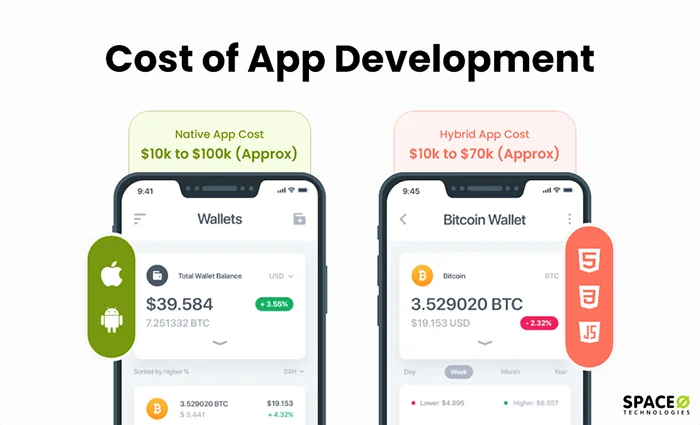
Bootstrapping involves using personal savings, revenue from early customers, or loans from friends and family to fund your app. This approach allows full control over your business but requires disciplined financial management. Angel investors are high-net-worth individuals who provide capital in exchange for equity or convertible debt. They often offer mentorship and industry connections alongside funding. Venture capital (VC) firms invest in startups with high growth potential, typically during later stages. They focus on scalable business models and often demand significant equity. Crowdfunding platforms like Kickstarter or Indiegogo let you raise funds while validating market demand. A successful campaign can attract early adopters and media attention. Government grants, startup competitions, or innovation programs provide non-dilutive funding for tech ventures. These are ideal for apps with social, educational, or environmental impact. The amount of funding required for an app depends on factors like complexity, platform (iOS, Android, or cross-platform), team size, features, and development timeline. A basic MVP (Minimum Viable Product) might cost between $10,000 and $50,000, while a feature-rich app with advanced functionalities (e.g., AI, real-time data, or custom APIs) can exceed $500,000. Ongoing costs like maintenance, updates, and marketing should also be factored into the budget. App development costs are shaped by several critical elements. Complexity is the primary driver, as basic apps require fewer resources compared to those with advanced features. Below are key factors: Funding requirements vary across development phases. Allocating budgets strategically ensures smooth progress: Multiple funding avenues exist to support app development, depending on the project’s scale: Reducing expenses without compromising quality requires strategic planning: Avoid these pitfalls to stay within budget: How Do I Find an Investor for My Idea? A well-structured business plan is critical to attracting investors. It should outline your idea’s purpose, market opportunity, competitive advantage, and financial projections. Focus on clarity and realism to build credibility. Investors often prioritize opportunities referred by trusted contacts. Expand your network through industry events, pitch competitions, and startup communities. A polished pitch deck and elevator pitch are essential to capture investor interest quickly. Focus on storytelling and data-driven insights. Different investors cater to varying stages and industries. Research options like angel investors, venture capitalists, or crowdfunding platforms. Use digital tools to identify and engage investors globally. Platforms like LinkedIn, Crunchbase, and AngelList streamline the process. To present your app idea effectively, start with a clear, concise elevator pitch that summarizes your concept in 30–60 seconds. Focus on the core problem your app solves, the target audience, and the unique value proposition that sets it apart from competitors. Investors need to grasp the idea quickly and see its potential for scalability. Investors prioritize ideas backed by evidence of demand. Demonstrate that the problem you’re solving is real and that your solution aligns with user needs. Use market research, user surveys, or beta testing results to validate your claims. Investors seek apps with scalable markets and growth potential. Provide data on your target audience’s size, spending habits, and trends. Emphasize how your app taps into an underserved niche or improves upon current offerings. A Minimum Viable Product (MVP) or prototype adds credibility. It demonstrates technical feasibility and reduces perceived risk. Use visuals like wireframes, mockups, or a live demo to illustrate functionality. Clearly explain how the app will generate revenue. Investors want to see a sustainable monetization plan, whether through subscriptions, in-app purchases, ads, or freemium models. Address customer acquisition costs and lifetime value. Investors invest in teams as much as ideas. Highlight your team’s technical skills, industry experience, and past successes. Provide a clear execution timeline with milestones for development, marketing, and scaling. Start by researching platforms and networks that cater to early-stage startups, such as AngelList, Crunchbase, or LinkedIn. Attend tech conferences, pitch competitions, and startup meetups to connect with angel investors, venture capitalists (VCs), and accelerators. Additionally, consider crowdfunding platforms like Kickstarter or equity-based platforms like SeedInvest to reach a broader audience. Building relationships through warm introductions via mentors, industry peers, or legal advisors can also significantly increase your chances of securing investor interest. Your pitch deck must clearly articulate your app’s unique value proposition, target market, and scalability. Highlight key metrics like user acquisition costs, retention rates, and revenue projections to demonstrate traction. Include a competitive analysis to show how your app stands out, and outline a roadmap for product development and market expansion. Investors also want to see a strong founding team with relevant expertise. End with a clear ask, specifying the amount needed and how funds will be allocated. Equity allocation depends on factors like your app’s valuation, funding stage, and investor expectations. Early-stage startups might offer 10–25% equity in exchange for seed funding, while later-stage rounds may involve smaller percentages. Use valuation tools or consult a financial advisor to determine a fair split. Be cautious about over-diluting ownership early on, as it can limit flexibility in future funding rounds. Always formalize agreements with legal documentation to protect both parties. Focus on demonstrating market demand through surveys, pre-launch sign-ups, or pilot programs. Share data from beta testing to highlight user engagement and feedback. Develop a minimum viable product (MVP) to showcase core functionality and validate your concept. Investors also value partnerships or letters of intent from potential clients or distributors. Emphasize your long-term vision and scalability, even if current user numbers are limited, to build confidence in future growth.
Exploring Bootstrapping as a Self-Funding Strategy
Pitching to Angel Investors for Early-Stage Funding
Securing Venture Capital for Scalable Growth
Leveraging Crowdfunding Platforms for Market Validation
Applying for Grants and Government Programs
How much funding do you need for an app?
Key Factors Influencing App Development Costs
Breakdown of Funding Needs by Development Stage
Funding Options for App Development Projects
Cost-Saving Strategies for App Development
Common Mistakes That Inflate App Development Costs
How do I find an investor for my idea?

To find an investor for your idea, start by refining your business plan to clearly articulate your value proposition, target market, and revenue model. Build a network through industry events, startup incubators, and online platforms like LinkedIn or AngelList. Prepare a compelling pitch deck that highlights your idea’s uniqueness, scalability, and potential returns. Research investors who align with your industry and stage, then approach them strategically via warm introductions or formal applications. Persistence, adaptability, and demonstrating traction (e.g., prototypes, early customers) are key to securing interest.Developing a Solid Business Plan
Building a Strong Network
Perfecting Your Pitch
Exploring Funding Sources
Leveraging Online Platforms
How do you present an app idea to an investor?

Crafting a Compelling Elevator Pitch
Validating the Problem and Solution
Building a Strong Market Opportunity Case
Showcasing a Prototype or MVP
Articulating the Business Model and Monetization Strategy
Demonstrating Team Expertise and Execution Plan
Frequently Asked Questions (FAQs)
Where Can I Find Potential Investors for My App?
What Should I Include in My Pitch Deck to Attract Investors?
How Much Equity Should I Offer to App Investors?
How Can I Prove My App’s Potential Without a Large User Base?
Leave a Reply
Our Recommended Articles