
Cost of an LLC in Georgia

Forming a Limited Liability Company (LLC) in Georgia involves several financial considerations that entrepreneurs must evaluate to ensure compliance and optimize budgeting. The primary cost is the state-mandated filing fee, which is $100 for submitting Articles of Organization to the Georgia Secretary of State. Additionally, Georgia requires LLCs to file an annual registration, costing $50 per year. Other potential expenses include legal or professional service fees, registered agent costs, and optional add-ons like expedited processing. Businesses may also need to account for local licensing or permits depending on their industry. Understanding these costs is critical for effective financial planning, particularly given Georgia’s business-friendly reputation and tax advantages.
Understanding the Cost of Forming an LLC in Georgia
Initial Formation Fees for a Georgia LLC
The cost to form an LLC in Georgia includes state-mandated fees and optional expenses. The primary fee is the $100 filing fee for submitting the Articles of Organization to the Georgia Secretary of State. Additional costs may include registered agent fees (typically $50–$150 annually) and business license fees, which vary by locality.
See AlsoWyoming LLC Filing Fee| Expense | Cost | Notes |
|---|---|---|
| Articles of Organization | $100 | Mandatory state fee |
| Registered Agent | $50–$150/year | Required for legal compliance |
| Local Business Licenses | Varies | Depends on city/county |
State Filing Fees and Processing Times
Georgia charges a flat $100 fee for online LLC filings, which are processed in 7–10 business days. Expedited processing (2 business days) costs an additional $100. Paper filings by mail or in person also cost $100 but take longer.
| Filing Method | Cost | Processing Time |
|---|---|---|
| Online | $100 | 7–10 days |
| Expedited Online | $200 | 2 days |
| Mail/In-Person | $100 | 15+ days |
Annual Maintenance Costs for Georgia LLCs
Georgia LLCs must file an Annual Registration and pay a $50 fee every year by April 1. Failure to comply may result in penalties or dissolution. Other recurring costs include registered agent fees and potential franchise taxes (if the LLC elects corporate taxation).
See Also Can You Present an Idea to a Venture Capitalist or Do You Have to Have a Business Plan
| Requirement | Cost | Deadline |
|---|---|---|
| Annual Registration | $50 | April 1 |
| Registered Agent | $50–$150 | Annual |
| Franchise Tax | Varies | Based on income |
Optional Expenses to Consider
Beyond state fees, LLC owners may incur optional costs like legal assistance ($200–$1,000+), operating agreements ($100–$500), or EIN registration (free via IRS but may require professional help). Business insurance and accounting services also add to expenses.
| Service | Cost Range | Purpose |
|---|---|---|
| Legal Assistance | $200–$1,000+ | Drafting documents |
| Operating Agreement | $100–$500 | Internal governance |
| Business Insurance | $500–$2,000/year | Liability coverage |
Comparing Georgia LLC Costs to Other States
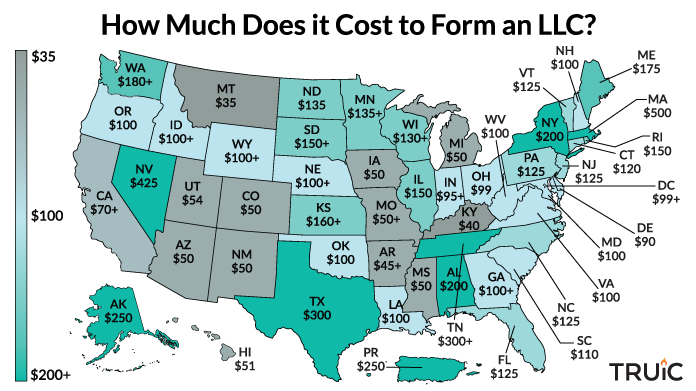
Georgia’s LLC fees are lower than states like California ($70 formation fee + $20 annual tax) or Texas ($300 formation fee). However, it lacks the privacy benefits of states like Delaware (popular for asset protection but higher fees).
See Also What Are the Different Stages in Startup Funding?
| State | Formation Fee | Annual Fee |
|---|---|---|
| Georgia | $100 | $50 |
| California | $70 | $20 |
| Texas | $300 | $0 |
| Delaware | $90 | $300 |
What are the disadvantages of an LLC in Georgia?
Formation and Maintenance Costs
While forming an LLC in Georgia is relatively straightforward, there are costs involved that may disadvantage small businesses or startups. The initial filing fee for Articles of Organization is $100, and additional expenses may arise for legal consultations or registered agent services. Ongoing costs include:
- Annual registration fee: Georgia requires a $50 fee each year to maintain active status.
- Late penalties: Failure to file annual reports or pay fees on time can result in fines or administrative dissolution.
- Legal and professional fees: Drafting operating agreements or resolving compliance issues often requires paid expertise.
Self-Employment Taxes
LLC owners in Georgia are typically subject to self-employment taxes on their share of profits. Unlike corporations, LLCs do not offer payroll tax savings, leading to:
- Higher tax burdens: Members pay both the employer and employee portions of Social Security and Medicare taxes (15.3% total).
- Limited flexibility: Electing corporate taxation to reduce self-employment taxes requires filing IRS Form 8832, adding complexity.
- No dividend treatment: Profits cannot be classified as dividends, which are taxed at lower rates for corporations.
Management and Legal Precedents
Georgia’s LLC laws provide flexibility in management structures, but this can also create ambiguity in governance. Key drawbacks include:
- Lack of case law: Fewer legal precedents compared to corporations may lead to unpredictable outcomes in disputes.
- Operating agreement dependency: Disputes often hinge on the operating agreement, which must be meticulously drafted to avoid gaps.
- Member-managed complexities: Without clear roles, disagreements among members can disrupt operations.
Difficulty Raising Capital
LLCs in Georgia may struggle to attract investors compared to corporations. Limitations include:
- No stock issuance: LLCs cannot issue shares, making equity financing challenging.
- Investor preferences: Venture capitalists often favor corporations for their established structures and stock options.
- Membership transfer restrictions: Operating agreements may limit ownership transfers, deterring potential investors.
Personal Liability Risks in Certain Cases
While LLCs generally offer limited liability protection, Georgia owners may still face personal exposure under specific circumstances:
- Piercing the corporate veil: Courts may hold members liable for business debts if they fail to maintain legal formalities.
- Personal guarantees: Banks often require personal guarantees for loans, negating liability protection.
- Fraud or illegal acts: Members can be personally liable for misconduct or fraudulent activities.
How much money should you have before starting an LLC?
Initial Costs to Form an LLC
Before starting an LLC, you should budget for formation fees, which vary by state. Common expenses include state filing fees, legal documentation, and business licenses. Consider the following:
- State filing fees: Ranges from $50 to $500, depending on your state.
- Legal and professional fees: Hiring an attorney or service ($200–$1,500) for drafting operating agreements or compliance.
- Licenses and permits: Local or industry-specific permits may cost $100–$1,000 annually.
Ongoing Operational Expenses
An LLC requires funds for recurring costs like taxes, insurance, and maintenance. Plan for these ongoing expenses to avoid cash flow issues:
- Annual report fees: Most states charge $50–$500 yearly for compliance.
- Registered agent fees: $100–$300 annually if outsourcing this service.
- Taxes and insurance: Estimated tax payments and liability insurance (varies by industry).
Emergency Fund and Working Capital
Set aside working capital to cover unexpected costs or slow revenue periods. Experts recommend:
- 3–6 months of operating expenses: Rent, payroll, utilities, and inventory.
- Emergency repairs or legal issues: At least $5,000–$10,000 reserved.
- Client payment delays: Buffer funds to manage cash flow gaps.
Funding Options for LLC Startup Costs
If personal savings are insufficient, explore funding sources to launch your LLC:
- Personal savings: Ideal for minimizing debt but requires disciplined saving.
- Business loans or credit lines: Banks or SBA loans (interest rates vary).
- Investors or crowdfunding: Equity financing in exchange for ownership stakes.
Cost-Saving Strategies for New LLCs
Reduce startup expenses with cost-effective practices:
- DIY formation tools: Use online services like LegalZoom ($0–$400).
- Free registered agent services: Serve as your own agent if state laws allow.
- Budget tracking software: Tools like QuickBooks to monitor expenses.
Frequently Asked Questions About LLCs (FAQs)
What is the initial cost to form an LLC in Georgia?
The initial cost to form an LLC in Georgia includes the $100 filing fee for submitting the Articles of Organization to the Georgia Secretary of State. Additional expenses may arise if you opt for services like name reservation ($25) or expedited processing (ranging from $50 to $220 depending on the speed). Some businesses may also need to pay for a registered agent service, which typically costs between $50 and $300 annually. Always budget for potential legal or professional assistance if you require help with documentation.
Are there ongoing costs for maintaining an LLC in Georgia?
Yes, Georgia LLCs must pay an annual registration fee of $50 to the Secretary of State, due by April 1 each year. Failure to pay may result in administrative dissolution. Other ongoing costs include state taxes (like income or sales tax), registered agent fees (if using a third-party service), and potential license or permit renewals. Businesses with employees must also account for employment taxes and insurance requirements.
How do costs vary if I form the LLC myself versus hiring a professional?
Filing an LLC yourself in Georgia limits costs to the $100 state fee and optional add-ons like expedited processing. However, hiring a professional service or attorney can add $50 to $500+ in upfront costs, depending on complexity. Professionals help avoid errors and ensure compliance, which may save money long-term. Online LLC formation services often charge between $0 and $200 extra, bundling features like registered agent services or operating agreement templates.
Beyond the state filing fee, hidden costs include business license fees (varying by city or county), zoning permits, and industry-specific licenses. If operating under a trade name (DBA), expect a $20–$50 filing fee. Businesses with physical locations may need insurance policies or property taxes. Additionally, banks might charge account fees for business banking services. Always research local requirements to avoid unexpected expenses.
Leave a Reply
Our Recommended Articles