
Can You Present an Idea to a Venture Capitalist or Do You Have to Have a Business Plan


Presenting an idea to a venture capitalist (VC) is a critical step for entrepreneurs seeking funding to bring their vision to life. However, the question often arises: is a fully developed business plan necessary, or can a compelling idea alone suffice? While some investors may be swayed by a strong concept and a passionate pitch, others demand detailed financial projections, market analysis, and a clear roadmap to success. This article explores whether entrepreneurs can secure venture capital with just an idea or if a comprehensive business plan is indispensable. Understanding the expectations of VCs can help founders prepare effectively and increase their chances of securing investment.
Can You Present an Idea to a Venture Capitalist or Do You Have to Have a Business Plan?
When approaching a venture capitalist (VC), many entrepreneurs wonder whether they need a fully developed business plan or if simply presenting an idea is sufficient. The answer depends on the stage of your venture, the VC's preferences, and the strength of your pitch. While some VCs may be open to hearing innovative ideas without a detailed plan, most prefer to see a structured business plan that demonstrates market potential, scalability, and a clear path to profitability.
See Also How Do You Write a Good Venture Capital Proposal?
What Do Venture Capitalists Look for in a Pitch?
Venture capitalists primarily seek high-growth potential, a strong team, and a clear value proposition. While an idea can spark interest, VCs want to see evidence of market research, traction, and a viable business model. A business plan helps convey these elements in a structured manner, making it easier for VCs to evaluate the opportunity.
| Key Element | Why It Matters |
|---|---|
| Market Potential | Shows the size and growth of the target market. |
| Team Expertise | Highlights the ability to execute the idea. |
| Revenue Model | Demonstrates how the business will generate profits. |
Is a Business Plan Always Necessary?
Not always. In early-stage ventures, some VCs may be willing to invest based on a compelling idea and a strong founding team. However, as the competition for funding increases, having a detailed business plan can set you apart. It shows that you’ve thought through the challenges and have a strategic roadmap for success.
See Also Who Came Up With the Startup Investing J Curve?
| Situation | Need for Business Plan |
|---|---|
| Early-Stage Startup | May not require a full plan but needs a clear pitch. |
| Growth-Stage Startup | Requires a detailed plan to secure funding. |
How to Present an Idea Without a Business Plan
If you don’t have a business plan, focus on delivering a clear and concise pitch. Highlight the problem your idea solves, the target market, and your unique solution. Use visual aids like slides or prototypes to make your presentation more engaging. Be prepared to answer questions about market validation and scalability.
| Component | Description |
|---|---|
| Problem Statement | Clearly define the issue your idea addresses. |
| Solution | Explain how your idea solves the problem. |
| Market Size | Provide data on the potential market. |
What Should a Business Plan Include?
A comprehensive business plan should include an executive summary, market analysis, competitive landscape, financial projections, and an operational plan. These sections help VCs understand your vision, strategy, and potential for success.
See Also Who Are the Most Active Vcs in Dallas, Texas?
| Section | Purpose |
|---|---|
| Executive Summary | Provides an overview of the business. |
| Market Analysis | Shows understanding of the industry and target audience. |
| Financial Projections | Demonstrates revenue potential and funding needs. |
How to Tailor Your Pitch to Different VCs
Different VCs have different investment criteria and focus areas. Research the VC’s portfolio and tailor your pitch to align with their interests. For example, if a VC specializes in tech startups, emphasize the technological innovation of your idea. If they focus on social impact, highlight how your business creates positive change.
| VC Focus | Pitch Emphasis |
|---|---|
| Tech Innovation | Highlight technological advancements and scalability. |
| Social Impact | Showcase the positive societal or environmental impact. |
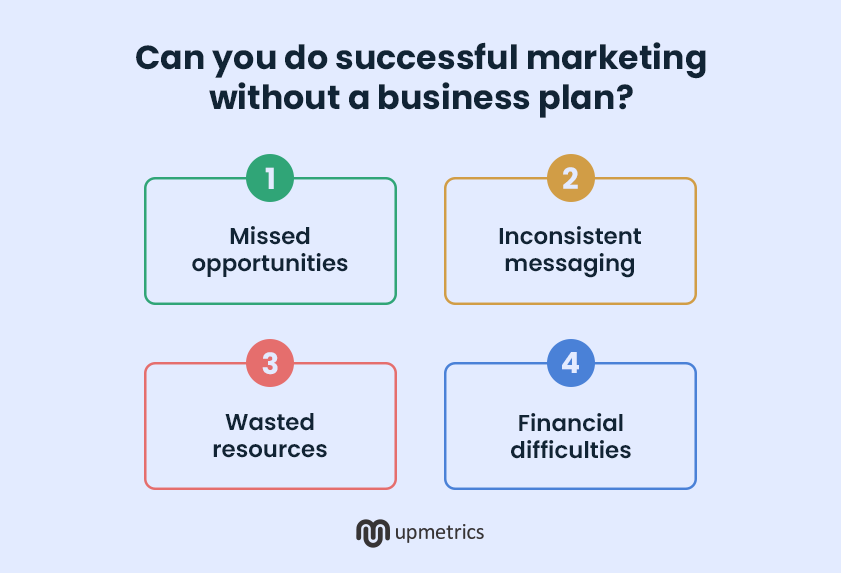
What happens if you don't have a business plan?
 Who is the Best Headhunter for the Venture Capital Start Up Space
Lack of Clear Direction and Goals
Without a business plan, your company may lack a clear direction and well-defined goals. This can lead to confusion among team members and stakeholders. A business plan serves as a roadmap, outlining the steps needed to achieve success. Without it, you may face the following challenges:
- Unclear priorities: Employees may not know which tasks are most important.
- Missed opportunities: Without a strategy, you might overlook key market opportunities.
- Inefficient resource allocation: Resources may be wasted on less critical activities.
Difficulty Securing Funding
Investors and lenders often require a detailed business plan before committing funds. Without one, securing financing becomes significantly harder. A business plan demonstrates your understanding of the market and your ability to execute your vision. Key issues include:
See AlsoWhich Venture Capital Firms Invest in Recruitment Technology Space- Lack of credibility: Investors may doubt your ability to manage finances effectively.
- Unclear ROI: Without projections, investors cannot assess potential returns.
- Limited access to capital: Banks and venture capitalists may reject your application outright.
Increased Risk of Failure
Operating without a business plan increases the likelihood of business failure. A plan helps identify potential risks and outlines strategies to mitigate them. Without it, you may encounter:
- Unforeseen challenges: Lack of preparation can leave you vulnerable to market changes.
- Poor decision-making: Without data-driven insights, decisions may be based on guesswork.
- Inability to adapt: A business plan helps you pivot when necessary, but without one, you may struggle to respond to challenges.
Ineffective Marketing Strategies
A business plan includes a marketing strategy tailored to your target audience. Without it, your marketing efforts may be unfocused and ineffective. Consequences include:
- Wasted budget: Marketing campaigns may not resonate with your audience.
- Low brand awareness: Without a clear message, customers may not recognize your brand.
- Missed customer segments: You may fail to reach key demographics.
Difficulty Measuring Progress
A business plan provides measurable goals and key performance indicators (KPIs) to track progress. Without it, you may struggle to evaluate your success. Challenges include:
- Lack of accountability: Employees may not know what success looks like.
- No benchmarks: Without targets, it’s hard to assess growth or decline.
- Inefficient operations: You may not identify areas needing improvement.
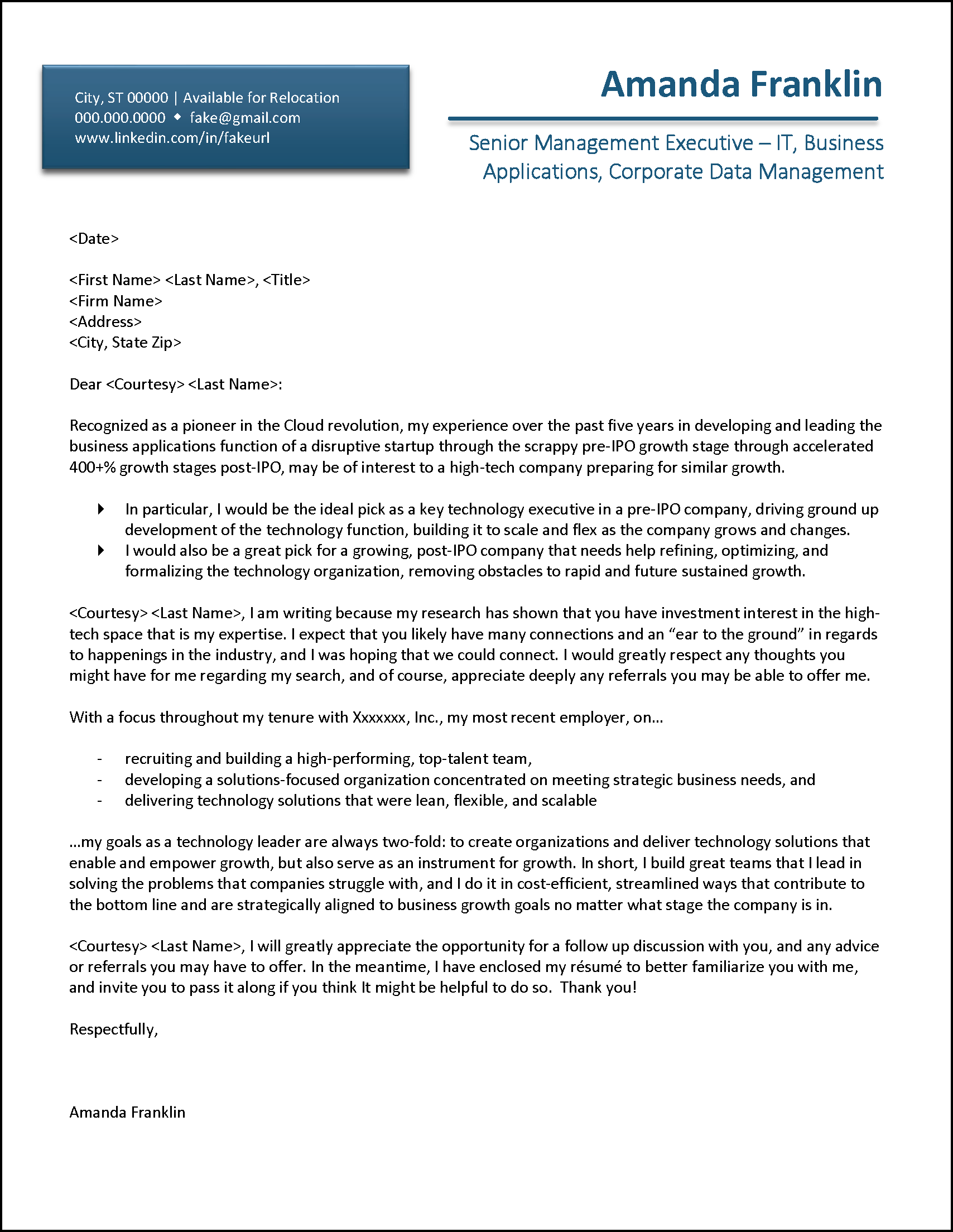
How do you introduce yourself to a venture capitalist?
How to Craft a Strong First Impression
When introducing yourself to a venture capitalist, it's crucial to make a strong first impression. Start by clearly stating your name, your role, and the company you represent. Follow this with a concise description of your business and its unique value proposition. Here’s how to do it effectively:
- State your name and role: Begin with a confident introduction of who you are and your position in the company.
- Highlight your company: Provide a brief overview of your business, focusing on its mission and vision.
- Emphasize the problem you solve: Clearly articulate the problem your product or service addresses and why it matters.
How to Communicate Your Value Proposition
Your value proposition is the core of your pitch. It should explain why your business is unique and how it stands out in the market. To communicate this effectively:
- Define your target market: Identify who your customers are and why they need your solution.
- Explain your solution: Describe how your product or service solves the problem better than existing alternatives.
- Showcase your competitive advantage: Highlight what makes your business different and why it has the potential to succeed.
How to Demonstrate Traction and Market Potential
Venture capitalists are interested in businesses that show traction and have significant market potential. To demonstrate this:
- Share key metrics: Present data such as revenue growth, customer acquisition, or user engagement.
- Highlight milestones: Mention any significant achievements, such as product launches or partnerships.
- Discuss market size: Provide insights into the size of the market and your potential share.
How to Present Your Team’s Expertise
Your team is a critical factor in gaining a venture capitalist’s trust. To present your team’s expertise effectively:
- Introduce key team members: Highlight their roles, experience, and accomplishments.
- Showcase relevant skills: Emphasize how their skills align with the company’s goals and challenges.
- Highlight past successes: Mention any previous ventures or projects that demonstrate their capability.
How to Conclude with a Clear Ask
End your introduction with a clear ask that aligns with the venture capitalist’s interests. This could be funding, mentorship, or strategic partnerships. To do this effectively:
- Specify your funding needs: Clearly state how much funding you’re seeking and how it will be used.
- Explain the expected impact: Describe how the investment will help your business grow and achieve its goals.
- Invite further discussion: Express your willingness to provide more details and answer any questions.
Frequently Asked Questions by our Community
Can you present an idea to a venture capitalist without a business plan?
Yes, you can present an idea to a venture capitalist without a fully developed business plan, but it depends on the stage of your concept and the investor's preferences. Some venture capitalists are open to hearing early-stage ideas, especially if they come from founders with a strong track record or a compelling vision. However, having at least a pitch deck or a clear outline of your idea's potential market, problem-solving approach, and scalability can significantly increase your chances of success. Without a business plan, you must be prepared to articulate your vision clearly and demonstrate why your idea is worth investing in.
What do venture capitalists expect when you present an idea?
Venture capitalists typically expect a clear understanding of the problem your idea solves, the market opportunity, and how your solution stands out from competitors. Even if you don't have a formal business plan, they will want to see evidence of market research, a viable business model, and a roadmap for growth. Additionally, they look for a strong founding team with the skills and passion to execute the idea. Presenting a well-thought-out pitch deck or prototype can help convey these elements effectively.
Is a business plan necessary to secure funding from venture capitalists?
While a business plan is not always mandatory, it is highly recommended. Venture capitalists often use a business plan to assess the feasibility, scalability, and long-term potential of your idea. A comprehensive plan demonstrates that you have thoroughly researched your market, understand your financial needs, and have a clear strategy for growth. However, in some cases, a strong pitch deck or a working prototype may suffice, particularly for early-stage startups. The key is to provide enough detail to convince investors that your idea is worth their time and money.
How can I make my idea stand out to venture capitalists without a business plan?
To make your idea stand out without a formal business plan, focus on delivering a compelling story that highlights the problem, your unique solution, and the potential impact. Use a pitch deck to visually communicate your vision, market opportunity, and growth strategy. Include data-driven insights, such as market size, customer validation, or early traction, to build credibility. Additionally, emphasize your team's expertise and passion. Venture capitalists are more likely to invest in founders who demonstrate a deep understanding of their industry and a clear path to success, even if a detailed business plan is not yet available.
Leave a Reply
Our Recommended Articles