
How Much Does it Cost to Start an LLC in Ohio?

Starting a limited liability company (LLC) in Ohio offers entrepreneurs flexibility, liability protection, and potential tax advantages. However, understanding the associated costs is critical for effective budgeting. The state of Ohio requires a $99 filing fee to submit Articles of Organization, but additional expenses—such as registered agent services, legal consultations, and operating agreement drafting—can influence the total investment. Businesses may also need to account for annual reporting fees, local permits, or professional licensing costs depending on their industry. While forming an LLC can be relatively affordable, expenses vary based on individual needs and compliance requirements. This article breaks down the key financial considerations to help you plan your Ohio LLC’s launch.
Understanding the Costs of Forming an LLC in Ohio
The cost to start an LLC in Ohio includes state filing fees, optional services, and ongoing compliance expenses. The minimum state filing fee is $99 when submitting the Certificate of Formation online or by mail. Additional costs may arise for services like name reservation, registered agent fees, operating agreements, or expedited processing. Businesses must also budget for annual reports and potential tax obligations. Below, we break down the key expenses to help you plan effectively.
See AlsoIllinois LLC Filing FeeOhio LLC State Filing Fees
The primary cost to form an LLC in Ohio is the $99 state filing fee, paid to the Ohio Secretary of State. This fee applies whether you file online, by mail, or in person. Expedited processing is available for an additional $100-$200, depending on the urgency. Here’s a breakdown:
| Standard Filing | $99 (5-7 business days) |
| 24-Hour Expedited | $199 total |
| Same-Day Expedited | $299 total |
Name Reservation Costs
Reserving your LLC name in Ohio costs $39 and ensures the name is held for 180 days. This step is optional but recommended if you’re not ready to file immediately. The fee is paid separately through the Ohio Secretary of State’s office.
See AlsoLouisiana LLC Filing Fee| Name Reservation Fee | $39 |
| Validity Period | 180 days |
Registered Agent Fees
Ohio requires LLCs to designate a registered agent. You can act as your own agent (free) or hire a professional service, which typically costs $50-$300 annually. A registered agent ensures compliance by receiving legal documents on behalf of your LLC.
| Self-Service | $0 |
| Professional Service | $50-$300/year |
Operating Agreement Expenses
While not legally required in Ohio, an operating agreement is highly recommended. Drafting one yourself is free, but hiring a lawyer may cost $200-$1,000+. Online templates are a budget-friendly option, usually priced under $50.
See AlsoHow to Buy Stake in a Company| DIY Agreement | $0 |
| Online Template | $20-$50 |
| Attorney Drafted | $200-$1,000+ |
Annual Report and Compliance Costs
Ohio does not require annual reports for LLCs, but you must file a Commercial Activity Tax (CAT) return if revenue exceeds $150,000/year. LLCs must also renew licenses/permits and pay franchise taxes if applicable.
| Annual Report Fee | $0 (not required) |
| CAT Filing Threshold | $150,000+ in revenue |
| Franchise Tax | Varies by income |
How much does it cost to open an LLC in Ohio?
 Venture Capital Executive Compensation Survey
State Filing Fees for Forming an LLC in Ohio
The primary cost to establish an LLC in Ohio is the state filing fee. The Ohio Secretary of State charges $99 to file the Articles of Organization online or by mail. This fee is mandatory and non-refundable, even if your application is rejected. Additional costs may arise if expedited processing is needed:
- Standard filing: $99 (processed in 7–10 business days).
- Expedited filing: $119 (processed in 3–5 business days).
- 24-hour processing: $200 (filed and approved within one business day).
Name Reservation Costs for an Ohio LLC
Before filing, you may reserve your LLC’s name with the Ohio Secretary of State. While optional, this ensures your desired name isn’t taken. The name reservation fee is $39 and lasts for 180 days. Key considerations include:
See AlsoStarting an Online Business in NY- Conduct a free name search on the Ohio Secretary of State website first.
- Submit the Name Reservation Application (Form 534B) online or by mail.
- Renewal costs apply if the reservation expires before filing your LLC.
Registered Agent Fees in Ohio
Ohio requires LLCs to designate a registered agent to receive legal documents. You can act as your own agent or hire a professional service. Costs vary:
- Self-service: Free (if you have a physical Ohio address).
- Professional registered agent: $50–$300 annually (ensures privacy and compliance).
- Third-party services may bundle features like mail forwarding or compliance alerts.
Business License and Permit Costs
Depending on your industry and location, your LLC may need additional licenses or permits. These costs vary widely:
- Local business licenses: $50–$200 (varies by city or county).
- Professional licenses: $100–$500+ (e.g., contractors, healthcare providers).
- State-specific permits: $25–$500 (e.g., food service, liquor licenses).
Ongoing Compliance and Maintenance Costs
After formation, Ohio LLCs must budget for annual compliance costs. While Ohio doesn’t require annual reports, other fees may apply:
- Annual franchise tax: $0 (repealed in 2023).
- Federal/state taxes: Varies based on income and structure.
- Registered agent renewal: $50–$300 yearly (if using a service).
How much money should you have before starting an LLC?
Initial Costs to Form an LLC
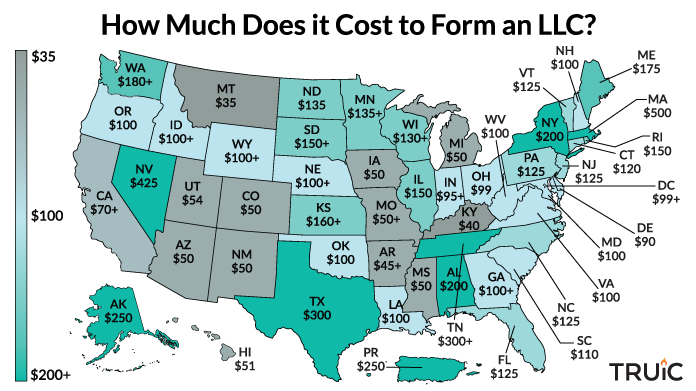
Starting an LLC requires covering state filing fees, which typically range from $50 to $500, depending on your location. Additional expenses might include legal fees, registered agent services, and business licenses. Here’s a breakdown of common upfront costs:
- State filing fees: Vary by state (e.g., $50 in Kentucky vs. $500 in Massachusetts).
- Legal/professional fees: $500–$1,500+ for attorney assistance or online formation services.
- Business licenses/permits: Costs depend on industry and local regulations.
- Operating expenses: Initial marketing, equipment, or office space.
Estimating Startup Capital Needs
Before launching, calculate minimum startup capital by listing all anticipated expenses. A buffer of 3–6 months of operating costs is recommended. Consider:
- LLC formation costs: Filing fees, legal help, and registered agent fees.
- Essential tools/software: Accounting tools, domain registration, or industry-specific software.
- Initial inventory/supplies: If applicable, stock or materials for product-based businesses.
- Contingency fund: 10–20% extra to cover unexpected costs.
Ongoing Expenses to Budget For
LLCs have recurring costs, such as annual report fees, taxes, and compliance requirements. Plan for:
- Annual state fees: Many states charge $50–$300 yearly to maintain LLC status.
- Registered agent fees: $100–$300 annually if using a third-party service.
- Tax obligations: Self-employment taxes, state taxes, and potential franchise taxes.
- Accounting/legal services: Budget $1,000–$5,000+ annually for professional support.
Emergency Funds and Working Capital
Aim for 3–6 months of liquid funds to cover emergencies or slow business periods. Key considerations:
- Fixed costs: Rent, utilities, and salaries (if hiring employees).
- Variable costs: Inventory restocking, marketing campaigns, or seasonal fluctuations.
- Debt servicing: Repaying loans or credit lines if used for startup capital.
Funding Options for LLC Formation
If personal savings fall short, explore external funding sources to meet financial requirements:
- Personal savings: The most common funding method for small LLCs.
- Business loans: Banks or SBA loans (requires a strong credit score).
- Investors: Equity financing in exchange for ownership stakes.
- Crowdfunding: Platforms like Kickstarter for product-based ventures.
What is needed to start an LLC in Ohio?
Choosing a Business Name for Your Ohio LLC
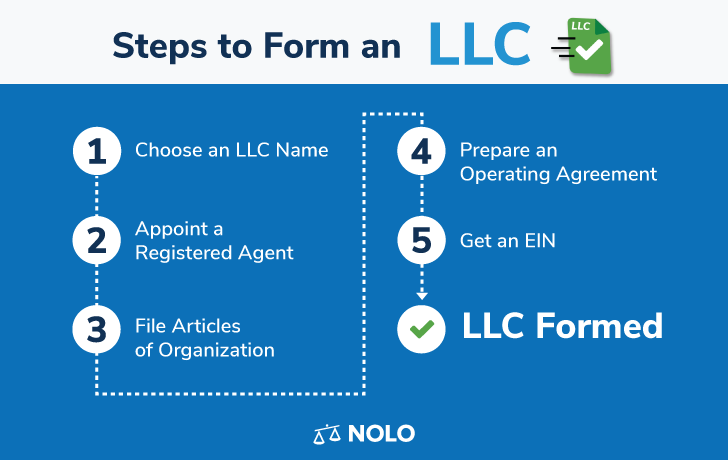
To start an LLC in Ohio, the first step is selecting a unique and compliant business name. The name must include “Limited Liability Company,” “LLC,” or an approved abbreviation. It cannot contain restricted words (e.g., “Bank” or “Insurance”) without proper licensing. Conduct a name availability search through the Ohio Secretary of State’s website to ensure no other business is using your desired name.
- Check name availability via the Ohio Secretary of State’s Business Search.
- Reserve the name (optional) by filing a Name Reservation Application with a $39 fee.
- Ensure the name complies with Ohio’s naming guidelines (e.g., including “LLC”).
Appointing a Registered Agent in Ohio
An Ohio LLC must designate a registered agent, a person or entity authorized to receive legal and official documents on behalf of the business. The agent must have a physical address in Ohio and be available during standard business hours.
- Choose a registered agent (individual or commercial service).
- Confirm the agent’s physical Ohio address (P.O. boxes are invalid).
- Include the agent’s details in your Articles of Organization.
Filing Articles of Organization with the Ohio Secretary of State
The Articles of Organization legally establish your LLC in Ohio. This document requires basic business information and a $99 filing fee. Submit it online, by mail, or in person.
- Provide the LLC’s name, purpose, and principal address.
- Include the registered agent’s name and address.
- Pay the $99 filing fee (online payments have a convenience fee).
- Await approval, typically processed in 7–10 business days.
Creating an Operating Agreement for Your Ohio LLC
While Ohio does not legally require an operating agreement, it is strongly recommended. This document outlines ownership structure, management roles, and operating procedures, reducing future disputes.
- Define member ownership percentages and profit-sharing.
- Outline management structure (member-managed or manager-managed).
- Include rules for meetings, voting, and dissolution.
Obtaining an EIN and Complying with Tax Requirements
An Employer Identification Number (EIN) is required for hiring employees, opening a business bank account, and filing taxes. Apply for an EIN for free via the IRS website. Ohio LLCs must also register for state taxes.
- Apply for an EIN through the IRS website or by mail.
- Register for Ohio commercial activity tax (CAT) if annual gross receipts exceed $150,000.
- File annual reports (not required in Ohio, but check local licenses).
- Obtain necessary local business licenses or permits.
Frequently Asked Questions About LLCs (FAQs)
What Are the Initial Filing Fees for Forming an LLC in Ohio?
The initial filing fee to form an LLC in Ohio is $99. This fee is paid to the Ohio Secretary of State when submitting your Articles of Organization. The form can be filed online, by mail, or in person. Online filings are typically processed faster, often within 3–7 business days. Additional costs may apply if you opt for expedited processing, which guarantees faster turnaround times. Be sure to review the state’s guidelines to ensure all required information is included, as errors could delay approval or incur resubmission fees.
Are There Additional Costs Beyond the State Filing Fee to Start an LLC in Ohio?
Yes, starting an LLC in Ohio often involves additional costs beyond the $99 state filing fee. For example, hiring a registered agent (required for compliance) may cost between $50–$150 annually. Drafting an operating agreement, though not legally required, is highly recommended and may cost $100–$500 if prepared by an attorney. Other expenses include obtaining business licenses or permits (costs vary by locality) and an Employer Identification Number (EIN) from the IRS, which is free. Budgeting for these extras ensures your LLC meets all legal and operational requirements.
Does Ohio Charge Extra for Expedited LLC Formation Processing?
Ohio offers expedited processing for LLC formations at an additional cost. Standard processing is free with the $99 filing fee and takes up to 7 business days. For faster service, you can pay $100 for 3-day processing or $200 for same-day or next-day processing, depending on submission timing. Expedited fees apply per document, so confirm your needs before submitting. This option is ideal for entrepreneurs prioritizing speed, such as those securing contracts or launching time-sensitive ventures.
Are There Ongoing Costs to Maintain an LLC in Ohio?
Yes, Ohio LLCs must account for ongoing costs to maintain compliance. Unlike many states, Ohio does not require annual reports or associated fees for LLCs. However, other recurring expenses include state taxes (e.g., commercial activity tax if revenue exceeds $150,000), registered agent fees ($50–$150/year), and potential local business license renewals. Additionally, if your LLC operates in regulated industries (e.g., food, healthcare), permit renewals may apply. Proper financial planning ensures your LLC remains in good standing and avoids penalties.
Leave a Reply
Our Recommended Articles